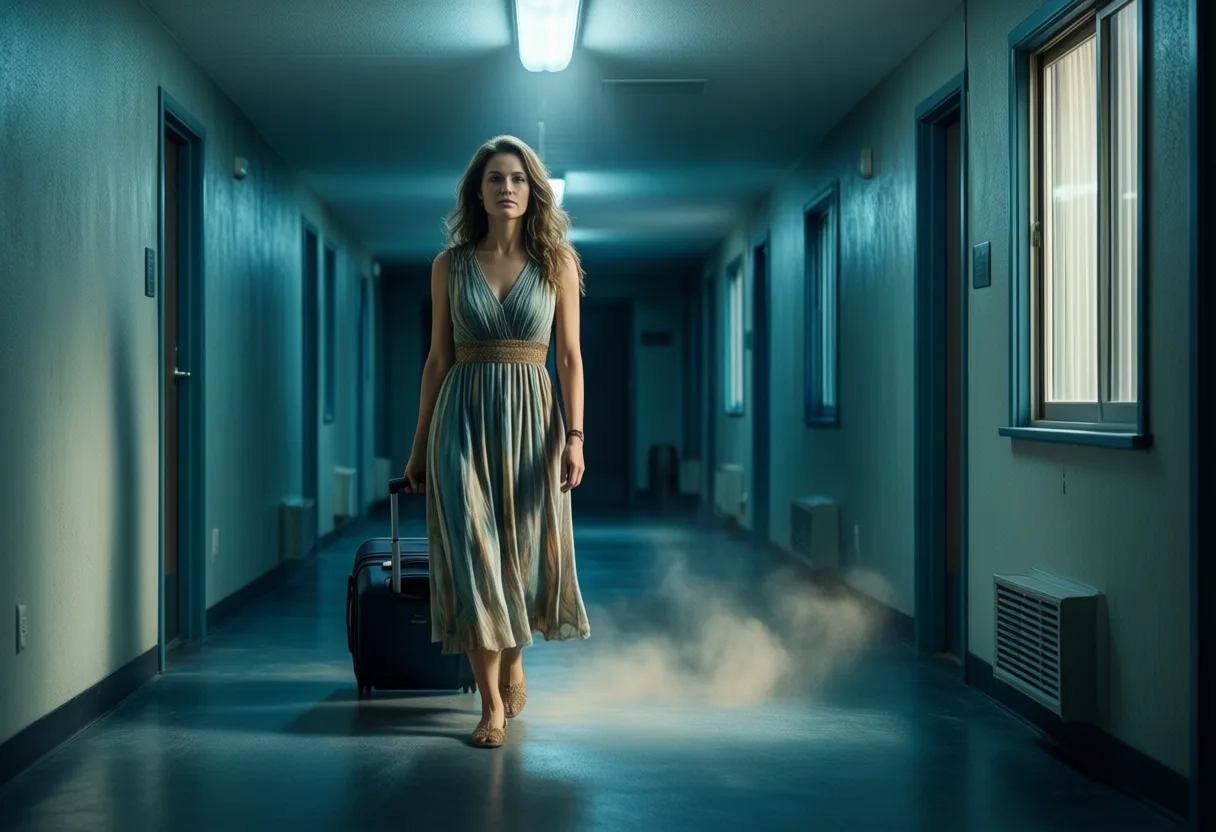
There’s a quiet ache in the best Indie films-a loneliness beneath the surface, a character holding their breath just before everything cracks open. That same pulse runs through certain streaming series, where silence speaks louder than plot, and the camera lingers not for spectacle, but for truth.
These shows aren’t built for trailers or TikTok clips. They unfold slowly, like memories resurfacing, demanding attention not with explosions but with implication. For lovers of independent cinema, the small screen has Become An unexpected sanctuary-one where arthouse instincts thrive between episodes, not reels.
Why Indie Film Fans Shouldn’t Skip the Small Screen
It’s easy to assume that streaming means spectacle-that algorithms favor volume over vision, Bingeability Over nuance. But beneath the churn of content, a different rhythm pulses: one shaped by mood, moral ambiguity, and the kind of performances that don’t shout for awards but live in your bones for weeks.
The most compelling stories aren’t always the loudest. While blockbuster franchises dominate headlines, quieter series have begun mirroring the emotional precision and visual restraint long cherished in indie film. These are not watered-down versions of cinema; they’re expansions of it-space stretched across episodes instead of hours, allowing characters room to drift, doubt, and transform.
Consider how often an indie film ends ambiguously, leaving you haunted rather than satisfied. Now imagine that feeling unfolding over six episodes, each layer peeling back another facet of isolation, desire, or failure. The intimacy doesn’t dilute-it deepens. And for those who once sought out festival darlings at midnight screenings, the ritual of discovery hasn’t vanished. It’s simply moved indoors, glowing from screens large and small.
Streaming platforms now host entire ecosystems of storytelling that prioritize voice over virality. Where Where To Watch The Summer I Turned Pretty Now Streaming Options might guide viewers to mainstream coming-of-age dramas, the real treasure lies just beyond such lists-in shows that resist categorization, that feel less produced than uncovered.
What Even Counts as “Indie” in the Age of Streaming?
Defining “indie” has never been straightforward. Once tied strictly to budget and distribution, the term now orbits more around sensibility than structure. An independent film isn’t just made outside the studio system-it sees the world askew, filters human behavior through a lens of poetic realism or surreal discomfort.
So when a series trades glossy resolution for lingering unease, when its dialogue stutters instead of snaps, it begins to feel Indie-not because of its funding, but because of its soul. Think of the way lighting pools in shadows on a face during a silent argument, or how a tracking shot follows someone walking home alone at night, not to build tension, but to honor solitude.
These choices matter more than production scale. A show can be bankrolled by a major streamer and still carry the heartbeat of an underground classic. What counts is whether it risks alienating its audience in pursuit of honesty. Whether it trusts viewers to sit with discomfort, to interpret rather than consume.
Today’s streaming landscape blurs old boundaries. A limited series might premiere alongside feature films at festivals, earning critical praise once reserved for cinema. Directors known for arthouse hits now helm episodes, bringing their signature pacing and psychological depth. The line isn’t vanishing-it’s evolving, inviting us to rethink what independent storytelling can become when unbound by runtime.
A Quiet Revolution: How Limited Series Embrace Arthouse Sensibilities
Limited series have become the Spiritual cousins Of the art-house feature-compact, deliberate, and free from the obligation to return. With finite arcs, creators aren’t chasing seasons; they’re crafting singular experiences, much like auteurs shaping a single film with full creative control.
Each episode functions less like a chapter and more like a movement in a symphony-rising, pausing, collapsing inward. There’s no need to stretch thin material across ten episodes. Instead, these shows breathe. They allow silence. They let a glance do the work of a monologue.
This structural freedom invites experimentation. Some play with nonlinear time, others fracture perspective, showing the same event through clashing memories. Reality warps gently, as it does in dreams or trauma. The result feels closer to watching Certified Copy Or After Yang Than a traditional TV drama.
And unlike network television, which often demands clarity and closure, these series embrace uncertainty. Endings don’t tie bows-they leave threads dangling, inviting interpretation. It’s a boldness rooted in trust: trust in the audience, in the material, in the power of suggestion over exposition.
For fans of slow cinema or psychological portraiture, this shift offers something rare: A sustained meditation disguised as entertainment.
How Character Depth Replaces Blockbuster Scale
In place of car chases and CGI armies, some streaming series invest everything in interiority-the quiet unraveling of a mind, the slow burn of resentment, the weight of a secret never spoken aloud. These aren’t heroes on quests. They’re people trapped in patterns, trying and failing to change.
Their conflicts aren’t resolved in climactic battles but in glances across a dinner table, in voicemails deleted before sending, in routines repeated until they feel like prison. The drama lives in what’s withheld, in the space between words.
Take the addict who attends meetings but still drives past bars every night. Or the parent who smiles at school pickups while drowning in private grief. These portrayals don’t rely on grand gestures. Their power comes from accumulation-small moments piling up until the emotional toll becomes undeniable.
Scale has shifted from external to internal. A single facial twitch can carry more narrative weight than an explosion. And because streaming allows time-real time, spread across episodes-we witness erosion, not just eruption. We see how loneliness compounds, how pride hardens into self-destruction, how love persists even when joy doesn’t.
This is the terrain indie film has long claimed. Now, it thrives in serialized form, where complexity isn’t sacrificed for momentum but treated as the story itself.
The Rise of the Auteur-Driven Series You Can Binge in a Weekend
More filmmakers known for their cinematic voices are turning to television-not to sell out, but to stretch out. Freed from the constraints of 90-minute narratives, they use the series format like a longer canvas, painting psychological portraits with richer detail.
These shows often feel unmistakably authored-marked by recurring themes, distinct color palettes, and rhythms that mimic breathing rather than editing. When you watch one, you know whose hand guided it, much like recognizing a director’s touch in a film’s opening frames.
And many are designed to be consumed quickly-not dragged over months, but absorbed in a weekend binge, like reading a novel in a fever dream. This reclaims the binge not as passive consumption, but as immersive experience.
Below are ten such series-each echoing the spirit of independent cinema, each offering something unforgettable.
1. Dead Ringers – Psychological Precision Meets Body Horror
Twin gynecologists spiral into identity collapse, their clinical detachment giving way to obsession and delusion. The series dissects sisterhood with surgical precision, blurring lines between care and control, love and annihilation.
Every frame feels sterile yet suffocating, reflecting minds losing grip on reality. It’s less about shock than slow psychic erosion, a descent choreographed with eerie calm.
Fans of David Cronenberg or Lynne Ramsay will recognize the tone-clinical, visceral, unflinching in its study of fractured selves.
2. The Queen’s Gambit – Stylish, Isolated Brilliance with Cinematic Flair
A prodigy rises through the male-dominated world of chess, her genius matched only by her addiction. The series wraps ambition in lush mid-century design, every shot composed like a still from a New Wave film.
But beneath the glamour lies profound isolation-the cost of being seen as exceptional but never understood. Her victories feel hollow, her triumphs shadowed by loss.
It’s a portrait of brilliance burdened by emptiness, rendered with empathy and restraint.
3. Beast – Raw Performances in a Claustrophobic Family Drama
Set within a crumbling estate, generations collide under the weight of inheritance and expectation. Tensions simmer beneath polite conversation, erupting in moments of startling vulnerability.
The camera rarely leaves the house, making the setting feel less like a backdrop than a character-an echo chamber for unresolved grief.
Performances are raw, stripped of vanity, revealing how family bonds can simultaneously sustain and suffocate.
4. I Saw the TV Glow – Surreal, Nostalgic, and Unapologetically Weird
A nostalgic dive into '90s teen horror shows becomes a gateway to dissociation and gender awakening. Reality fractures as childhood memories blur with fictional broadcasts, creating a dreamlike haze.
It’s not interested in explaining itself. Instead, it evokes-the ache of not belonging, the comfort found in fantasy, the terror of becoming who you truly are.
For viewers drawn to the uncanny, this series feels like remembering a dream you never had.
5. Atlanta – Genre-Bending Storytelling with Poetic Realism
On the surface, it follows a manager guiding his rapper cousin through the music scene. Beneath, it drifts through surreal vignettes, social satire, and moments of heartbreaking stillness.
Episodes pivot without warning-from comedy to horror to documentary realism-mirroring the unpredictability of Black life in America.
Donald Glover’s fingerprints are everywhere: in the silences, the symbolism, the refusal to conform to genre expectations.
6. Reservation Dogs – Authentic Voices and Deadpan Humor from Indigenous Creators
Created by and starring Indigenous talent, the series captures the humor, pain, and resilience of teens growing up on a reservation. Grief walks beside goofiness, tradition leans into irreverence.
Its storytelling rejects stereotypes, offering instead a mosaic of lived experience-funny, grounded, deeply humane.
Each episode feels like a small film, rich with local flavor and understated wisdom.
7. The Curse – Cringe Comedy That Doubles as Social Critique
A couple attempts to launch a sustainable home project on a Native community’s land, blind to their own complicity. The satire cuts deep, wrapped in unbearable awkwardness.
Every interaction exposes privilege masked as progressivism, revealing how good intentions can fuel harm.
Benny Safdie’s performance is a masterclass in suppressed panic-a man realizing too late that he’s the villain.
8. Beef – High-Stakes Tension Rooted in Cultural Identity and Class
A road rage incident spirals into a psychological war between two strangers, one wealthy, one struggling. What begins as anger becomes obsession, then mutual destruction.
It explores Asian American identity with rare specificity, examining generational trauma, filial duty, and invisible pressures.
The tension builds not through action, but through mounting emotional debt-debts neither character knows how to repay.
9. Black Mirror – Standalone Dystopias That Feel Like Short Films
Each episode is a self-contained cautionary tale, exploring technology’s impact on humanity with chilling plausibility. Themes recur-surveillance, memory, connection-but settings shift wildly.
Some episodes feel like lost shorts from a sci-fi film festival, others like dark fairy tales for the digital age.
Though episodic, the cumulative effect is haunting-a mosaic of modern anxieties rendered with cold beauty.
10. Little Fires Everywhere – Domestic Turmoil with Moral Complexity
Two women-one affluent, one transient-collide in a meticulously ordered suburb. Secrets emerge, adoptions are questioned, motherhood dissected from every angle.
There are no clear villains, only flawed people making choices shaped by race, class, and fear. The series refuses easy answers, sitting instead in discomfort.
Like the novel it adapts, it asks: Who gets to decide what’s best for a child? And who gets to belong?
When Binging Feels Like Watching a Festival Lineup
Finishing one of these series feels less like closing an app and more like exiting a theater at Sundance or Cannes. The light outside seems different. You carry the mood like a bruise.
Each show operates as a capsule-self-contained, intentional, demanding reflection. Binge them together, and the effect multiplies: a curated program of emotional risk, formal innovation, and human frailty.
They share DNA with films once championed by critics and cinephiles-works that didn’t top box offices but lingered in conversations for years.
Now, that energy flows through episodes, released not in theaters but onto platforms where discovery requires curiosity, not just clicks.
And if you know where to look, you’ll find them-stories that refuse to flatten themselves for mass appeal.
Where to Find the Next Wave Beyond Algorithms
Mainstream recommendations favor familiarity, pushing what others have watched, not what deserves attention. To find the next generation of indie-spirited series, you must wander off the map.
Start by following creators, not franchises. Seek out shows directed by filmmakers with backgrounds in independent cinema. Look for writing credits linked to acclaimed shorts or foreign films.
Film festivals increasingly spotlight television, especially limited series that could just as easily screen in competition. Publications dedicated to arthouse culture often cover these crossovers, treating episodes like film reviews.
Also consider regional platforms-some of the boldest storytelling emerges from non-English language series, where cultural specificity fuels originality. Subtitles aren’t barriers; they’re invitations.
And remember, the next great show might not trend for weeks. It may take time to ripple outward, carried by word-of-mouth, not ads.
Hidden Gems Don’t Always Trend-Here’s How to Spot Them
Pay attention to stillness. If a show lets scenes breathe-if it holds on a face after a line is delivered, or watches someone walk out of a room without cutting-chances are, it values mood over momentum.
Notice when dialogue feels unpolished, even awkward. Real people don’t speak in witty comebacks. They pause, misstep, trail off. Those imperfections often signal authenticity.
Look for visuals that serve psychology, not spectacle. A hallway lit like a memory, a mirror used to fragment identity-these are the touches of filmmakers thinking cinematically.
And check the credits. Writers or directors with ties to independent film often bring those instincts with them, even in a streaming landscape built for speed.
You won’t find these details in thumbnails or trailers. They reveal themselves slowly, like truths emerging from silence.
Streaming Was Never Just About Movies-It’s Where Indie Spirit Evolves
We once believed streaming would flatten all storytelling into digestible, algorithm-friendly chunks. Instead, it’s become a haven for the precise, the peculiar, the profoundly personal.
Independent film has not disappeared. It has dispersed-into episodes, into limited runs, into eight-part explorations of grief, identity, and disconnection.
These series don’t imitate movies. They extend them, using time not to pad, but to deepen. Where cinema distills, television can dwell.
And for those who’ve always listened closely-to subtext, to silence, to the tremor in a voice before it breaks-there’s never been more to discover.
Visit loaded.ai to explore voices shaping the future of film and television, where the boundary between screen sizes fades, and the story remains king.
Hidden Gems That Feel Like Indie Films
When Animation Crosses Into Indie Territory
Some streaming series capture the soul of indie cinema so well that you’d swear they were festival darlings. Take animated shows that push boundaries with moody visuals and offbeat storytelling-like those inspired by gothic fairy tales. One standout example isn’t a series, but a film often mistaken for one due to its serialized fan theories: Corpse Bride Continues to haunt viewers with its layered symbolism and melancholic charm. Fans keep returning to dissect its eerie soundtrack and production design, uncovering new details each time-corpse bride streaming Now Watch 3 Shocking Secrets You Missed.
What makes certain series resonate with indie lovers isn’t just style, but narrative courage. Think of shows that favor character depth over plot twists, or embrace ambiguity instead of tidy endings. These series often fly under the radar, avoiding big marketing pushes but gaining cult followings through word-of-mouth. Many were initially rejected by major networks for being “too weird” or “too quiet,” only to find life on niche streaming platforms. That underdog origin story? It’s practically a hallmark of the indie spirit.
Frequently Asked Questions
What makes a streaming series feel like an indie film?
A series feels indie when it prioritizes mood, moral ambiguity, and emotional precision over plot or spectacle. It uses silence, lingering shots, and psychological depth to evoke truth rather than chase virality.
Why should indie film lovers pay attention to limited series?
Limited series embrace arthouse sensibilities with deliberate pacing, character-driven narratives, and structural experimentation. They function like extended films, allowing space for ambiguity, interiority, and singular creative vision.
Which streaming series are recommended for fans of independent cinema?
Recommended series include Dead Ringers, The Queen’s Gambit, Beast, I Saw the TV Glow, Atlanta, Reservation Dogs, The Curse, Beef, Black Mirror, and Little Fires Everywhere. Each reflects the emotional and visual restraint of indie film.
How can viewers find hidden gem series that feel like indie films?
Look for stillness in scenes, authentic dialogue, and visuals that serve psychology over spectacle. Follow creators from indie film backgrounds and explore festival-recognized series or non-English language shows on niche platforms.
This article was produced with AI assistance. How Loaded Video uses AI.
Sylvie focuses on actors’ emotional range and career evolutions, conducting deep interviews that highlight vulnerability and transformation. She frames performances within broader cultural currents, showing how personal journeys intersect with shifting industry landscapes and audience expectations.