
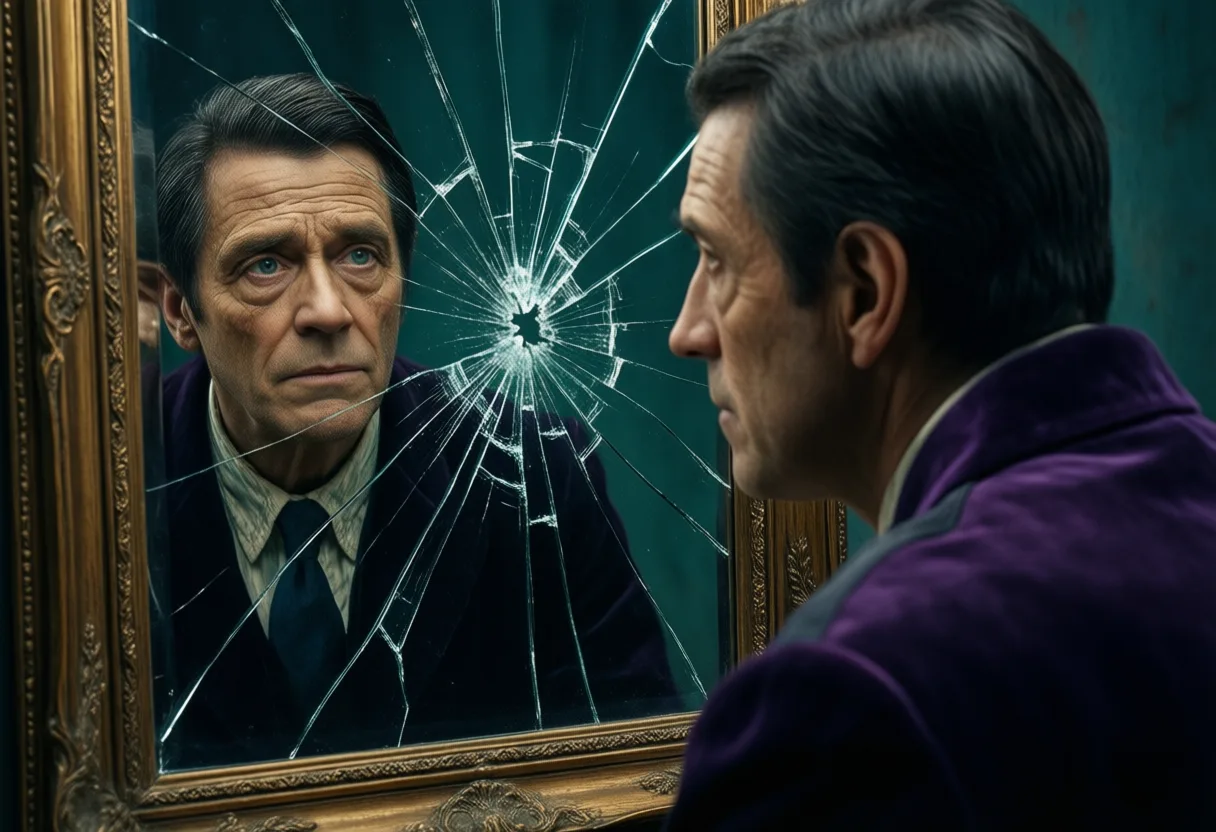
There’s a quiet moment, just after the Camera Stops rolling, when an actor exhales-something shifts. The performance dissolves, and for a breath, you see not the character, but the person beneath. It’s in that fragile space between fiction and truth that the best interviews are born.
Most conversations with Actors Never reach that depth. They skim the surface-plot points, preparation, praise-while the real story lingers just out of frame. To draw it out requires more than curiosity. It demands patience, precision, and a kind of emotional choreography.
This is not about extracting secrets. It’s about creating conditions where Honesty Feels safe. Where the rehearsed lines fall away, and something real can step forward.
What Most Interviewers Miss About On-Screen Authenticity
On-screen authenticity isn’t just about truth in performance-it’s about truth in reflection. Many interviewers assume that asking about a role means discussing motivation, backstory, or technique. But What gets overlooked is the emotional residue-the parts of a performance that linger long after filming ends.
Actors Often speak in metaphors when describing their process. They talk about “carrying” a character, “letting go,” or “wearing” someone else’s skin. These aren’t just poetic flourishes. They’re clues to the psychological weight of embodiment. When we ignore these cues, we miss the opportunity to explore what really shaped the work.
Too often, the focus remains on the visible-the accent, the costume, the physical transformation. But the most compelling performances are built on invisible architecture: grief, longing, restraint. To uncover that, the questions must go deeper than the script.
Why Surface-Level Questions Fail in Actor Conversations
“Was this role challenging?”
“What did you enjoy most about playing this character?”
“How did you prepare?”
These questions are well-intentioned, but they’re predictable. They invite predictable answers-polished, safe, and rehearsed. Actors, trained in self-presentation, know how to respond without revealing anything new.
When questions stay on the periphery, so do the answers. The actor remains in performance mode, even off-camera. They’ll describe their process with clarity, perhaps even charm, but the conversation never cracks open.
Authenticity doesn’t live in the broad strokes. It hides in the contradictions, the doubts, the moments of uncertainty. To reach it, you must ask not what they did, but how it changed them. Not what they learned, but what they lost.
The First Question That Changes the Tone
Start not with the role, but with the moment before it began.
Instead of “What drew you to this project?” Try:
“What were you holding onto when you first read the script?”
This question bypasses career strategy and lands in the personal. It asks not for intention, but for emotional context. It acknowledges that every role arrives at a specific time in a person’s life-and that timing matters.
Some actors pause. Some exhale. Some laugh, surprised. That’s the point. It’s not a question they’ve been asked before, and it doesn’t invite a soundbite. It invites memory.
The answer might be grief, a recent loss, a shift in perspective, or simply exhaustion. Whatever it is, it grounds the conversation in truth-not the myth of the artist, but the reality of the person.
How to Bypass Rehearsed Answers with One Follow-Up
When an actor gives a polished response-about research, discipline, or inspiration-don’t let it settle. Gently press:
“And what part of that didn’t go as planned?”
This isn’t about catching them off guard. It’s about Inviting imperfection. Every process has stumbles. Every performance has moments that didn’t land. Acknowledging that creates space for honesty.
Rehearsed answers are armor. They protect the actor from vulnerability. But that same vulnerability is where connection lives. A single follow-up, asked with quiet sincerity, can dismantle the armor.
It’s not about exposing weakness. It’s about honoring the struggle. And in that acknowledgment, the conversation shifts from promotion to revelation.
When Silence Works Better Than a New Prompt
After a difficult question, some actors hesitate. They look down. They sip water. They stare out the window.
Most interviewers rush to fill the silence. They rephrase. They apologize. They move on.
But silence, held with respect, is one of the most powerful tools in an interviewer’s arsenal. It doesn’t demand. It waits.
In that pause, something real can rise. A memory. A feeling. A truth that wasn’t ready a moment ago.
Letting silence breathe tells the actor: I’m not in a hurry. I’m here for what you need to say, not what I expect to hear.

Questions That Invite Backstory Without Invading Privacy
You don’t need to ask about childhood trauma to understand depth. You don’t need to know their past to honor their journey.
Instead, ask:
“Was there a moment in your life that made this role feel inevitable?”
Or: “When did you first recognize this part of yourself in the character?”
These questions acknowledge history without demanding confession. They allow the actor to choose what to share-and how.
The best responses often come from metaphor, not memoir. An actor might speak of weather, seasons, or old photographs. That’s not evasion. It’s translation.
Respecting boundaries doesn’t mean avoiding depth. It means trusting the actor to lead you there in their own way.
The Role of Character Immersion in Honest Dialogue
Immersion isn’t just a method-it’s a kind of surrender. Actors don’t just study characters; they let them live inside for a time. That process changes them, subtly or profoundly.
Ask not just how they prepared, but:
“What did you have to give up to let this character in?”
Some will speak of sleep, of relationships, of habits. Others will describe a shift in how they saw the world. One actor once said they stopped recognizing their own reflection.
This question doesn’t demand method acting as proof of seriousness. It honors the cost of commitment, whatever form it takes.
And in that acknowledgment, the actor feels seen-not as a performer, but as someone who made a choice to feel deeply, on purpose.
Finding Truth in Career Pivots, Not Just Blockbusters
Blockbuster roles get the spotlight. But often, the most revealing moments come in transition.
Ask about the roles that didn’t work. The ones that were passed on. The projects that fell apart.
“What role did you almost play-and what stayed with you from that near-miss?”
Or: “When did you realize you needed to change direction?”
These questions don’t measure success by box office. They measure it by evolution.
An actor’s pivot often comes after a moment of clarity-when they saw themselves too clearly in a rejected script, or felt hollow after a triumph. That’s where the truth lives.

How Emotional Transitions Fuel Real Responses
Every role moves through emotional phases: attraction, resistance, surrender, release. The end of a project can feel like a breakup, a loss, or a liberation.
Ask:
“What did you feel when you said goodbye to this character?”
Or: “What part of them did you wish you could keep?”
Grief, surprisingly, comes up often. Not just for the role, but for the version of themselves they became.
Some actors report feeling lighter. Others say they wandered for weeks, untethered. One described it as “leaving a house where all the rooms were lit.”
These transitions are rarely discussed in press tours. But they’re central to the work.
What Actors Reveal When Asked About Failure
Failure is rarely a single moment. It’s a shadow that follows. But when asked with care, it becomes a source of clarity.
Try:
“What performance do you look back on and realize you didn’t understand at the time?”
Or: “When did you feel most disconnected from your work-and what pulled you back?”
The answers are never about bad reviews or box office. They’re about disconnection-from the character, from the process, from themselves.
In those moments of doubt, actors often find their next direction. Failure, when framed as inquiry rather than judgment, becomes a compass.
The Last Question That Always Lands Differently
At the end of every interview, ask this:
“If this character could speak to you now, what do you think they’d say?”
It’s not a literal question. It’s an invitation to reflection.
Some actors smile. Some pause. Some look startled, as if the idea hadn’t occurred to them.
The answers vary wildly. A character might thank them. Warn them. Apologize. Forgive.
But always, in that moment, the boundary between fiction and self blurs. And for the first time, you see not the actor, not the role-but the space where both meet.
That’s where authenticity lives. Not in the performance, not in the past, but in the quiet after.
Behind the Mic: What Really Happens in Actor Interviews
The Improv Edge
Actors often treat interview questions like improv exercises-especially when caught off guard. Instead of sticking to polished answers, many use the moment to react honestly, sometimes revealing unexpected stories or quirks. This spontaneity is why some of the best interview moments feel unscripted, even when the actor’s been asked similar questions dozens of times. The mental shift from performance to conversation keeps things fresh, both for them and the audience.
The Question That Backfires
One of the most common actor interview questions-"What was it like working with co-star?"-can actually be a minefield. While it seems safe, it forces actors to publicly assess personal dynamics, sometimes leading to awkward pauses or overly diplomatic answers. Savvy interviewers know this and often reframe it: asking about a specific scene instead of general chemistry can spark more authentic responses. It’s not about dodging the topic-it’s about finding a doorway into real insight without putting someone on the spot.
When Silence Speaks Volumes
Pauses matter. Many actors use a brief silence after a question to collect their thoughts, not to manufacture an answer. Respecting that quiet moment-instead of rushing to fill it-often leads to more thoughtful, revealing replies. Some of the most memorable interview quotes came after a few seconds of stillness, showing that authenticity isn’t always fast. It just needs space to breathe. Explore more stories, videos, and creators on Loaded.
Frequently Asked Questions
What question can help start an actor interview on a deeper level?
Ask, 'What were you holding onto when you first read the script?' This question focuses on emotional context rather than career intentions and often reveals personal truths.
How can interviewers avoid rehearsed answers from actors?
Follow up polished responses with, 'And what part of that didn’t go as planned?' This invites honesty by acknowledging imperfection and normalizing struggle.
Why is silence important in actor interviews?
Holding silence after a difficult question allows space for genuine thoughts and emotions to surface. It shows the interviewer is present and not rushing for a response.
What final question can reveal authentic reflection from an actor?
Ask, 'If this character could speak to you now, what do you think they’d say?' This blurs fiction and self, often leading to profound insights.
This article was produced with AI assistance. How Loaded Video uses AI.
Sylvie focuses on actors’ emotional range and career evolutions, conducting deep interviews that highlight vulnerability and transformation. She frames performances within broader cultural currents, showing how personal journeys intersect with shifting industry landscapes and audience expectations.