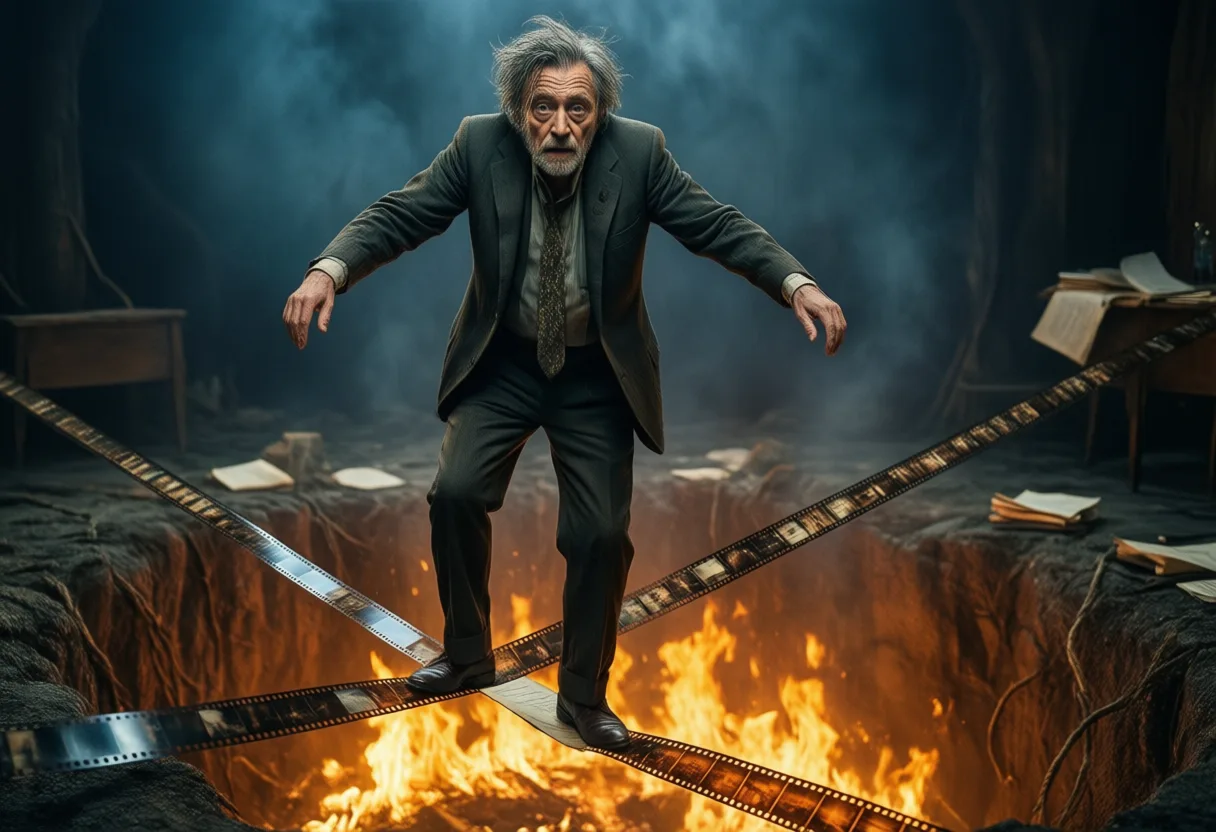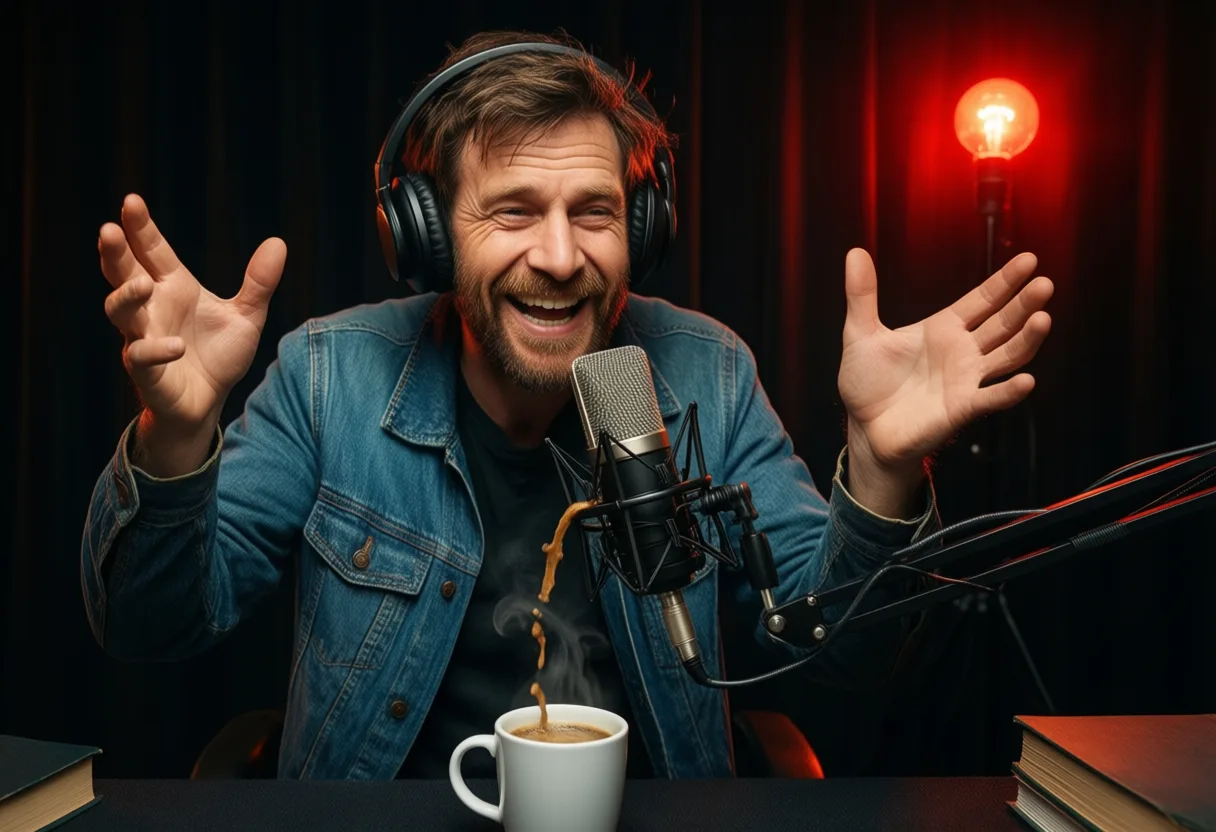
In the dim glow of a home studio microphone or the hushed intimacy of a rented podcast booth, something quiet but powerful is unfolding. Actors From independent films-often unseen at premieres, unheard in awards chatter-are speaking. Their voices, unfiltered and unpolished, carry the weight of years spent in rehearsal rooms, on cross-country shoots, and in the fragile space between audition and acceptance. These conversations aren’t just promotional stops-they’re confessions, reckonings, and sometimes, quiet acts of reclamation.
For audiences hungry for authenticity and creators seeking connection, these moments offer more than behind-the-scenes trivia. They reveal the Emotional architecture Behind performances that might otherwise vanish into the noise. At Loaded, where independent storytelling takes center stage, these dialogues are not just content-they are context. They deepen our understanding of the art, the artist, and the unseen labor behind every frame.
Why Indie Actors Are Opening Up Like Never Before
There’s a shift happening in how performers choose to share their journeys. No longer confined to press junkets or red carpet soundbites, many are stepping into podcast studios with a different intention-not just to promote, but to Be seen In full dimension. The rise of long-form audio conversations has created a sanctuary where silence is allowed, pauses respected, and vulnerability not edited out.
Indie actors, often working with limited budgets and little studio oversight, have always worn multiple hats. But now, they’re also curating their narratives. Without the machinery of major publicity teams dictating tone, they speak in their own rhythm-sometimes hesitant, sometimes fierce. These exchanges peel back the armor of performance to expose the person beneath, not as a brand, but as a human shaped by doubt, discipline, and desire.
The absence of visual distraction in podcast formats plays a crucial role. Listeners aren’t watching for a smile or a glance; they’re leaning in, ear to speaker, attuned to breath and inflection. This intimacy fosters honesty. When an actor admits they didn’t understand their character until the final scene, or confesses to crying in the makeup chair before a take, it lands with quiet gravity.
- The lack of time constraints allows for nonlinear storytelling
- Mistakes and missteps are shared as part of growth, not hidden
- Listeners feel like confidants, not consumers
This isn’t about oversharing-it’s about Reclaiming narrative control In an industry where actors are often reduced to their latest role or viral moment. In these podcasts, they define themselves.
What Podcast Conversations Reveal About the Creative Process
Behind every performance lies a labyrinth of choices-some deliberate, others instinctual. In traditional interviews, these nuances are often flattened into soundbites: “I drew from personal experience” or “I worked closely with the director.” But in extended audio dialogues, the Texture of creation Emerges in unexpected ways.
One actor describes how a single line of dialogue haunted them for weeks, reshaping their entire approach to the character. Another speaks of improvising a gesture-a hand brushing a windowsill-that later became a thematic anchor in the film. These aren’t trivia; they’re blueprints. They show how meaning is built not in grand declarations, but in the quiet accumulation of detail.
The creative process, as revealed in these talks, is rarely linear. It loops, stalls, and surprises. Some actors admit they didn’t connect with their role until halfway through filming; others realize the truth of their character only in hindsight, during a podcast conversation months later. This Delayed understanding Is not failure-it’s proof of art’s lingering resonance.
- Preparation often includes rituals unseen by cameras: journaling, music playlists, silent walks
- Emotional breakthroughs sometimes happen off-set, in conversations with crew or strangers
- Many describe a “release” after finishing a role, as if returning from a long journey
These revelations do more than illuminate a single performance. They remind us that acting is not mimicry, but Empathic excavation-a sustained act of listening, imagining, and becoming.
The Rise of the Intimate On-Air Interview
Gone are the days when actor interviews followed a rigid template: five minutes, three questions, one memorable quote. Today’s most compelling exchanges unfold over forty minutes or more, unspooling like late-night talks between friends who happen to be dissecting the anatomy of grief, identity, or love.
Podcast hosts, often filmmakers or critics themselves, approach these conversations with a different kind of curiosity-one rooted in craft rather than celebrity. Questions dig into rehearsal methods, script annotations, or the emotional toll of playing someone fractured. The result is less performance, more Shared inquiry.
This format allows actors to speak not just about What They did, but Why-and sometimes, Whether it worked. There’s space to admit uncertainty, to say, “I’m still figuring that out.” That honesty transforms the listener’s relationship to the film. It’s no longer just something to watch, but something to Witness and feel alongside.
How Vulnerability Became a Strength in Actor Storytelling
For years, vulnerability on screen was celebrated-but off screen, actors were expected to be polished, poised, impenetrable. Now, that boundary is dissolving. In podcast conversations, many speak openly about anxiety, rejection, and the loneliness of life on set. These admissions aren’t weaknesses-they’re Testaments to resilience.
One performer recalls breaking down after a particularly grueling scene, only to be held by a crew member in the hallway. Another describes calling their therapist from a hotel room in another country, too overwhelmed to continue. These moments, once hidden, are now shared not for pity, but for Solidarity.
Vulnerability, when met with empathy, becomes a bridge. It reminds other artists they’re not alone. It tells aspiring actors that struggle isn’t a sign you don’t belong-it’s often proof that you’re In the right place. And for Audiences, it deepens the emotional contract between viewer and performer.
- Admitting fear doesn’t diminish talent-it humanizes it
- Sharing mental health challenges helps normalize care in high-pressure environments
- Emotional honesty can be as courageous as any physical stunt
The strength in these stories isn’t in the triumph, but in the telling.
When Preparation Meets Spontaneity: Moments That Resonate
Preparation is the bedrock of performance-script analysis, dialect coaching, physical training. But in podcast discussions, actors often highlight moments when all that groundwork gave way to something Unplanned and electric.
A glance that lingered too long. A line delivered softer than intended. A tear that came not during the scene, but in the silence after. These unplanned moments, when recounted in interviews, carry a kind of reverence. They’re the ones the actor still thinks about, months later.
It’s in these stories that we see how Spontaneity is not the enemy of preparation, but its reward. The hours of rehearsal create the safety net that allows risk. And when something unexpected happens-when a performance breathes on its own-the actor often describes it as a gift.
- Some of the most powerful scenes were one-take wonders
- Directors sometimes keep the “mistake” take because it feels more true
- Actors learn to trust the moment, not just the plan
These anecdotes don’t just entertain-they teach. They show that art isn’t about perfection, but presence.
What It’s Really Like to Promote a Passion Project
Promoting a major studio film comes with a machine: trailers, billboards, global press tours. But for indie actors, promotion is often a solo act-driving to radio stations, recording podcasts from a closet, hoping someone will listen.
These promotional efforts are more than marketing-they’re Acts of devotion. When an actor spends hours talking about a film with a micro-budget and no distributor, they’re not just selling a product. They’re advocating for a piece of art they believe in, often with no guarantee of return.
In these conversations, you hear the weight of that commitment. They remember the names of the cinematographer, the caterer, the local shop owner who let them shoot in their garage. They speak of the film not as a credit, but as a Shared dream.
- Many describe promotion as a second phase of creation
- Revisiting the film in interviews helps them process its meaning
- They often feel responsible for getting the story seen
It’s a labor of love that rarely makes headlines-but it’s where the heart of independent cinema beats.
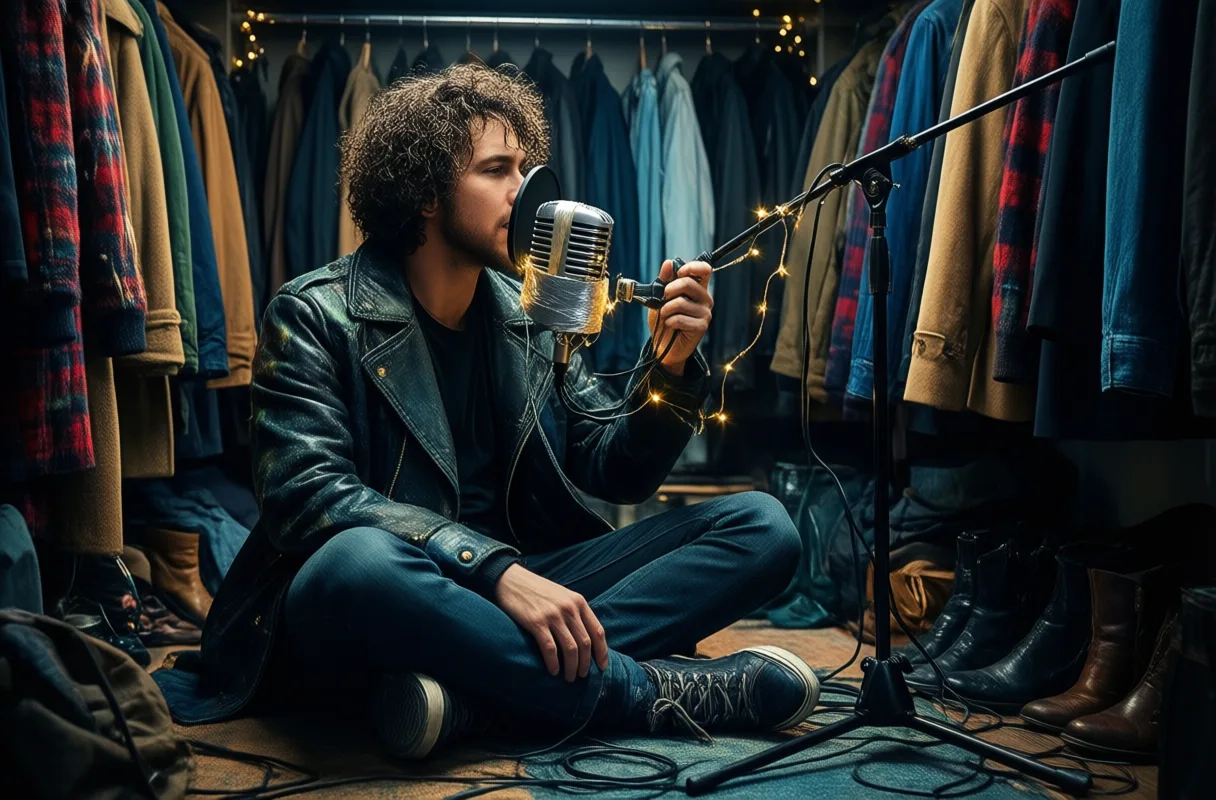
A New Platform for Underseen Performances
For every breakout indie performance that garners awards attention, dozens more slip through the cracks-brilliant work buried by lack of distribution or visibility. But podcast interviews are becoming an unexpected lifeline.
When an actor speaks passionately about a role in a film few have seen, they reignite interest. A single compelling story-a description of a challenging scene, a reflection on a character’s inner life-can send listeners searching for the film. These conversations Extend a film’s life beyond its release window.
At Loaded, we’ve seen how a deeply felt interview can draw attention to a performance that might have otherwise been overlooked. It’s not about virality-it’s about Resonance. A voice in the dark, speaking truthfully, can still find its audience.
- Listeners often discover films through actor anecdotes, not algorithms
- Word-of-mouth grows from emotional connection, not marketing
- These talks preserve the legacy of films that might fade otherwise
In a world obsessed with metrics, this quiet form of impact matters.
Breaking the Fourth Wall: Actors and Audience Connection
Traditionally, the relationship between actor and audience was mediated-by screens, by studios, by time. But in podcast interviews, that distance collapses. The listener isn’t watching; they’re Being spoken to.
This direct line fosters a sense of closeness. When an actor says, “I didn’t know if I could do this role,” or “This character changed me,” it feels personal. There’s no filter, no spin. The listener becomes a witness to transformation.
This connection is especially powerful for indie actors, whose work often explores marginalized experiences. When they speak openly about identity, trauma, or joy, they’re not just promoting a film-they’re Inviting understanding.
- Listeners report feeling “seen” when actors share similar struggles
- Fans write to actors after hearing interviews, sharing their own stories
- The line between performer and audience blurs in meaningful ways
It’s a new kind of intimacy-one built not on fame, but on Shared humanity.
Beyond the Script: Personal Journeys Behind the Roles
Every role is a mirror. Even in fiction, actors draw from lived experience-grief, love, fear, survival. In podcast interviews, these personal threads are often woven into the conversation, not as confession, but as Context.
An actor playing a recovering addict might speak of their sibling’s journey. One portraying a refugee might share their family’s immigration story. These aren’t diversions from the topic-they’re the foundation of the performance.
By sharing these layers, actors remind us that art is never made in a vacuum. It’s shaped by history, memory, and the quiet, persistent pull of the past. And when they speak of how a role helped them heal, or confront something long buried, the interview becomes more than discussion-it becomes Testimony.
- Many say playing certain roles helped them process personal trauma
- Some discover new truths about themselves through the character
- The line between fiction and self often blurs in unexpected ways
These stories don’t just enrich our view of the film-they deepen our understanding of the artist.
Why These Dialogues Matter in Today’s Film Landscape
In an era of algorithm-driven content and fleeting attention spans, long-form actor conversations are a quiet rebellion. They ask us to slow down, to listen, to sit with complexity. And in doing so, they restore something essential to film culture: Depth.
For indie cinema, which thrives on nuance and emotional truth, these dialogues are not supplementary-they are Integral. They provide the context that streaming platforms often strip away. They remind us that behind every character is a person who lived, dreamed, and struggled to bring that story to life.
At Loaded, we believe that how a story is told off-screen matters as much as how it’s told on. These podcasts don’t just promote films-they Preserve the soul of independent filmmaking.
- They counteract the commodification of art by focusing on meaning
- They elevate voices that are often marginalized in mainstream media
- They create space for reflection in a culture that values speed
In a world that often reduces art to content, these conversations insist on its weight.
The Lasting Impact of Honest, Unscripted Talk
Long after a film fades from theaters or disappears from streaming queues, the stories told in podcast interviews remain. They become part of the film’s legacy-not as reviews or ratings, but as Emotional archives.
An actor’s reflection on a role can shape how future audiences interpret it. A candid admission about doubt or fear can inspire a young performer years later. These moments, captured in voice, become part of the cultural memory of cinema.
And perhaps most importantly, they remind us that storytelling is not a one-way act. It’s a conversation-one that continues long after the credits roll.
At Loaded, we’re listening. And we invite you to do the same.
Behind the Mic: What Actor Interview Podcasts Reveal
The Rise of the Intimate Conversation
Actor Interview Podcasts have quietly become go-to spaces for raw, unfiltered stories from indie film sets. Unlike polished red carpet press tours, these shows often capture stars in a more relaxed state, sipping coffee or calling in from tour stops, letting personal anecdotes slip out between questions. Fans get to hear about on-set mishaps, like forgotten lines turning into inside jokes or improvisations that made the final cut-details rarely shared in traditional media.
Hidden Gems from the Underground Scene
Some of the most revealing moments come from actors discussing their first indie roles, often filmed on shoestring budgets and tight schedules. It’s not unusual to hear about cast members doubling as crew, shooting in borrowed locations, or using personal belongings as props. These behind-the-scenes tidbits highlight the scrappy creativity that fuels independent cinema and deepen appreciation for performances shaped by constraints rather than studio demands.
Why Listeners Keep Coming Back
The appeal isn’t just about celebrity-it’s about connection. Long-form interviews let actors reflect on their craft, sometimes unpacking choices they didn’t even realize they made until prompted. Listeners often walk away with a new favorite film or a fresh take on a familiar performance, all sparked by a 45-minute chat that feels more like eavesdropping on a backstage conversation than a formal Q&A.
Frequently Asked Questions
Why are indie actors choosing podcast interviews to share their stories?
Indie actors are using podcast interviews to speak in their own rhythm without studio oversight. The format allows for vulnerability, honesty, and narrative control, helping them be seen as full individuals beyond their roles.
What do actor podcast interviews reveal about the creative process?
These conversations show that the creative process is nonlinear, often involving delayed understanding of characters. Actors share how small details, emotional breakthroughs, and off-set moments shape their performances in unexpected ways.
How does vulnerability in podcast interviews impact audiences and other artists?
Vulnerability fosters solidarity among artists and deepens the connection with audiences. Sharing struggles with anxiety, rejection, or loneliness humanizes performers and normalizes emotional honesty in high-pressure environments.
Can podcast interviews help overlooked indie films gain attention?
Yes, passionate discussions about underseen films can reignite interest and drive listeners to seek out the work. These talks serve as emotional word-of-mouth that extends a film’s life beyond its release window.
This article was produced with AI assistance. How Loaded Video uses AI.
Sylvie focuses on actors’ emotional range and career evolutions, conducting deep interviews that highlight vulnerability and transformation. She frames performances within broader cultural currents, showing how personal journeys intersect with shifting industry landscapes and audience expectations.