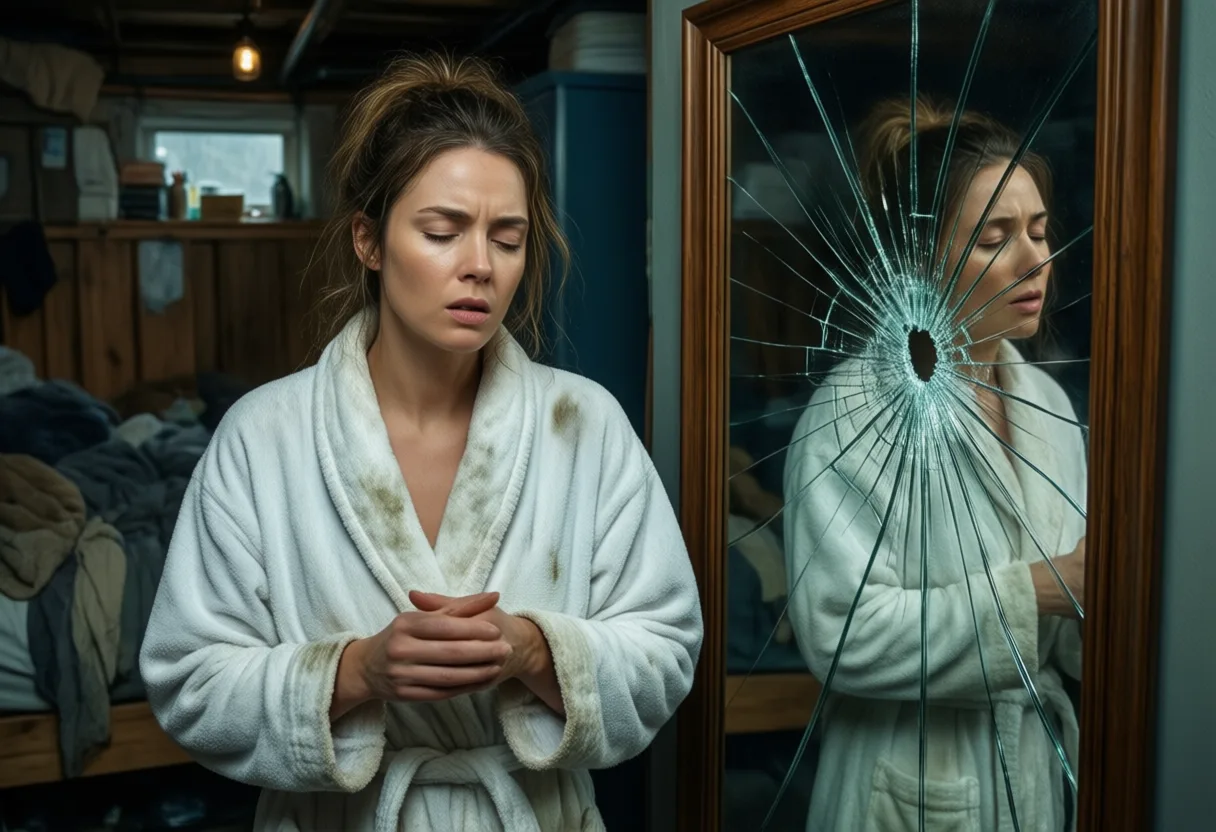
In the flickering half-light of a basement apartment in Queens, a woman rehearses lines on loop, her voice bouncing off cinderblock walls. There’s no makeup trailer, no script supervisor with a clipboard-just a phone timer and the weight of a scene that needs to feel true. This is where some of the most Unforgettable performances Of our time begin: not on sprawling soundstages, but in the quiet urgency of independent film.
Why Indie Film Performances Feel So Raw
The Thin Line Between Actor and Character in Low-Budget Cinema
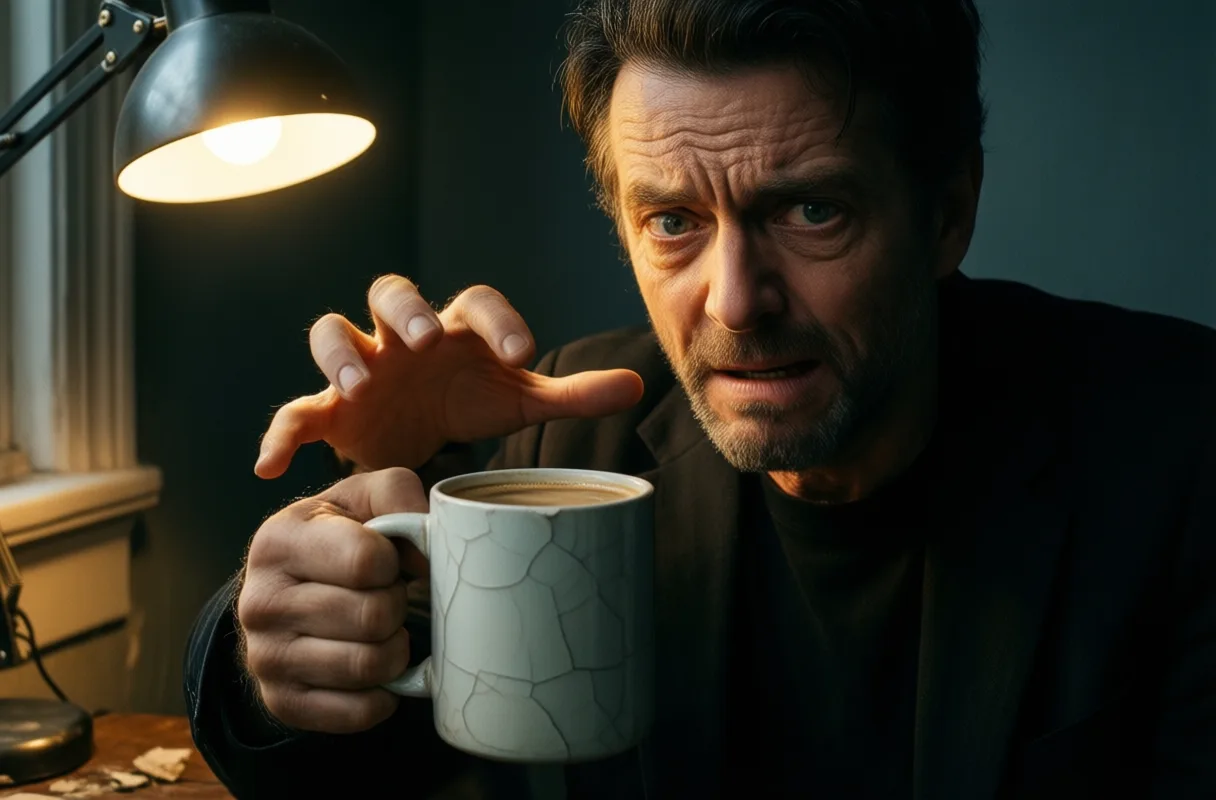
There’s a moment in many indie films when the fourth wall doesn’t break-but breathes. It’s not a shout or a dramatic reveal, but a glance, a hesitation, a hand trembling just slightly too long on a coffee cup. These performances feel raw because they often emerge from a space where The boundary Between actor And character blurs, not by design, but by necessity.
Without the buffer of a large crew or endless retakes, Actors step Into roles with fewer safety nets. The intimacy of low-budget sets means there’s nowhere to hide. A single camera inches close, catching not just the line, but the breath before it-the doubt, the fatigue, the flicker of real memory. In these moments, performance isn’t layered on; it’s unearthed.
Many Actors speak Of living near their characters, sometimes in the same neighborhoods, wearing their clothes, adopting their rhythms. When budget constraints mean shooting in real homes or public transit, the environment seeps into the performance. A crowded subway isn’t simulated-it’s endured, and that endurance becomes part of the story.
How Much of the Role Was Improvised?
Improvisation in indie cinema isn’t just a stylistic choice-it’s often a survival tactic. With scripts still evolving and schedules collapsing under logistical strain, Actors learn To Listen, respond, and invent in real time. The result? Dialogue that doesn’t sound written, but overheard.
Some scenes gain their power precisely because they weren’t rehearsed. A confrontation in a kitchen, a confession on a fire escape-these moments unfold with the awkward pauses and false starts of real life. Directors may guide the emotional arc, but leave the words to the actors, trusting their instincts to find truth in the silence between lines.
- One actor recalled delivering a monologue not from the script, but from a journal entry they’d written in character.
- Another described a pivotal argument that emerged after the director whispered only, “Tell them you’re leaving. Don’t let them talk.”
- In one film, an entire dinner scene was shot in a single take, with no prior discussion of dialogue.
These aren’t stunts. They’re born from trust-and from the understanding that sometimes, the best performance is the one you didn’t plan.
What Drives Performances When the Paycheck Isn’t Big
The Appeal of Story Over Salary in Independent Roles
Money doesn’t fuel every performance. In the world of Independent film, many actors step onto sets knowing they’ll earn less than a barista. Yet they come-sometimes turning down commercial work, sometimes paying their own way. The story is the salary.
There’s a quiet reverence for material that challenges, unsettles, or reveals something hidden. These roles offer complexity often absent in mainstream casting-characters with contradictions, flaws, and silences that speak louder than dialogue. For many actors, that depth is rare and magnetic.
The freedom to explore, to fail, to try again without studio notes or algorithmic pressure-that’s the currency here. An indie role might not pay much, but it can offer something rarer: The chance to be seen, not sold.
When Fame Isn’t the Goal-What Is?
Fame is a distant echo on most indie sets. There’s no red carpet waiting, no viral premiere countdown. And for many, that’s a relief. The goal isn’t visibility-it’s Authenticity, connection, legacy.
Some actors speak of making films they’d want their younger selves to see-stories about identity, loss, resilience, or quiet rebellion. Others are drawn to voices long excluded from mainstream cinema: queer narratives, immigrant experiences, rural lives rendered with dignity. These films don’t chase trends; they Plant seeds.
And sometimes, the reward isn’t applause, but a letter. A viewer who says, I felt less alone. A festival programmer who calls it “the most honest performance I’ve seen all year.” These moments, small and unrecorded, often mean more than box office numbers ever could.
Preparing for a Role Without a Studio Machine Behind You
Research, Rehearsal, and Resourcefulness on a Microbudget
On a studio lot, research means access: consultants, archives, trainers, dialect coaches. On an indie set, it means libraries, YouTube videos, and late-night phone calls to strangers who’ve lived the life of the character. Preparation becomes an act of Scrappy devotion.
Actors dig through public forums, watch documentaries on loop, or spend days riding buses to absorb the rhythm of a city. One performer learned sign language from a community center pamphlet; another spent weeks volunteering at a shelter to understand their character’s trauma. There’s no department to outsource to-just the actor, the script, and the hunger to get it right.
Rehearsal happens in living rooms, parks, or over video calls. With no soundstage to block scenes, actors map out movements on linoleum floors, using tape to mark doors that don’t exist. The work is humble, invisible, and utterly essential.
Finding Truth in Limited Takes and Tight Schedules
Time is the rarest resource on an indie shoot. A scene that might get twenty takes on a studio film may get two-or one. There’s no luxury of “let’s try it again tomorrow.” The pressure is real, but so is the clarity it brings.
In that urgency, something unexpected happens: hesitation falls away. Actors can’t overthink. They must step into the moment fully, trusting their preparation and each other. The result? Performances that feel immediate, almost accidental in their power.
Many actors describe these single-take scenes as the most alive they’ve ever felt on camera. There’s no safety net-but also no artifice. Just the truth of now, captured before it slips away.
The Most Unexpected Challenges of Shooting Indie
Weather, Schedules, and One-Room Apartments as Sets
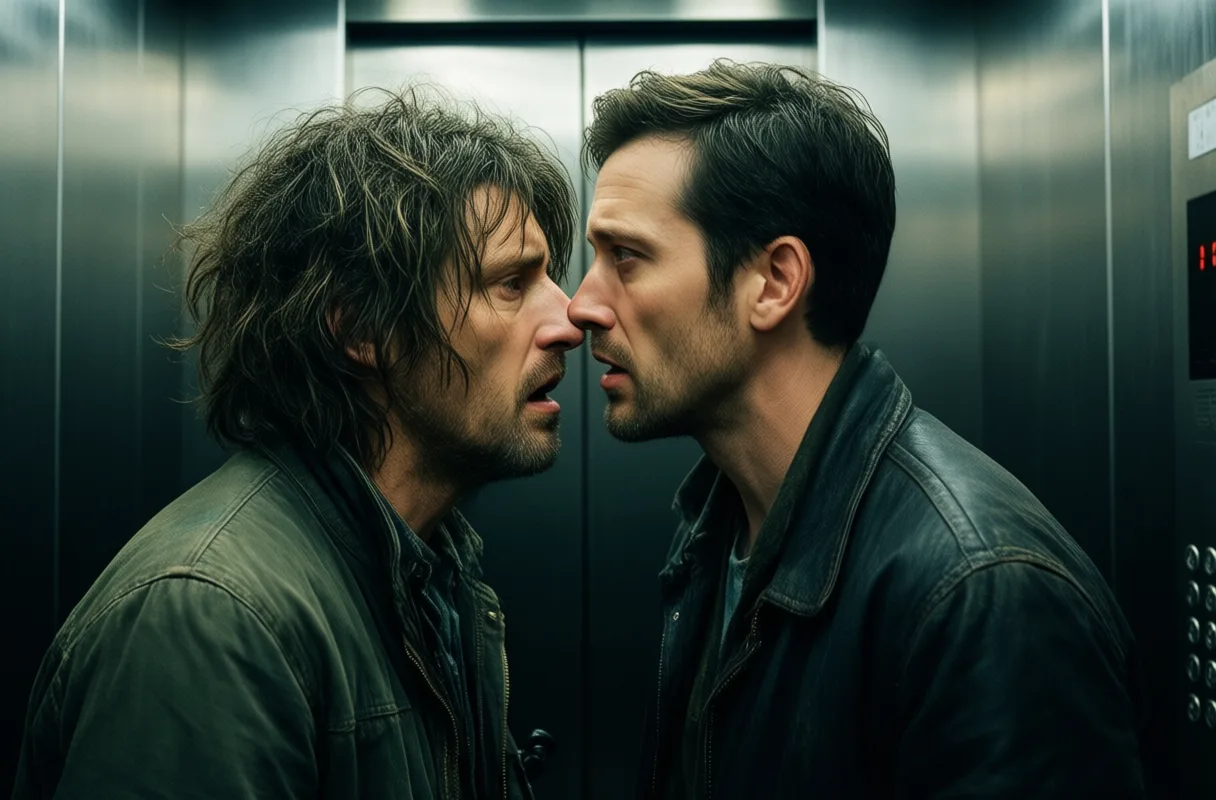
Indie filmmaking is a dance with chaos. A rainstorm floods the only interior location. A key actor gets food poisoning the night before a pivotal scene. The landlord revokes permission to shoot. These aren’t hypotheticals-they’re Tuesday.
Sets are often real homes, borrowed for a weekend, shared with roommates, pets, and the neighbor’s loud television. A single room might serve as kitchen, bedroom, and therapy office-all in one 12-hour shoot day. Adaptability isn’t optional; it’s the job.
Weather doesn’t just disrupt-it becomes part of the story. A sudden downpour might force an outdoor scene indoors, rewriting the emotional tone on the fly. An actor meant to deliver a calm speech now does it under a leaky awning, shivering, voice cracking. The moment gains a vulnerability no script could guarantee.
How Constraints Fuel Creative Breakthroughs
Limitations, it turns out, are not the enemy of art-they’re its midwife. When money, time, and space are stripped away, Creativity sharpens. Actors and directors learn to do more with less, to find meaning in a glance, a silence, a half-lit face.
One film, shot entirely on a smartphone, used the device’s limitations to create an intimate, voyeuristic tone. Another, confined to a single apartment, turned the walls into a character-peeling paint, flickering lights, the hum of a fridge that never stops.
Constraints force innovation. A missing prop becomes a metaphor. A missed cue becomes a revelation. And sometimes, the thing that went wrong becomes the thing that made the film unforgettable.
Navigating Emotional Extremes Without a Studio Machine Behind You
Mental Boundaries When There’s No On-Set Therapist
There’s no wellness tent on most indie sets. No therapist on call, no mental health days built into the schedule. Yet actors are asked to access grief, rage, trauma-sometimes for days on end, in close quarters, with no formal support.
The emotional labor is immense. Playing a character who self-harms, who survives assault, who loses a child-these roles don’t end when the camera stops. The weight lingers, carried home in silence. There’s no protocol, only personal ritual.
Some actors develop private signals with directors-a hand on the shoulder, a code word-to pause when a scene becomes too much. Others rely on meditation, journaling, or simply stepping outside to breathe. The work demands vulnerability, but survival demands boundaries.
Self-Care in the Absence of Studio Support Systems
Self-care on an indie set isn’t spa days or catered meals. It’s making sure you eat. It’s saying no to an extra night shoot when you’re already running on fumes. It’s checking in on your castmates, not because it’s your job, but because you’re all in this together.
Many actors speak of forming deep, lasting bonds on these shoots-not just with co-stars, but with the entire crew. When everyone is giving more than they’re paid, loyalty forms quickly. A grip might stay late to help an actor through a breakdown. A producer might drive someone home after a hard scene.
These moments don’t make headlines. But they sustain the work. They remind everyone why they’re here: not for glory, but for the fragile, fierce act of telling a story that matters.
When the Script Isn’t Final-And the Director Wants More
Collaborating on Dialogue and Story Beats in Real Time
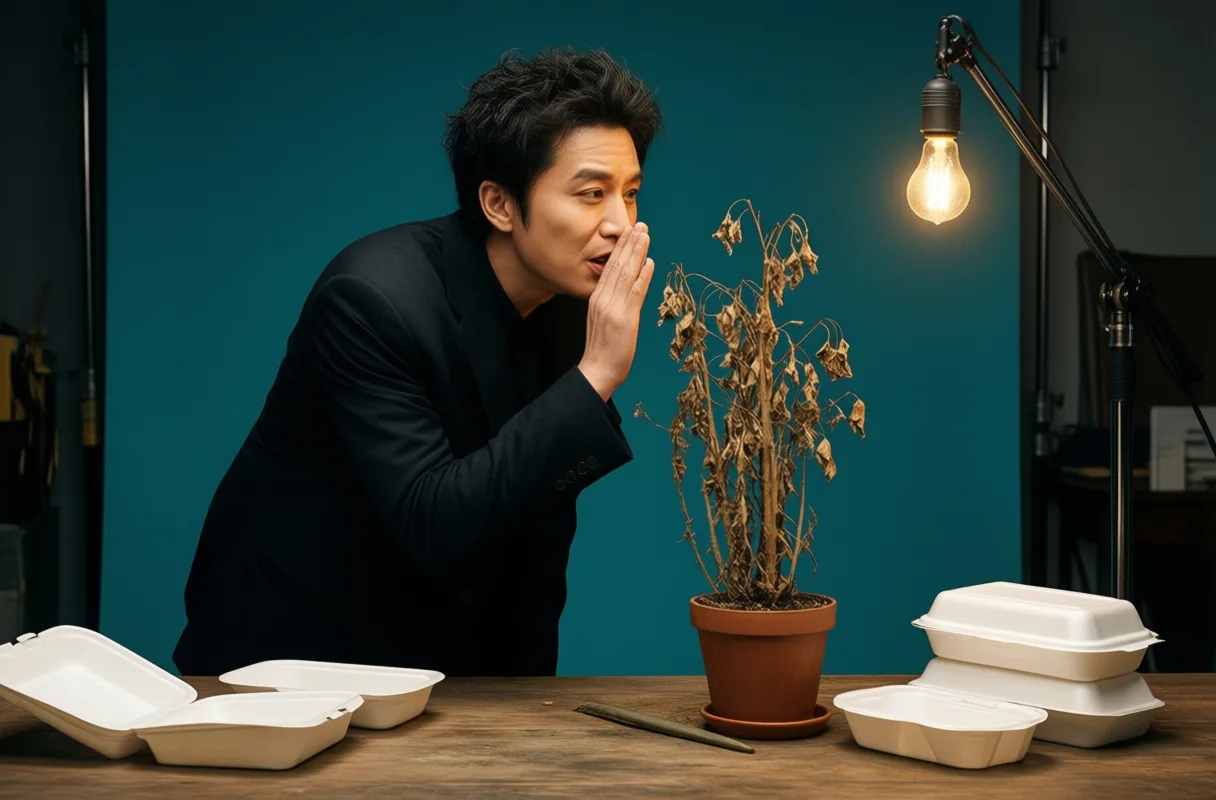
In indie filmmaking, the script is often a living document-edited in the car on the way to set, rewritten between takes, sometimes discarded entirely. The director might say, “That line doesn’t feel right. Try something else.” And the actor steps into the unknown.
This kind of collaboration is both liberating and terrifying. There’s no safety of the written word-only the risk of the moment. But it also means The actor isn’t just interpreting; they’re co-creating.
Scenes evolve from improvisations. Characters shift based on an actor’s instinct. A throwaway line in rehearsal might become the emotional core of the film. These aren’t accidents-they’re the product of trust, chemistry, and shared vision.
The Freedom (and Fear) of Shaping a Character Mid-Shoot
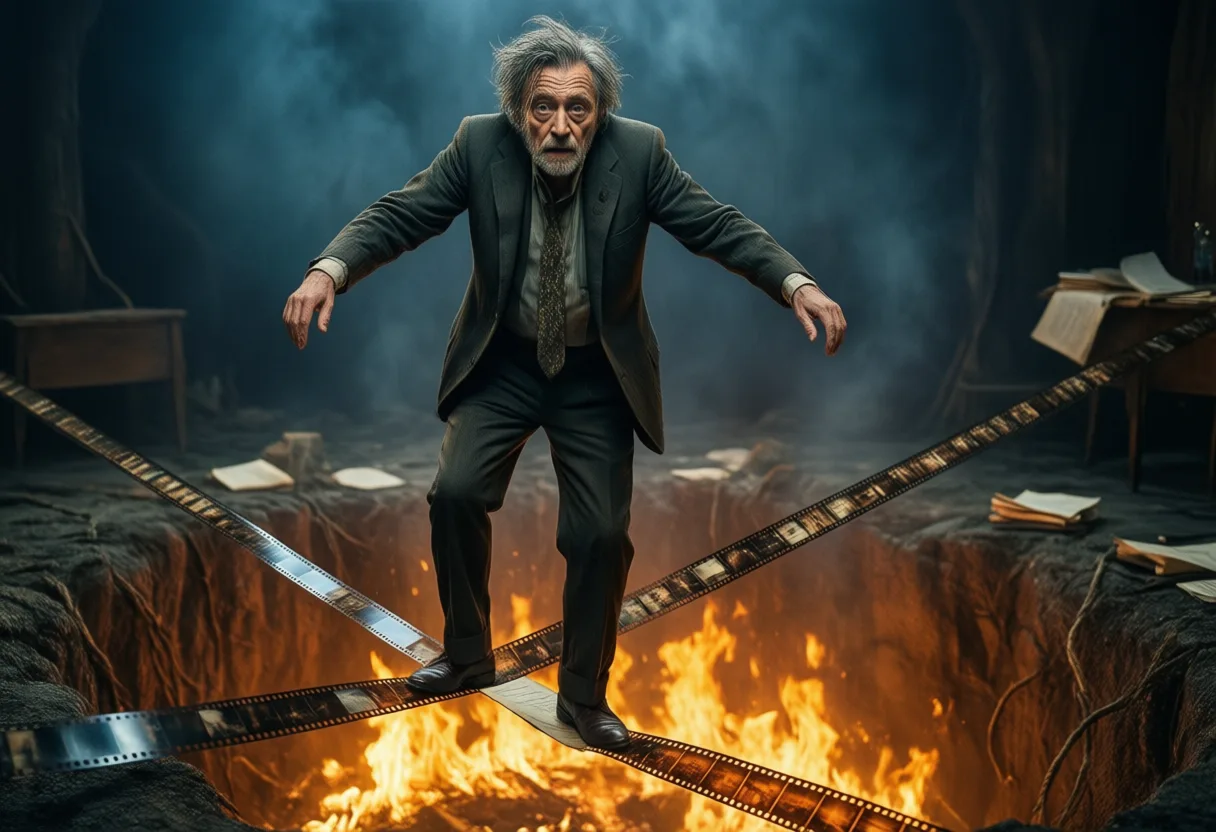
To shape a character as the camera rolls is to walk a tightrope without a net. There’s exhilaration in the freedom-but also fear. What if you go too far? What if the director changes their mind tomorrow?
Yet many actors describe this process as the most alive they’ve ever felt. There’s a Collaborative electricity When a scene transforms in real time, when everyone on set leans in, sensing something real is happening.
- One actor rewrote their final monologue after a personal loss during production.
- A supporting role expanded after the director saw unexpected chemistry between two performers.
- A film’s ending changed completely in the editing room, based on improvised moments never meant to be kept.
These aren’t flaws in the process. They’re the fingerprints of a film made by humans, not machines.
What These Roles Leave Behind-For the Actor and the Audience
The Long Shadow of a Breakout Indie Performance
Some performances echo long after the credits roll. They don’t need marketing campaigns or franchise tie-ins. They live in the quiet moments-when someone quotes a line at a bar, or a student analyzes a gaze in a film class, or a viewer watches it alone at 2 a.m. And feels seen.
Breakout indie roles often come from unknown actors, cast not for fame, but for truth. And when they deliver, the impact is seismic. A single performance can redefine careers, shift industry perceptions, or open doors for others who look like them, sound like them, live like them.
These roles linger not because they’re polished, but because they’re Unforgettable in their honesty.
Why Some Roles Stick, Even Without Box Office Numbers
Box office numbers measure reach, not resonance. A film seen by thousands in arthouse theaters can leave a deeper mark than one seen by millions on streaming. The intimacy of indie cinema creates a different kind of connection-one that’s personal, almost private.
Audiences remember the woman who cried silently while washing dishes. The man who laughed too long after bad news. The teenager who stared at the sky and said nothing. These moments stay because they feel real.
And for the actors, these roles often become part of their own story. Not just a credit, but a transformation. A reminder of what’s possible when you make art not for the world, but for the truth. Explore more stories like these at loaded.ai, where independent voices rise and cinema reveals its soul.
Behind the Scenes with Indie Talent
What They Wish You’d Ask
Most actors would rather talk about the weird sandwich they ate on set than answer “What’s your process?” For the hundredth time. Indie stars especially tend to roll their eyes at the usual suspects-“inspiration,” “method,” “dream role”-because they’ve been asked since drama school. One breakout star admitted in a podcast that her go-to answer about “transformative roles” was actually made up on the spot during a festival Q&A, just to keep things interesting.
Off-Camera Quirks
A surprising number of indie actors memorize lines by recording them on a cheap voice memo app and playing them on loop while doing something totally unrelated-laundry, cooking, even walking the dog. One actor revealed he learned his entire script for a low-budget thriller while working at a friend’s food truck, reciting lines between taco orders. It’s not method acting-it’s just what fits into real life when you’re still waiting tables.
The Unscripted Moment That Landed the Role
Casting directors often remember the flubs more than the flawless takes. One now-famous indie lead got the part not because of her audition monologue, but because she stayed in character during a power outage, calmly lighting a candle and finishing her scene in near-darkness. The crew kept rolling on phone cameras. That clip, shaky and raw, ended up swaying the final decision-proof that sometimes the best answer isn’t spoken at all. Explore more stories, videos, and creators on Loaded.
Frequently Asked Questions
Why do indie film performances feel so raw?
Indie film performances feel raw because the boundary between actor and character often blurs out of necessity. With minimal crews and few retakes, actors perform in intimate, unfiltered settings where real emotions surface.
How much of indie film dialogue is improvised?
A significant portion of dialogue in indie films is improvised due to evolving scripts and tight schedules. Actors often invent lines in real time, guided by emotional truth rather than written text.
What motivates actors to take low-paying indie roles?
Actors are drawn to indie roles for the depth and authenticity of the story, not pay or fame. The chance to explore complex characters and tell meaningful stories is their primary reward.
How do actors prepare for roles without studio resources?
Actors use personal research methods like public forums, documentaries, and real-life immersion. They rehearse in living rooms and rely on resourcefulness due to lack of formal support.
This article was produced with AI assistance. How Loaded Video uses AI.
Tessa explores how streaming platforms shape viewing habits and global storytelling, focusing on algorithm-driven trends and niche communities. She blends data with human stories to reveal the evolving relationship between audiences and digital content, making the invisible forces of streaming feel personal and immediate.