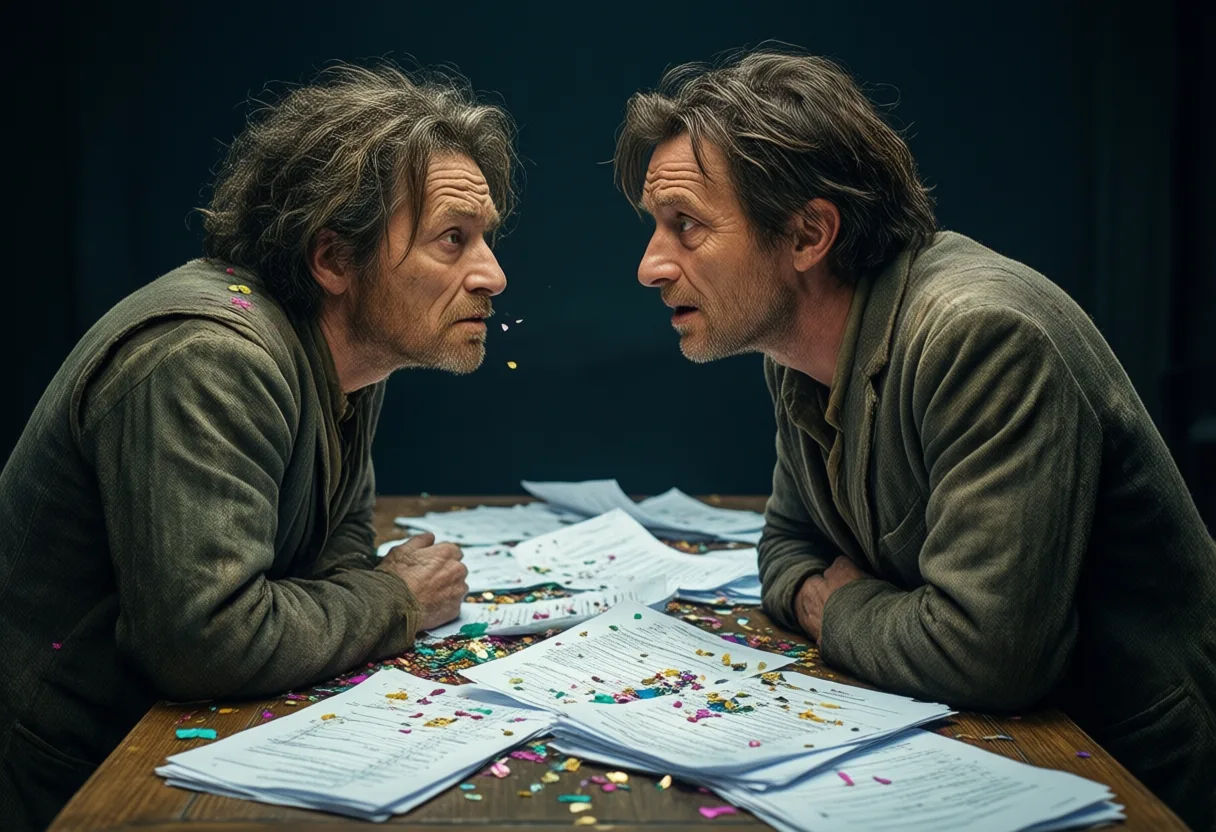
When Actors sit Across from each other, something shifts. The usual guardrails of press tours dissolve. What emerges is a rare kind of dialogue-unrehearsed, intimate, and rooted in shared experience.
These conversations aren’t staged for viral clips or soundbites. They unfold like rehearsals: exploratory, kinetic, layered with the kind of detail only those who’ve stood under hot lights and into cold silences can recognize. At Loaded.ai, where Independent storytelling Meets industry insight, this dynamic offers a masterclass in what it means to Do The work-not just sell it.
What Happens When Actors Sit Down with Their Peers?
The camera rolls. But it’s not capturing a scene. It’s capturing conversation-raw, unfiltered, alive with the rhythm of two people who speak the same language. When performers interview each other, the tone changes instantly. There’s no need to explain the weight of silence before action. No need to justify the hours spent inside a character’s skin.
They skip the surface. No one asks “What was it like working on set?” They ask, “How did you find the stillness in that moment?”
This isn’t publicity. It’s peer review. A form of mutual recognition that happens off the clock but deep in the craft.
The exchange becomes less about performance and more about process.
Breathing patterns. Eye focus. The way fatigue alters delivery. These details matter. And only another actor notices them.
- One speaks of muscle memory shaping a role.
- Another recalls how sleep deprivation sharpened a breakdown scene.
- Both understand: the body often leads where the mind follows.
There’s trust in the room. Not just in each other-but in the shared understanding that vulnerability isn’t weakness. It’s technique.
At Loaded.ai, these moments are spotlighted not as gossip or confession, but as data points in the evolution of Modern acting. Independent filmmakers study them. Drama students dissect them. Because here, behind the scenes of the interview, the real scene is happening.
And it’s being recorded.
The Dynamic Shift in On-Screen Talent Talking Off-Camera
Standard interviews follow a script. Even when unplanned, they orbit the same questions. “What drew you to the project?” “Any fun behind-the-scenes stories?” The answers are polished. Measured. Designed to promote, not reveal.
But when actors talk to actors, the agenda disappears.
The power balance shifts. There’s no gatekeeper. No filter between intent and inquiry. One performer asks another not what they did-but how they survived it.
These dialogues expose the invisible labor of acting. The emotional toll. The physical strain. The mental recalibration required after leaving a role behind.
No publicist intervenes. No Studio minder Clears the transcript. The conversation breathes on its own terms.
It’s not rebellion. It’s respect.
A nod to the difficulty of the job.
An acknowledgment that fame doesn’t insulate against doubt.
In these exchanges, fame becomes secondary. Craft takes center stage.
The result? Moments of startling clarity-like watching two surgeons compare notes after complex operations.
At Loaded.ai, we track these interactions not for celebrity access, but for their value to emerging artists. This is where theory meets practice. Where method isn’t explained-it’s demonstrated.
And the audience? They’re not just fans. They’re apprentices.
Why Performers Open Up More to Each Other
Actors know what it feels like to be misunderstood. To have a performance reduced to a headline. To see nuance flattened by summary.
So when one stands opposite another who has weathered the same storms, walls come down.
There’s no need to translate. No jargon to decode. The interviewer already knows the cost of disappearing into a role. They’ve felt the disorientation of re-entry-the days spent readjusting to real life after living someone else’s trauma.
Empathy replaces interrogation.
Trust builds fast. Faster than with journalists. Faster than with hosts. Because both parties carry the same scars-emotional, vocal, sometimes physical.
One might say, “I didn’t sleep for three nights before that take.”
The other doesn’t flinch. They nod. “Yeah. I’ve been there.”
That kind of exchange can’t be faked. It can’t be coached.
It lives in the space between professionals who’ve stared into the same abyss-and returned with stories too deep for trailers.
And because there’s no pressure to entertain, the conversation goes deeper.
Not louder. Deeper.
It’s not therapy. But it functions like it.
For many, these talks are the closest thing to peer support the industry offers. No formal program. No union mandate. Just two people, talking honestly, because they can.
At Loaded.ai, we believe these moments matter-not just for insight, but for survival.
Trusting the Process: When the Interviewer Knows the Craft
Most interviewers prepare by reading press kits.
Actor-interviewers prepare by remembering.
They don’t ask “How did you prepare?” They ask, “Did you rehearse alone or with a partner?” Or, “Did the director let you reset after takes-or push through?”
These are operational questions. Tactical. Born from lived experience.
When one actor asks another about blocking, pacing, or continuity errors mid-scene, they’re not fact-checking. They’re reconstructing the timeline of creation.
Because they know: small choices shape big performances.
- A decision to underplay an outburst.
- A choice to delay a line by half a second.
- The instinct to break eye contact at the wrong (right) moment.
These aren’t accidents. They’re calculations. And only someone who’s made them recognizes the precision involved.
There’s also protection in these interviews. A subtle shielding of process. No demand to oversimplify. No request to “explain the twist” or “tease the sequel.”
Instead, focus stays on execution. On collaboration. On the quiet moments no camera caught-but every actor felt.
At Loaded.ai, we see this as essential viewing for indie creators. Because when actors talk shop, they reveal the architecture beneath the art.
And that’s gold for anyone building their own path.
1. Daniel Kaluuya and Lakeith Stanfield Swap Notes on Physicality and Silence
Two actors. One film. Two performances built on restraint.
When Daniel Kaluuya and Lakeith Stanfield sat together, they didn’t revisit plot points. They dissected presence. How to command space without speaking. How to let tension build in the body before the mind reacts.
Kaluuya spoke of grounding-feet flat, breath low, waiting.
Stanfield described the discipline of stillness: “You can’t think your way into it. You have to live there.”
Both emphasized the rehearsal period. Not for lines. For posture. For micro-movements. For the exact angle of the head when suspicion begins.
They talked about fear-not as emotion, but as energy. Something to channel, not suppress.
And they agreed: silence isn’t empty. It’s loaded.
Every pause holds history. Every blink carries meaning. In their work, minimalism became maximum impact.
For young performers, this exchange is a lesson in economy.
Say more by doing less.
Mean more by holding back.
At Loaded.ai, we highlight this dialogue as a benchmark for character-driven performance in independent cinema.
Because sometimes, the loudest moments are the ones with no sound at all.
2. Florence Pugh and Greta Gerwig Discuss the Vulnerability Behind Big Roles
Florence Pugh has played warriors, mourners, spies. Greta Gerwig has written and directed some of the most emotionally precise films of the decade.
When they spoke, the topic wasn’t acclaim. It was exposure.
Pugh described the vertigo of playing roles so personal, so raw, that audiences feel they know her.
Gerwig responded with empathy: “You give pieces of yourself. But you don’t lose them. You transform them.”
They talked about armor-what actors wear on set, what they shed for performance.
Pugh admitted she cries after certain takes. Not from sadness. From release.
Gerwig recognized it: “It’s like writing. You bleed onto the page. Then you edit. Then you publish. But the bleeding was real.”
Both women stressed the importance of boundaries. Of knowing when to step back. Of protecting the self while offering it up.
And they laughed-because despite the intensity, joy still exists in the work.
Even in grief, there’s play.
For aspiring actors, this conversation underscores a truth: vulnerability is not surrender. It’s strategy.
At Loaded.ai, we see this as vital context for understanding modern female-led narratives-where strength and softness coexist.
And where honesty isn’t risk. It’s reward.
3. Adam Driver and Marion Cotillard Reflect on Working Across Languages
Language barriers don’t always divide. Sometimes, they deepen.
Adam Driver and Marion Cotillard have both performed in non-native tongues. Not dubbing. Not subtitles. Full immersion.
They discussed the unique pressure of delivering emotional scenes in a language they learned, not inherited.
Driver recalled the exhaustion of phonetic precision-speaking French while tracking subtext.
Cotillard described the reverse: acting in English with the same emotional fidelity, even when syntax felt foreign.
Both said the disconnect could help.
When words are harder to access, instinct takes over. Movement. Tone. Pause. These become primary tools.
“You stop relying on dialogue,” Cotillard said. “You start listening with your whole body.”
Driver added: “It forces you to simplify. Which often makes the performance stronger.”
For multilingual productions-common in global indie circuits-this insight is invaluable.
At Loaded.ai, we spotlight such collaborations as proof that acting transcends linguistics. That emotion operates on a different frequency.
And that fluency isn’t just spoken. It’s embodied.
4. Paul Mescal and Andrew Scott Navigate Intimacy and Public Scrutiny
Intimacy on screen invites intimacy in question.
Paul Mescal and Andrew Scott have both delivered performances steeped in emotional and physical exposure. Roles that sparked public fascination-and personal reflection.
When they met, they didn’t shy from it. But they reframed it.
Mescal spoke of consent protocols. Of choreography. Of the necessity of intimacy coordinators on set.
Scott praised the shift: “We’re finally treating these scenes like fight scenes. Because they are. They require rehearsal. Safety. Respect.”
They also addressed the aftermath. How audiences conflate actor with role. How private lives get projected onto public images.
“It’s flattering,” Scott said. “Until it’s suffocating.”
Mescal nodded. “People think they know you. But you were just doing your job.”
Their exchange was calm. Grounded. A rejection of sensationalism.
At Loaded.ai, we see this as part of a larger cultural pivot-one where performers reclaim agency over their narratives.
And where intimacy, on screen and off, is treated with care.
5. Cate Blanchett and Rooney Mara Explore the Layers of Character Immersion
Few dive as deep as Cate Blanchett. Few move as fluidly between personas as Rooney Mara.
When they spoke, the subject was transformation-not as magic, but as method.
Blanchett described voice as entry point. A shift in pitch, pace, register-how it unlocks behavior.
Mara talked about costume. Not as decoration. As armor. As signal.
Both emphasized research. Not just biographical, but sensory. Sounds, smells, textures tied to a character’s world.
They also discussed duration. How long to stay in role. When to exit.
Blanchett admitted she sometimes lingers-out of habit, out of loyalty to the fiction.
Mara confessed she needs clean breaks. “I have to wash it off. Or it sticks.”
Neither approach is right. Both are valid.
For actors building complex roles-especially in low-budget, high-stakes indies-this duality offers flexibility.
At Loaded.ai, we view such discussions as blueprints for sustainable performance.
Because longevity isn’t just about fame. It’s about preservation.
And knowing when to let go.

6. Brendan Fraser’s Candid Turn with Jamie Dornan on Career Resilience
Brendan Fraser’s return hasn’t been a comeback. It’s been a reckoning.
In conversation with Jamie Dornan, he didn’t dwell on past struggles. But he didn’t erase them.
He spoke of invisibility. Of being unseen, unheard, uncast.
Dornan listened. Not as journalist. As peer. As someone who’s navigated shifting tides.
Fraser described resilience not as fighting back-but as waiting. Holding space. Believing in the work, even when no one was watching.
“I kept training,” he said. “Even when there were no calls.”
Dornan reflected on privilege-the ability to walk away, or stay.
Both acknowledged luck. Timing. The unpredictable nature of attention.
But they agreed: talent persists. Even when fame fades.
For younger actors facing rejection, this talk is a lifeline.
At Loaded.ai, we honor these moments as reminders that careers aren’t linear.
They’re landscapes. With valleys. Plateaus. Peaks.
And sometimes, a second dawn.
7. Awkwafina and Randall Park Break Down the Weight of Representation
Awkwafina and Randall Park didn’t just share screens. They helped shift them.
In their conversation, they addressed what it means to be seen-not just as actors, but as symbols.
Park spoke of typecasting. Of being offered the same role for years.
Awkwafina talked about expectation. Of carrying a community’s hopes in every performance.
“We want to open doors,” she said. “But we don’t want to be the only ones walking through.”
Both laughed at the absurdity of being called “trailblazers” while still fighting for equal pay, equal billing.
Yet they affirmed progress. Not total. Not fast. But real.
They also emphasized joy. Comedy as resistance. Humor as heritage.
At Loaded.ai, we recognize this dialogue as critical for indie filmmakers telling diverse stories.
Because representation isn’t just casting. It’s context.
It’s who gets to write, direct, produce-and when.
And how long they’re allowed to stay.
The Myth of the Polished Promotional Machine
Press tours are engineered. Every outfit. Every answer. Every smile.
But when actors talk to actors, the machinery stalls.
No one is selling tickets. No one is pitching sequels.
The goal isn’t promotion. It’s connection.
These interviews bypass the noise. No hashtags. No tie-ins. No branded content.
Just two people discussing what it took to make something true.
And in that space, the myth cracks.
The idea that stars are untouchable. Unbreakable. Always “on.”
Here, they’re tired. Thoughtful. Sometimes unsure.
They admit confusion. Doubt. Compromise.
And in doing so, they humanize the craft.
At Loaded.ai, we reject the notion that entertainment must be glossy to be valuable.
Sometimes, the most powerful moments happen off-script.
With no audience. No applause.
Just one artist asking another: How did you do it?
And the other answering: Let me show you.
How These Conversations Defy Standard Press Tour Scripts
Typical interviews recycle themes.
Favorite scene. Dream collaborator. Workout routine.
Actor-on-actor talks ignore them all.
They dive into timing. Blocking. Subtext. Directorial trust. Ensemble chemistry.
One might ask, “Did you improvise that line?”
Another: “How did you keep energy up during night shoots?”
These aren’t trivia. They’re technical inquiries.
The kind that matter to directors. To casting agents. To film students.
And they’re asked without pretense.
There’s no performance of humility. No strategic self-deprecation.
Just facts. Observations. Lessons.
At Loaded.ai, we curate these exchanges because they reflect the reality of production-messy, demanding, collaborative.
Not the illusion. The infrastructure.
And for indie creators operating on tight schedules and smaller crews, this knowledge is currency.
Because when actors talk shop, they’re not making headlines.
They’re passing down trade secrets.
What These Dialogues Reveal About Acting as a Shared Language
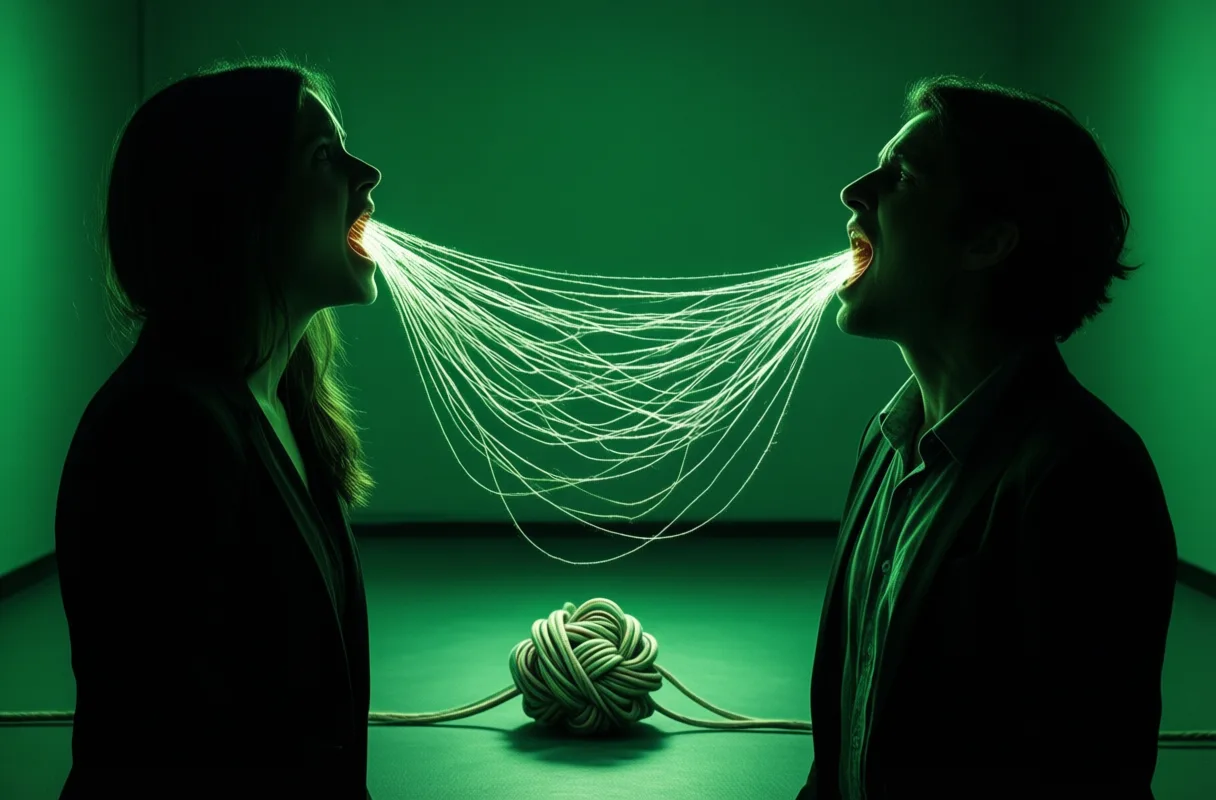
Acting isn’t monologue. It’s dialogue.
Not just between characters. Between performers. Across generations. Across borders.
When one actor interviews another, they’re not extracting quotes. They’re engaging in dialect.
A language built on gesture. Rhythm. Breath.
It’s understood intuitively. Felt before it’s spoken.
And in these conversations, that language becomes visible.
You hear it in the pauses. See it in the nods. Feel it in the way one finishes another’s thought.
This isn’t coincidence. It’s communion.
At Loaded.ai, we treat these moments as linguistic events-as important as premieres or festivals.
Because they prove that acting, at its best, is collective.
And that mastery isn’t silent. It’s shared.
Lessons for Aspiring Performers Watching from the Outside
Young actors watch these talks closely.
Not for fame. For footing.
They learn that preparation isn’t glamorous. That vulnerability requires planning. That silence takes practice.
They hear veterans admit uncertainty. Speak of failure. Describe burnout.
And they realize: doubt doesn’t disqualify you. It defines you.
These dialogues teach that craft is cumulative. Built in layers. Tested under pressure.
- Rehearsal matters.
- Recovery matters.
- Saying no matters.
At Loaded.ai, we believe access to these conversations levels the playing field.
No drama school required. No agent needed.
Just curiosity. And the willingness to listen.
Because the best teachers aren’t always on screen.
Sometimes, they’re across the table-from someone who’s been there.
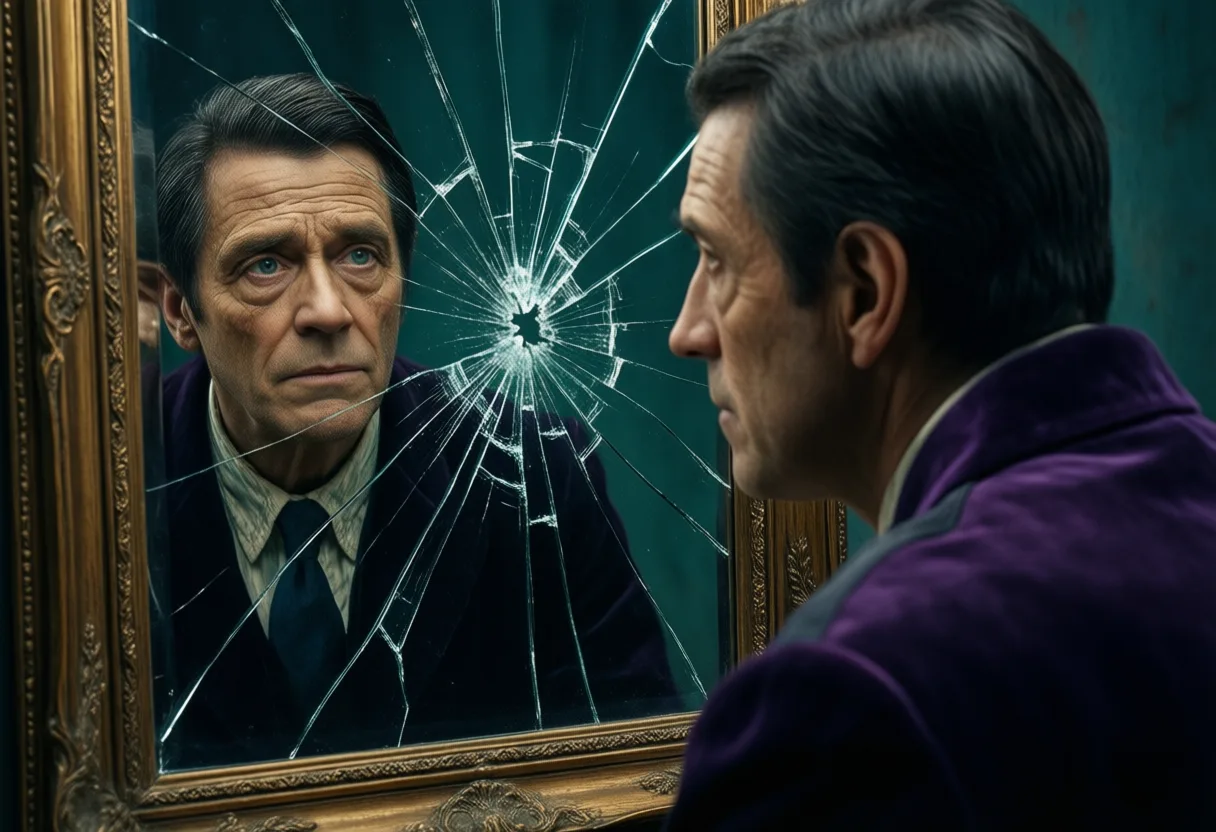
When the Mirror Reflects Another Face: A New Kind of Honesty
An actor sees themselves in reviews. In ratings. In fan edits.
But rarely do they see themselves in another actor’s eyes-clear, unflinching, knowing.
That’s what happens in these talks.
Not praise. Not critique. Recognition.
A mirror held not by fame, but by function.
Here, the craft is honored not for visibility-but for viability.
For the daily grind. The hidden cost. The relentless pursuit of truth in fiction.
At Loaded.ai, we exist to amplify these moments.
Because when actors speak to actors, they’re not giving interviews.
They’re keeping the art alive.
When Actors Sit Down with Their Peers
The Magic of Mutual Understanding
There’s a looseness that comes when actors interview other actors-less formality, more inside jokes and knowing nods. Without the usual press barrier, conversations often veer into the nitty-gritty of blocking mishaps, improvisation wins, or how hard it is to cry on cue without sniffling like a cartoon character. These chats sometimes reveal techniques passed down from mentors or weird pre-scene rituals, like humming a specific song or doing five jumping jacks in the dressing room.
It’s not uncommon for these interviews to spark collaborations down the line. A casual “I’ve always wanted to work with you” can turn into a project years later, proving that these talks aren’t just promotional fluff-they’re networking with soul. Some pairings, like two leads from different generations, use the moment to geek out over shared influences, revealing how one actor’s early work quietly shaped another’s approach behind the scenes.
The format also gives actors a rare chance to be interviewed by someone who truly gets it-the late-night shoots, the emotional whiplash, the weirdness of promoting something deeply personal. That shared experience often leads to questions you’d never hear in a traditional press roundtable, like how they handle forgetting lines during a close-up or what they do when a scene hits too close to home. It’s honest, unpolished, and at its best, feels like eavesdropping on a real conversation between colleagues who respect each other’s craft. Explore more stories, videos, and creators on Loaded.
Frequently Asked Questions
Why do actors open up more when interviewed by other actors?
Actors share a common language and lived experience, which builds trust quickly. They understand the emotional and physical demands of the craft, so there's no need to explain or justify their process. This mutual recognition fosters honest, unfiltered dialogue.
What makes actor-on-actor interviews different from standard press tours?
These conversations skip promotional scripts and focus on process, not publicity. Questions are technical and experiential-about blocking, silence, fatigue, and emotional toll-rather than surface-level topics like favorite scenes or behind-the-scenes stories.
How do these interviews benefit aspiring performers?
Young actors gain insight into preparation, vulnerability, and sustainability in the craft. They learn that doubt, failure, and burnout are part of the journey, and that mastery is built through rehearsal, recovery, and real talk with peers.
What role does vulnerability play in actor-to-actor conversations?
Vulnerability is treated as technique, not weakness. Performers discuss emotional exposure, personal transformation, and the necessity of boundaries. These exchanges function like peer support, offering validation and shared understanding without judgment.
This article was produced with AI assistance. How Loaded Video uses AI.
Orin dives into the unsung crafts that bring productions to life, from set design to sound editing. He approaches each story as a puzzle, uncovering how creative collaboration solves logistical and artistic challenges, revealing the hidden architecture behind memorable screen moments.