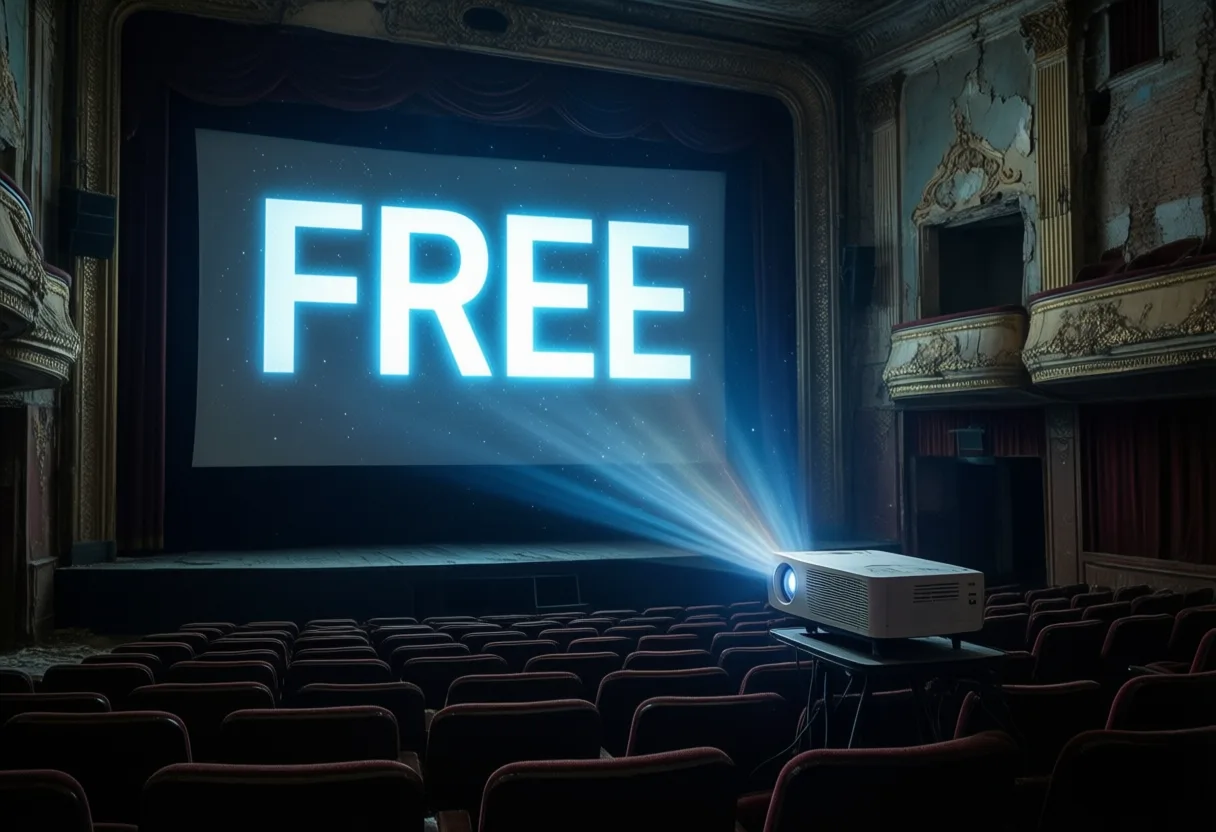
A new wave of Storytelling Is reshaping how adolescence is portrayed on screen. Gone are the days of one-note high school dramas ruled by clichéd love triangles and exaggerated angst. Today’s most compelling narratives treat teenage life as a complex, shifting terrain-where identity, trauma, and self-invention collide in real time.
These stories don’t just entertain. They Reframe what it means to grow up In a world defined by digital overload, social fragmentation, and heightened self-awareness. And they’re doing it outside the rigid machinery of network TV, finding home instead in the expansive, risk-friendly world of Streaming.
The Evolution of Teen Drama in the Streaming Era
Broadcast television once dictated the rhythm of teen storytelling. Plots moved slowly across 22-episode seasons, tailored to ad breaks and broad demographics. Writers played it safe. Characters fit molds: the jock, the outcast, the mean girl. But streaming Changed the game.
Now, Story arcs unfold with cinematic patience. Creators aren’t forced to stretch a single idea across months. Instead, they can compress emotional intensity into eight tightly written episodes or expand a single season over years, mirroring the uneven pace of real adolescence.
Platforms Reward originality. Without the pressure of mass appeal, writers explore nuanced themes-gender fluidity, neurodivergence, systemic inequality-with depth and authenticity. Teen characters aren’t just reacting to drama. They’re Navigating structural forces That shape their choices long before the camera rolls.
- Identity is no longer a subplot-it’s the central conflict.
- Mental health is discussed with clinical precision, not melodrama.
- Friendships are messy, shifting, and rarely resolved by season’s end.
The result? A generation of series where being a teenager isn’t about surviving High school. It’s about surviving oneself.
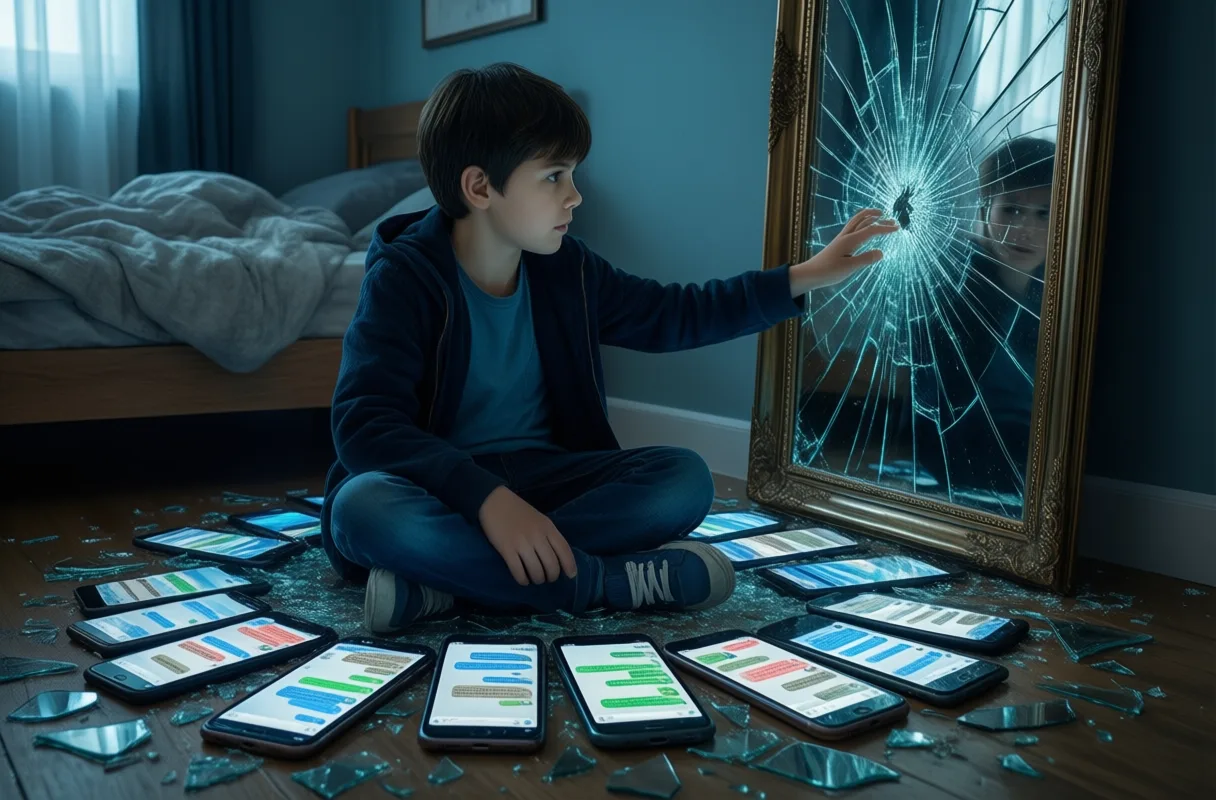
Character Depth Over Plot Hype
The best modern series don’t rely on shocking twists or contrived cliffhangers. They build tension through Emotional realism, letting silence, hesitation, and small gestures carry weight. A glance across a classroom can land harder than a car crash.
Teenagers are portrayed as Deeply perceptive, often more aware of adult hypocrisy than the adults themselves. They question authority not for rebellion’s sake, but because they’ve seen the data, felt the inequity, lived the fallout. Their skepticism isn’t edgy-it’s earned.
Writers now treat teen dialogue like vérité. Sentences trail off. Slang evolves mid-season. Conversations loop without resolution. This isn’t sloppy writing. It’s Intentional mimicry of how teens actually speak-fragmented, self-correcting, layered with subtext.
Characters make decisions based on incomplete information, just like in real life. They misread signals. They overcommit. They retreat. There’s no omniscient narrator to explain their motives. Viewers are forced to sit in the discomfort, to Interpret behavior without confirmation.
This approach demands more from audiences. It also rewards them. The emotional payoffs aren’t loud. They’re quiet-like a character finally saying “I’m sorry” in episode six, or choosing to walk away instead of winning the argument.
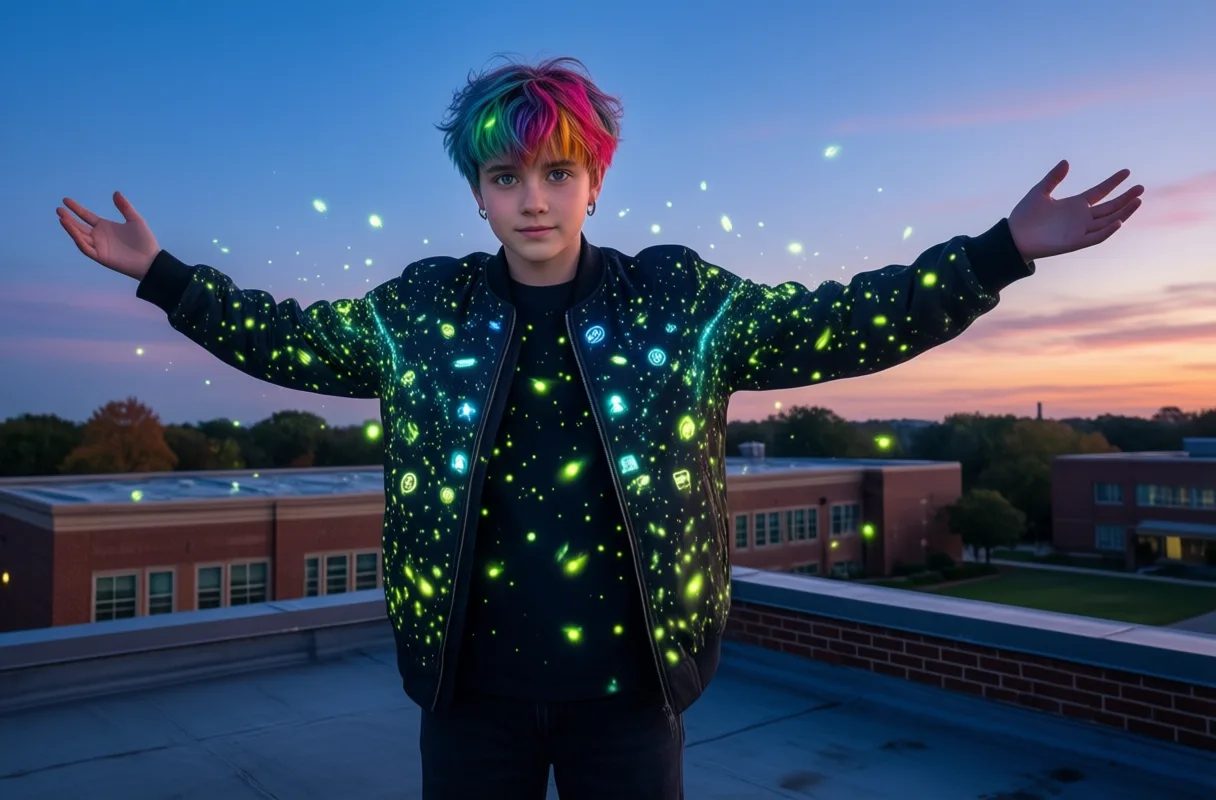
Production Innovation Behind the Screen
These series aren’t just different in content. They’re built differently. Shooting schedules prioritize actor availability, especially for younger performers protected by strict labor laws. Production moves fast but adapts constantly, often rewriting scenes days before filming based on actor input or real-world events.
Cinematography leans into intimacy. Handheld cameras follow characters through narrow hallways and dim bedrooms. Lighting is natural, often sourced from phone screens or desk lamps. The visual language says: This isn’t staged. This is happening now.
Sound design plays a critical role. Diegetic music-songs playing from earbuds, car radios, or house parties-anchors scenes in authenticity. Score is used sparingly. When it appears, it’s minimalist, pulsing beneath dialogue like a heartbeat.
Behind the scenes, Writers’ rooms are more diverse than ever. They include former teachers, youth counselors, and young writers who recently lived the experiences being portrayed. This isn’t just about representation-it’s about accuracy. Details matter: the weight of a backpack, the rhythm of a group chat, the silence after sending a risky text.
Casting favors unknowns or lesser-known performers. This avoids the baggage of celebrity and keeps the focus on performance, not persona. When a face isn’t instantly recognizable, viewers invest in the character, not the actor’s brand.

Where Storytelling Meets Industry Shift
The rise of these series reflects a broader shift in Hollywood. Streaming platforms, unshackled from traditional ratings models, can support niche content that resonates deeply with specific audiences. A show doesn’t need 10 million viewers to succeed-if it captures the right 2 million, it can thrive.
Independent creators now have pathways to distribution once reserved for studio-backed projects. Digital production tools are cheaper, editing software more accessible, and global reach immediate. A team with a strong vision and a modest budget can compete for attention alongside billion-dollar franchises.
This democratization benefits storytelling. Risk-taking is no longer punished by advertisers or time slots. Complex narratives about marginalized teens-once deemed “too narrow”-now find audiences through algorithmic discovery and social sharing.
For filmmakers, this means opportunity. For audiences, it means Seeing themselves with rare honesty. For teenagers, it means knowing their struggles aren’t just drama-they’re worthy of deep exploration.
Explore more groundbreaking narratives and industry insights at loaded.ai, where independent vision meets mainstream impact.
Stories That Feel Like Growing Up
More Than Just High School Drama
Plenty of teen series now ditch the clichéd prom-posals and focus on real emotional terrain-like how Never Have I Ever Drew from Mindy Kaling’s own teenage years, blending grief, identity, and first crushes with a South Asian-American lens rarely seen on screen. The show’s lead, Devi, isn’t just navigating friendships and finals-her therapy sessions are written into the plot like a character of their own, normalizing mental health care for young viewers in a way few shows have dared.
Meanwhile, Heartstopper Made waves not just for its sweet romance between two British schoolboys, but for how it was discovered: Alice Oseman’s original webcomic gained a massive online following before Netflix turned it into a glowing, pastel-toned series. Fans who’d followed the story for years felt like they’d helped raise the show, proving that teen voices can drive mainstream success when given the spotlight.
What’s wild is how music shapes these stories. The Sex Education Soundtrack leans heavily on '80s synth-pop, giving the show a nostalgic vibe-even though the characters use smartphones and dating apps. It’s a deliberate mix, making the emotional highs and awkward lows feel timeless. These series aren’t just watched-they’re felt, shared, and often replayed during late-night study sessions or tough days, becoming part of how today’s teens make sense of growing up. Explore more stories, videos, and creators on Loaded.
Frequently Asked Questions
How has streaming changed teen drama storytelling?
Streaming allows for tighter, more cinematic story arcs without the need to stretch plots across many episodes. It supports nuanced themes like identity and mental health with greater authenticity and depth than traditional network TV.
What makes modern teen series different from older high school dramas?
Today’s series focus on emotional realism, complex identities, and structural challenges rather than clichéd love triangles. Dialogue mirrors real teen speech, and characters make decisions based on incomplete information, reflecting real-life uncertainty.
How do recent teen shows portray mental health?
Mental health is discussed with clinical precision and integrated into the narrative, such as therapy sessions in *Never Have I Ever*. These portrayals normalize care and treat emotional struggles as central to the coming-of-age experience.
What role does music play in series like Sex Education and Heartstopper?
Music anchors emotional tone-*Sex Education* uses '80s synth-pop for timeless nostalgia despite modern tech use, while *Heartstopper* features diegetic tracks from earbuds and parties, enhancing authenticity and connection to youth culture.
This article was produced with AI assistance. How Loaded Video uses AI.
Orin dives into the unsung crafts that bring productions to life, from set design to sound editing. He approaches each story as a puzzle, uncovering how creative collaboration solves logistical and artistic challenges, revealing the hidden architecture behind memorable screen moments.