A quiet revolution unfolded not in packed theaters, but in living rooms, bedrooms, and late-night scrolling sessions-where the rhythm of storytelling began to shift. Series On streaming platforms didn’t just change how we watch stories; they reshaped the stories themselves, stretching time, deepening characters, and dissolving borders. This is not just entertainment evolution-it’s narrative alchemy.
How Streaming Changed the Game for Serialized Storytelling
Before the rise of on-demand viewing, television lived by rigid schedules and network constraints. Writers shaped arcs around commercial breaks, season finales, and the hope of renewal-often sacrificing depth for broad appeal. But with the arrival of platforms offering full-season drops and global reach, Storytelling Could breathe, no longer bound by the ticking clock of ratings week.
Serialized narratives, once reserved for prestige cable, became the norm rather than the exception. Without the pressure to reset each episode for casual viewers, creators could Build intricate Worlds that unfolded over time. Characters evolved not in arcs, but in spirals-repeating patterns, facing consequences, and revealing hidden layers across episodes and seasons.
This shift empowered writers to treat television as a long-form novel rather than a collection of episodic vignettes. The result? A new intimacy between audience and story, where loyalty isn’t earned in one sitting, but over weeks, months, even years. For independent creators, this opened doors once sealed by gatekeepers-now, a compelling voice could find its audience anywhere, especially with guidance like how to watch Avatar in order on Streaming platforms To help fans navigate expansive universes.
Why Binge-Watching Rewrote the Rules of Pacing
Gone are the days when audiences waited seven days between cliffhangers, dissecting every frame in online forums. Binge-watching rewired not just viewing habits, but the very architecture of narrative pacing. Writers now craft stories knowing viewers might consume an entire season in a single weekend-Tension no longer builds in weekly pulses, but in sustained waves.
This shift demanded a recalibration of suspense. Instead of relying on the “to be continued” tease, shows now layer mysteries within mysteries, embedding emotional payoffs deep into later episodes. The slow burn, once a risk, became a strength-audiences invested in complex character studies could now immerse themselves fully, without the friction of time.
Pacing also evolved to accommodate attention spans shaped by digital consumption. While some series embrace deliberate, meditative rhythms, others accelerate plot turns, ensuring momentum doesn’t falter across ten-hour stretches. The balance between revelation and restraint has become an art form-one where silence can be as powerful as a twist.
And for filmmakers transitioning from cinema, this new rhythm offered both freedom and challenge. The luxury of time allowed for subtlety, but also required discipline-A story stretched too thin risks losing its spine. Yet when done well, the emotional payoff feels earned, not engineered.
The Rise of the Antihero in the On-Demand Era
The antihero didn’t begin with streaming, but it found its true home there. Freed from the need to appeal to mass audiences in real time, platforms embraced morally ambiguous protagonists-flawed, often unlikeable, but undeniably compelling. These characters thrived in the intimate, judgment-free space that on-demand viewing provided.
Audiences no longer had to defend their sympathies in water-cooler conversations the next morning. They could sit with discomfort, wrestle with contradictions, and return to a story on their own terms. This privacy allowed for deeper psychological exploration-Characters could be broken, not just heroic.
From the quietly manipulative to the overtly destructive, antiheroes became mirrors for modern anxieties-identity, power, isolation. Their journeys weren’t about redemption, but revelation-what happens when we stop pretending to be good? Streaming gave these stories room to unfold without moral hand-holding, trusting viewers to sit in the gray.
And for independent storytellers, this shift opened doors to voices long excluded from mainstream narratives. Complex characters of color, queer protagonists, and neurodivergent leads began to occupy center stage-not as tokens, but as fully realized individuals navigating moral labyrinths. The antihero, once a symbol of masculine disillusionment, became a vessel for broader human truth.
When a Single Season Can Define a Cultural Moment
Some stories don’t need five seasons to leave a mark. In the streaming era, a single season-sometimes even a limited series-can ignite global conversation, shift cultural discourse, or redefine genre. The pressure to stretch a concept across multiple years has lessened, allowing creators to tell complete stories with precision and purpose.
Consider how a single season can capture the mood of a generation-tapping into collective fears, desires, or reckonings. These shows often arrive like lightning strikes: urgent, focused, and impossible to ignore. They don’t linger; they resonate.
This model benefits both artists and audiences. Writers can pour everything into one arc, knowing the ending is in sight. Viewers, overwhelmed by endless content, appreciate a story that respects their time. A finite narrative can feel like a gift-a rare promise of closure in an age of perpetual continuation.
And for independent filmmakers, the limited series format offers a powerful entry point. With lower financial risk and higher creative control, a single season can serve as a calling card-proof of vision, voice, and emotional precision. It’s not about longevity; it’s about impact.
No More Finales: The Era of Open-Ended, Expansive Arcs
For decades, television lived and died by the finale-a definitive closing chapter meant to satisfy years of investment. But in the streaming age, closure has become optional. Many series now favor ambiguity, cyclical structures, or open-ended conclusions that invite interpretation rather than deliver resolution.
This shift reflects a broader cultural move away from neat endings. Life rarely wraps up with a bow, and neither do these stories. Characters may not find peace, but they continue-echoing the ongoing nature of real human experience. The journey matters more than the destination.
Franchises, too, have adapted. Instead of concluding, they expand-spinning off, rebooting, or exploring new timelines. This allows worlds to live beyond their original protagonists, creating a sense of continuity that feels organic rather than forced. It’s storytelling as ecosystem, not monument.
Yet this approach carries risk. Without emotional closure, audiences may feel adrift, their investment unacknowledged. The best open-ended arcs don’t avoid answers-they sit with questions, inviting viewers to carry the story forward in their minds. It’s a quiet act of trust between creator and audience.
Global Narratives, Local Voices: Diversity Beyond Traditional Networks
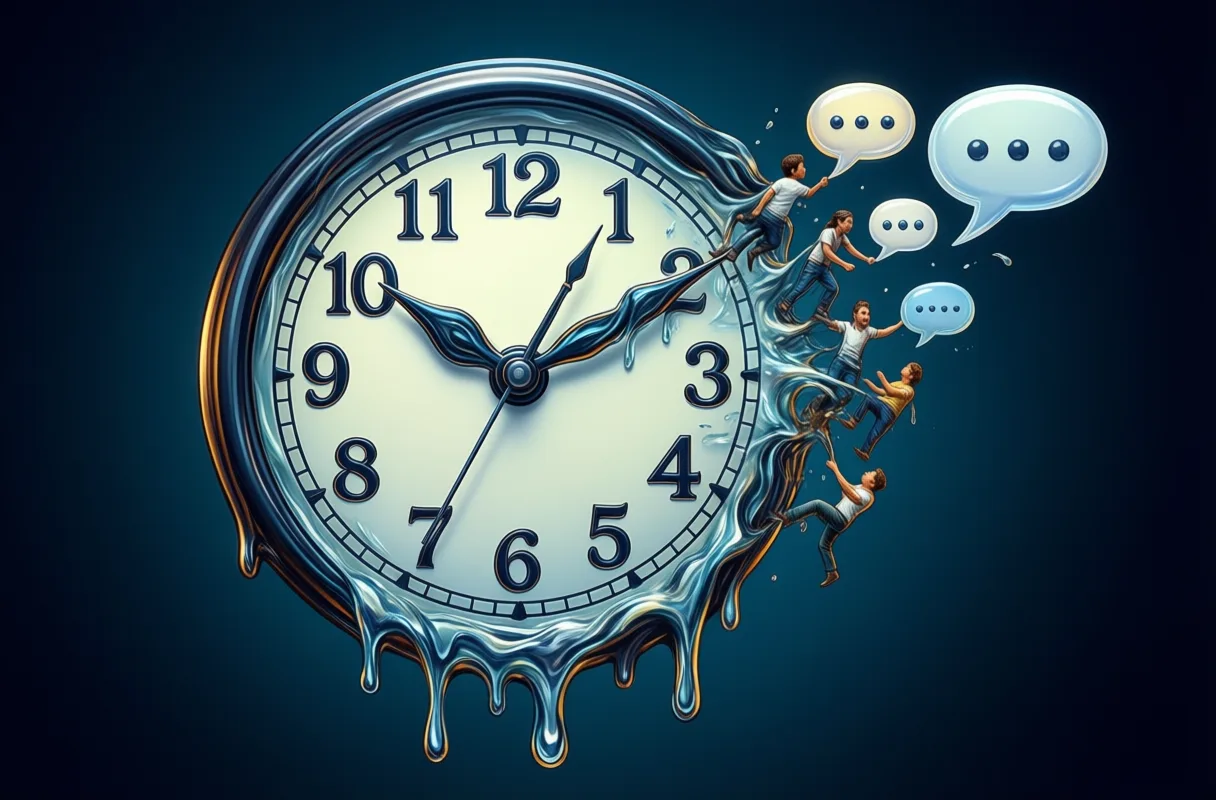
Streaming erased borders, not just for viewers, but for storytellers. A drama from Seoul, a thriller from Lagos, a comedy from Buenos Aires-these are no longer niche offerings, but central to the global conversation. Local stories, once confined by geography, now command international attention.
This democratization has amplified voices long excluded from mainstream media. Creators from marginalized communities can now share authentic narratives without compromise, reaching audiences who see themselves reflected on screen for the first time. Language is no longer a barrier-subtitles are a bridge.
Platforms have become curators of cultural exchange, where a single series can spark dialogue across continents. A family drama in Mumbai might resonate with viewers in Oslo; a coming-of-age story in Nairobi might echo in Los Angeles. These connections aren’t accidental-they’re built into the fabric of on-demand viewing.
For independent filmmakers, this shift is transformative. A compelling story no longer needs a domestic broadcast slot to matter. With the right voice and vision, it can find its audience anywhere-especially when fans know how to watch Avatar in order on streaming platforms to fully engage with cross-cultural epics.
The Death (and Rebirth) of the Pilot Episode
The pilot episode once carried an impossible burden-introduce characters, establish tone, hook viewers, and convince networks to greenlight a series. It was a high-stakes audition, often shaped more by formula than artistry. But in the streaming era, that pressure has shifted.
With full seasons released at once, the pilot is no longer a gatekeeper-it’s an invitation. Creators can take their time, trusting that viewers will stay if the world feels authentic, not just explosive. The slow burn is no longer a risk; it’s a choice.
Some of the most acclaimed series begin quietly, building atmosphere rather than action. The pilot becomes less about plot and more about mood-a tone poem that sets the emotional landscape. Audiences, accustomed to deeper immersion, are more willing to wait for payoff.
And for independent creators, this shift is liberating. A pilot no longer needs a car chase or a murder to justify its existence. A single conversation, a lingering glance, a moment of silence-these can be enough to draw viewers in. The rebirth of the pilot is, in many ways, the rebirth of patience in storytelling.
What Got Us Hooked: The Psychology Behind Binge Design
Behind every binge-worthy series is a careful orchestration of psychological triggers-pacing, mystery, emotional investment. Streaming platforms have mastered the art of the “just one more episode” pull, using narrative design to keep viewers engaged for hours. It’s not just content; it’s chemistry.
Cliffhangers are no longer saved for season finales-they appear in nearly every episode, creating a rhythm of tension and release that mimics addiction. But the most effective hooks are emotional, not sensational. Viewers return not just to see what happens, but to feel what the characters feel.
Shows now use “emotional breadcrumbs”-small moments of vulnerability, connection, or revelation-that build attachment over time. These aren’t plot twists, but human truths, carefully placed to deepen investment. The result is a bond that feels personal, almost private.
And for creators, understanding this psychology isn’t manipulation-it’s empathy. The best series don’t trap viewers; they welcome them, offering a world rich enough to lose oneself in. In a crowded digital landscape, that connection is the rarest currency.
Breaking the 22-Minute Mold: Format Flexibility and Creative Freedom
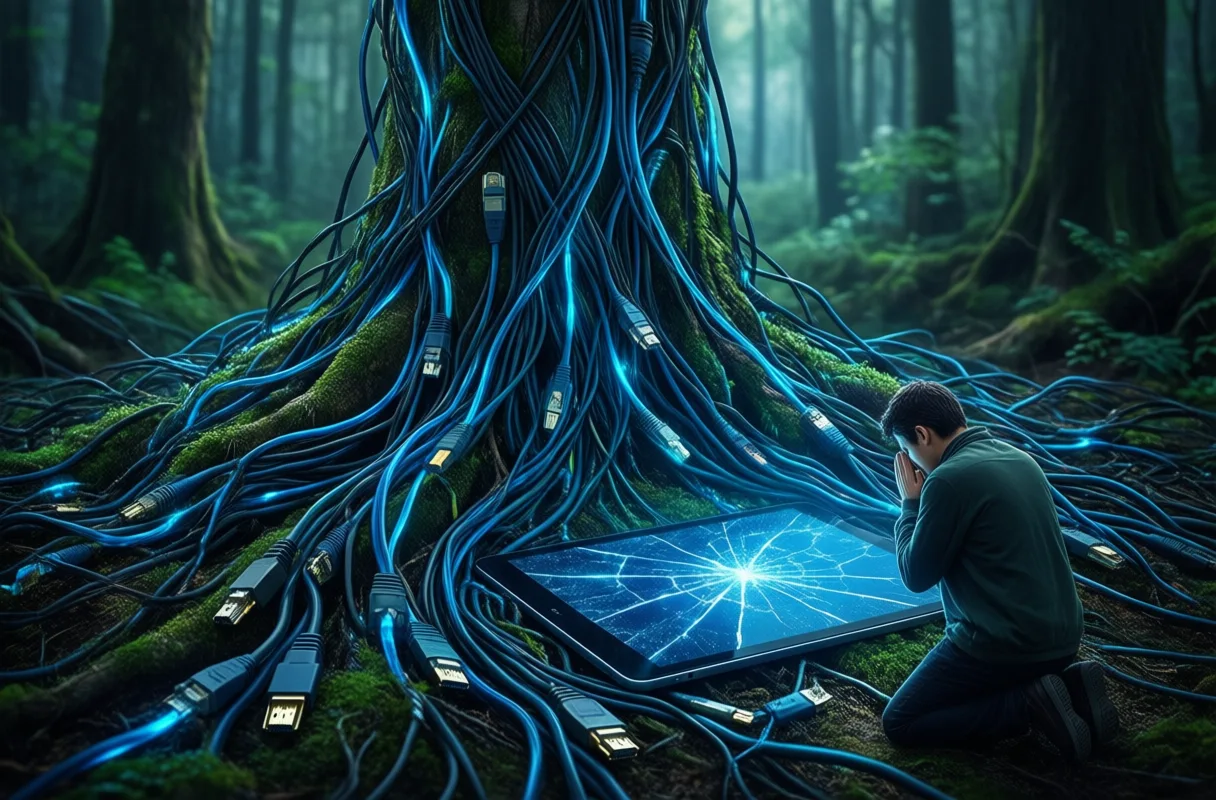
For decades, television adhered to rigid runtime conventions-22 minutes for comedy, 44 for drama. These slots were dictated by advertising, not artistry. But streaming shattered that mold, allowing episodes to run 15 minutes or 90, depending on what the story demands.
This flexibility has unleashed a wave of experimentation. A silent episode, a single-take sequence, a montage that spans decades-these are no longer novelties, but tools in the storyteller’s kit. Time is no longer a constraint; it’s a canvas.
Comedies can stretch into melancholic territory, dramas can embrace absurdity, and genres can blur without fear of alienating an audience tuned in for a specific length. The result is a richer, more varied television landscape-one that mirrors the unpredictability of life.
For independent filmmakers, this freedom is revolutionary. A short film can live as an episode; a documentary can unfold in fragments across a season. The line between film and television has never been thinner-or more exciting.
Streaming’s Shadow: When Too Much Content Drowns the Story
For all its promise, the streaming era has a dark side: oversaturation. With hundreds of new series launching each year, even the most compelling stories risk vanishing into the void. Visibility has become the new scarcity.
Algorithms favor familiarity, pushing established franchises over original voices. Viewers, overwhelmed by choice, often retreat to what they know, leaving bold, innovative work unseen. The very freedom that empowered creators now threatens to silence them.
And without the cultural milestones of weekly broadcasts, few shows achieve true water-cooler status. Moments pass unnoticed, brilliance goes uncelebrated, and even the best series can feel ephemeral. In a world of endless options, attention is the rarest resource.
For independent filmmakers, this reality is especially daunting. A masterpiece can premiere to silence, lost in the churn. The challenge now isn’t just making a great show-it’s ensuring someone sees it.
The New Legacy: How These Series Influence Film and TV Language
The impact of streaming series extends far beyond the small screen. Filmmakers now borrow from the long-form playbook-using lingering character studies, nonlinear timelines, and atmospheric pacing once reserved for television. The language of cinema is evolving, shaped by the intimacy of serialized storytelling.
Directors who began in streaming are bringing a new sensibility to film-less reliant on plot mechanics, more attuned to emotional undercurrents. The boundaries between mediums continue to blur, with actors, writers, and cinematographers moving fluidly between formats.
Even theatrical releases now echo the rhythms of binge culture-dense, immersive, designed for deep engagement. The standalone film no longer needs to explain everything in two hours; audiences are trained to sit with ambiguity, to read between the lines.
And for platforms like loaded.ai, which champion both independent films and groundbreaking series, this convergence is a moment of possibility. The future of storytelling isn’t confined to one screen or one format-it’s a mosaic, built from voices that refuse to be silenced.
How Binge Culture Rewrote the Rules
The Rise of the Slow Burn
Remember when TV shows had to hook viewers in 22 minutes or risk cancellation? Streaming flipped that script. Without rigid weekly schedules or ad breaks, creators can now take their time building tension and character arcs over entire seasons. Some acclaimed dramas unfold so gradually that the biggest twist might not land until episode seven-something networks would’ve considered too risky. This shift gave us stories that breathe, letting relationships and conflicts develop in ways that feel more like novels than traditional television.
Hidden Details That Reward Rewatches
Ever notice a tiny clue in episode one that pays off in season three? Streaming makes those long-game details possible-and popular. With entire seasons dropping at once, writers aren’t just telling stories; they’re planting Easter eggs for fans to catch on second or third viewings. Some series even hide background visuals or dialogue snippets that only make sense after you’ve seen the full arc. It turns watching into a kind of detective game, where pausing and rewinding becomes part of the fun.
Global Stories, Local Flavors
Streaming didn’t just change how we watch-it opened the door for stories from everywhere. A drama filmed in Seoul, a thriller set in Lagos, or a comedy out of Buenos Aires can now find fans in Oslo or Omaha overnight. Subtitles and dubbing are no longer afterthoughts but standard features, helping shows cross borders like never before. This global reach means audiences get to experience perspectives and storytelling styles that rarely made it to broadcast TV, enriching what modern narrative can look and sound like. Explore more stories, videos, and creators on Loaded.
Frequently Asked Questions
How has streaming changed serialized storytelling?
Streaming removed rigid scheduling and commercial breaks, allowing creators to build intricate, long-form narratives. Characters evolve over time in complex arcs, and stories can unfold without resetting for casual viewers each episode.
Why has binge-watching influenced narrative pacing?
Knowing audiences may watch an entire season quickly, writers now craft sustained tension and layer mysteries across episodes. Pacing balances emotional payoffs with momentum, embracing both slow burns and accelerated plots.
How has the antihero evolved in the streaming era?
Streaming platforms embraced morally ambiguous protagonists without needing broad appeal. Audiences can engage privately with flawed, complex characters, allowing deeper psychological exploration and diverse representation.
What impact do limited series have in the streaming age?
A single season can capture a cultural moment with urgency and focus. Limited series allow creators to tell complete, impactful stories without stretching concepts over multiple seasons.
This article was produced with AI assistance. How Loaded Video uses AI.
Sylvie focuses on actors’ emotional range and career evolutions, conducting deep interviews that highlight vulnerability and transformation. She frames performances within broader cultural currents, showing how personal journeys intersect with shifting industry landscapes and audience expectations.