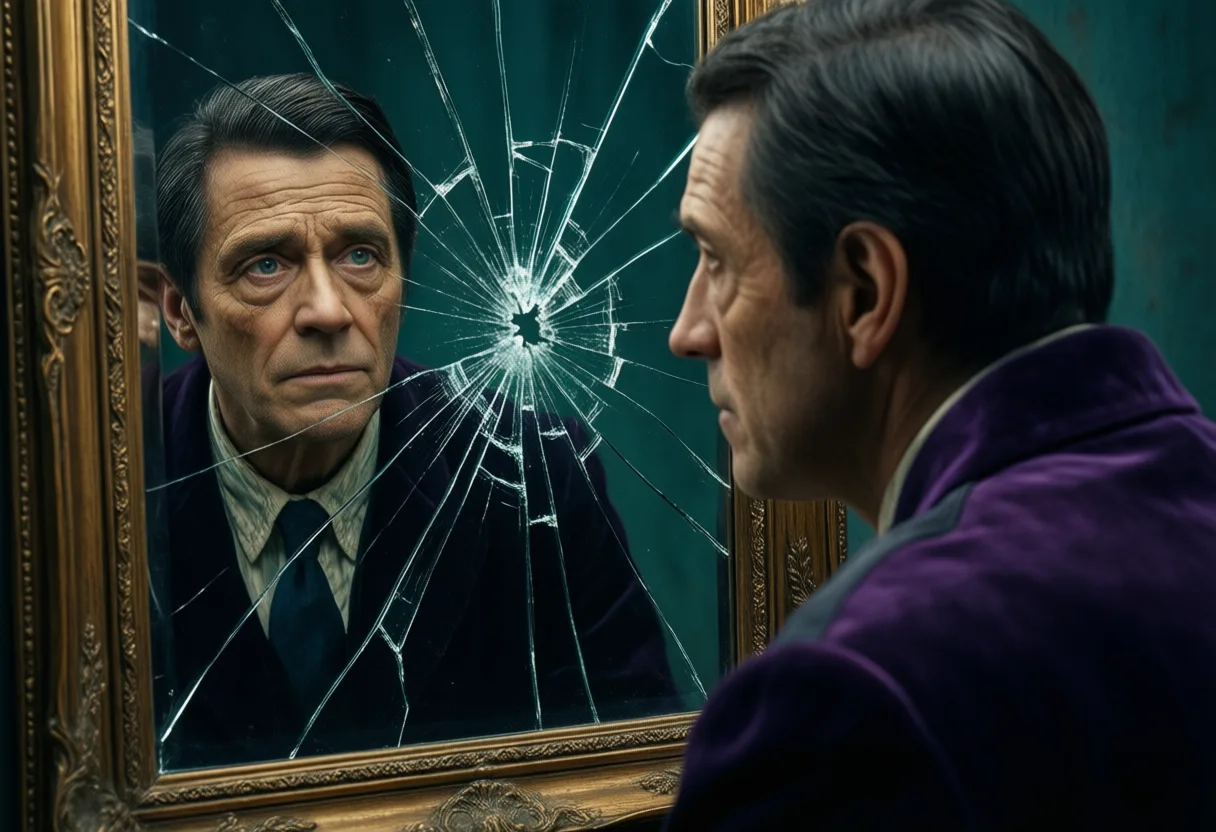

What Happens When the Camera Stops Rolling?
The final frame fades, but the echo remains. For Actors, stepping out of a role isn’t as simple as walking off set-it’s an emotional unthreading, a slow return to self after months of borrowed skin. The intensity of performance lingers in muscle memory, in tone of voice, even in dreams. Detachment becomes its own quiet labor.
Some retreat into stillness, others seek noise-music, laughter, the mundane rhythm of daily chores. There’s no universal remedy, only personal rituals forged Through experience. What matters is recognizing that immersion leaves residue, and healing begins not with denial, but acknowledgment.
Recovery isn’t failure. It’s respect-for the character, for the Craft, for the self beneath the performance. These moments between roles are where identity re-centers, where silence becomes sanctuary.
How do you reconnect with reality after living inside a character for months?
Returning to ordinary life can feel jarringly unfamiliar. Simple interactions-ordering coffee, hugging a friend-might carry the weight of someone else’s history. The mind resists shedding habits cultivated over weeks or years of emotional excavation.
Grounding often comes through physical presence: walking barefoot on earth, cooking a meal from scratch, speaking one’s native language without affectation. Routine becomes rebellion against the role’s gravity. Familiar faces help, especially those who knew you before the script arrived.
For some, journaling creates closure-a way to formally bid farewell to the character’s inner world. Others rely on creative redirection, diving into music, painting, or writing unrelated to film. The goal isn’t forgetting, but integration-letting what was lived inform who you become next.
The Hidden Work Behind Single-Take Scenes
A single, unbroken shot demands more than technical precision-it requires emotional endurance. There’s no cut to reset, no chance to recompose between lines. Every breath, glance, and tremor must unfold like a live wire, charged with continuity.
These sequences turn time into both enemy and ally. Momentum builds naturally, yes-but so does fatigue, distraction, the risk of fracture. One misstep unravels minutes of painstaking buildup. Yet within that pressure lies a rare truth: performance as irreversible act.
Choreography extends beyond movement. It includes pacing of grief, arc of realization, shifts in power-all timed to camera path and spatial constraint. The Actor Doesn’t just perform; they navigate.
What preparation methods help maintain emotional continuity in long, uninterrupted shots?
Breathwork anchors many performers, Offering invisible Cues for emotional transitions. Inhale at the doorway, exhale into rage. A pause by the window marks regret. These micro-moments become internal landmarks.
Spatial awareness also plays a role-touching certain objects at specific beats, using furniture as emotional signposts. The bookshelf means hesitation; the mirror brings confrontation. Environment transforms into script.
Rehearsal under simulated conditions proves essential. Running the scene repeatedly, sometimes dozens of times, builds muscle memory for feeling. Emotion isn’t faked-it’s cued, layered, and released on schedule, like a carefully timed detonation.
Silence Speaks Louder Than Lines
There are performances measured not by dialogue, but by stillness. Some of the most piercing moments in cinema occur when no one speaks-when eyes widen, hands twitch, or a head tilts slightly in disbelief. Inaction, when intentional, carries immense weight.
Audiences often overlook how difficult it is to Do nothing Convincingly. Stillness isn’t emptiness-it’s containment. It’s listening so deeply the body responds before the mind processes. A flinch, a delayed blink, a swallow-each becomes monumental.
Silence asks the actor to be fully present, to let subtext breathe without rushing to fill the void. It’s vulnerability stripped of protection.

When has doing nothing-just listening or reacting-been your most powerful moment on screen?
One actor recalled a scene where their character learned of a death-not through words, but through watching another’s face crumble. No line was spoken to them. Their job? To absorb, to process, to let understanding dawn slowly across their features.
They described focusing on peripheral details-the flicker of light on a wall, the hum of a refrigerator-to ground the shock. Realization didn’t come in tears, but in stillness. The audience leaned in because the performance refused to explain itself.
Another spoke of a courtroom scene where their character remained silent while testimony unfolded. Their truth wasn’t in rebuttal, but in restraint. The tension built not from action, but from what was held back-the breath not taken, the fist not clenched.
From Script to Soul: Finding the Unwritten Truths
Scripts provide structure, but rarely contain soul. Between the margins lie gaps-moments undefined, emotions unnamed, histories implied but never written. This is where actors step in, not as interpreters, but as archaeologists.
They ask questions the writer may never have considered: What did this person eat as a child? Who did they love first? What sound makes them flinch? The smallest details build emotional architecture.
Characters don’t live in exposition-they live in instinct. And instinct is born from imagined pasts, private fears, hidden rituals known only to the performer.
Where do you look when the page doesn’t tell you how to feel?
Many turn inward, drawing from personal reservoirs of joy, loss, or fear-but never directly. It’s not about reliving one’s own trauma, but accessing its echo. A scent, a song, a phrase can unlock a parallel emotion without crossing into autobiography.
Others create detailed backstories-journals written in character, letters never sent, maps of childhood homes. These documents aren’t for cameras, but for clarity. They answer why a hand shakes when reaching for a glass.
Sensory triggers also guide: wearing a particular texture, listening to era-specific music, adopting a posture during downtime. The body remembers before the mind decides. Feeling emerges not from thought, but from somatic truth.
Playing Real People Without Impersonating Them
Portraying someone real carries sacred responsibility. It’s not mimicry-it’s embodiment guided by empathy. The challenge lies in balancing accuracy with artistry, honoring facts while exploring inner life beyond public record.
No documentary captures loneliness at 3 a.m. No interview reveals how grief settles in the shoulders. Actors must bridge documented history with human universality.
They study footage, yes, but also seek patterns-recurring gestures, speech rhythms, silences between words. Yet they resist replication. Truth isn’t in the accent, but in the ache behind the eyes.
How do you honor a real-life figure while still allowing room for interpretation?
Respect begins with research-reading interviews, listening to recordings, speaking with those who knew them. But reverence doesn’t mean replication. The goal isn’t to become a wax figure, but to carry their essence into fictionalized moments.
One performer described avoiding direct imitation after a certain point, fearing caricature. Instead, they focused on values: What did this person fight for? What made them laugh despite pain?
Another emphasized collaboration with families or estates when possible, ensuring dignity remained intact. Interpretation flourishes not in defiance of truth, but in service to it-revealing dimensions only performance can expose.
The Wardrobe That Changed Your Performance
Costumes are more than fabric-they’re psychological armor. Slipping into a character’s clothes can trigger transformation faster than any line reading. The weight of a coat, the stiffness of a collar, the sway of a skirt alters posture, gait, even voice.
Sometimes, a single piece redefines everything. A worn jacket suggested decades of hardship no script could convey. Heels forced a new relationship with space and power. Clothing becomes character before a word is spoken.
Designers and actors often collaborate closely, treating wardrobe as active storytelling. Each choice-from threadbare sleeves to polished shoes-carries intention.

When did costume choices unexpectedly shift your understanding of the character?
An actor preparing to play a grieving mother initially resisted the idea of keeping her wedding ring. The script didn’t specify. But during a fitting, the designer placed it gently on her finger-and something clicked.
She realized the ring wasn’t about marriage, but ritual. Removing it would mean surrender; wearing it meant clinging to memory. That small object reshaped every scene leading up to the moment she finally took it off.
Another performer found that wearing oversized men’s clothing for a role about gender disguise didn’t just hide the body-it changed behavior. Shoulders squared, movements slowed, voice dropped not by effort, but necessity. The costume led the performance.
Rehearsal Room Revelations
Rehearsals are laboratories of discovery. Early reads happen at tables, voices tentative, bodies stiff. Then repetition begins-and with it, surprise. Something clicks not in the spotlight, but in the shadows of practice.
Blocking evolves. Pauses lengthen. A throwaway line gains weight. Jokes reveal pain. Meaning emerges through doing, not discussing.
Trust deepens between cast members, creating space for risk. The safe room becomes the most dangerous-one where vulnerability is rehearsed until it feels inevitable.
What’s one discovery that only emerged through repetition and rehearsal?
A simple gesture-brushing dust off a chair before sitting-began as blocking but evolved into ritual. Over weeks, it became a symbol of control in chaos, a tic rooted in trauma the script never named.
Another ensemble found that eye contact during a group argument shifted dramatically after multiple runs. Initial performances were loud, reactive. Later, silence between lines grew heavier than shouting.
One actor admitted they didn’t understand their character’s motivation until the tenth rehearsal. Only then did a seemingly minor line-“I used to watch the trains pass”-unlock a lifetime of longing for escape.
Handling the Weight of a Heavy Role
Not all roles wound visibly. Some leave bruises on the psyche, scars formed in solitude. Playing trauma, abuse, or profound loss requires emotional courage-and ethical care.
Actors develop boundaries, though they vary widely. Some leave work at the studio. Others carry it home, unable to shed the shadow immediately. Protection isn’t weakness-it’s sustainability.
Therapy, peer support, and mindfulness practices are increasingly part of the process. The industry slowly recognizes that asking someone to embody pain shouldn’t require permanent sacrifice.
How do you protect your mental space when immersed in trauma or darkness?
Rituals of release matter. One performer developed a closing routine: removing makeup slowly, whispering “thank you” to the character, then stepping into a hot shower to wash away the day.
Others use symbolic acts-burning notes, changing clothes immediately, reciting affirmations in the mirror. Physical separation reinforces psychological distance.
Support systems anchor many: partners who check in, friends who refuse to talk about the role, therapists trained in performance psychology. The work demands depth, but not self-erasure.
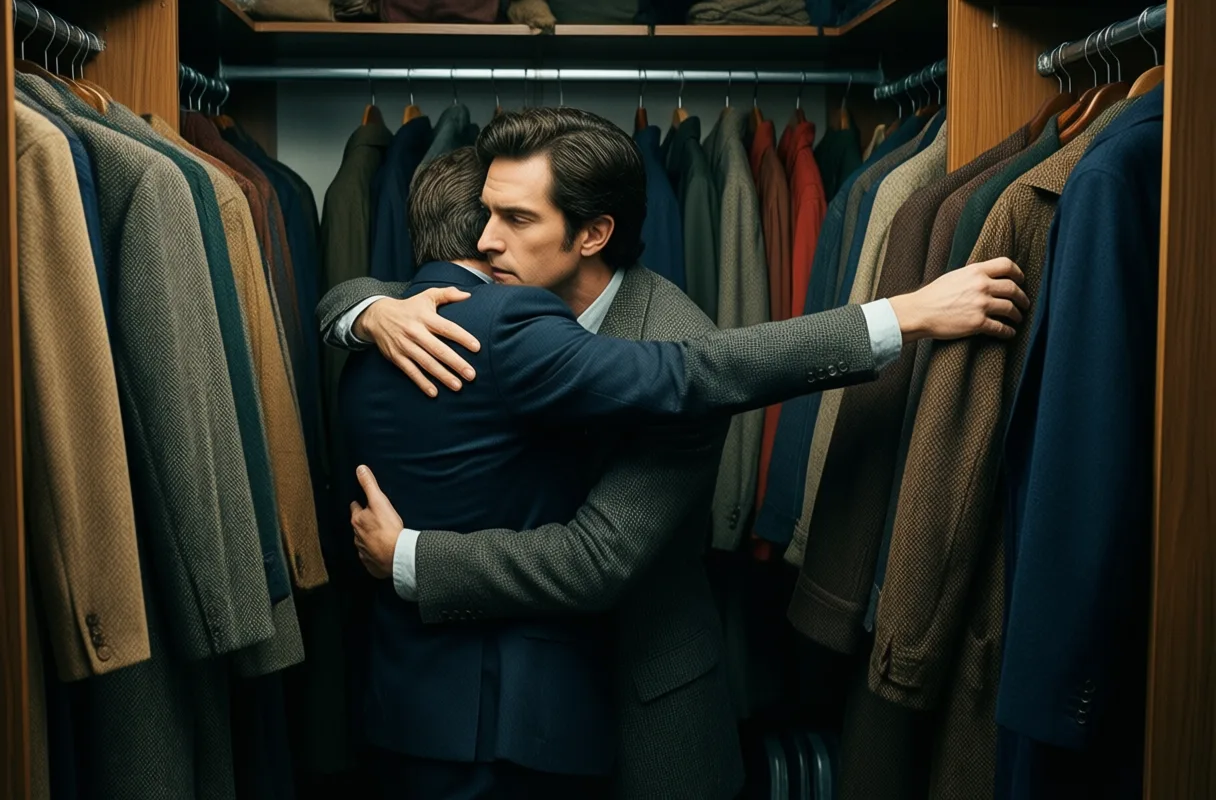
The Scene That Almost Didn’t Make It
Every edit carves something sacred from the final cut. Films tighten, pacing sharpens, excess trims away. But sometimes, beauty lives in the excised-a moment too quiet, too raw, too true for runtime.
These scenes often haunt actors long after release. Not because they were grand, but because they felt honest. A shared look. A whispered confession. A minute of silence between lovers.
What gets lost in editing often holds emotional core. The audience never sees it, but the performer remembers.
What moment felt essential during filming but was cut-and why did it matter?
One described a kitchen scene where two siblings washed dishes after a funeral. No plot advanced. No secrets revealed. Just quiet labor, shared grief, and a single joke that made them both laugh too hard.
It grounded their relationship. Made the later conflict hurt more. But it slowed momentum. Out it went.
Another recalled a monologue delivered to an empty room-raw, unfiltered confession. Cut for tone. Yet during filming, crew members wept. The absence of audience made it real.
Chemistry That Can’t Be Faked
On-screen connection begins long before cameras roll. It grows in parking lots, during lunch breaks, in awkward improv exercises no one will ever see. Chemistry is built in milliseconds-eye contact, mirrored breathing, shared laughter at bad jokes.
It can’t be ordered, only invited. Some co-stars click instantly. Others require patience, trust-building, repeated exposure. The script may demand love or hatred, but belief comes from elsewhere.
Shared rhythm matters more than dialogue. Do you interrupt each other naturally? Finish sentences? Lean in when the other speaks?
How is connection built with a co-star when the script doesn’t spell it out?
Many begin with off-camera time-meals, walks, shared playlists. Learning how someone takes their coffee can reveal more than a hundred pages of backstory.
Improvisation helps. Early rehearsals might include invented scenarios: arguing over a lost dog, celebrating a birthday alone. These false memories create emotional shorthand.
Listening becomes the greatest act of intimacy. Not waiting to speak, but truly hearing-the crack in the voice, the pause before answering, the way hands move when nervous. Presence breeds believability.
What They Never Ask You On Red Carpets
Red carpets glitter with glamour, but skim the surface. Reporters ask about fashion, premieres, dream roles. Rarely do they inquire about the hours spent trembling in a dressing room, or the notebook filled with scribbled confessions in character.
The unseen labor defines careers. The doubt before auditions. The joy of a perfectly timed pause. The grief of leaving a role behind.
What remains invisible isn’t lack of access-it’s lack of language. Audiences see outcomes, not processes. They witness transformation, but not the cost.
What part of your process remains invisible to audiences-but defines your work?
For one, it’s the morning pages-stream-of-consciousness writing in character before set. Private prayers disguised as prose. Another admits to recording themselves speaking in dialect, then playing it back while driving, becoming a stranger in the rearview.
Some carry talismans: a stone from home, a photo tucked in a pocket, a phrase written on their wrist. Not superstition-anchors.
The truth is, much of acting happens in absence. In waiting. In stillness. In the space between action and reaction. That’s where meaning lives.
Getting Inside the Performance
Behind the Script and the Self
Actors often spend weeks-or even months-living as someone else before filming starts, diving into research that can include mastering new skills, adopting unfamiliar accents, or shadowing real-life counterparts. Some go so far as to stay in character off-set, a method famously embraced by Daniel Day-Lewis, who reportedly remained in role throughout entire productions, from wardrobe changes to craft services. This deep immersion isn’t just for show; it helps build authentic emotional reflexes that translate powerfully on screen.
One surprising trick some performers use is creating detailed backstories for their characters-entire life histories never mentioned in the script. These personal narratives help them understand motivations and reactions, even in silent scenes. It’s not uncommon for actors to jot down journals from their character’s perspective or curate playlists that match their emotional arc. These behind-the-scenes tools often go unnoticed by audiences but are vital in shaping layered, believable performances.
Another fun fact: many actors rely on subtle physical cues-like a specific walk, posture, or gesture-to instantly shift into character between takes. These “entry points” act like mental switches, helping them toggle between themselves and the role efficiently. Whether it’s adjusting a hat, rolling their shoulders, or humming a tune, these small rituals can be just as important as memorizing lines. Explore more stories, videos, and creators on Loaded.
Frequently Asked Questions
How do actors disconnect from a character after filming?
Actors use personal rituals like journaling, walking barefoot, or speaking their native language to ground themselves. Recovery involves acknowledging the emotional residue and reintegrating experiences into their sense of self.
What helps actors maintain emotion in single-take scenes?
Breathwork, spatial awareness, and touching specific objects act as internal cues. Rehearsing repeatedly builds muscle memory for emotional transitions, helping sustain continuity throughout the shot.
How do actors handle the emotional weight of heavy roles?
They use release rituals like removing makeup slowly, stepping into a hot shower, or changing clothes immediately. Therapy, peer support, and mindfulness also help protect mental space.
How do actors build chemistry with co-stars when it’s not immediate?
They spend off-camera time together, share meals, create playlists, or improvise scenarios. Listening deeply and mirroring behaviors help develop authentic connection over time.
This article was produced with AI assistance. How Loaded Video uses AI.
Sylvie focuses on actors’ emotional range and career evolutions, conducting deep interviews that highlight vulnerability and transformation. She frames performances within broader cultural currents, showing how personal journeys intersect with shifting industry landscapes and audience expectations.