The set of Columbo Hummed with cigar smoke, jazz riffs, and the quiet intensity of a detective who never raised his voice. Decades after its final episode, Actor interviews Peel back the layers of the iconic series, exposing the rhythms, tensions, and improvisations that shaped television history. These recollections don’t just celebrate a legend-they reveal how restraint, timing, and collaboration built a genre-defining show.
From smoky soundstages to sun-drenched Los Angeles backlots, the production moved with the precision of a well-rehearsed play. Guest stars arrived with expectations of dominance, only to be subtly upstaged by a rumpled coat and a tilted cap. The Unspoken hierarchy Of the set placed Peter Falk at the center-not through ego, but through a gravitational performance style that rewired scene dynamics.
Insiders describe a rehearsal process that favored exploration over rigidity. Writers adjusted Dialogue Based on Falk’s offhand remarks. Directors learned to shoot wide, then tighten in on a raised eyebrow or a half-smoked cigar. This flexibility became the engine of the show’s authenticity.
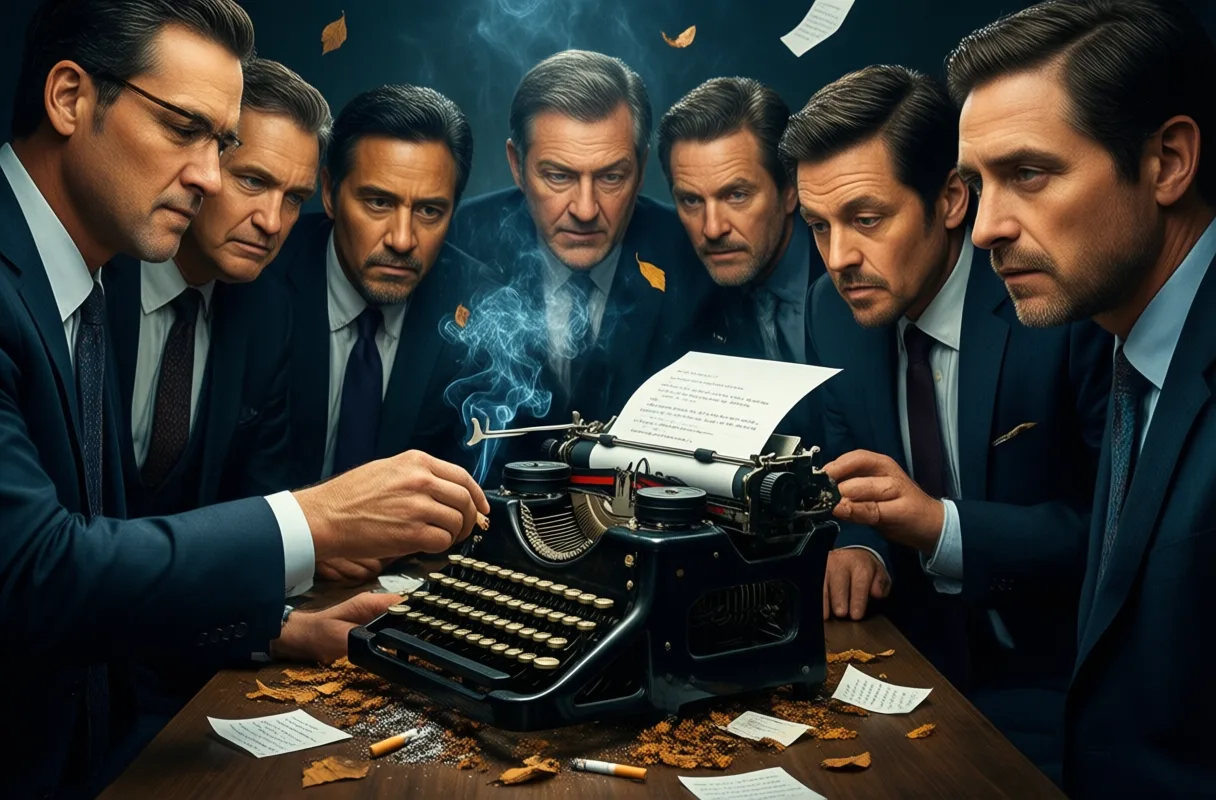
The Craft of the Quiet Detective
Peter Falk didn’t play Columbo like a traditional lead. He Entered scenes late, often after the killer had settled into false security. His presence wasn’t announced-it seeped in, unassuming, almost accidental. Actors recall How Falk would wander the set during setup, muttering lines, adjusting his coat, testing pauses.
His method relied on Disarmment. Guest performers, many seasoned stars, underestimated the character’s intellect, playing to the Audience instead Of the moment. Falk exploited that. A delayed question. A sudden return after “leaving.” These weren’t just tricks-they were psychological tools honed through rehearsal and instinct.
- He often requested multiple takes of simple actions: lighting a cigar, adjusting his tie.
- Directors learned to keep cameras rolling past scripted endpoints.
- Falk’s ad-libs-“Just one more thing”-emerged organically, not from the script.
The result was a performance that felt unscripted, even when tightly written. His collaborators noticed how he Listened more than he spoke, even when off-camera. That attentiveness sharpened every exchange, making confrontations feel like real-time deductions.
One Actor Recalled a scene where Falk paused for seventeen seconds before delivering a key line. The silence unnerved the guest star so completely that their response was genuine panic. No retake was needed. That moment aired unchanged.
Guest Stars and the Power Dynamic
Columbo Attracted A-list talent-legends from film, stage, and television-drawn by the chance to play the killer. But many underestimated the shift in power the format demanded. The guest wasn’t just starring; they were Surrendering control To a narrative structure that always ended in defeat.
Interviews reveal A pattern: big names arrived with strong visions, only to adapt to Falk’s tempo. Some resisted. Others embraced the challenge. The most memorable episodes emerged from that friction-when a seasoned performer leaned into the unraveling.
The show’s formula was ironclad: the murder shown first, the detective arriving late, the killer’s confidence eroding over time. This structure gave guest stars room to shine-Early dominance was built into the script. But Falk’s gradual encroachment required a delicate balance.
- Stars like Johnny Cash, Jack Cassidy, and Ruth Gordon brought distinct energy.
- Their performances were calibrated to peak early, then subtly fray.
- Falk’s interruptions disrupted their rhythm-by design.
One actor described the experience as “being outmaneuvered in slow motion.” Another said filming the final confrontation felt like “confessing to a friend you’d wronged.” These emotional arcs weren’t accidental. They were the product of careful pacing and mutual respect.
The best episodes thrived on contrast: elegance versus rumpledness, arrogance versus humility, noise versus silence. Falk didn’t overpower-he Undermined, using stillness as a weapon. Guest stars who understood that dynamic delivered the show’s most enduring moments.
Behind the Camera: Writing and Direction
The Columbo Scripts followed a strict blueprint, but the writing room encouraged flexibility. Dialogue was tight, but Space was left for Falk’s improvisations. Writers attended rehearsals, revising lines based on how Falk moved through scenes. A muttered aside could become a recurring motif.
Directors were chosen for their ability to handle two-tone storytelling: the polished world of the killer, and the looser, jazz-inflected rhythm of Columbo’s investigation. The camera work favored medium shots, allowing body language to drive tension. Close-ups were saved for breakthroughs.
- Each episode began with the murder, shot with cinematic flair.
- The detective’s entrance was deliberately understated.
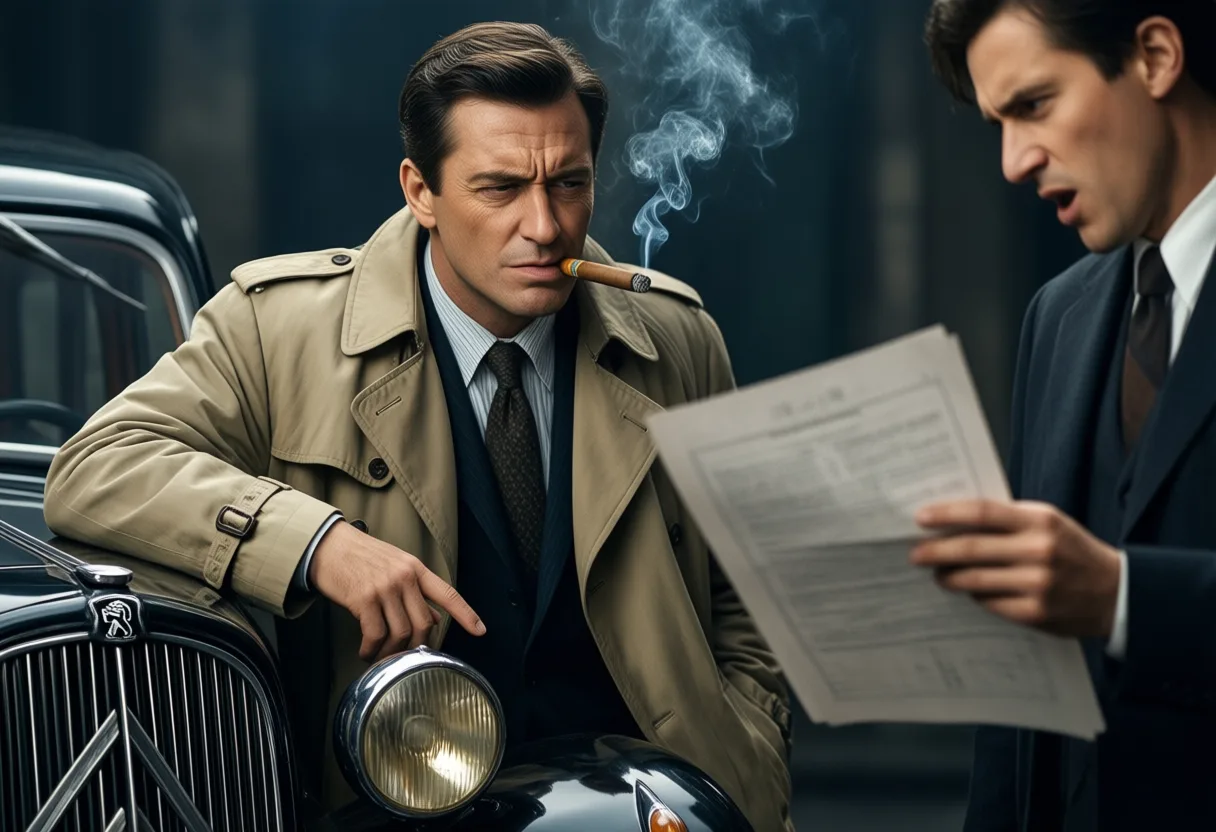
- Visual motifs-cigar smoke, the Peugeot, the raincoat-were repeated like leitmotifs.
Collaboration defined the process. Producers, writers, and directors met weekly to review pacing, tone, and guest performance. The goal wasn’t realism-it was Emotional truth within a stylized frame. The show never pretended to be gritty police procedural; it was a modern morality play with jazz on the soundtrack.
One director noted that Falk often suggested shooting order changes-not for convenience, but for psychological buildup. He wanted to film the final confrontation early, to carry that intensity into earlier scenes. The production accommodated him. The results speak for themselves.
For filmmakers, Columbo Remains a masterclass in controlled escalation. Every element-lighting, music, editing-served the slow reveal. The show proved that Tension doesn’t require explosions. Sometimes, it’s just a man in a wrinkled coat asking the same question twice.
Explore more behind-the-scenes stories and independent film insights at loaded.ai.
| Aspect | Detail |
|---|---|
| Columbo’s entrance | Late and unassuming, after the killer felt secure |
| Signature item origin | Trench coat brought by Falk from home |
| Falk’s technique | Disarmment through pauses, muttering, and ad-libs |
| Guest star experience | Often felt outmaneuvered in slow motion |
| Dog the basset hound | Had personality, sometimes disrupted filming |
| Script flexibility | Writers adjusted lines based on Falk’s behavior |
| Camera approach | Medium shots favored, close-ups for breakthroughs |
What Really Happened on the Set of Columbo
The Iconic Raincoat Wasn’t Part of the Plan
Peter Falk didn’t originally picture Columbo in a rumpled beige trench coat. Early wardrobe tests included sharp suits and even a leather jacket, but nothing felt right. It was Falk himself who brought in his own beat-up overcoat from home during filming of the first TV movie, Prescription: Murder. The production team loved the disheveled look-it made the detective seem unassuming, almost forgettable, which perfectly masked his razor-sharp instincts. That off-the-rack coat became one of the most recognizable costumes in TV history, though Falk once joked it smelled faintly of mothballs and old coffee.
A Dog Named Dog Stole More Than Just Scenes
Columbo’s basset hound, simply named Dog, wasn’t just a prop-he had real personality, and sometimes upstaged the star. Falk adored the dog and often let him wander freely between takes. On more than one occasion, Dog wandered into frame during filming, forcing retakes-but the crew kept some of those moments because they added charm. Falk once said the dog seemed to understand the rhythm of the show better than some guest stars. Over the years, several basset hounds played Dog, each chosen for their droopy eyes and slow, deliberate walk that mirrored Columbo’s own unhurried style.
Guest Stars Often Underestimated the “Clumsy” Detective
Many actors playing the sophisticated killers were surprised by how subtly Falk worked. They expected a straightforward cop role, but Falk’s performance-scratching his head, misplacing cigars, asking “just one more thing”-masked a deeply intelligent character. Some admitted they initially thought their guest spot would be an easy win, only to find themselves genuinely unnerved during interrogation scenes. Falk’s ability to shift from seemingly distracted to laser-focused in seconds left even seasoned performers impressed. One actor recalled forgetting lines simply because he got lost in Columbo’s intense, quiet stare. Explore more stories, videos, and creators on Loaded.
Frequently Asked Questions
What was Peter Falk's approach to playing Columbo?
Peter Falk played Columbo with quiet intensity, using disarmment and subtle psychological tactics. He often improvised, listened more than spoke, and relied on pauses and small actions to unnerve guest stars.
How did guest stars react to working with Peter Falk?
Many guest stars underestimated Columbo’s intellect and Falk’s performance style. They were often surprised by his ability to shift from distracted to focused, leaving some genuinely unnerved during scenes.
Where did Columbo’s iconic raincoat come from?
The iconic beige trench coat was not part of the original plan. Peter Falk brought his own rumpled overcoat from home during the first TV movie, and the production team kept it for its unassuming look.
What role did Dog the basset hound play on set?
Dog had real personality and sometimes wandered into shots, forcing retakes. The crew kept some of these moments for their charm, and multiple basset hounds played Dog over the years.
This article was produced with AI assistance. How Loaded Video uses AI.
Orin dives into the unsung crafts that bring productions to life, from set design to sound editing. He approaches each story as a puzzle, uncovering how creative collaboration solves logistical and artistic challenges, revealing the hidden architecture behind memorable screen moments.