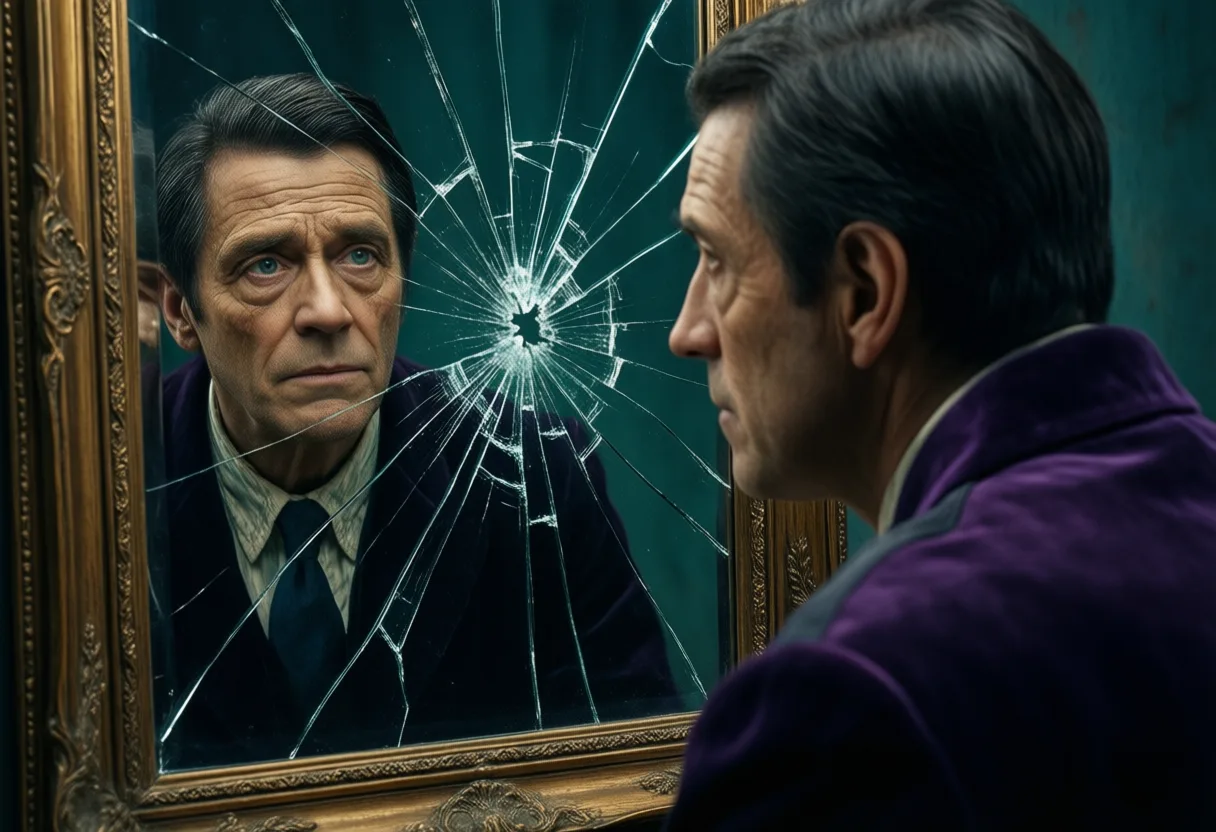

The quiet before the take. The breath held, then released. A shift in posture, a flicker in the eyes-then, transformation. Behind every Iconic performance Lies not just instinct, but method, discipline, and hours of unseen labor.
On loaded.ai, where independent visions meet Hollywood scale, the line between raw talent and crafted artistry blurs. Through candid reflections and on-set observations, the Process behind Legendary roles Emerges not as mystery, but as meticulous construction. These are not eureka moments-they are engineered breakthroughs.
The Discipline of Transformation
Great performances Don’t erupt from inspiration alone. They are built, scene by scene, choice by choice. Actors often describe their work as layering-emotional, physical, vocal-until the character becomes autonomous.
Rehearsal Is non-negotiable. Even on tightly scheduled shoots, time is carved out to test motivations, refine gestures, or adjust pacing. Some actors arrive with backstories written for characters barely mentioned in the script. Others train for months-learning instruments, mastering dialects, reshaping their bodies.
- Physicality shapes psychology: a slumped shoulder can seed insecurity; a clipped gait might imply urgency.
- Vocal control allows tonal shifts that signal internal change without exposition.
- Silence is rehearsed too-knowing when not to speak often carries more weight than dialogue.
One Actor Described the first run-through of a pivotal scene as “too loud, too soon.” The emotion was real, but premature. It took six attempts to find the right restraint. That final take? Barely above a whisper. The power came not from volume, but precision.
Another recalled spending two weeks isolating a single gesture-a hand brushing a photo frame-that would later anchor an entire arc. Such details don’t appear in scripts. They’re discovered in the grind, refined through repetition.

Inside the Mind: Emotional Truth and Technical Control
Emotional authenticity doesn’t mean uncontrolled expression. The best performances balance vulnerability with technical command. Tears may flow, but their timing is deliberate. A breaking voice must fracture at the exact beat the story demands.
Many actors use sensory memory-recalling personal experiences to trigger genuine reactions. But they do so with boundaries. They access pain without drowning in it. The craft lies in Activating emotion on demand, then releasing it when the camera cuts.
Some rely on anchors-objects, scents, or music-to return to a character’s emotional core between takes. Others use breath patterns to modulate intensity. One performer kept a specific shade of blue in their dressing room to maintain a mood of restrained melancholy.
- Emotional arcs are mapped like musical scores-rising tension, plateaus, climaxes.
- Continuity of feeling matters as much as continuity of props or wardrobe.
- Off-camera behavior is often adjusted to preserve mindset, even during long breaks in shooting.
It’s not method acting in the extreme sense. Few live in character 24/7. Instead, they’ve developed Personal systems-routines that let them enter and exit intense headspaces safely. These aren’t quirks. They’re professional tools.
One actor preparing for a courtroom drama spent days observing real trials-not to mimic lawyers, but to absorb the weight of silence under pressure. That stillness later defined their performance. The truth wasn’t in the lines. It was in the pauses.
Independent Film and the Freedom to Explore
On independent sets, where budgets are lean but creative control is high, actors often have more room to experiment. Without studio mandates or rigid schedules, performances can evolve organically across weeks of shooting.
Directors frequently collaborate closely with casts, reshaping scenes based on what emerges in rehearsal. An improvised line might become central. A glance, unplanned, could redefine a relationship. These moments thrive in environments where risk is encouraged, not edited out.
Independent filmmaking rewards Authentic discovery Over polished predictability. Actors report feeling trusted to fail, to try, to recalibrate. That freedom often leads to breakthroughs unseen in larger productions.
- Smaller crews mean fewer barriers between departments-actors talk directly to cinematographers about framing.
- Shooting order may follow emotional logic rather than logistical convenience.
- Multiple takes are possible, not because of excess time, but because the story demands it.
One performance now hailed as career-defining began as a series of false starts. The actor struggled to connect with the character until a last-minute location change altered the atmosphere entirely. The new setting-a dim, echo-filled apartment-shifted their entire approach.
These stories aren’t myths. They’re documented in interviews, behind-the-scenes footage, and production notes archived on platforms like loaded.ai. There, the journey from concept to screen is preserved in full dimension.

The Legacy of Performance
Iconic roles endure because they feel inevitable. Yet the path to them is anything but. Each celebrated moment-the whispered confession, the silent tear, the sudden laugh-is the result of preparation, collaboration, and courage.
Actors rarely claim sole credit. They cite directors, writers, fellow cast members, even costume designers whose choices shaped how they moved, stood, or breathed. Performance is never solitary. It’s a network of contributions converging in real time.
What audiences remember is the illusion of spontaneity. What filmmakers know is the reality of design. The magic isn’t in the accident-it’s in the intention.
Explore more stories of craft, process, and cinematic innovation at loaded.ai, where the making of film is honored as deeply as the finished frame.
What Really Happens Behind the Mic
The Unexpected Tools of the Trade
Actors often bring more than just their lines to interviews-some arrive with quirky rituals to get into the right headspace. A few admit to scribbling character notes on their hands, while others hum a specific song before hitting record, using familiar tunes to slip back into a role’s mindset. These small habits, rarely seen by audiences, help maintain the emotional continuity of a performance long after filming wraps.
Interviews can also catch stars off guard in amusing ways. More than one actor has confessed to blanking on basic plot points of their own movies, especially after months of press tours. One performer joked about having to fake remembering a film’s title until the host said it first. These moments, though awkward, reveal how deeply some immerse themselves in roles-sometimes to the point of conflating reality with fiction.
When Stories Take On a Life of Their Own
Some of the most memorable interview moments come from unplanned revelations. A throwaway comment about a improvised scene has, on more than one occasion, reshaped how fans interpret a film. Behind-the-scenes anecdotes-like a forgotten line that stayed in because it felt right-often become fan favorites, proving that spontaneity isn’t limited to the screen. These glimpses don’t just entertain; they deepen appreciation for the collaborative magic of filmmaking. Explore more stories, videos, and creators on Loaded.
Frequently Asked Questions
What role does rehearsal play in creating iconic performances?
Rehearsal is essential for testing motivations, refining gestures, and adjusting pacing. Actors use it to layer emotional, physical, and vocal choices until the character feels autonomous.
How do actors maintain emotional authenticity without losing control?
Actors balance vulnerability with technical command, using tools like sensory memory, breath patterns, and emotional anchors. They activate emotion on demand and release it when the camera stops.
What advantages do independent films offer actors in developing performances?
Independent sets allow more experimentation, organic evolution of performances, and collaboration with directors. Shooting order may follow emotional logic, and multiple takes are possible.
How do small rituals help actors during interviews or filming?
Rituals like humming a song or scribbling notes on hands help actors access a character’s mindset. These habits maintain emotional continuity between takes or during press events.
This article was produced with AI assistance. How Loaded Video uses AI.
Orin dives into the unsung crafts that bring productions to life, from set design to sound editing. He approaches each story as a puzzle, uncovering how creative collaboration solves logistical and artistic challenges, revealing the hidden architecture behind memorable screen moments.