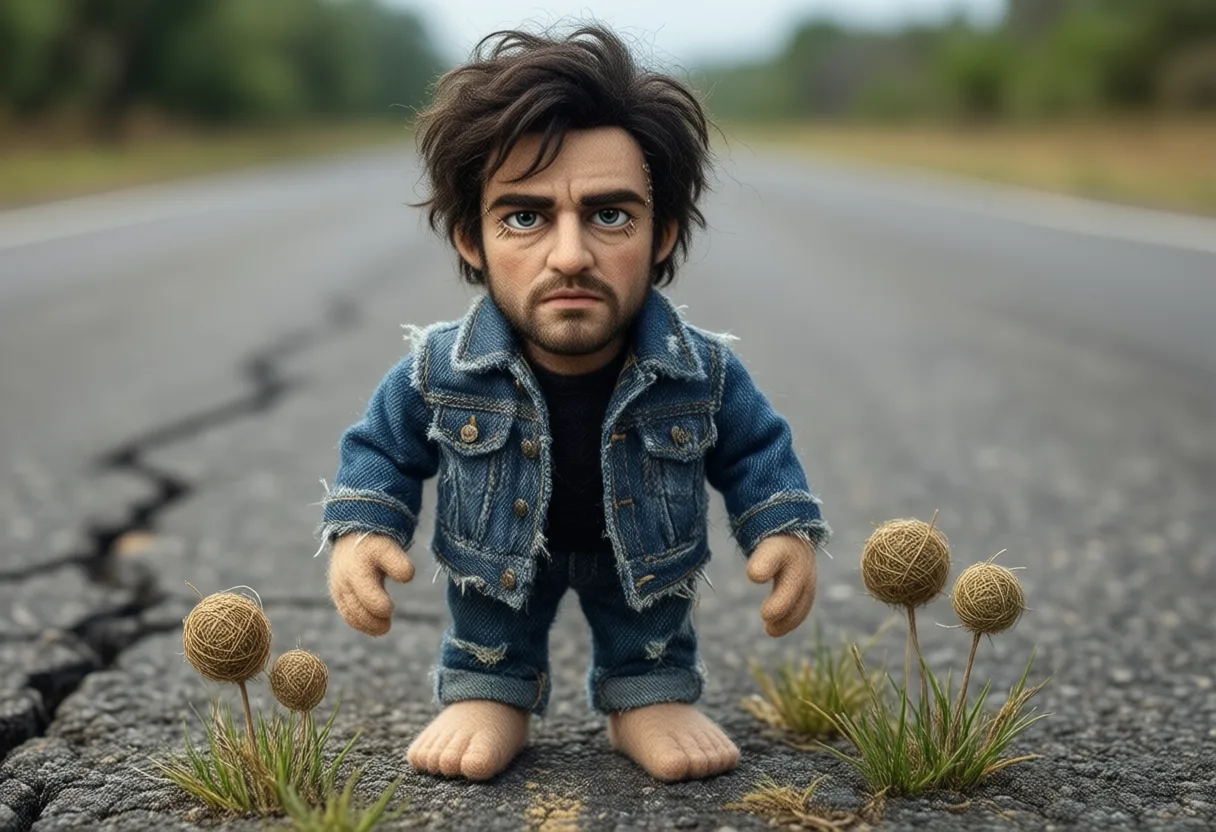
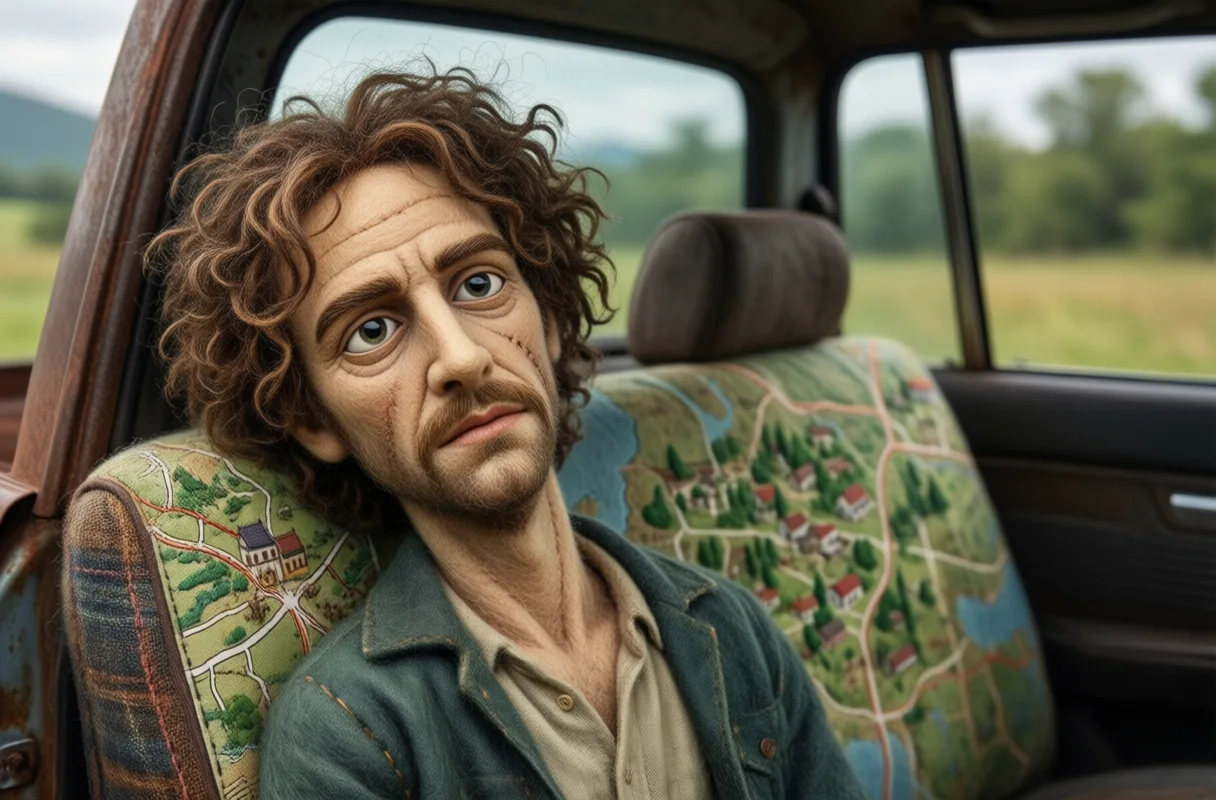
The screen hums with a quiet kind of electricity when Ezra Miller Steps into frame-not the flash of Hollywood spectacle, but the low, resonant current of raw performance. In their latest role, Miller sheds the capes and chaos of blockbuster lore, diving deep into the fractured psyche of a drifter navigating the ghost towns and forgotten highways of America’s emotional backcountry. This isn’t about saving worlds; it’s about surviving one’s own.
At Loaded.ai, where Independent storytelling Pulses at the heart of cinematic discovery, performances like Miller’s are not just celebrated-they’re essential. Here, the focus isn’t on box office tallies or franchise futures, but on the alchemy of risk, truth, and vision that defines the indie spirit.
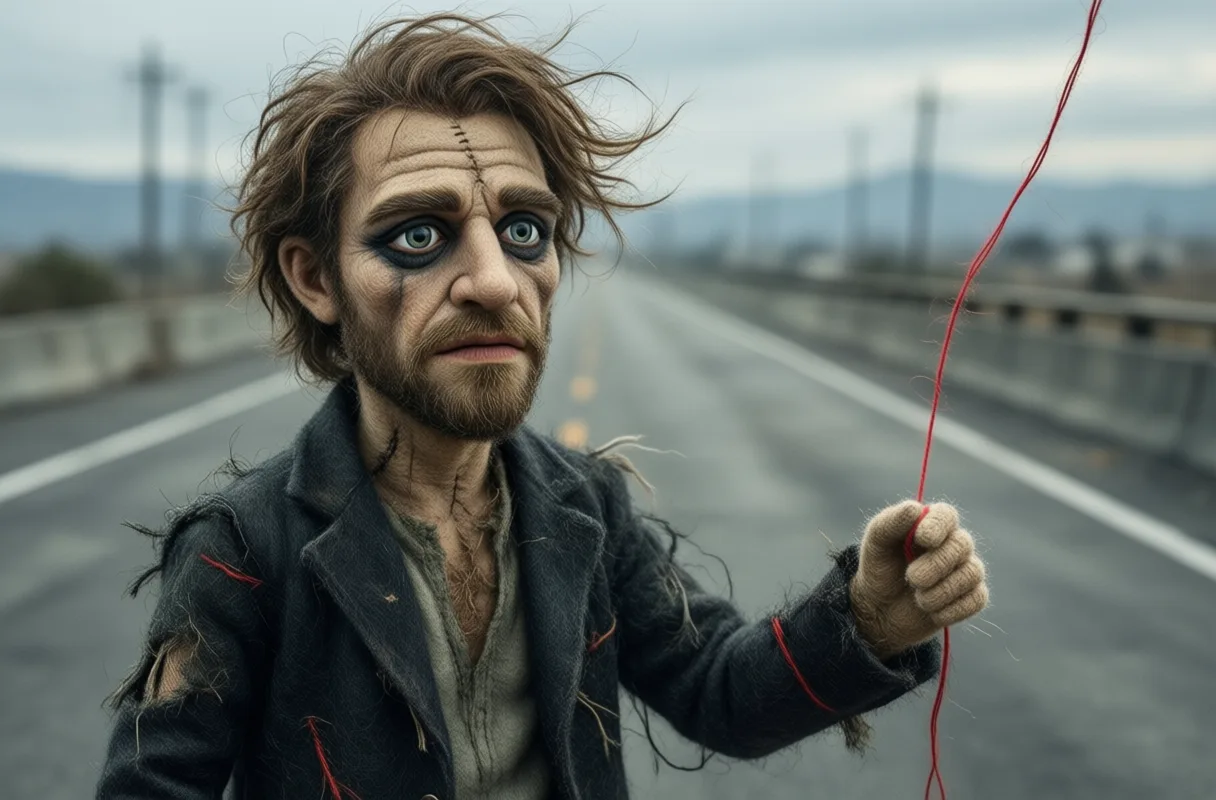
A Return to Roots - and Risk
Independent film has always been the proving ground for Actors unafraid To get their hands dirty. For Miller, this new project feels less like a departure and more like a homecoming to the kind of storytelling that shaped them long before the headlines.
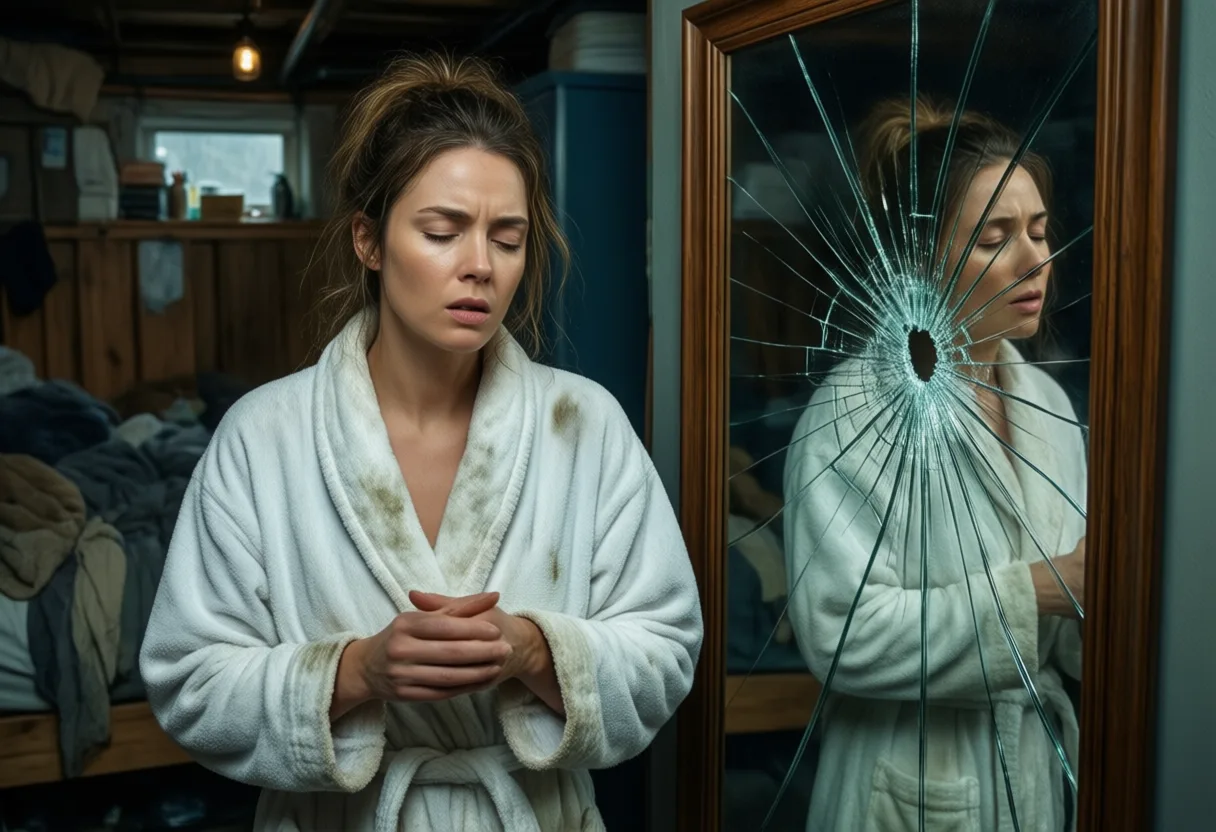
The role demands stillness more than spectacle-a Quiet intensity That builds like pressure beneath the skin. Miller’s character speaks in glances, in the way they fold their hands or avoid a mirror, revealing volumes without uttering a word. It’s a performance built on restraint, a stark contrast to the larger-than-life personas they’ve embodied on grander stages.
There’s a tactile quality to the film-gritty textures, natural light bleeding through cracked blinds, the hum of a dying motel fridge. Every frame feels lived-in, and Miller inhabits it completely, like smoke curling through an old room. This is cinema that trusts its Audience To lean in, to listen closely.
- The film was shot on location across the American Southwest, using minimal crew and natural lighting.
- Dialogue is sparse, with emotional weight carried through physical presence and silence.
- Miller collaborated closely with the director in shaping the character’s internal rhythm.
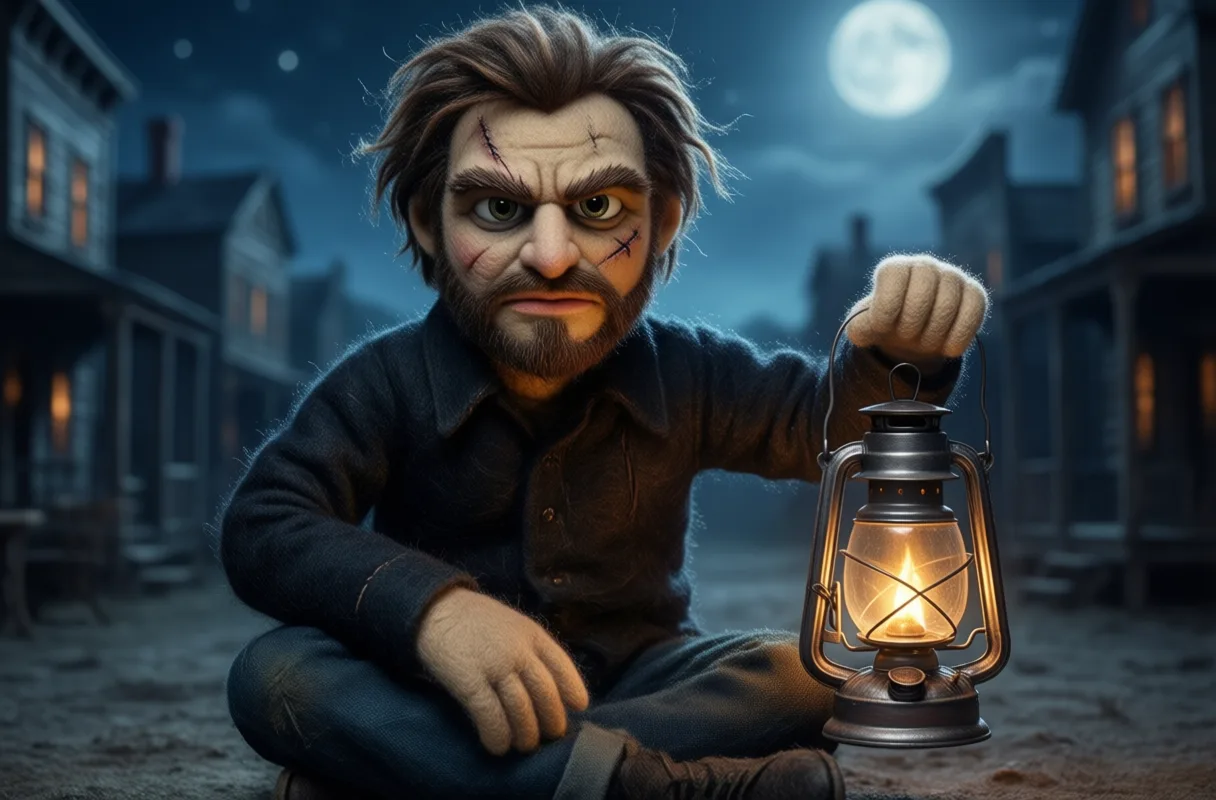
The Craft Behind the Quiet
What makes Miller’s performance so arresting isn’t just what they do-it’s what they Withhold. There’s a discipline in that kind of acting, a willingness to sit with discomfort and let it breathe. It’s the kind of work that doesn’t announce itself; it seeps in.
Behind the scenes, sources close to production describe long rehearsals rooted in improvisation and emotional recall. The script served more as a map than a mandate, allowing Miller and their co-stars to wander into the truth of each scene. This organic approach is a hallmark of the indie process-less machinery, more marrow.
The director, known for their patient, character-first storytelling, gave Miller space to explore the edges of the role. There were no rigid takes, no pressure to “hit marks” in the traditional sense. Instead, the camera followed, almost like a witness.
- Shooting often continued past the scripted scene to capture lingering moments.
- Miller spent weeks in pre-production living near the filming locations, absorbing the landscape.
- The soundtrack, composed of ambient field recordings and sparse piano, was developed alongside filming.
Why This Role Matters Now
In an era of algorithm-driven content and franchise fatigue, Films like This remind us why cinema still matters. They don’t chase trends-they reveal them, quietly, like footprints in dust. And Miller, in this role, becomes a kind of seer: not predicting the future, but reflecting the ache of the present.
At Loaded.ai, we believe in stories that don’t shout. They linger. They unsettle. They find beauty in the broken. This film, and Miller’s performance within it, stands as a quiet act of resistance against the noise.
It’s not just about watching someone act. It’s about feeling, for a moment, the weight of a life not your own-and recognizing, in the stillness, something familiar. That’s the power of independent film. That’s why we keep coming back.
A Glimpse Behind the Screen
Ezra Miller’s journey into indie filmmaking isn’t just about stepping away from blockbuster sets-it’s a return to roots. Long before the flash of major franchises, Miller was immersed in experimental theater and underground performance art, often collaborating with avant-garde collectives in New York. That early immersion in raw, unfiltered storytelling clearly shaped their approach to character, favoring emotional authenticity over polish.
Unexpected Influences and Off-Screen Passions
Few might guess that Miller spends downtime studying ancient languages and translating obscure poetry-interests that occasionally bleed into their roles through layered dialogue choices or subtle vocal rhythms. They’re also known on set for spontaneous ukulele sessions between takes, a habit that’s reportedly helped ease tension during intense shooting schedules. It’s not unusual for castmates to end up singing off-key renditions of folk ballads, turning stressful days into something closer to a sleepover jam session.
A Signature Approach to Character
Miller doesn’t rely on traditional audition tapes. For one breakout indie role, they submitted a three-minute silent film they’d shot and edited themselves, portraying the character through gesture and shadow. The director later said it was the most memorable audition they’d ever received. This blend of technical curiosity and fearless creativity continues to define Miller’s presence in independent cinema-not just as a performer, but as a storyteller unafraid to blur the lines between acting, art, and improvisation. Explore more stories, videos, and creators on Loaded.
Frequently Asked Questions
What kind of role does Ezra Miller play in the new indie film?
Ezra Miller plays a drifter navigating the emotional backcountry of America, portraying a character defined by stillness, quiet intensity, and unspoken pain.
How was the film shot and what techniques were used?
The film was shot on location in the American Southwest with minimal crew and natural lighting. Dialogue is sparse, and emotional weight is carried through physical presence and silence.
What influenced Ezra Miller’s approach to the character?
Miller spent weeks absorbing the landscape near filming locations and engaged in long improvisational rehearsals. They collaborated closely with the director to shape the character’s internal rhythm.
What are some unique aspects of Ezra Miller’s creative process?
Miller studied ancient languages and translated poetry, which sometimes influences their dialogue. They also play ukulele on set and once submitted a silent film as an audition tape.
This article was produced with AI assistance. How Loaded Video uses AI.
Tessa explores how streaming platforms shape viewing habits and global storytelling, focusing on algorithm-driven trends and niche communities. She blends data with human stories to reveal the evolving relationship between audiences and digital content, making the invisible forces of streaming feel personal and immediate.