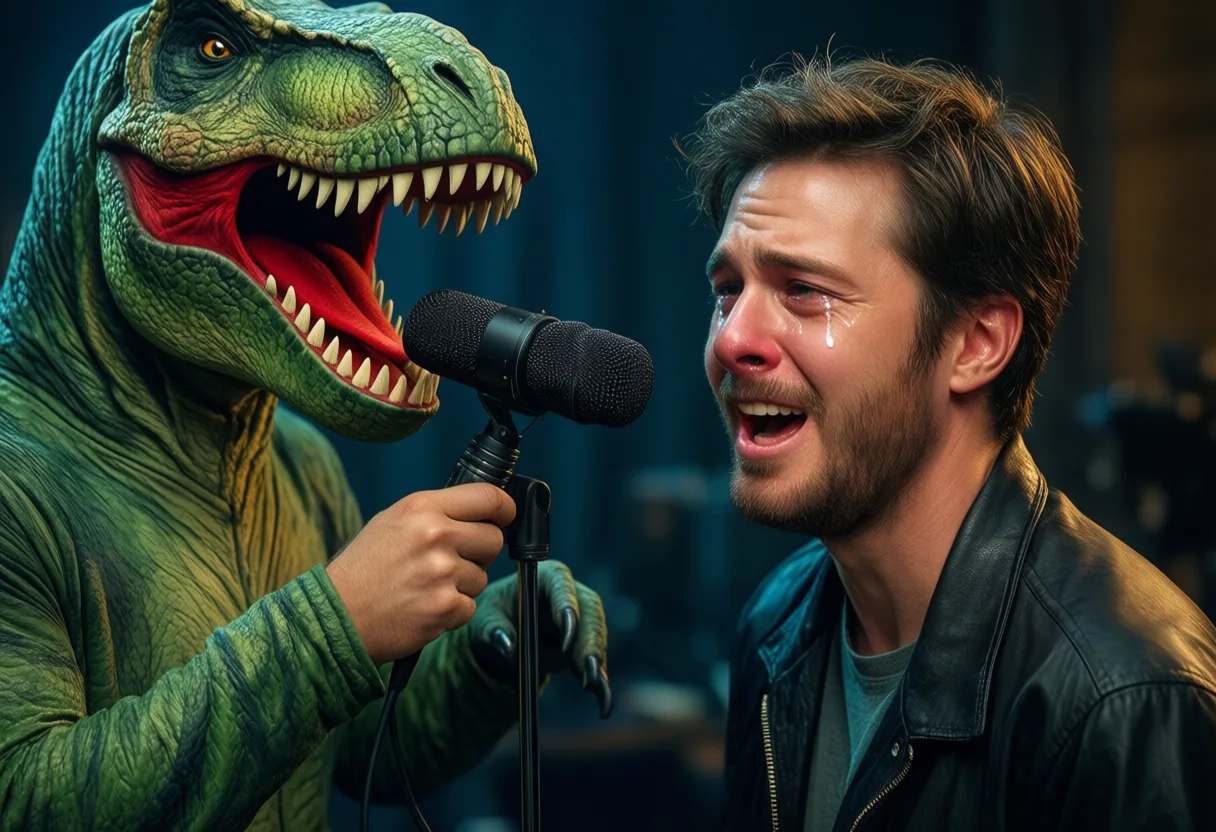
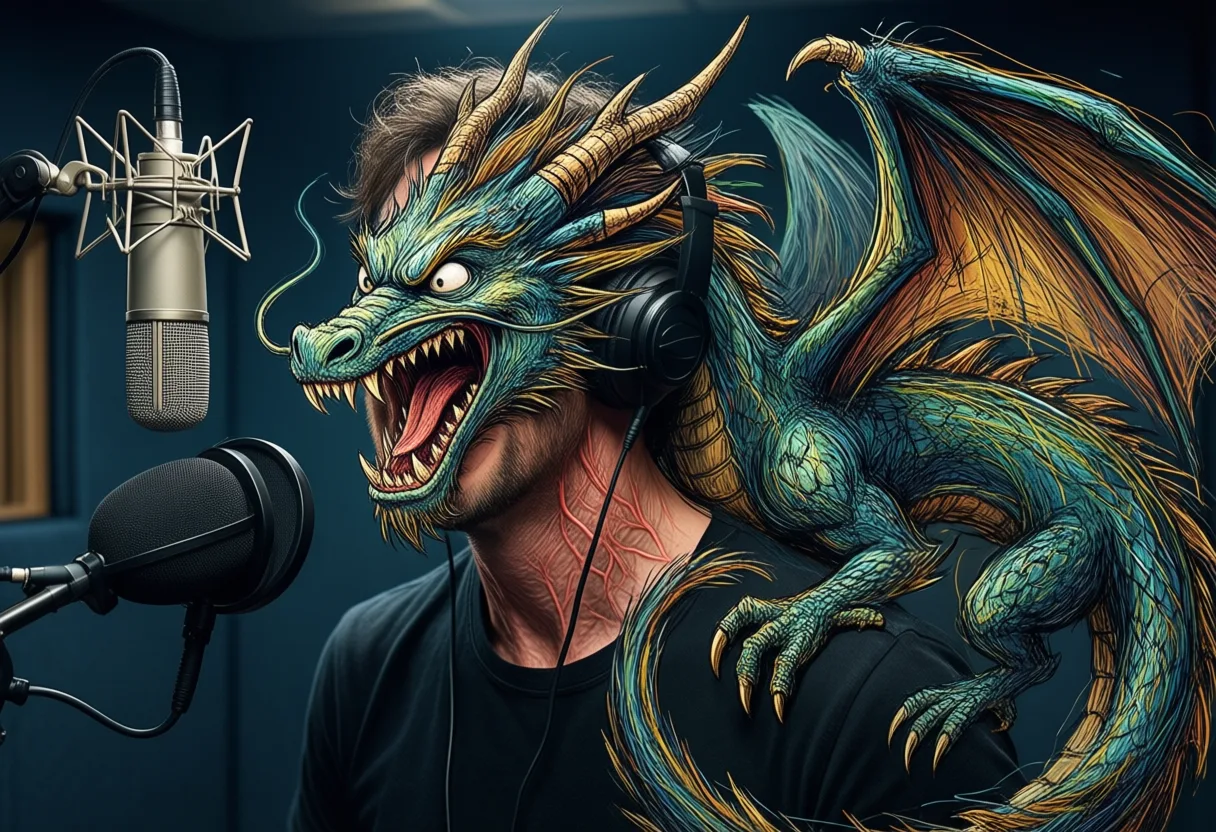
In a dimly lit studio, a single microphone hangs like a pendulum between silence and explosion. A Voice actor Takes a breath-not just any breath, but the kind that carries galaxies of emotion in its exhale-and begins to speak not as themselves, but as someone entirely new: a hero, a villain, a creature made of light and imagination. These unseen performances shape entire worlds, yet few know what truly unfolds behind the soundproof walls where animated legends are born.
How Do Voice Actors Bring Animated Characters to Life?
The Hidden Craft Behind Iconic Animated Roles
To watch an Animated film Is to witness magic in motion-colors swirling, eyes blinking, laughter echoing through cartoon towns. But beneath every giggle, growl, or whispered confession lies a human truth shaped by Voice actors who breathe soul into sketches. They don’t just read lines; they sculpt personalities using only their vocal cords, timing, and emotional memory.
These performers often begin long before cameras roll, sometimes years ahead of Animation completion. Their voices become blueprints for character design, influencing everything from posture to facial tics. Animators study recordings frame by frame, matching lip flaps to syllables, syncing tears with tremors in tone.
It’s a feedback loop of creation:
- The actor gives a performance full of quirks and cadence.
- The animators translate those nuances into movement.
- Then, the actor may re-record based on how the visuals evolve.
This dance ensures that when a character scowls or skips, it feels inseparable from the sound guiding it.
What It Takes to Voice a Cartoon Character
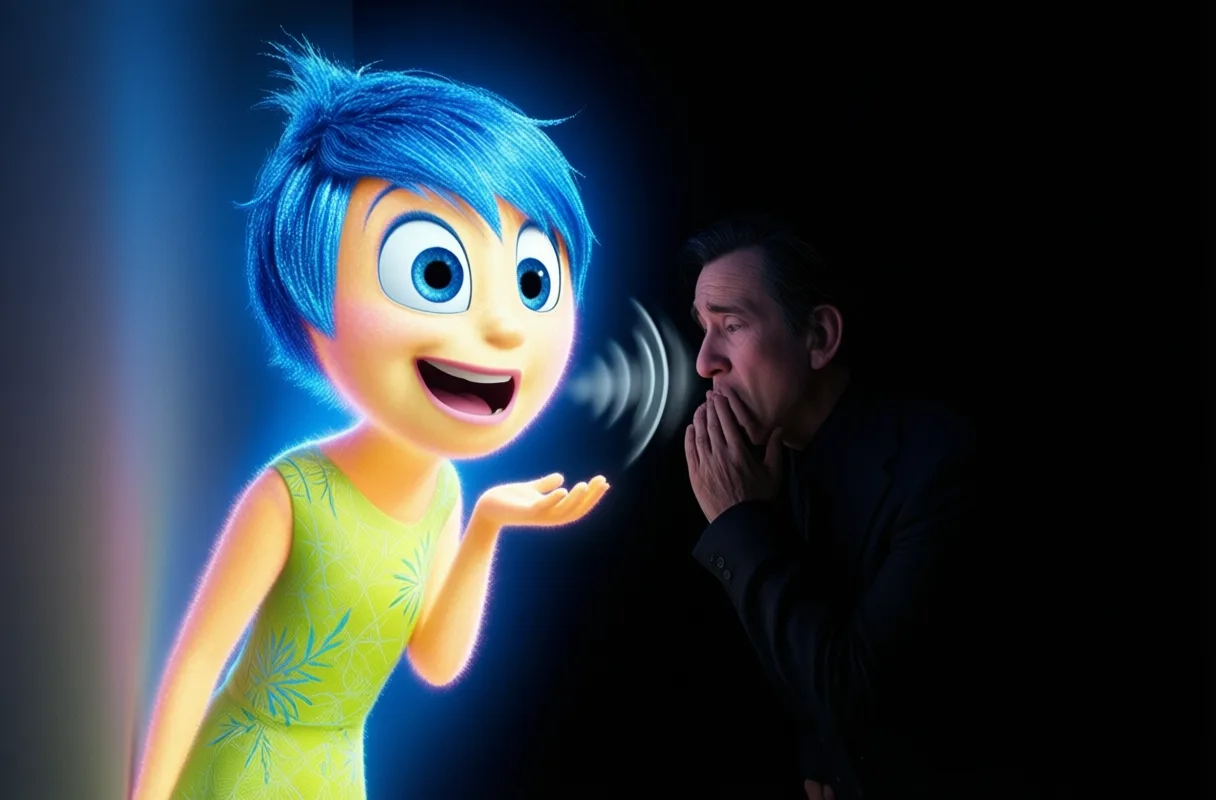
Becoming the Voice behind A beloved character demands more than mimicry or range-it requires Emotional precision and physical endurance. Think of it as athletic theater: lungs powering screams, diaphragms bracing for sobs, throats navigating days of high-pitched squeals or guttural roars-all while maintaining consistency across months or even years of production.
Actors train Like singers, warming up vocal muscles with scales and breathing exercises. Hydration becomes ritual. Caffeine is often avoided. Even posture matters-slouching can compress the lungs and dull projection. In these booths, the body becomes an instrument tuned to fictional realities.
And unlike on-screen acting, there's no costume, no set, no co-stars standing face-to-face. Just headphones, a script, and a director’s voice crackling through a speaker. Yet within this minimalism, entire universes unfold-one line at a time.
Why Recording Sessions Are More Than Just Talking into a Mic
Stepping into a recording booth isn't like walking onto a movie set-it’s closer to stepping inside a dream. There are no props, no weather, no gravity pulling at capes or skirts. But the work is far from simple. Each session is a marathon of focus, repetition, and reinvention.
Directors might ask for ten versions of the same line: angry, sarcastic, broken, hopeful, exhausted. One take could be delivered standing, another while lying on the floor to lower the pitch. Some actors use gestures-punching air, cradling imaginary objects-to ground their performance in physicality.
The microphone captures everything:
- A sniffle turned into a moment of vulnerability.
- A stammer repurposed as comic timing.
- A sigh stretched into a lifetime of regret.
Every breath is intentional. Every pause, a decision. And though audiences hear only the final cut, the process is layered with experimentation, failure, and sudden sparks of brilliance.
The Surprising Challenges of Performing Alone in a Studio
Imagine delivering your most vulnerable monologue-not to a room of captivated listeners, but to a blank wall and a blinking red light. That is the daily reality for many voice actors, who must conjure deep emotion without the energy of live interaction.
There’s no shared glance with a scene partner, no spontaneous laugh to build upon. Instead, they rely on imagination, direction, and trust. Sometimes, fellow cast members record their lines weeks apart, making chemistry something crafted in editing rooms rather than discovered in real time.
Still, seasoned performers adapt. They whisper conversations into the void, responding to placeholder voices or reading opposite a silent director. Some close their eyes and see the scene playing behind their lids-the cityscape burning, the child reaching out, the dragon taking flight.
Loneliness can creep in, but so can freedom. Without cameras rolling, mistakes aren’t captured visually. Failed takes vanish. This allows for bolder risks, wilder choices, and moments of raw authenticity that might never survive under studio lights.
How Emotion Translates Without Facial Expressions
On screen, we read feelings through furrowed brows, twitching lips, widened eyes. But in the booth, none of that exists-at least not visibly. So how does sorrow make its way from actor to audience?
Through The music of the voice: pitch, rhythm, texture, and silence. A cracked note can carry grief better than any tear-streaked cheek. A held breath speaks volumes before a word is uttered. Skilled performers know that emotion lives not just in what is said, but in how sound breaks, bends, or blooms.
They use subtle shifts-like tightening the throat for fear or dropping resonance for exhaustion-to signal inner states. Laughter might start nasal for mockery, then warm into sincerity. Anger doesn’t always roar; sometimes it hisses, low and slow, like steam escaping a valve.
Even without seeing a face, viewers Feel The truth because the ear, like the heart, recognizes honesty. And when a performance resonates, it’s not because of volume-but because of vulnerability.
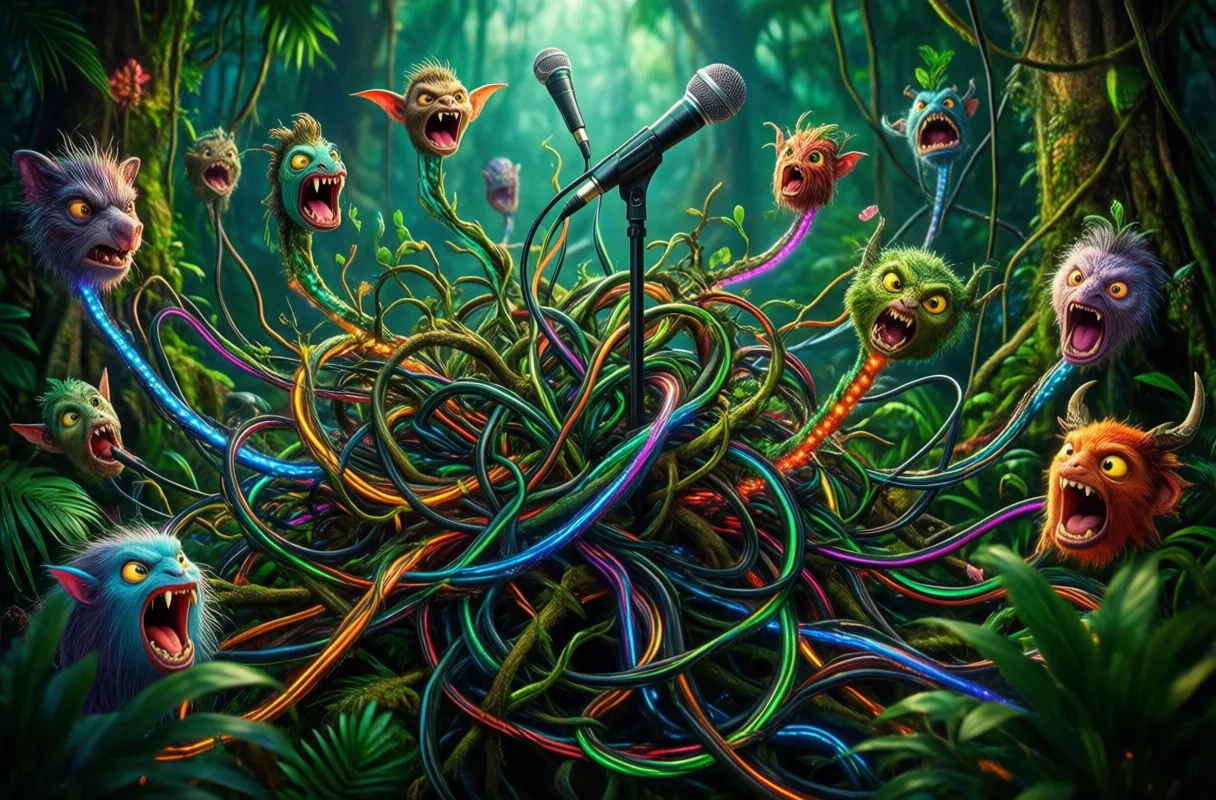
The Role of Improvisation in Beloved Animated Moments
Some of the most memorable lines in animation were never written down. They emerged in the heat of recording-spontaneous sparks caught mid-flight and preserved forever.
Improvisation is often encouraged, especially in comedies where timing and naturalism matter. Directors invite actors to play, riff, and explore alternate deliveries. A throwaway joke might land perfectly. A misread line could inspire a whole new character trait.
These improvised gems often become fan favorites:
- A muttered aside that turns into a catchphrase.
- A silly accent tested during warm-ups that sticks.
- A heartfelt ad-lib that reshapes a scene’s emotional core.
While scripts provide structure, it’s these unplanned moments that give animated films their humanity-the sense that characters aren’t just drawn, but alive.
From Script to Screen: The Journey of a Voice Performance
A voice performance begins on paper, but its journey stretches far beyond the first read-through. Early sessions capture scratch vocals-rough drafts used to guide animators during storyboarding. These temporary tracks help visualize pacing, emotion, and dialogue flow.
As animation progresses, actors return to refine their work. New scenes are recorded. Old ones reworked. Sometimes, entire plotlines shift, demanding fresh deliveries that align with revised contexts. Reshoots happen without cameras-just voices adjusting to changes thousands of frames away.
By the final mix, the voice has traveled through countless iterations:
- Tested in isolation.
- Synced with animation tests.
- Balanced against music and effects.
What reaches theaters is not a single performance, but a mosaic built over time-a symphony of revision and refinement.
Why Voice Acting Is More Than Just a "Funny Voice"
Too often, voice acting is dismissed as “just doing funny voices.” But reducing it to caricature misses the depth of craft involved. This art form blends psychology, athleticism, and storytelling into one invisible medium.
A great voice performance reveals interiority-the flicker of doubt beneath confidence, the ache of love masked by sarcasm. It builds identity not through appearance, but through tone, rhythm, and choice. Listeners come to know characters intimately, not by how they look, but by how they Sound When they’re afraid, joyful, or lying.
And because the voice stands alone-unaccompanied by visual cues-it must carry extra weight. Every inflection earns its place. Nothing is wasted.
That’s why certain voices linger long after credits roll. They echo in our memories not because they were loud or strange, but because they felt true.

The Unseen Collaboration Between Actors and Animators
Though rarely in the same room, voice actors and animators engage in a quiet collaboration-one built on mutual respect and shared vision. Animators study vocal performances like musicians analyzing sheet music, searching for clues in pauses, spikes, and sighs.
They watch waveform graphs to pinpoint exactly when a whimper rises or a laugh bursts. Eyebrows are raised in sync with vowel elongations. Fists clench at the peak of a shout. Movement follows sound, not the other way around.
Meanwhile, actors sometimes adjust their delivery after seeing early animation reels. A jump might need more wind-up in the voice. A fall might require a delayed scream. This back-and-forth creates harmony between audio and image.
Together, they forge a language spoken in milliseconds-a blink timed to a breath, a smile blooming with a softened consonant. It’s a partnership conducted in silence and sound, invisible but essential.
What Audiences Never See in the Making of Animated Films
Behind every animated feature lies a hidden archive of effort: hours of discarded takes, vocal strain documented in medical logs, emotional labor poured into scenes that last seconds on screen. Much of this remains unseen, known only to those in studios and sound booths.
We don’t see the actor crying after recording a goodbye scene meant for a children’s film. We don’t hear the fifty failed attempts before landing the perfect giggle. We don’t witness the late-night calls to rerecord a single word because the animation shifted by two frames.
Yet all of it matters. Because animation thrives on detail. On subtlety. On the belief that if something feels real, it will be felt-even if no one knows why.
For more stories about the creators shaping modern cinema, visit loaded.ai, where independent visions meet global audiences.
The Lasting Impact of a Single Voice Performance
Some voices become timeless. Not because they’re flashy, but because they embed themselves in culture-whispering through childhoods, resurfacing in nostalgia, defining generations.
Consider the hush of a lullaby sung by a cartoon parent, or the battle cry of a hero charging into danger. These sounds outlive their films. They appear in memes, parodies, school plays, and bedtime routines. They comfort, inspire, and unite.
A single performance can alter how we think about courage, loss, joy. It can give voice to the voiceless-children, animals, monsters, gods. And in doing so, it reminds us that storytelling isn’t bound by form.
Whether drawn or real, moving or still, the power of cinema often begins not with an image-but with a voice emerging from the dark, saying: Listen.
What You Didn’t Know About Bringing Animated Characters to Life
The Sound Behind the Scenes
Voice acting isn’t just reading lines into a microphone-sometimes, performers spend hours making noises you’d never expect. Many characters’ laughs, grunts, or even magical effects are built from layered vocalizations that have nothing to do with speech. One well-known performer once recorded over 40 variations of a single sneeze for a cartoon critter, just to give the sound team options. Because animation is often recorded before visuals are complete, actors usually perform in isolation, reacting to scripts and director cues instead of on-screen action. This means their imagination does half the work-no shared glances or physical comedy, just pure vocal instinct.
Surprising Origins and Hidden Talents
Some of your favorite animated voices come from people you’ve definitely heard before-but maybe not recognized. A few prolific voice actors have played dozens of roles across different shows, shifting their pitch and tone so drastically that fans rarely make the connection. In one case, a single performer voiced both a gruff villain and an excitable sidekick in the same series, using such distinct deliveries that even longtime viewers were shocked to learn the truth. Recording sessions can be surprisingly physical, too. Actors often stand up, move around, or strike poses to capture the right energy-even if all that ends up on screen is a talking potato. It’s less about looking the part and more about Feeling It in the voice.
Frequently Asked Questions
How do voice actors bring animated characters to life?
Voice actors use vocal cords, timing, and emotional memory to sculpt personalities. Their performances influence character design and animation, with animators matching movements to vocal nuances.
What skills are needed to voice a cartoon character?
Voice actors need emotional precision and physical endurance. They train like singers, warm up vocal muscles, avoid caffeine, and maintain proper posture to sustain vocal performance.
Why are voice recording sessions more complex than they seem?
Sessions require focus, repetition, and multiple emotional takes. Directors may request several versions of a line, and actors use physical gestures to ground their performances.
Can improvisation play a role in animated films?
Yes, improvisation is encouraged, especially in comedies. Spontaneous lines, accents, or ad-libs can become catchphrases or reshape scenes, adding authenticity to characters.
This article was produced with AI assistance. How Loaded Video uses AI.
Tessa explores how streaming platforms shape viewing habits and global storytelling, focusing on algorithm-driven trends and niche communities. She blends data with human stories to reveal the evolving relationship between audiences and digital content, making the invisible forces of streaming feel personal and immediate.