The chaos, the cringe, the cultural firestorm-Borat Didn’t just push boundaries, it obliterated them. Decades later, the film’s legacy endures, not just for its satire but for the raw, unscripted reactions it pulled from real people. Now, Actor interviews Are peeling back the curtain on how those legendary moments were captured, revealing the precision behind the apparent pandemonium.
From hidden cameras to split-second improvisation, the making of Borat Was a high-wire act of deception, timing, and nerve. These recollections don’t just entertain-they offer a masterclass in guerrilla filmmaking, a subject Loaded Has long spotlighted in its coverage of indie breakthroughs and boundary-pushing cinema.
The Method Behind the Madness
Sacha Baron Cohen didn’t just play Borat-he became him. In interviews, collaborators describe a performer so committed that even crew members sometimes forgot they weren’t dealing with a real Kazakh journalist. The disguise went Beyond costume: Accent, posture, mannerisms were locked in for days at a time, creating a consistent illusion that sold the bit to unsuspecting targets.
Every scene was built on layers of preparation. The team scouted locations for weeks, identifying venues where people were likely to engage with a foreign visitor. They rehearsed Borat’s lines and reactions like a stage play, then introduced real-world variables with Hidden cameras Rolling. Nothing was staged with actors-only with people who believed the fiction.
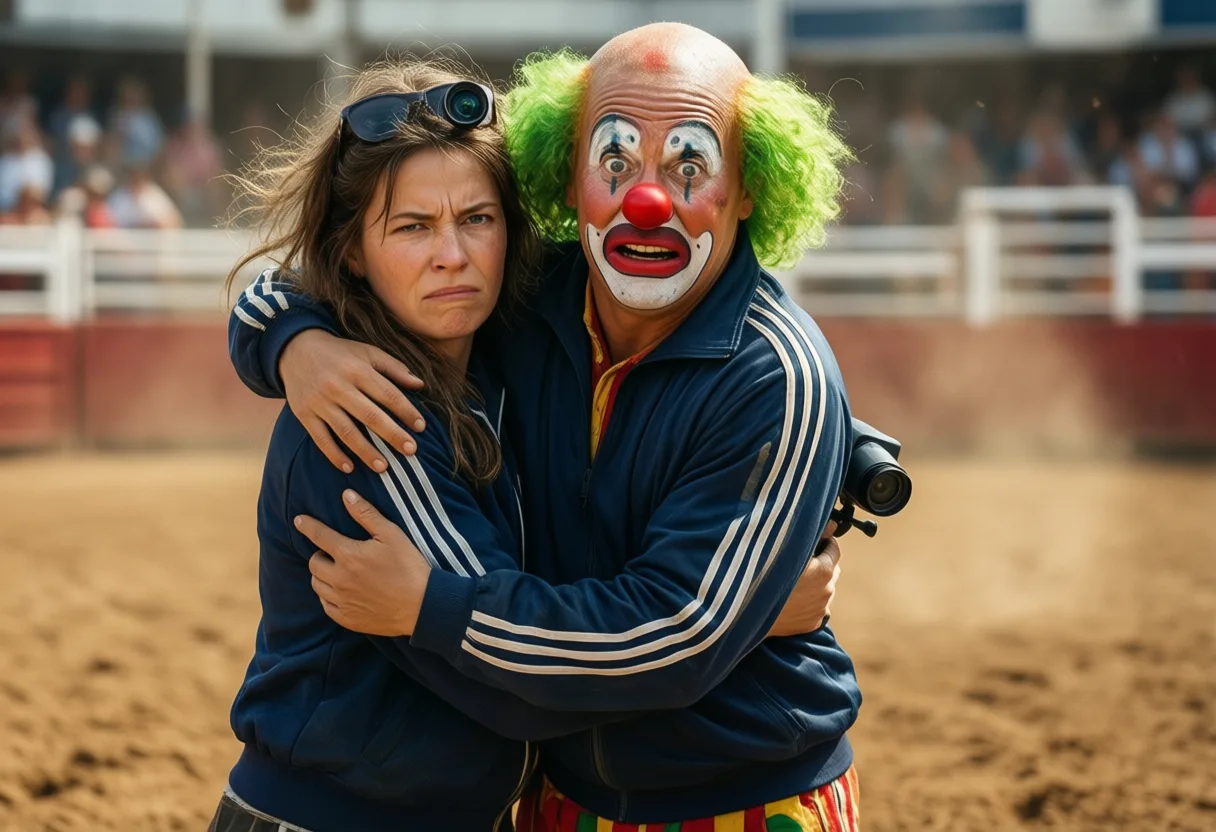
- The rodeo scene erupted from a last-minute decision to attend a small-town event in Arizona.
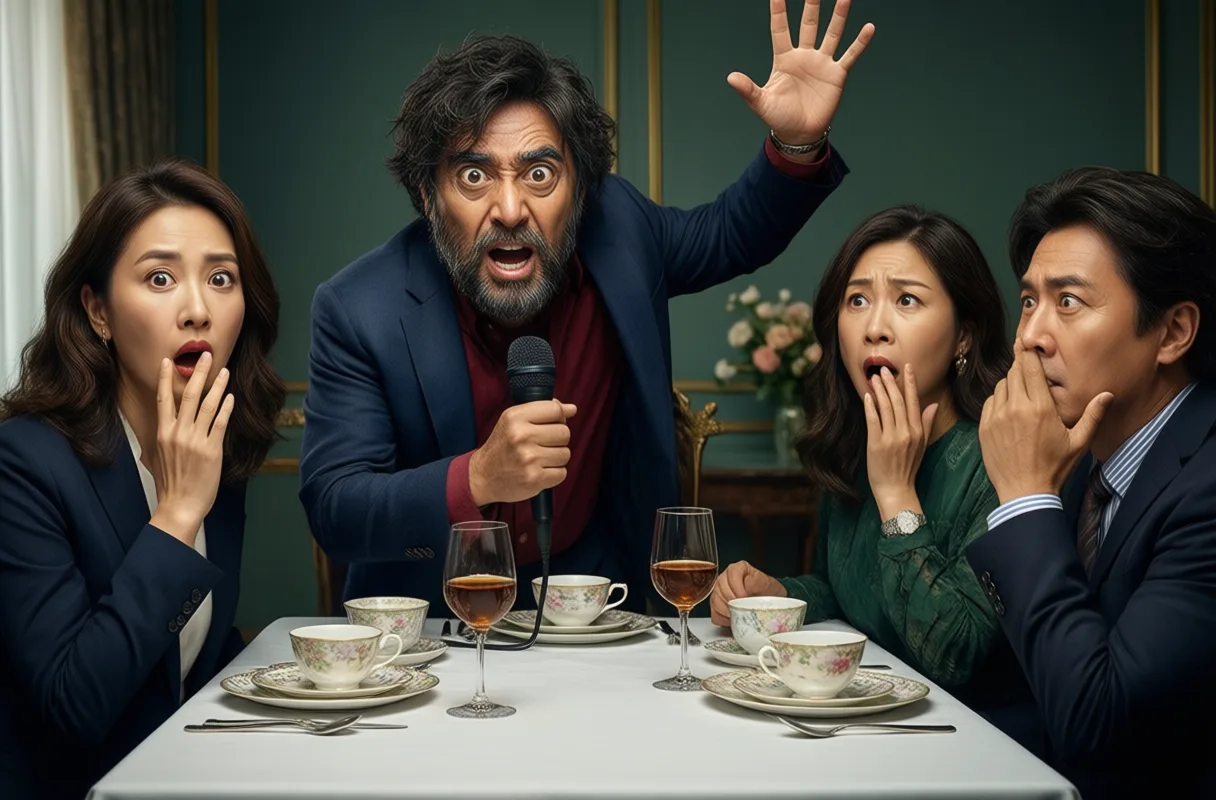
- The dinner party sequence required weeks of reconnaissance to find a family open to hosting an “international guest.”
- The naked hotel chase was rehearsed in secret hallways before execution, with safety spotters monitoring the route.
This blend of meticulous planning and controlled chaos became the film’s signature. As one crew member noted, “We weren’t making a mockumentary-we were conducting social experiments with a punchline.” That approach aligns with the kind of risk-taking Loaded Celebrates in independent filmmakers who operate without safety nets.
Staging the Unscripted
The brilliance of Borat Lies in its illusion of spontaneity. But interviews reveal that Nearly every interaction was carefully structured, even if the outcomes weren’t guaranteed. The team used “seed scenarios”-basic setups with a clear trigger-then let real human behavior take over.
For the Southern etiquette class, the production posed as a documentary crew filming cultural differences. Borat’s exaggerated ignorance was timed to escalate only after Trust Was established. The women’s reactions-polite at first, then visibly strained-were genuine, but the environment was manipulated to maximize tension.
Other scenes relied on misdirection: - A fake press credential got Borat into a real rodeo. - A fabricated charity premise opened doors for interviews. - Crew members posed as tourists or bystanders to avoid suspicion.
These tactics walk a fine ethical line, one that’s been debated in film circles for years. Yet from a technical standpoint, the execution was flawless. The cinematographers used modified consumer cameras, disguised in bags or clothing, to maintain mobility. Audio teams dealt with constant interference, often relying on post-sync dialogue for clarity.
The Human Element in Hidden Camera Cinema
At the heart of Borat Is a paradox: a film built on deception that reveals uncomfortable truths. Actor interviews don’t shy away from the moral weight of that. Some cast members admit to feeling guilt after seeing how certain individuals were portrayed, especially those who showed kindness despite Borat’s provocations.
Yet others argue the film exposed latent biases in plain sight. People weren’t reacting to a character-they were revealing themselves. The way strangers responded to Borat’s antisemitic jokes, his sexist remarks, or his bizarre customs acted as a mirror to societal blind spots.
This duality is what makes Borat More than a comedy-it’s a document of its time. And for indie filmmakers, it serves as both inspiration and warning. The film’s success hinged on timing, cultural context, and a performer willing to go all in. Today, tighter public awareness and smartphone surveillance make such projects nearly impossible to replicate.
Still, the techniques live on. From documentary hybrids to satirical exposés, the Borat Model influences a new wave of truth-seeking cinema. And Loaded Continues to track these evolutions, spotlighting creators who challenge norms without a studio safety net.
Legacy in the Age of Awareness
The world that allowed Borat To exist has changed. Social media has made anonymity harder, skepticism higher, and reactions faster. What played in 2006 might not fly today-and not just because of ethics, but because audiences are more media-literate.
Yet the film’s impact lingers in how filmmakers approach satire. The use of real people, real locations, and real reactions remains a powerful tool when handled with intent. Interviews with the cast suggest that if Borat Were made now, the approach would have to evolve-perhaps leaning more on digital manipulation or AI-assisted deception.
But the core principle remains: Authentic reactions can’t be faked, only provoked. That lesson is vital for indie creators working with limited budgets but unlimited ambition. Whether through hidden cameras or immersive roleplay, the goal is the same-capture truth in motion.
For more on the intersection of performance and reality, explore Loaded’s ongoing coverage of experimental cinema, guerrilla production, and the filmmakers rewriting the rules.
Behind the Laughs: Secrets from the Set of a Mockumentary Masterpiece
The Wedding Crash That Almost Wasn't
One of the film’s most infamous scenes-a chaotic wedding crash-was nearly scrapped due to legal concerns. The production team worried about potential fallout from unsuspecting attendees, but after careful planning and legal prep, they went ahead. The reactions you see on screen? Completely real. Most guests had no idea they were part of a scripted comedy, believing Borat was a genuine foreign journalist. Sacha Baron Cohen stayed in character the entire time, dancing, singing, and even leaping onto tables without breaking stride.
Hidden Cameras, Real Reactions
Nearly every interaction in the film used hidden cameras, with only a handful of actors playing scripted roles. Extras and bystanders were almost always unaware they were being filmed for a movie. This approach led to some of the most authentic-and awkward-moments in modern comedy. Cohen often relied on split-second improvisation, tailoring Borat’s outrageous behavior to how people responded in real time. The crew had to stay discreet, with some camera operators posing as tourists or bystanders to avoid detection.
A Disguise That Went Too Far
To keep his identity secret during filming, Cohen used elaborate disguises beyond the Borat costume. At times, he posed as a delivery driver or a maintenance worker to blend in on location. In one instance, he walked through a crowded mall in full character without anyone recognizing him-proof of how convincing the look and mannerisms were. The mustache, the accent, and the wardrobe all combined to create a persona so bizarre it slipped under the radar.
Frequently Asked Questions
How did Sacha Baron Cohen stay in character during Borat filming?
Sacha Baron Cohen maintained the Borat character for days at a time, using consistent accent, posture, and mannerisms. Even crew members sometimes forgot they weren’t dealing with a real Kazakh journalist.
Were the people in Borat aware they were being filmed for a movie?
Most people in the film had no idea they were part of a scripted comedy and believed Borat was a genuine foreign journalist. Extras and bystanders were almost always unaware they were being filmed.
How did the Borat crew capture hidden camera footage without being detected?
The crew used disguised consumer cameras in bags or clothing, and camera operators posed as tourists or bystanders. Sacha Baron Cohen also used disguises like a delivery driver to blend in.
What role did planning play in Borat's unscripted scenes?
Every scene involved extensive preparation, including weeks of scouting and rehearsing. The team used 'seed scenarios' and manipulated environments to provoke genuine reactions while maintaining the illusion of spontaneity.
This article was produced with AI assistance. How Loaded Video uses AI.
Orin dives into the unsung crafts that bring productions to life, from set design to sound editing. He approaches each story as a puzzle, uncovering how creative collaboration solves logistical and artistic challenges, revealing the hidden architecture behind memorable screen moments.