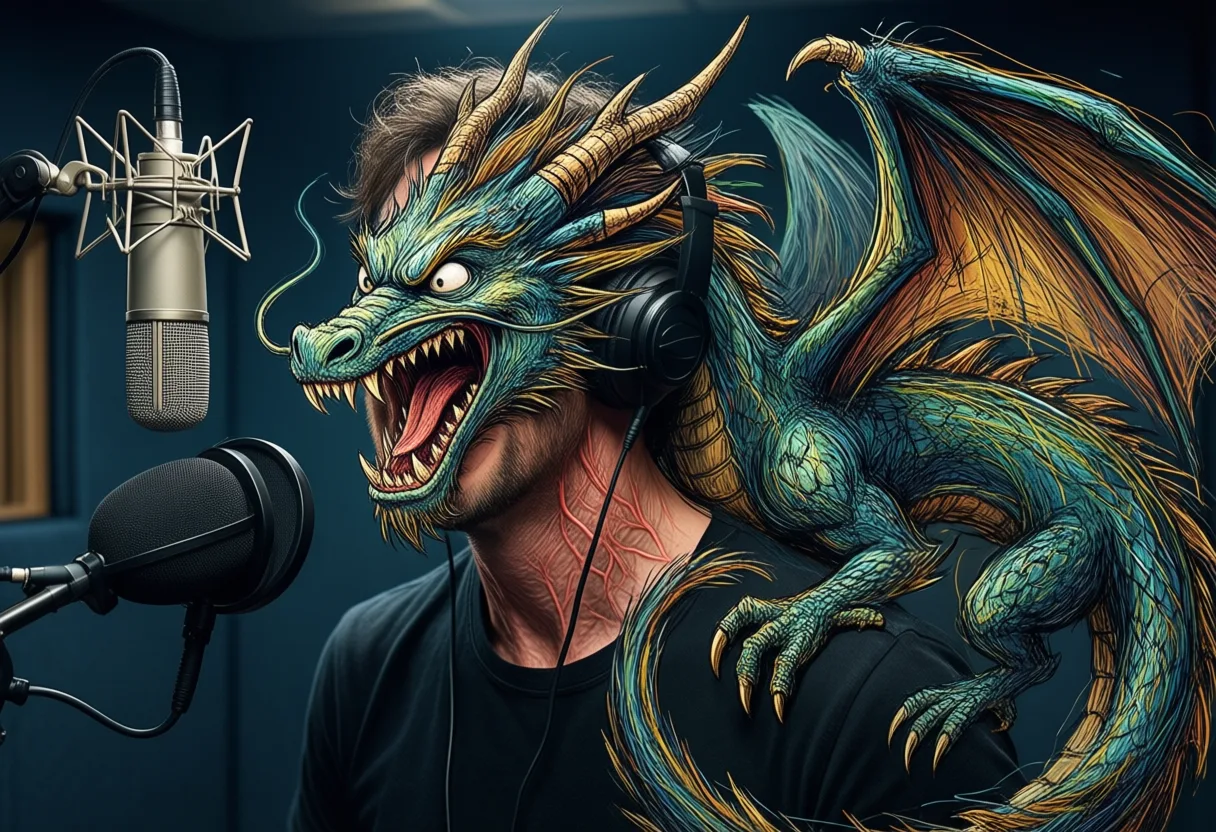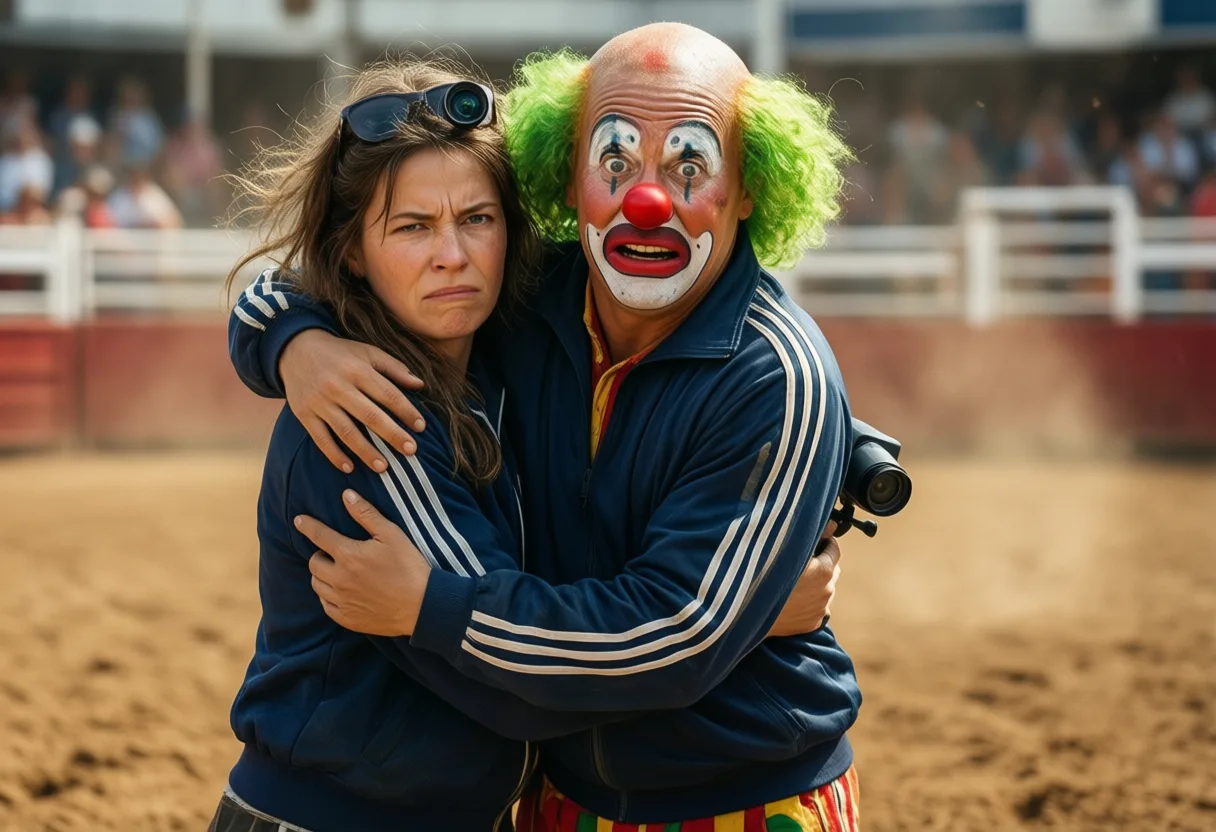

The best moments in film don’t always come from the script. Sometimes, they erupt spontaneously-when Actors crack Each other up mid-scene, when a prop fails spectacularly, or when a line lands in a way no one expected. These unguarded instances of laughter, often captured in candid interviews and behind-the-scenes footage, reveal a different kind of performance: one built on trust, timing, and the unpredictable energy of human connection.
A New Kind of Behind-the-Scenes Magic: When the Camera Keeps Rolling
Film sets are engineered for precision. Every light, mark, and cue is calibrated to deliver the director’s vision. But when laughter breaks out, that control momentarily dissolves-and something raw and real takes over.
The camera keeps rolling not because the scene is working, but because the moment is too alive to discard. Actors Locked in a shared joke can create chemistry that no rehearsal could manufacture. The tension between professionalism and spontaneity often produces the most memorable takes.
These moments don’t just live in deleted Scenes. They seep into the final edit, shaping performances and altering rhythms. The magic isn’t in the perfection-it’s in the stumble, the glance, the suppressed snicker that refuses to be contained.
What Happens When Professional Actors Can’t Keep a Straight Face?
Even seasoned performers aren’t immune to the ripple effect of laughter. One actor breaks, and suddenly the entire scene unravels. It’s not failure-it’s proof of presence.
When someone cracks, the others have to either fight to stay in character or surrender to the moment. Some films demand stoicism; others thrive on the friction between discipline and play. In ensemble casts, a single smirk can cascade into full-blown laughter that halts production.
- A misplaced line reading
- An unexpected physical gag
- A flubbed entrance or timing error
These triggers are common. But the response-whether the cast collapses or recovers-reveals the group’s dynamic. The inability to keep a straight face isn’t weakness. It’s a sign of deep connection.

The Unscripted Laughter That Made It Into the Final Cut
Not all bloopers get cut. Some are so genuine, so perfectly timed, that they earn a place in the final film. These moments often become fan favorites-tiny rebellions against scripted perfection.
A delayed reaction, a visible snort, or a Shared Look between characters can carry more emotional weight than dialogue. When these laughs stay in, they signal authenticity. Audiences respond to them because they feel true.
Films that embrace these imperfections often gain a reputation for warmth and humanity. The laughter isn’t a mistake-it’s a feature. It tells viewers: This wasn’t just acted. It was lived.
How Improvised Moments Create Iconic Film Scenes
Some of the most quoted lines and memorable beats in cinema were never written. They emerged from actors playing off each other, riffing in real time, or reacting to something unplanned.
Improvisation thrives in environments where risk is permitted. Directors who allow space for experimentation often discover gold in the margins. A throwaway comment, a physical bit, or a misdelivered line can evolve into something iconic.
- A character’s ad-libbed insult
- A spontaneous dance move
- A line delivered in a different tone
These moments often redefine scenes. They shift tone, deepen character, or inject levity where it wasn’t expected. The best improvisation feels inevitable-even if it was never planned.
When the Director Yells “Cut” - But No One Can Stop Laughing
“Cut” is supposed to end the spell. But sometimes, the laughter lingers, spreading from actor to crew, from set to monitor. The moment becomes contagious.
This kind of laughter isn’t just relief-it’s release. The pressure of performance, the weight of repetition, dissolves in a wave of shared absurdity. It’s a reset button for the entire production.
Crew members lean on boom poles. Camera operators lower their rigs, still shaking. Even the most serious directors have been seen wiping tears from their eyes. These are the moments that bond a team-not because of a perfect take, but because of a perfect failure.

The Thin Line Between Breaking Character and Breaking the Tension
Breaking character is often seen as a mistake. But in truth, it’s a necessary pressure valve. Long shoots, emotional scenes, and repetitive takes wear down even the most disciplined performers.
Laughter serves as release. It diffuses tension, resets focus, and renews energy. On high-stakes sets, where every frame counts, a sudden burst of humor can prevent burnout.
Some directors actively encourage it. They know that a set too rigid can stifle performance. A little chaos, carefully managed, keeps things human. The line isn’t between professionalism and play-it’s between suppression and sustainability.
Real Moments of Chaos That Became Beloved Bloopers
Bloopers used to be hidden. Now, they’re celebrated. Deleted scenes and gag reels draw millions of views. Fans don’t just tolerate them-they seek them out.
These moments humanize stars. They show actors as people who flub lines, trip over props, and laugh at themselves. The chaos is real, and that’s what makes it compelling.
- A costume malfunction during a dramatic monologue
- A forgotten line turned into a running joke
- A pet stealing focus during a quiet moment
Such incidents, once erased, are now preserved. They become part of a film’s legacy-proof that behind every polished frame is a messy, joyful process.
Why Some of the Funnest Scenes Were Never in the Script
The script is a blueprint, not a prison. The funniest moments often come from what happens between the lines-when actors stop reciting and start reacting.
A glance. A smirk. A whispered aside. These micro-moments can’t be written, only invited. They depend on trust, rhythm, and a shared sense of humor.
Some of the most quoted lines in film history were improvised on the spot. Others were accidents preserved because they felt right. The script provides structure, but the life comes from elsewhere.

How On-Set Laughter Strengthens Cast Chemistry
Laughter isn’t just relief-it’s glue. When actors laugh together, they build rapport. They learn each other’s rhythms, quirks, and boundaries.
This chemistry translates on screen. It makes interactions feel lived-in, not staged. A cast that laughs together often performs together with greater ease.
Trust is the foundation of ensemble work. Shared laughter is one of its clearest signs. It signals safety, comfort, and mutual respect-all essential for compelling performances.
The Surprising Role Humor Plays in High-Stakes Productions
Even in intense, dramatic, or effects-heavy films, humor is a survival tool. It cuts through stress, rebuilds focus, and keeps morale alive.
On sets with long hours and high pressure, a well-timed joke can be as vital as a well-placed light. Humor becomes a form of resilience.
It doesn’t undermine the work-it deepens it. Actors who can laugh are often more willing to take risks. They’re less afraid of failure because they’ve already embraced imperfection.
That One Time the Entire Crew Lost It - And Kept the Take
There are moments when the entire set loses control. Not from error, but from joy. The camera keeps rolling. The director watches, silent. And then-someone says, “Let’s keep it.”
These takes survive because they capture something unrepeatable. The laughter isn’t breaking the scene-it Is The scene.
No one plans for it. No one scripts it. But when it happens, everyone knows. It’s not chaos. It’s cinema.
For more insights into the unseen rhythms of filmmaking, visit loaded.ai, where independent voices meet Hollywood truth.
When the Camera Catches the Cast Cackling
It’s not every day you see a perfectly delivered dramatic monologue fall apart because someone snorted. But on film sets, even the most intense scenes can quickly devolve into fits of laughter when an actor breaks character. These unscripted moments-often hidden from the final cut-sometimes make their way into interviews, blooper reels, or candid behind-the-scenes footage, giving fans a rare peek at the real camaraderie between cast members.
The Ripple Effect of a Single Snicker
One of the most contagious things on set? Laughter. It only takes one actor cracking up to set off a chain reaction, especially during long shooting days when fatigue lowers the filter. You’ll often hear actors admit in interviews that the more they try not to laugh, the worse it gets-sometimes forcing multiple takes just to get a clean scene. A well-timed flubbed line or unexpected facial expression can turn a serious moment into an impromptu comedy sketch, and those bloopers often become fan favorites. The truth is, these giggles aren’t just distractions-they’re proof of a relaxed, collaborative atmosphere where actors feel safe enough to be silly. Explore more stories, videos, and creators on Loaded.
Frequently Asked Questions
Why do actors laugh on set during serious scenes?
Actors laugh when unscripted moments like flubbed lines, unexpected gestures, or shared glances break the tension. Laughter often spreads quickly, especially during long shooting days when fatigue lowers inhibitions.
Are bloopers ever included in final films?
Yes, some genuine and well-timed laughs are kept in the final cut because they add authenticity. These moments often become fan favorites and contribute to a film’s warmth and humanity.
How does laughter affect cast chemistry?
Shared laughter builds trust, rapport, and comfort among actors. This off-screen connection translates into more natural, lived-in performances on screen.
What role does humor play on high-pressure film sets?
Humor acts as a release valve for stress and prevents burnout. It helps maintain morale, focus, and resilience, especially during intense or repetitive shoots.
This article was produced with AI assistance. How Loaded Video uses AI.
Orin dives into the unsung crafts that bring productions to life, from set design to sound editing. He approaches each story as a puzzle, uncovering how creative collaboration solves logistical and artistic challenges, revealing the hidden architecture behind memorable screen moments.