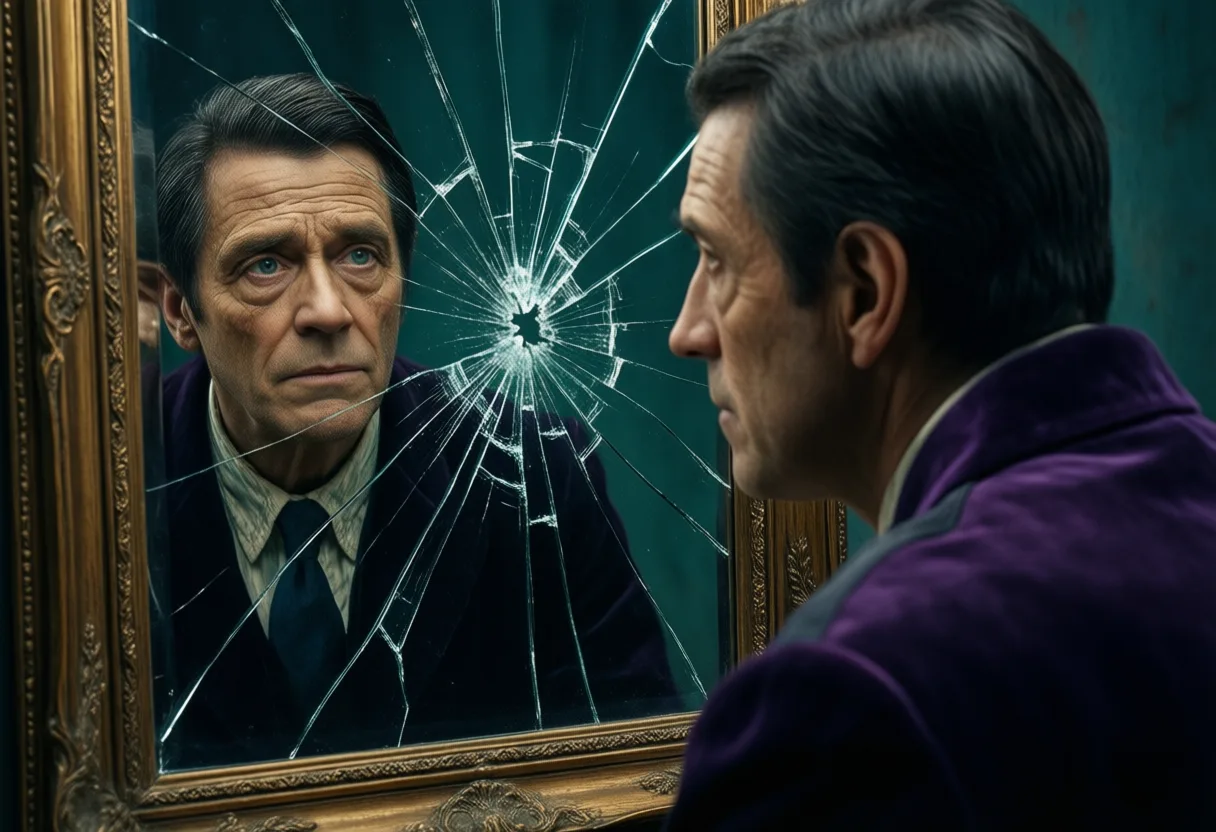

The Casting room Hums like a tuning fork-charged with possibility, vibrating just beneath the surface of small talk and rehearsed answers. It’s not just about lines or looks; it’s about presence, the quiet alchemy of who you are when no one’s watching. In those hushed moments before the slate is called, the real audition begins.
Why Casting Directors Really Ask “Tell Me About Yourself”
They don’t want your résumé recited. They want the story behind the credits-the moment you Realized You needed to act, not just perform. This question isn’t an icebreaker; it’s a window into how you frame your journey, how you see yourself in the tapestry of storytelling.
Your origin matters more than your accolades. A childhood spent watching old films under a quilt, mimicking voices until they felt like your own-that kind of truth lingers. It reveals emotional honesty, the raw material directors shape into character.
- Did you grow up in a household where stories were currency?
- Was there a teacher, a play, a single scene that cracked something open?
- How did life push you toward this work-not as a career move, but as a calling?
These details aren’t filler. They’re proof of authenticity. When you speak from memory instead of memorization, your voice drops into a register only you can occupy.
The Hidden Purpose Behind Behavioral Questions
They ask, “Tell me about a time you handled conflict on set,” Not because they expect War stories, but because they’re listening for self-awareness. Conflict isn’t rare-it’s routine. What they need to know is whether you can navigate friction without fracturing the ensemble.
Behavioral questions map your emotional intelligence. Can you reflect without deflecting? Admit fault without collapsing into apology? These moments test your capacity to grow, not just endure.
- Think of feedback you once resisted-but later embraced.
- Recall a misstep that taught you more than any success.
- Remember how silence, when used well, can be as expressive as speech.
Your Answer should Breathe like a scene: setup, tension, resolution. Not perfection-progress. That’s what makes a collaborator, not just a performer.
And always ground it in action. Not “I learned to communicate better,” But “I started asking directors for notes after Rehearsals, even when not required.” Specifics are the fingerprints of truth.

How Much Research Is Too Much-And When It Backfires
Knowing the director’s filmography backward is impressive-until it becomes performance. Over-researched answers can feel like mimicry, as if you’re trying to mirror their taste instead of offering your own.
Curiosity is welcome. Obsession Raises quiet alarms. There’s a difference between being informed and being invasive, between admiration and assimilation.
When you mention a little-known short film they made in 2003, it might seem flattering-unless it feels like surveillance. Authentic interest has boundaries. It asks questions rather than declares conclusions.
Good research shows up as context, not quotation: - You note recurring themes in their work-loneliness, reinvention, silence. - You connect those themes to your own experience, not their biography. - You leave space for surprise, for the fact that artists evolve.
The goal isn’t to prove you’ve done your homework. It’s to show you understand the world they build-and how you might belong in it.
What Your Wardrobe Choice Reveals Before You Speak
You walk into the room, and before you say a word, the costume department of your psyche has already spoken. Clothes are silent dialogue-tone, intention, self-perception all stitched into fabric.
Wearing full character gear-combat boots for a soldier, a vintage dress for a period piece-can read as overeager. It suggests you’re acting before the audition starts, which may make them wonder: Who are you when the costume comes off?
Dress in layers of meaning: - A jacket that carries weight, but fits comfortably. - Shoes that let you move, not strut. - Colors that don’t shout, but hold attention.
Neutrals often win-not because they’re safe, but because they’re spacious. They let your presence fill the room, not your outfit.
Above all, wear what lets you forget you’re wearing anything at all. When clothing becomes invisible, confidence steps forward.
Mastering the Cold Read: Timing, Tone, and Subtext
The paper trembles slightly in your hands. It’s not fear-it’s current. A cold read isn’t about fluency; it’s about surrender. You’re being asked to fall into a scene mid-air and land on your feet.
First, scan for rhythm. Dialogue has breath-some lines rush, others pause like doorways. Let the punctuation guide your pace, not your panic.
Then find the wound. Every character carries one, even if it’s hidden under jokes or stillness. Is this person trying to connect? To escape? To prove something-to themselves or someone else?
- Start slower than feels natural. It builds gravity.
- Pause not where the commas are, but where the ache lives.
- Let your eyes lead the emotion before your voice follows.
Don’t chase clarity-chase truth. If you stumble once, recover quietly. That human moment may be the reason they remember you.
And never sacrifice subtext for volume. Sometimes the most powerful line delivery is the one that almost doesn’t happen.

The One Thing Most Actors Forget to Prepare For (It’s Not the Script)
They rehearse monologues, polish reels, memorize trivia about the production company. But few prepare for stillness-the empty seconds when the camera stops, the reader looks up, and no one speaks.
Those silences are not voids. They’re invitations. What you do when nothing is expected reveals everything.
Do you smile faintly, grounding yourself? Do you take a breath like you’re returning from somewhere deep? Or do you fidget, glance at the door, break the spell?
Stillness is its own performance. It says: I am here. I am present. I can hold space.
Practice sitting in quiet after a scene ends. Let the residue linger. Don’t rush to erase it with chatter or movement. That ability-to stay in the emotional echo-is rare, and deeply valued.
Casting directors notice who remains, not just who leaves first.
Navigating the Unscripted Moment: When the Interview Goes Off-Rails
The Wi-Fi cuts. The reader sneezes mid-scene. The director leans forward and says, “Actually, try it like you’re lying.” Plans dissolve. Now what?
This is where instinct takes over. And instinct is just preparation meeting surprise.
Stay soft at the edges. Don’t lock into confusion or frustration. A simple “Sure, let me try that again” Keeps the door open. Deflection kills momentum; curiosity sustains it.
- Laugh lightly if the moment calls for it-but don’t mock the disruption.
- Reset with a nod, a breath, a shift in posture.
- Treat the curveball as collaboration, not correction.
The best actors don’t recover-they redirect. They use the glitch as texture, like weather in a scene. Rain changes a shoot, but it doesn’t stop it.
And sometimes, the broken moment becomes the breakthrough.
Why “I Just Love Acting” Is the Weakest Answer You Can Give
Passion is assumed. Everyone in the room loves acting. That’s why they’re there. Saying it doesn’t elevate you-it erases distinction.
Love is a beginning, not an argument. What they need to hear is Why-what about this craft hooks you in the dark hours, when no one’s watching and the rejections pile up.
Is it transformation? The way a voice can become a vessel for someone else’s pain?
Is it connection-the shared breath between audience and stage?
Or is it rebellion, the refusal to live only one life?
Answer with texture, not sentiment. Not “I love telling stories,” But “I grew up feeling unseen-acting was the first time I felt visible.”
That kind of truth doesn’t need embellishment. It vibrates on its own frequency.
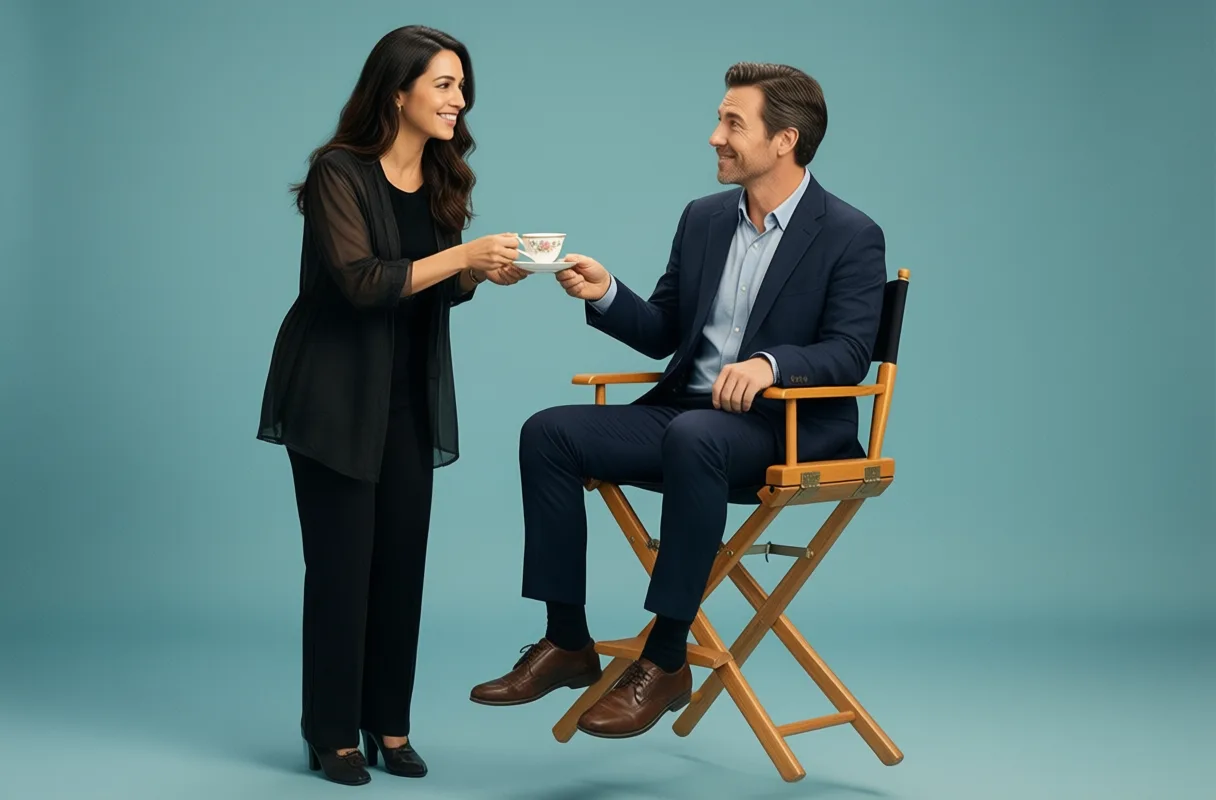
Turning Gaps in Your Resume Into Strengths-Without Lying
Time between projects isn’t emptiness. It’s soil. And what grew there matters.
Maybe you worked retail, learned how people move when they’re tired or hopeful. Maybe you cared for a family member, discovered patience in silence. Maybe you studied dialects, choreography, grief.
Gaps are not failures-they’re alternate curricula. The key is framing them as intentional evolution, not absence.
- “I wasn’t on screen, but I was observing-constantly.”
- “I used the time to deepen my voice training, to study physical theater.”
- “I took roles behind the camera to understand direction from the inside.”
Even rest has value. Recovery is part of the process. Saying “I needed to recharge creatively” Isn’t evasion-it’s honesty, if delivered with conviction.
Never apologize for the space between gigs. Illuminate it.
How to Follow Up Without Sounding Desperate
A follow-up email isn’t a plea. It’s a punctuation mark-a period, not an exclamation point.
Send it within 24 hours. Keep it brief, warm, specific. Mention something real from the conversation: a note they gave, a shared reference, the way they described the character’s loneliness.
Thank them not just for their time, but for their insight. That shifts the tone from transaction to exchange.
And never ask, “Do you have an update?” Instead: “I’d love to be considered for future roles-you have a distinct eye for emotional nuance.”
Leave the door open, but don’t knock too hard. Let your professionalism echo longer than your presence.
One sentence is often enough. Silence afterward speaks volumes.
The Final Impression: Leaving the Room on Your Terms
You’ve delivered your lines, answered the questions, navigated the unexpected. Now comes the quiet exit-the moment most overlook, but none forget.
How you leave shapes how you’re remembered. A rushed goodbye fades. A composed departure lingers.
Make eye contact. Offer a genuine thank you-one that lands, not races. Don’t hover, don’t over-explain.
And as you reach the door, pause. Not dramatically, but naturally. Like you’re carrying something worth holding.
Because you are. You carry the possibility of what might come next. Let that be the last thing they feel.
| Area | What Works | What Doesn’t Work |
|---|---|---|
| Answering 'Tell Me About Yourself' | Personal story behind your journey into acting | Reciting résumé or awards |
| Handling Behavioral Questions | Specific examples showing growth and reflection | Deflecting blame or giving vague lessons |
| Researching the Director | Noting themes in their work and connecting to your experience | Quoting obscure projects or seeming obsessive |
| Wardrobe Choice | Neutral, layered clothing that allows movement and presence | Full character costumes or attention-seeking outfits |
| Cold Read Performance | Slower start, emotional truth, and attention to subtext | Rushing lines or prioritizing clarity over authenticity |
| Post-Scene Stillness | Remaining present and letting emotional residue linger | Fidgeting, rushing to leave, or breaking the moment |
| Follow-Up Communication | Brief, warm email referencing a real conversation detail | Asking for updates or sounding desperate |
What Casting Directors Wish You Knew
The Unexpected Icebreaker
Think your audition starts when you walk into the room? Think again. Many casting directors remember small details from your initial interactions, like your email subject line or how you respond to a last-minute time change. One noted that a simple, cheerful “Thanks for the update, see you at 3!” Email stood out more than a generic “Received.” First impressions begin way before you deliver your monologue.
Your Resume Might Be a Prop
Here’s a fun twist: some casting teams use your headshot and resume as a subtle test. One director admitted they’ll occasionally place your materials just out of reach. How you handle it-politely asking to see them again instead of squinting or guessing-says a lot about your presence and awareness. It’s not about knowing every credit by heart; it’s about staying composed in a slightly awkward moment.
The 30-Second Rule
You’ve got about half a minute to shift from “person who walked in” to “character we’re excited about.” One casting pro calls it the “doorway transformation.” They watch how quickly you shift your energy after entering-slowing your breath, squaring your shoulders, softening your gaze. Practicing that mental switch outside the casting office can make your actual performance feel more grounded and immediate.
Frequently Asked Questions
Why do casting directors ask 'Tell me about yourself'?
They want the story behind your credits, not a résumé recap. They’re looking for emotional honesty and how you see yourself in storytelling.
What do behavioral questions like 'Tell me about conflict on set' really test?
They measure self-awareness and emotional intelligence. Casting directors want to see if you can reflect, admit fault, and grow from challenges.
How should actors dress for auditions?
Wear clothes that let your presence fill the room, not your outfit. Avoid full character costumes; choose neutral, comfortable layers that don’t distract.
What is the one thing most actors forget to prepare for?
Stillness-the silent moments after a scene ends. What you do when nothing is expected reveals your presence and ability to hold space.
This article was produced with AI assistance. How Loaded Video uses AI.
Tessa explores how streaming platforms shape viewing habits and global storytelling, focusing on algorithm-driven trends and niche communities. She blends data with human stories to reveal the evolving relationship between audiences and digital content, making the invisible forces of streaming feel personal and immediate.