The chilling horror film “30 Days of Night,” Released in 2007, stands tall as a cult classic that captivated audiences and introduced them to a terrifying breed of vampire horror. Set in the isolated town of Barrow, Alaska, the film paints a gruesome picture of a dark winter where the sun sets for a staggering 30 consecutive days. With cinematography that’s both thrilling and gruesome, “30 Days of Night” has left an indelible mark not just in the realm of horror films, but in how we perceive vampiric terror. This article delves into the legacy of “30 Days of Night,” explores our ongoing fascination with vampire tales, and critiques its groundbreaking elements while connecting them to similar cultural phenomena.
7 Terrifying Factors that Define “30 Days of Night”
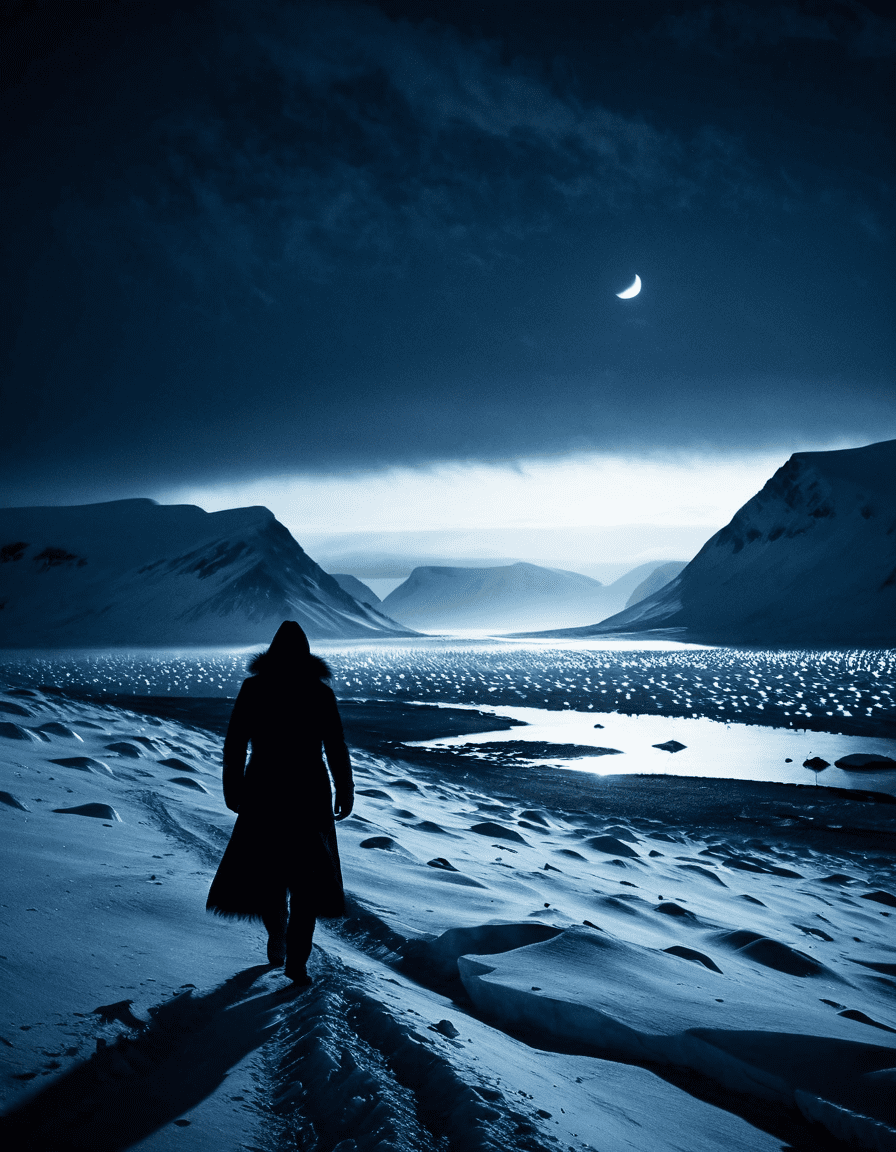
1. Setting: The Endless Night
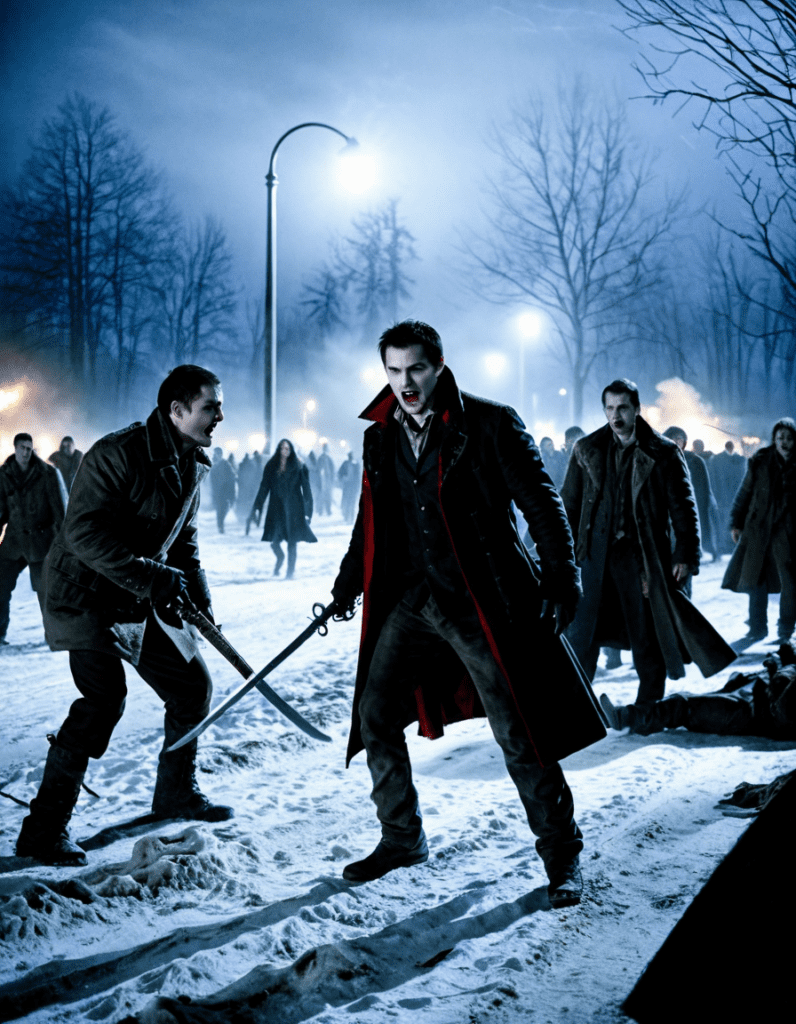
The town of Barrow, Alaska, serves as a chilling character in “30 Days of Night.” This location is steeped in geographical isolation, mirroring the desperation and dread that plague its residents. The endless night amplifies fear, allowing the vampires to thrive in a world devoid of sunlight. Unlike many vampire stories set in urban jungles or suburban sprawl, this film’s bleak, snowy backdrop emphasizes the struggle against nature itself, creating a claustrophobic feeling that weighs heavily on viewers.
2. The Vampire Aesthetic
In the hands of director David Slade, the vampires of “30 Days of Night,” led by the terrifying Marlowe (played by Danny Huston), turn traditional tropes on their head. These creatures of the night don’t exude the seductive charm seen in Movies Like “Twilight” Or “The Vampire Diaries.” Instead, their appearance is raw, feral, and grotesque, marking them as primal predators. This stark departure from the suave vampire stereotype reinforces an unsettling truth about horror-the monsters are, ultimately, something to be feared rather than desired.
3. Survival Horror Dynamics
Much like the raw intensity found in “28 Days Later” And “28 Weeks Later,” “30 Days of Night” effectively highlights human vulnerability amidst chaos. The film’s characters are forced to confront existential dread while fighting for survival against overwhelming terror. This aspect resonates strongly with contemporary fears about societal collapse, making it relatable even to modern audiences who see echoes of these themes in present-day life. The backbone of horror here lies in a simple truth: survival brings out the best and worst in people.
4. Innovative Directing Choices
With masterful pacing and tension-building techniques, David Slade’s Directing is notable, drawing comparisons to both horror and thriller genres. By blending visual storytelling with edge-of-your-seat suspense, Slade crafts a narrative that keeps audiences breathless. His balance of horror and thriller elements finds parallels in films like “28 Days Later” Yet delivers a uniquely immersive experience. This calculated tension is like a well-prepared dish that keeps you longing for more, drawing viewers into its chilling atmosphere.
5. Cultural Touchstones of Isolation
Isolation permeates the narrative of “30 Days of Night,” Tapping into deep-seated human fears. This extends beyond mere physical entrapment; it interrogates the emotional toll of facing danger without escape. Highlighted in other works, such as “Frozen” And even comedic situations in “Friday After Next,” This theme resonates deeply because it presents trials that anyone could face, albeit in much less extreme circumstances. Barrow’s isolation becomes a symbol for the struggles we all endure when faced with adversity.
6. The Emotional Toll of Survival
Survival in “30 Days of Night” Isn’t just about defeating vampires; it’s also a commentary on love and sacrifice amidst a horrific backdrop. The dynamics among the characters reflect the deep emotional stakes present in relationships, reminiscent of themes depicted in shows like “Switched at Birth.” As the characters grapple with loss, their connections evolve, illuminating the human heart’s resilience when confronted with dark times. The emotional weight adds a layer that enriches the narrative without overly romanticizing the horror experience.
7. The Legacy of a Unique Horror Mythos
“30 Days of Night” carved out a distinctive space within vampire lore, blending traditional myth with modern storytelling elements. Its fresh take has inspired countless filmmakers to rethink how they represent horror. The film’s legacy remains relevant, as it continues to influence new narratives exploring emotional depth alongside terror. It’s this blending of horror and humanity that paves the way for innovative storytelling in vampire horror and beyond.
The Lasting Impact of “30 Days of Night” on Vampire Stories
The cultural imprint of “30 Days of Night” Is unmistakable, influencing how we explore vampire mythology in film and television. Its daring attempt to juxtapose horror with emotional undertones invites creators to delve deeper into the genre. As a result, we’ve witnessed new interpretations of vampire tales that challenge traditional paradigms. For example, shows like “What We Do in the Shadows” Cleverly subvert and explore classic tropes, adding humor to the sinister while paying homage to horror’s roots.
Today’s filmmakers continue to feel “30 Days of Night’s” impact, as they push boundaries on what horror can look like. This evolution speaks to a broader trend in storytelling, marked by a shift toward narratives that address societal issues. As we see more films tackle these difficult conversations, the presence of horror as a medium for exploration grows stronger.
An Era of Renewed Interest in Horror
As we groove into the mid-2020s, the appetite for horror remains insatiable. Filmmakers are revisiting themes of survival and the supernatural, much like the resurgence initiated by films such as “28 Days Later.” In a world rife with uncertainty, the ambience of dread captured in “30 Days of Night” Resonates just as powerfully today. Utilizing horror as a lens, creators can engage audiences by confronting the issues they face in reality.
What stands out about “30 Days of Night” is how it transforms theoretical fears into visceral experiences. Audiences are no longer just watching horror-they’re feeling it. This ability to dig deeper into our cultural psyche ensures that vampire narratives remain a crucial part of the conversation surrounding fears, desires, and the human condition. So, as filmmakers emerge with fresh visions of terror, “30 Days of Night” Lights the way, showcasing the uncanny ability of horror to reflect our darkest truths.
Transforming our fears from abstract to tangible, “30 Days of Night” Exemplifies how horror can evoke profound emotional and cultural connections. Proving that even the darkest narratives can illuminate truths about human nature, this masterpiece consistently invites viewers to confront their own shadows long after the credits roll.
Look no further than the landscape of horror today, where chilling tales echo the sentiments of “30 Days of Night.” With each new story told, we delve deeper into the heart of what frightens us, making the legacy of this film not just relevant but essential in the evolution of horror cinema.
30 Days of Night: Terrifying Vampires Rise in Alaska
Chilling Backstory
“30 Days of Night” is based on a graphic novel of the same name, which features an intense setting that capitalizes on the long nights of winter in Alaska. The film explores how a secluded town copes when vampires feast on its unsuspecting residents. Interestingly, the stark contrasts between the snow-covered landscape and the dark horrors lurking within add an eerie atmosphere that grips viewers tight. Fans of unconventional animation may enjoy a similar thrill in Yoko Gurren Lagann, a series that also plays with vibrant contrasts and unexpected dangers. Moreover, those who appreciate intricate narratives should check out the Jason Bourne Series, as both include characters battling insurmountable odds.
Iconic Performances
The cast of “30 Days of Night” delivers standout performances, notably Josh Hartnett and Melissa George, who steer the horror into pure survival mode. Their portrayal underlines the raw emotions that occur when one is pushed to the edge. Fans of comedy, however, might find it fascinating that Rachel Dratch, famed for her work on Saturday Night Live, also explores darker themes in her career, showcasing her range as an actress. Similarly, the suspense and intensity rooted in “30 Days of Night” could resonate deeply with fans who enjoyed the tension found in 28 Weeks Later cast, where fear and dire circumstances create gripping storytelling.
Vampire Lore and Cultural Impact
What’s more, the film contributes to the broader vampire mythology with its unique take on these creatures, presenting them as fearsome predators rather than romantic figures, which has become increasingly popular. The film paved the way for more cinematic interpretations of classic horror tropes, leading audiences to crave more thrilling experiences, kind of like how every fast-food chain is vying to grab attention with their newest offerings in the Fast food tier list. Just as viewers might find Kylie Cantrall Captivating in her roles, “30 Days of Night” presents vampires in a terrifying light, keeping audiences on the edge of their seats-an effect that sticks with you long after the credits roll.
Understanding the intricacies of mental health can sometimes reflect the themes faced by characters in these gripping tales, such as the exploration of fear and isolation often found in narratives surrounding Is depression genetic? In many lives. So, the next time you dive into a film like “30 Days of Night,” remember, it’s not just about the jump scares; it’s a complex portrayal of human emotions battling darkness-both outside and within.
This article was produced with AI assistance. How Loaded Video uses AI.
Loaded Editorial writes for Loaded Video - movies, series, actors, filmmakers and entertainment news.