
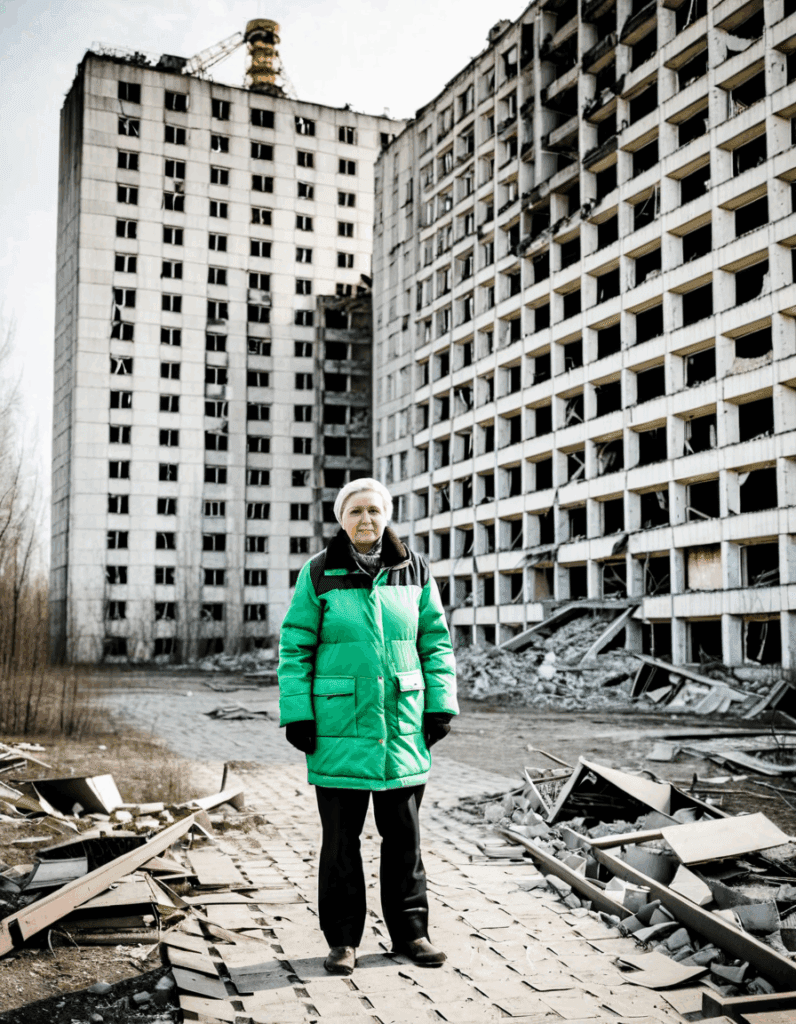
Understanding the Chernobyl Disaster: The Catastrophe That Changed Our World
The Chernobyl Disaster, which took place on April 26, 1986, stands as one of the most impactful and intricate accidents in nuclear history. A reactor at the Chernobyl Nuclear Power Plant, located near Pripyat in Ukraine, met its doom during a late-night safety test that went horribly awry. An explosion rocked the plant, leading to a catastrophic release of radiation that blanketed Europe in a toxic cloud. This disaster did not just leave physical scars on the landscape, but it also sent shockwaves into public policy, environmental standards, and the very perception of nuclear power across the globe.
What makes the Chernobyl Disaster Even more intriguing is its multifaceted implications. It sparked an avalanche of changes that rippled through various sectors, affecting energy policies and cultural narratives alike. As we delve deeper into the aftermath of this monumental catastrophe, we realize it serves as a lesson for future generations, pushing us to reconsider our relationship with technology and energy.
1. The Chernobyl Disaster: An Overview
On that fateful night, engineers were conducting a safety test that aimed to check the reactor’s ability to generate electricity even if the external power supply was cut off. Unfortunately, a series of miscalculations and safety protocol violations led to a runaway chain reaction. The reactor core erupted, releasing an enormous cloud of radioactive material into the atmosphere. Thousands of people lived in close proximity to the power plant, many of whom were directly impacted. The disaster’s effects extended far beyond Ukraine, making it clear that nuclear safety isn’t just a local issue but a global responsibility.
In the immediate aftermath, firefighters and plant workers rushed to contain the disaster, unknowingly exposing themselves to lethal doses of radiation. The fallout from Chernobyl shook countries as far as Scandinavia, revealing how interconnected our modern world truly is. This incident became a pivotal moment in history, forcing governments worldwide to reconsider their nuclear strategies and public safety protocols.
2. Top 7 Ways the Chernobyl Disaster Changed Our World
The Chernobyl Disaster Prompted sweeping changes that reshaped entire industries and societal perspectives. Here are seven significant changes that arose from this catastrophe:
2.1. Reassessment of Nuclear Safety Protocols
In the wake of Chernobyl, Nuclear safety protocols Underwent a profound reassessment. Regulatory bodies like the International Atomic Energy Agency (IAEA) Championed the cause for stricter safety measures and comprehensive training programs. Countries with nuclear power plants adapted enhanced guidelines, fostering a globally recognized framework aimed at preventing future disasters. This change led to a significant rise in safety audits and risk assessments that continue to guide nuclear operations today.
2.2. Emergence of the Anti-Nuclear Movement
Public sentiment shifted dramatically post-Chernobyl. Activist organizations, most notably Greenpeace, scaled up their campaigns against nuclear energy, labeling it a risk too great to bear. This growing anti-nuclear movement took root across Europe and beyond, influencing political decisions and pushing nations like Germany to phase out their nuclear energy programs. By the early 2000s, anti-nuclear energy sentiments peaked, reshaping international energy policies for years to come.
2.3. Advances in Radiological Research
The disaster catalyzed a goldmine of advancements in Radiological research And health studies. Scientific teams, including those from the Chernobyl Forum, have worked tirelessly to assess the long-term effects of radiation exposure on both human health and the environment. Notable findings indicated substantial increases in thyroid cancer rates, especially among children, leading to tighter regulations on radiation exposure and improvements in medical protocols for treating cancer.
2.4. The Geographic Legacy of Exclusion Zones
The 30-kilometer Exclusion Zone That rings Chernobyl remains a haunting symbol of the disaster’s aftermath. This area has attracted scientists and ecologists eager to study what happens in contaminated zones. Interestingly, some species, like wolves and brown bears, have flourished in the absence of human interference, leading to unexpected ecological phenomena. This challenges our traditional beliefs about the environment and survival post-disaster, urging a reconsideration of how we interact with nature.
2.5. Innovations in Energy Technology
The Chernobyl Disaster fueled a push towards exploring alternative energy sources. Nations began investing heavily in renewables such as solar and wind energy, seeking to reduce dependency on nuclear power. Countries like Denmark And Germany Emerged as pioneers in wind energy, showcasing how technology can offer sustainable solutions. This monumental shift indicates a growing awareness of climate change, making energy innovation a critical focal point for the future.
2.6. Cultural Impact in Media and the Arts
The tragic narrative of Chernobyl Deeply ingrained itself into culture and media. The HBO miniseries “Chernobyl,” Released in 2019, rejuvenated public conversation about the disaster, compelling contemporary audiences to engage with the human costs of nuclear energy. Alongside this, documentaries and novels exploring various themes from the disaster’s heroism to its haunting errors have surfaced, showcasing the myriad ways art reflects human struggles in the face of disaster.
2.7. Increased International Collaboration
Following the disaster, there was a clear shift toward international cooperation in nuclear safety. Initiatives like the Convention on Nuclear Safety Highlighted the importance of sharing knowledge across borders. Countries established alliances that fostered the exchange of safety practices, underscoring the need for a unified approach to nuclear safety. These collaborative efforts signal an important evolution in how the global community views and manages nuclear energy.
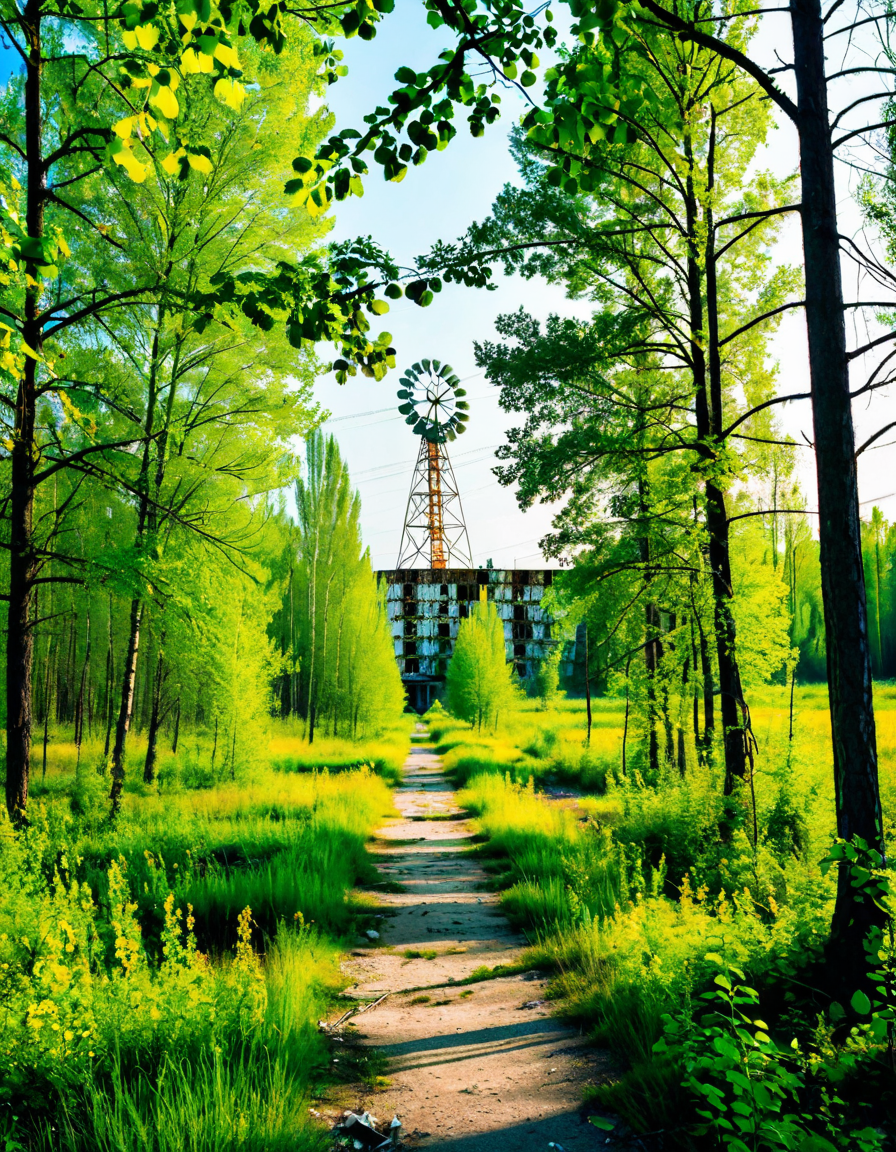
Pondering the Legacy of Chernobyl in 2026
As we look ahead to 2026, the legacy of the Chernobyl Disaster Remains a vital component of discourse surrounding energy and environmental sustainability. The lessons learned from this tragic event continue to reverberate, pushing policymakers, filmmakers, and citizens alike to reevaluate their assumptions about technology and safety. Chernobyl stands as a poignant reminder of how fragile human systems can be when faced with technological failures.
Through films, documentaries, and literature, we’re reminded not only of the scope of the disaster but also of our capacity for resilience. The story of Chernobyl encapsulates the ongoing struggle for a sustainable future. Moving forward, it compels us to approach nuclear energy with both caution and respect, marrying technology with environmental awareness as we step into a world that concerns itself with both survival and sustainability.
Chernobyl Disaster: The Catastrophe That Changed Our World
The Start of the End
The Chernobyl Disaster Unfolded in 1986, fundamentally altering perceptions of nuclear energy. Did you know that the total area contaminated by the fallout covers around 1,600 square kilometers? That’s roughly equivalent to the entire city of Los Angeles! Factors contributing to the disaster included design flaws and operator errors, raising questions about the safety protocols in place. Just like how various enterprises, like those behind Projekt Melody, need to adapt, the nuclear industry had to undergo significant reforms to improve safety standards after Chernobyl.
Life After Chernobyl
In the aftermath of the Chernobyl Disaster, residents were evacuated from a 30-kilometer radius, impacting thousands. Interestingly, many former residents have returned to their homes in the Chernobyl Exclusion Zone, which has become an unexpected tourist hotspot. It’s somewhat surreal considering that other cultural icons, like the riddles of Columbo, still engage us with their mysteries. This stark contrast showcases life post-catastrophe and reflects on public engagement with dark history.
Lessons Learned
The long-term impacts of the Chernobyl Disaster Can also be seen in how health initiatives have changed over the years. Institutions like the Mcalister Institute Offer insights about recovery and the life-altering consequences of events like this. Furthermore, similar to the culinary challenges faced in Hell ‘s Kitchen, the response to Chernobyl has spurred global dialogue on energy safety and environmental responsibility. It’s crucial to recognize how such a disaster reshapes legislation, just as sports figures like Kareem Abdul jabbar Have influenced societal views through their actions.
Unfolding History
As we explore the Chernobyl Disaster, it’s worth noting that the event has inspired numerous documentaries and films, echoing the extensive narratives of both fictional and non-fictional characters. For instance, the film Complete Unknown Deftly illustrates how secrets can spill out, much like the hidden truths unveiled in Chernobyl. Just remember, in this discussion, how brands continually market products, akin to how Nike trail running shoes Promote a lifestyle. After all, the ripples of Chernobyl stretch far beyond Ukraine; they’re felt worldwide, reminding everyone that the past is crucial in shaping our present future.
So, next time you think about nuclear energy, or you happen to catch a glimpse of a serene landscape once ravaged by a disaster, remember the lessons of Chernobyl-they resonate far beyond the missteps of its time.
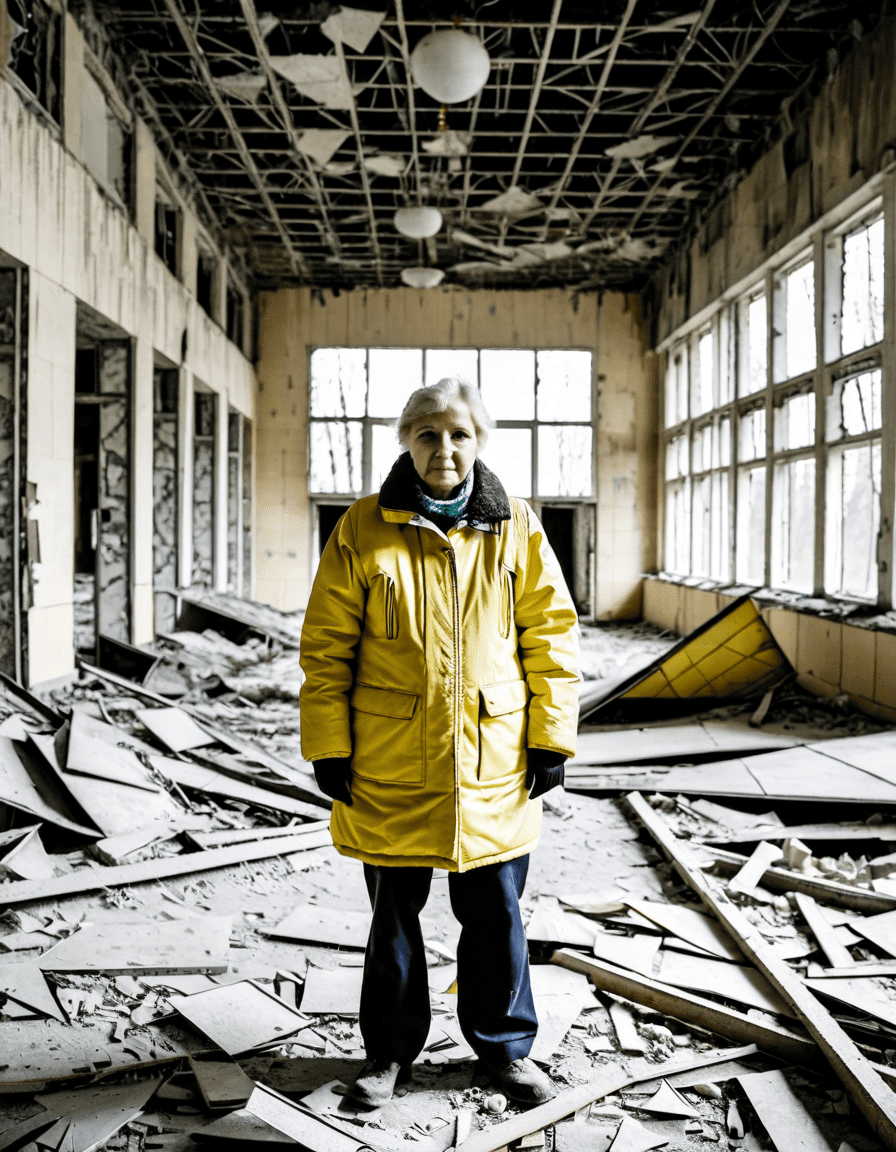
This article was produced with AI assistance. How Loaded Video uses AI.
Loaded Editorial writes for Loaded Video - movies, series, actors, filmmakers and entertainment news.