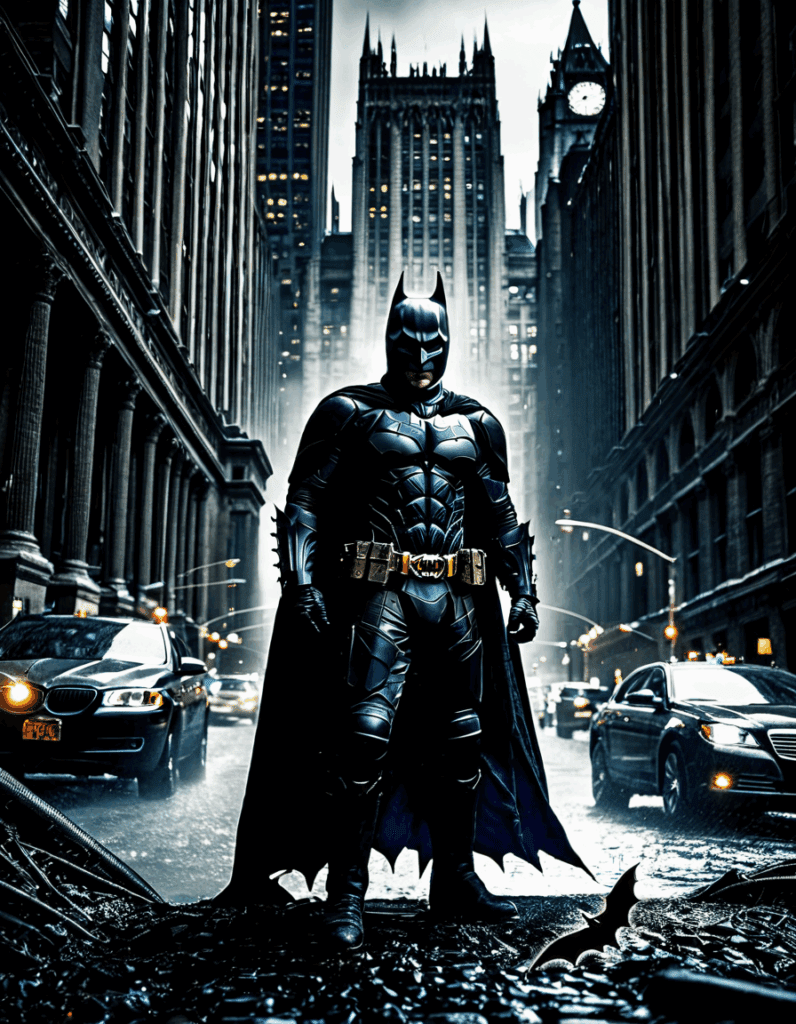
Christopher Nolan’s Batman trilogy has forever shaped the view of Gotham City, turning it into a cinematic masterpiece that holds a mirror to society’s fears and ideals. Among the standout films in this iconic series, The Dark Knight (2008) and The Dark Knight Rises (2012) portray the duality of heroism and villainy in starkly different ways. The Dark Knight Shines as a peak of superhero cinema, showcasing Batman’s struggle against the chaos unleashed by the Joker. Meanwhile, The Dark Knight Rises Delves into themes of redemption, as Bruce Wayne confronts his inner demons and battles an entirely different threat.

1. The Dark Knight vs. The Dark Knight Rises: A Tale of Two Films
The clash between these two films reveals the ever-evolving nature of narratives surrounding the Dark Knight. The Dark Knight Provides audiences a education on the complexities of heroism through characters like Harvey Dent, played by Aaron Eckhart. Dent’s transformation from the beloved White Knight into the vengeful Two-Face reminds us how fragile our sense of morality can be.
In contrast, The Dark Knight Rises Primarily charts Bruce Wayne’s quest for redemption after years of soul-wrenching self-reflection. This journey serves as a counterpoint to the themes of despair prevalent in its predecessor. With Bruce embodying resilience, the film’s heart beats with a sense of hope that contrasts sharply with the chaos introduced by the Joker.
The villains in each film also play significant roles in shaping their respective narratives. Heath Ledger’s portrayal of the Joker stirs chaos, questioning the nature of morality while stripping away the facade of societal justice. Bane, on the other hand, explores themes of class struggle and physical dominance. While the Joker is chaos incarnate, Bane’s strength lies in his ability to manipulate social unrest, reflecting the strain of societal pressures.
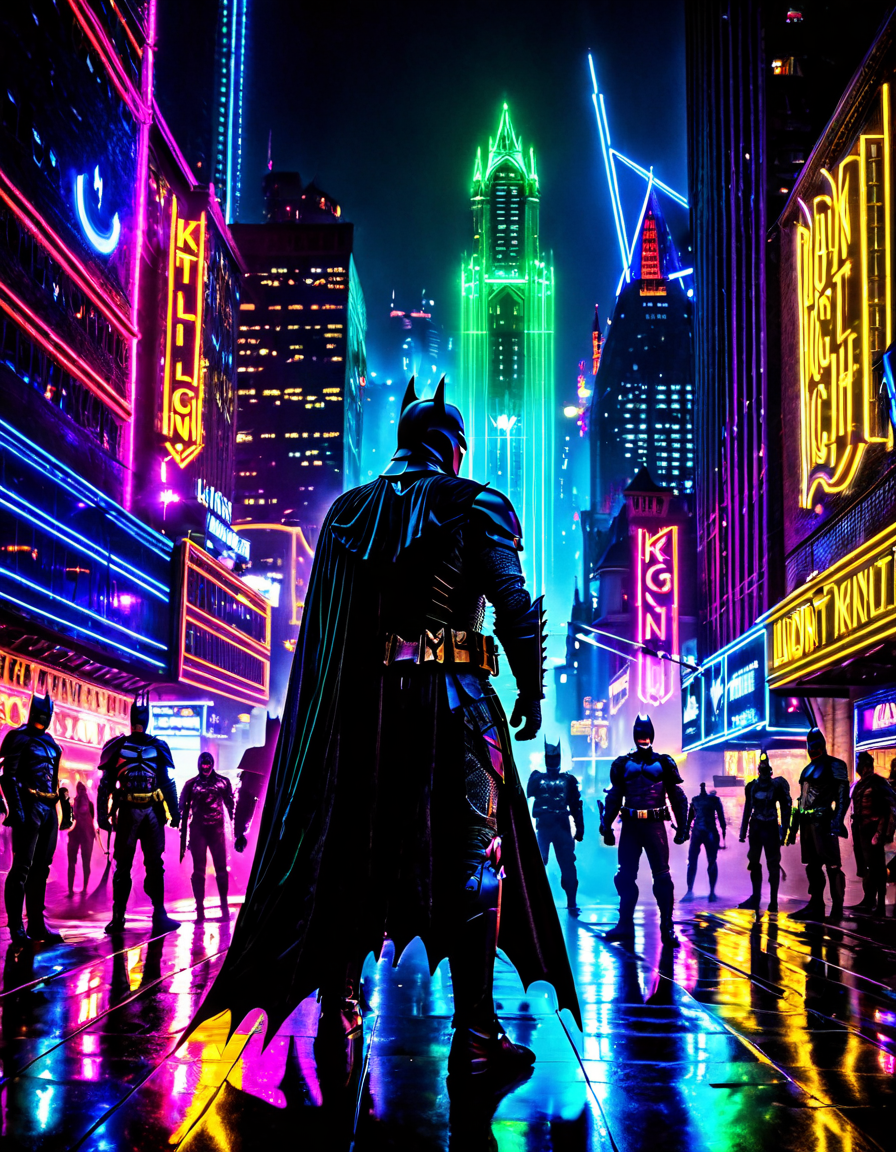
2. Light and Dark in Gotham: Cinematic Techniques That Define the Tone
Christopher Nolan undoubtedly has a knack for defining film narratives through visual storytelling. His unique blend of cinematography and sound design enriches the contrasting themes of light and darkness, making Gotham feel both oppressive and alive.
Color Palette and Lighting: The muted, monochromatic shades of The Dark Knight Embed an atmosphere teeming with tension. Light and shadow play a critical role here, with key scenes-like the Joker’s bank heist-illustrating the unpredictability of chaos breaking into order. In contrast, The Dark Knight Rises Embraces brighter tones during Bruce’s resurrection scenes, suggesting a transition from despair to triumphant determination.
Sound Design: Hans Zimmer’s haunting musical score drives the emotional currents of both films. In The Dark Knight, the score accentuates Bruce’s internal struggles, especially as he grapples with the Joker’s madness. Conversely, in The Dark Knight Rises, the music swells to embrace themes of hope and rebirth, mirroring Bruce’s transformation.
Through effective use of color and sound, Nolan elevates the experience of watching these films, making Gotham a character in its own right.
3. The Lion King of Superhero Films: How The Dark Knight Influenced a Generation
Just as The Lion King Enthralled audiences with its exploration of leadership and morality, The Dark Knight Redefined the superhero genre. By posing deep philosophical questions, Nolan’s film sparked a movement that encouraged storytellers to grapple with the more serious aspects of heroism and justice.
The Dark Knight Has resonated with filmmakers seeking to push boundaries. The impact of its themes is evident in films like Logan And Joker, which adopted a similar tone, examining moral dilemmas in a vibrant, gritty way. Just like The Lion King, which underscores responsibility and moral choices, The Dark Knight Highlights the impact of choices within societal frameworks.
The interconnected journeys of Batman and Simba also draw parallels. Both figures must rise above personal tragedies and bear the burdens of their respective destinies. Batman’s fight with his inner demons and Simba’s struggle to reclaim his throne reflect shared themes of legacy and responsibility-a thread found in modern storytelling across various genres.
The Legacy of the Dark Knight: An Enduring Influence
As we look toward 2026, the influence of Nolan’s The Dark Knight Trilogy remains palpable within the realm of cinema. Its thoughtful depiction of heroism and layered villainy has set a new standard, compelling filmmakers to focus on character-driven storytelling over mere spectacle. The challenges these characters face resonate powerfully in today’s world, inviting reflection on our societal structures, personal decisions, and identities.
The dialogues sparked by these films remind us that within every Dark Knight Exists a flicker of light, inviting us to challenge the constructs around us. As audiences and budding filmmakers engage with these powerful themes, the fascination with Gotham’s rich duality continues to thrive, proving that the legacy of The Dark Knight Is as compelling as ever.
In this ever-changing landscape of cinema, the lessons derived from the Dark Knight Narrative inspire countless stories, urging us to explore the shadows waiting to be illuminated. Whether by examining societal struggles or personal redemption, now more than ever, we find ourselves at the crossroads of light and darkness, captivated by the tales that arise from Gotham’s depths.
Dark Knight: Fun Trivia and Interesting Facts
Gotham’s Gripping Universe
Did you know that “The Dark Knight” marked a pivotal moment in superhero cinema? Released in 2008, it was one of the first films to truly explore the psychological depths of its characters. The late Heath Ledger’s iconic portrayal of the Joker not only earned him posthumous acclaim but also reshaped how audiences perceive villains. Interestingly, Ledger’s performance was influenced by various artistic sources, including works like Salma Hayek’s extensive filmography, which showcase complex characters in dramatic arcs.
When we think of the film’s thrilling action, it’s hard to overlook the impressive bank heist scene that kicks off the chaos in Gotham. The meticulous planning behind these stunts was nothing short of a spectacle. In fact, while filming in Chicago, the crew also took the opportunity to scout for local talent. Some might remember the local musician Virlan Garcia Being spotted, making waves in the indie scene around that time. His unique blend of sounds is symbolic of the creative energy film-makers sought to capture in this urban environment.
The Tapestry of Characters
“The Dark Knight” is filled with a cast of characters that elevate the narrative beyond the typical superhero fare. The film features strong performances from actors like Aaron Eckhart as Harvey Dent, whose transformation into Two-Face serves as a stark reminder of how one’s convictions can be compromised. Speaking of strong characters, fans of television may recognize Amaury Nolasco, who has established himself in various series but never made it to Gotham. Imagine the thrilling conflicts he could have faced alongside Batman!
Moreover, the casting choice for Rachel Dawes, portrayed by Katie Holmes in “Batman Begins,” was pivotal for the storyline. However, her absence in “The Dark Knight” raised eyebrows, drawing comparisons to other notable adaptations, like the upcoming Snow White live action Film. Directors often grapple with balancing character arcs, as seen across various projects, like the evolving roles of iconic actors such as Michael J. Fox, who’ve played compelling leads in their quests for redemption.
Dark Knight’s Cultural Impact
The cultural resonance of “The Dark Knight” extends far beyond its emotional storytelling; the film opened doors for discussions on moral dilemmas and societal fears.
And let’s not forget the diverse interpretations of heroism and villainy - a theme that reflects real-world issues, making it relatable to many. The juxtaposition of light and shadow in Gotham mirrors the complex nature of personal journeys, similar to how figures like Cain Velasquez Navigated their careers in the wrestling and fighting arenas, where ethics and survival often clash. In a world full of distractions, like choosing Things To do in Maryland, folks often seek those moments of reflection that films like this provide.
Overall, “The Dark Knight” remains a seminal work, pushing boundaries and redefining genres. With both gripping action and compelling storytelling, it continues to captivate audiences and inspire future filmmakers. So, next time you revisit Gotham, think about the intricate web of characters and their journeys-each one contributing to the rich tapestry that is the Dark Knight.
This article was produced with AI assistance. How Loaded Video uses AI.
Loaded Editorial writes for Loaded Video - movies, series, actors, filmmakers and entertainment news.