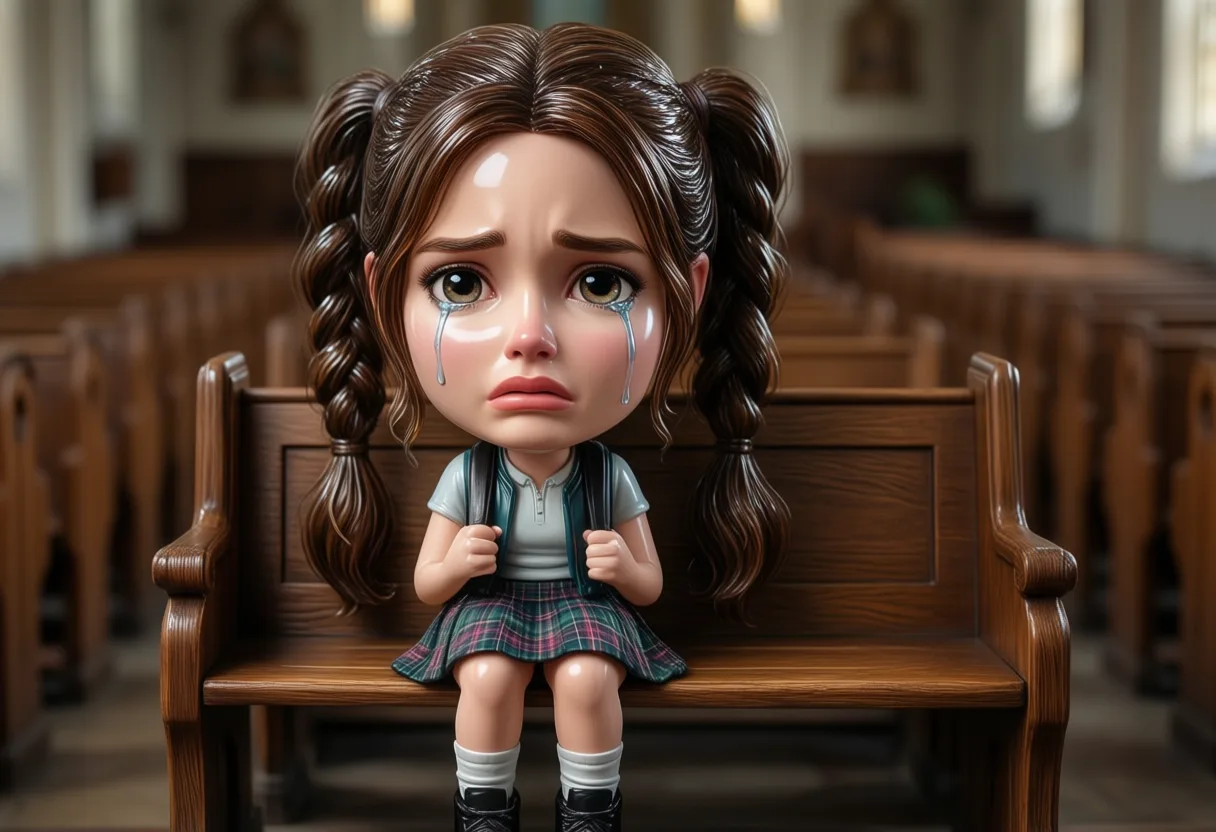

As we step into 2026, the cultural resonance of Margaret Atwood’s haunting narrative, The Handmaid’s Tale, continues to echo throughout society, sparking conversations about autonomy, freedom, and the perils of totalitarianism. The story, originally penned in 1985, takes on fresh relevance in the context of recent social movements and political upheavals. This article explores how The Handmaid’s Tale Dares to challenge oppression and control, reflecting the complexities of contemporary life while drawing parallels with other narratives like Children of the Corn. The evolution of this dystopian narrative remains crucial in examining how far we’ve come in understanding women’s rights and the ongoing fight against authoritarianism.
7 Ways The Handmaid’s Tale Revolutionizes Perspectives on Oppression
1. Gender and Power Dynamics
In Atwood’s universe, women’s roles are stripped down to mere reproduction, which serves as a critical commentary on real-world gender inequalities. The stark representation of subservient female characters juxtaposes empowered figures in shows like The Boys And Fargo. Here, we see a spectrum of female strength that contrasts sharply with the oppression found in The Handmaid’s Tale. This comparison emphasizes the ongoing struggles against patriarchal structures in our own society, illuminating the vital need for equitable power dynamics.
2. The Role of Religion in Governance
The Handmaid’s Tale Presents a chilling interpretation of religion co-opting government powers, mirroring alarming trends observed in contemporary politics. The influence of evangelical groups in U.S. Policy-making echoes through the story, making viewers reconsider the ramifications of religious extremism in governance. This aspect draws parallels to films like Jesus Camp, which illustrates how faith can shape ideology and control populations. The frightening reality that this fiction reflects pushes audiences to explore the role of faith in shaping political landscapes, questioning where spirituality ends and state authority begins.
3. Surveillance and Social Control
In Gilead, citizens are perpetually watched, echoing the realities of modern surveillance in countries like China. This aspect aligns with narratives found in The Circle, which delves into privacy invasion and self-policing behaviors influenced by technology. The cautionary tale presented in The Handmaid’s Tale About losing personal freedoms due to authoritarian oversight hits home in today’s digital age. As various technologies further invade privacy, it becomes crucial to weigh the importance of governance versus individual liberties.
4. Resistance and Solidarity
Key characters in The Handmaid’s Tale, such as June, embody the spirit of defiance against oppression. This powerful imagery resonates with real-life activists like Malala Yousafzai, whose fight for education and justice exemplifies the strength found in resistance. Such themes intersect with cinematic stories of resilience seen in Black Panther, where collective action against systemic injustice plays a pivotal role. Together, these narratives inspire audiences to recognize that unity in the face of adversity can drive change, offering hope against all odds.
5. Pedagogy of Fear
The indoctrination and fear tactics employed by Gilead’s regime reflect systemic mechanisms used globally to enforce conformity. Similar themes explored in literature like Fahrenheit 451 And films like The Purge Shed light on how fear becomes a tool for control. The extremes of societal manipulation showcased in Atwood’s work force viewers to confront uncomfortable truths about government control and personal liberties. This narrative serves as a sobering reminder of what can happen when fear is leveraged to suppress dissent.
6. Memory and Trauma
Narrative structure in The Handmaid’s Tale Frequently revisits trauma, illustrating both individual experiences and collective historical wounds. This reflective approach echoes in films like Eternal Sunshine of the Spotless Mind, where characters grapple with the remnants of painful experiences. Both works showcase how trauma shapes identity and perception, leading audiences to engage with their own narratives. This exploration fosters a deeper understanding of how the past influences present motivations and actions.
7. The Convergence of Dystopia and Reality
The blurry lines between the dystopian fiction of The Handmaid’s Tale And real-world scenarios, such as governmental abuses of power or stringent reproductive rights laws, stress the urgency of vigilance required in safeguarding freedoms. This connection resonates with works like Snowpiercer, Reinforcing themes of class struggle and social injustice that mirror our contemporary climate. By drawing these parallels, The Handmaid’s Tale Becomes a rallying point for viewers to demand change and representation in society.
An Evolving Legacy and the Call for Action
The ongoing impact of The Handmaid’s Tale In 2026 serves as a stark reminder of the fragility of freedom and autonomy, acting as an urgent call for action against systemic oppression. This narrative transcends entertainment, urging individuals to recognize and confront sociopolitical injustices in their own lives. As adaptations, merchandise, and discussions surrounding resistance continue to flourish, Atwood’s work remains a potent touchstone for reflection.
Moreover, the evolution of storytelling and media platforms provides an opportunity for filmmakers and audiences alike to reconsider the relationship between art and activism. The symbolism found in The Handmaid’s Tale Challenges us to confront our principles while grappling with the reality of contemporary issues. As society navigates its path forward, Atwood’s potent narrative encourages awareness of who we are and what we stand for, advocating for a future rooted in compassion, equality, and respect for humanity.
In an age where vigilance against oppression and control is more crucial than ever, engaging with narratives like The Handmaid’s Tale Becomes an essential part of fostering a more equitable world. With voices yearning for change, the onus is on us to reflect, learn, and, most importantly, act.
For further exploration of complex narratives in modern cinema, such as Personal Shopper Featuring the remarkable Zoe Saldana Or the chilling aspects of Peninsula, LoadedVideo Remains an indispensable platform for insights into indie filmmaking and blockbuster releases. To stay in the loop about compelling stories like that of Gabbie Carter Or engage with trending themes related to Freeusemilf, visit LoadedVideo As your ultimate entertainment destination.
Let us not wait for the distant future to question the structures of control – let the legacy of The Handmaid’s Tale Inspire action today!
Handmaids Tale: Daring to Challenge Oppression and Control
Behind-the-Scenes Secrets
Did you know that “The Handmaid’s Tale” is based on a novel by Margaret Atwood, but the adaptation brought its own flavor to the screen? The show has resonated with many viewers, reflecting real-world issues of control and oppression. The unique set design and costumes were so important that they earned several awards, showing how significant visual storytelling can be in evoking themes of the narrative. Fans often compare the starkness of Gilead to the distance between the Cast From Man Of Steel, highlighting how different genres can portray power dynamics in creative ways.
Themes in a Disturbing Reality
The show doesn’t shy away from heavy topics, much like the darker aspects of society we often overlook. For instance, the show cleverly incorporates the symbolism of honey, prompting questions like Is mad honey legal? This reinforces themes of temptation and danger, paralleling the lives of the Handmaids who are coerced into compliance with the state’s brutal expectations. It’s this web of symbolism that keeps audiences thinking long after they finish an episode, igniting reflections on freedom and autonomy.
Societal Reflections
What’s refreshing about “The Handmaid’s Tale” is its ability to spark discussion about significant social issues in a gripping format. In a world where Motivational Interviewing Techniques Can help people rediscover their voice, it’s compelling to consider how the characters fight for individuality. Just as the characters undergo transformation amid oppression, so too can viewers find inspiration and encouragement to engage with their communities. Speaking of transformation, fans often find deeper meaning reflecting on other dystopian narratives, making comparisons and even getting into the thrilling action of series like “Los Juegos del Hambre, which showcases the struggle against an oppressive regime.
In the grand tapestry of storytelling, “The Handmaid’s Tale” stands out, much like the artistic endeavors of creators such as Graziano, who focus on transformative narratives that capture the human spirit. The show’s ability to challenge viewers to confront uncomfortable truths makes it a poignant piece of entertainment that goes beyond simple storytelling. So, as we ponder the implications of control and resistance, let’s not forget the power of film and TV to push us toward awareness and activism.

This article was produced with AI assistance. How Loaded Video uses AI.
Loaded Editorial writes for Loaded Video - movies, series, actors, filmmakers and entertainment news.