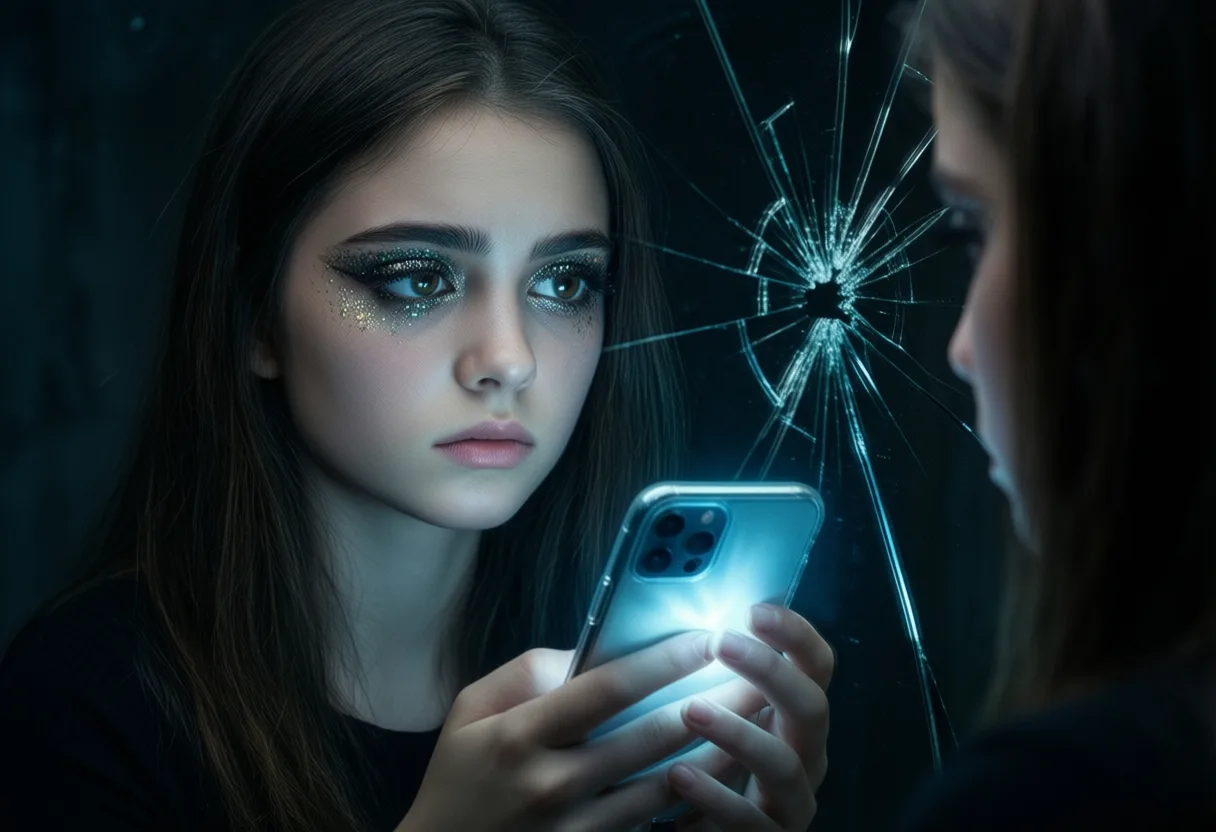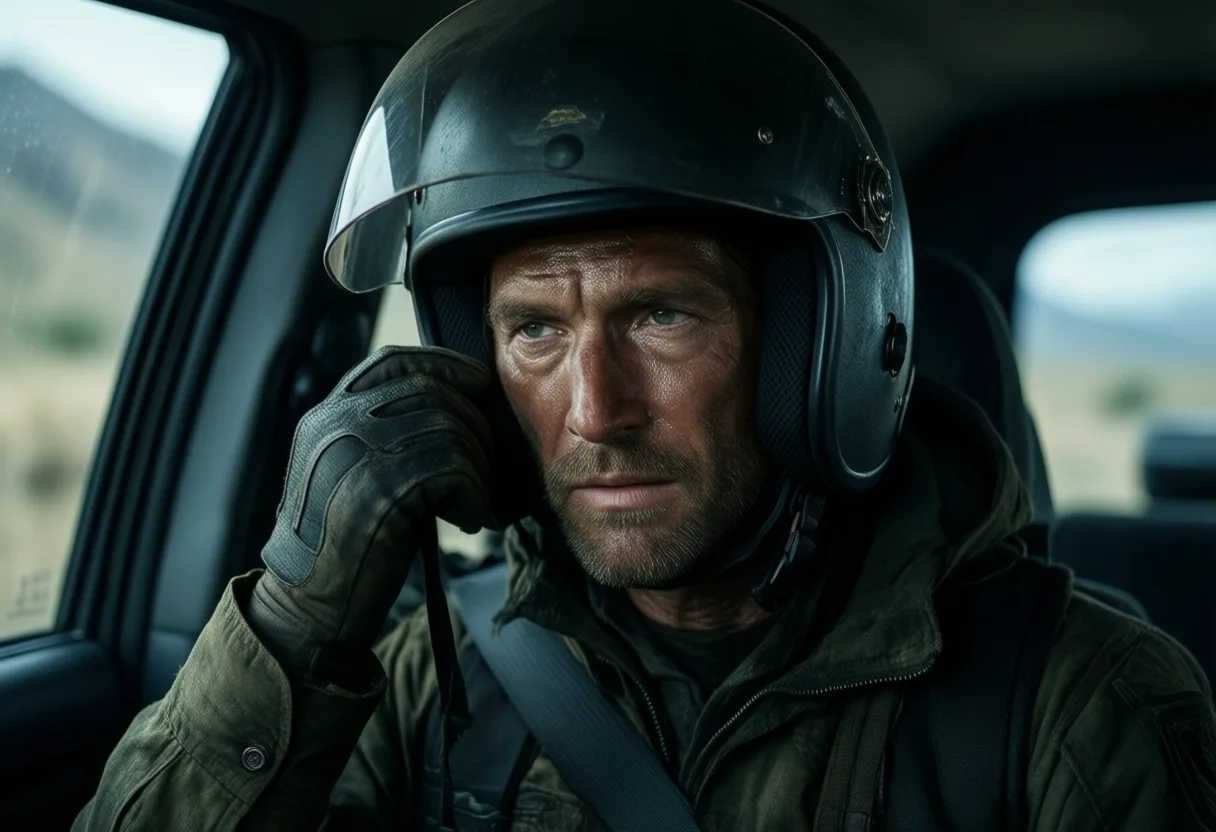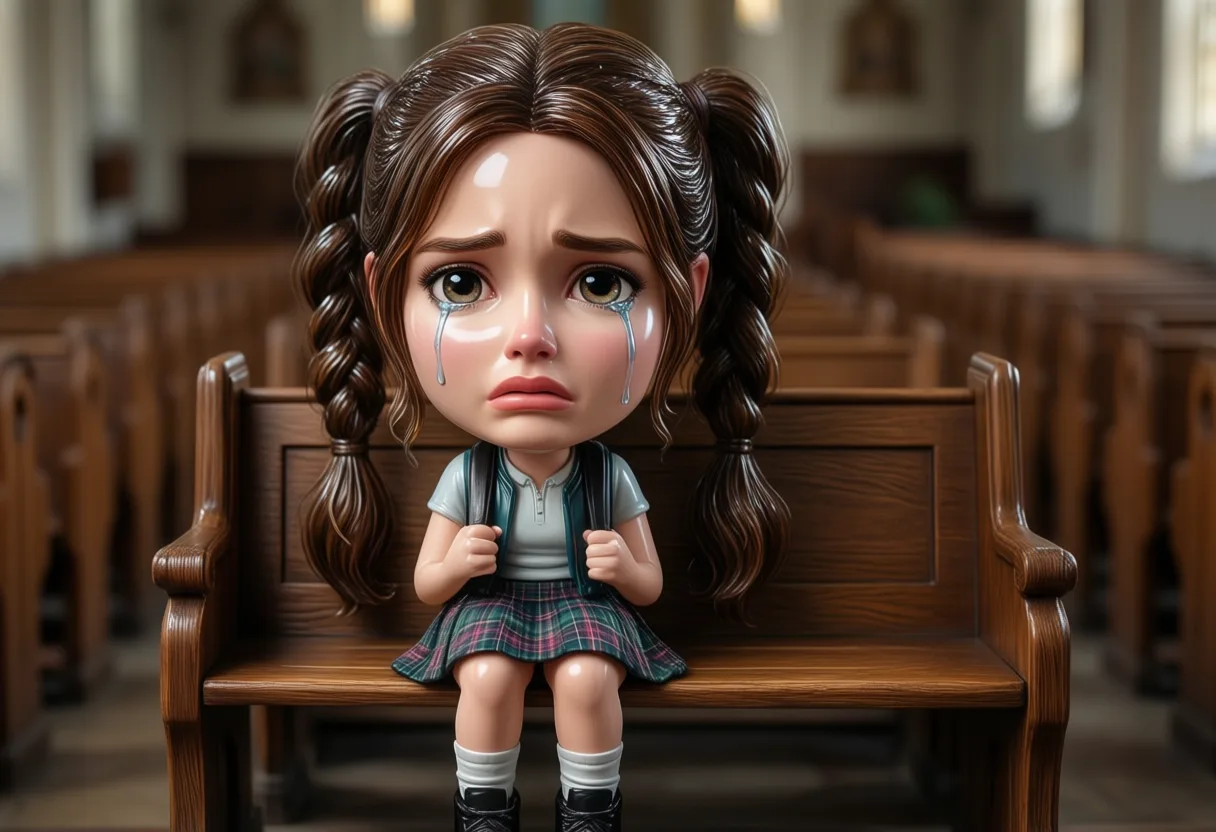
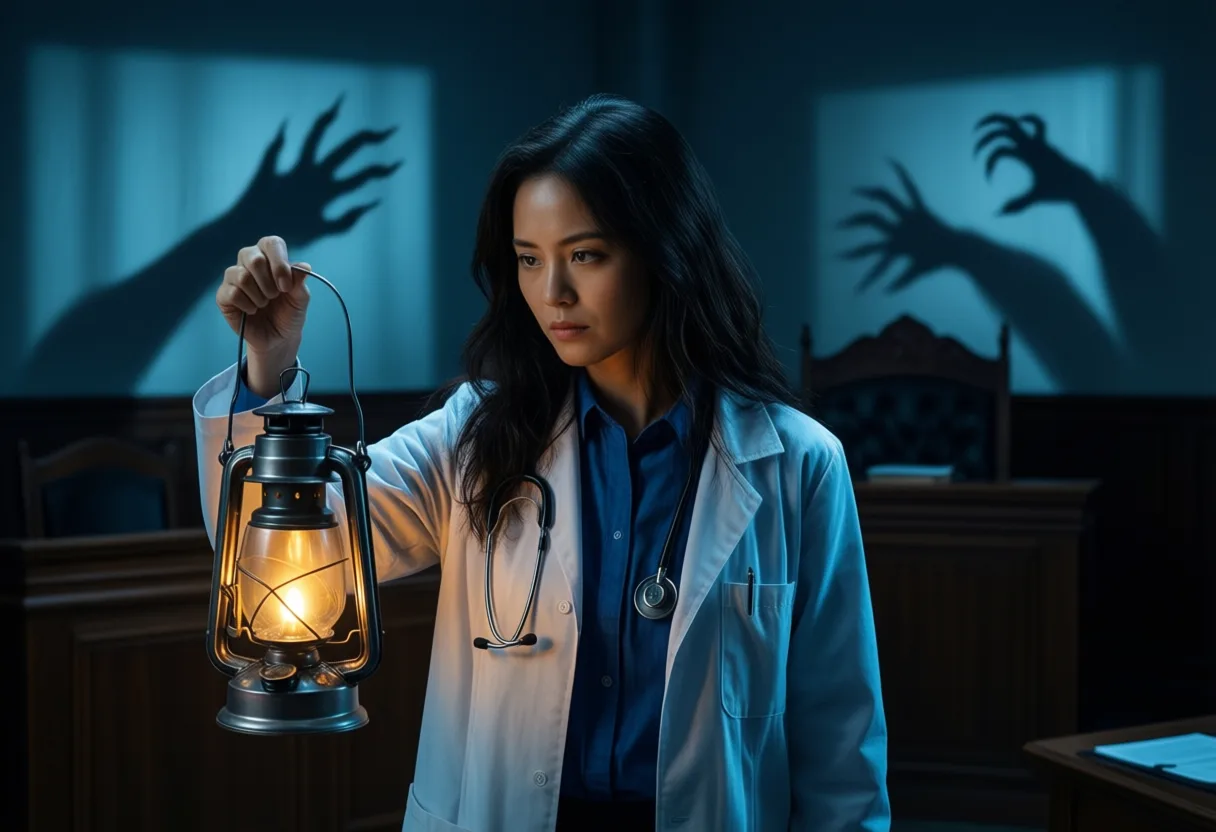
The line between spiritual crisis and psychological unraveling has rarely been drawn as tautly as in Evil, the Paramount+ series that lingers in the mind like a half-remembered nightmare. With each episode, it peels back layers of belief, fear, and institutional power, grounding its supernatural dread in the very real horrors uncovered in courtrooms, confessionals, and cold case files. This is not horror for horror’s sake-it’s a slow, deliberate descent into the architecture of evil itself.

The Real Darkness Behind the Drama
Evil Doesn’t rely on jump scares or grotesque makeup to unsettle its audience. Instead, it builds tension through ambiguity-moments where a flickering light might be a poltergeist or a faulty wire, where a child’s whisper could be possession or psychosis. The show’s brilliance lies in its refusal to offer easy answers, mirroring the uncertainty that haunts real-life investigations into unexplained phenomena. It asks not just What Is happening, but Who benefits-a question often central to Criminal inquiries.
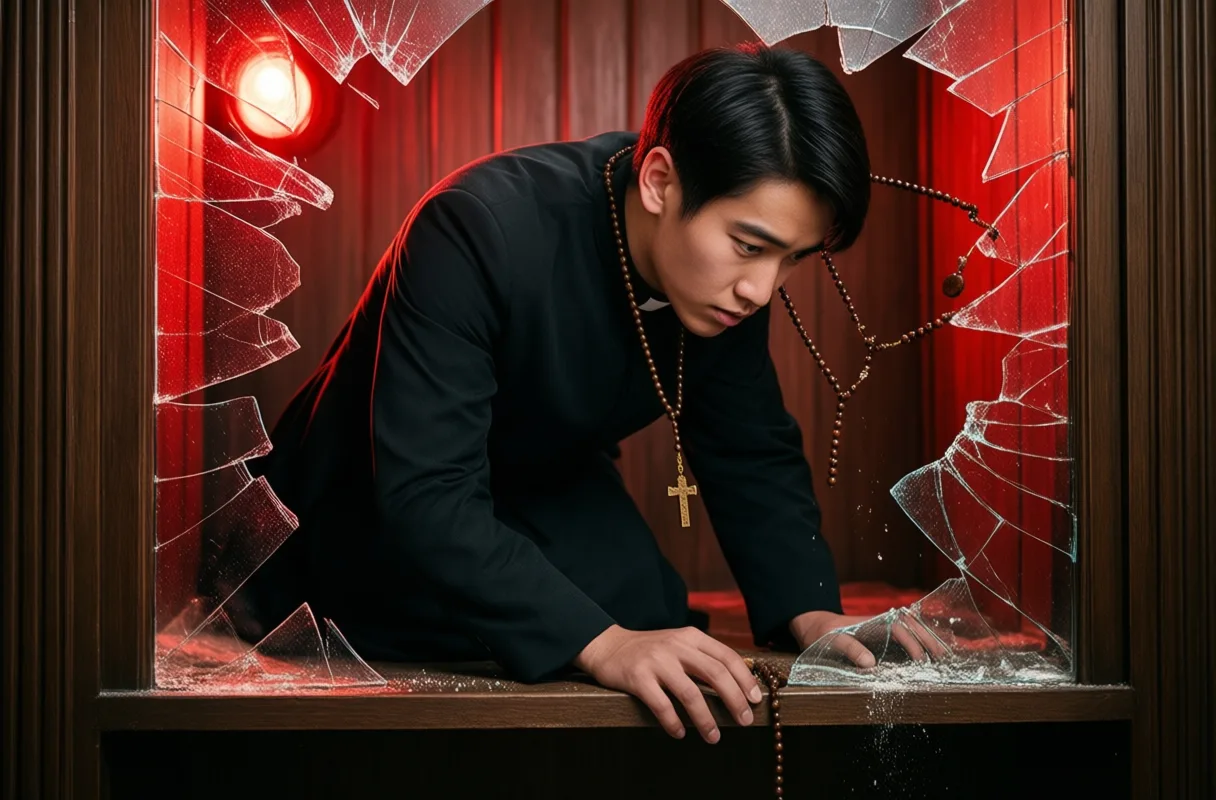
The series follows a team of investigators: a skeptical forensic psychologist, a priest-in-training, and a contractor with a knack for tech and trauma. Together, they assess alleged miracles, hauntings, and demonic activity for the Catholic Church, which weighs each case carefully before approving canonizations or exorcisms. Their work echoes actual Vatican protocols, where claims of the supernatural are subjected to rigorous scrutiny-sometimes spanning decades. The process isn’t about faith alone, but about evidence, motive, and human behavior under pressure.
This investigative framework allows Evil To explore the psychology behind belief, manipulation, and mass hysteria. Many storylines echo real cases where individuals were accused of faking miracles-or worse, using religious authority to Commit crimes. The show doesn’t sensationalize these parallels; it dissects them with clinical precision, revealing how easily fear can be weaponized. In doing so, it becomes less a supernatural thriller and more a Quietly devastating commentary on power, guilt, and the stories we tell to survive.
Bridging Horror and Human Behavior
The horror genre has long been a mirror for societal anxieties, and Evil Stands firmly in that tradition. Its creators pull from a deep well of True crime Tropes-corrupt institutions, hidden identities, the slow reveal of buried sins-while maintaining a tone that feels both intimate and expansive. Each episode functions like a case study, where the real monster might not be a demon, but a person hiding behind one.
Consider the way the series handles possession. Rather than treating it as a straightforward supernatural event, Evil Presents it as a potential symptom-a manifestation of trauma, mental illness, or even performance. This duality keeps viewers off balance, forcing them to question every revelation. Is the girl speaking in tongues truly inhabited by a malevolent force, or is she a victim of abuse using the only language she thinks will be heard? The show refuses to let us look away from the discomfort of that uncertainty.
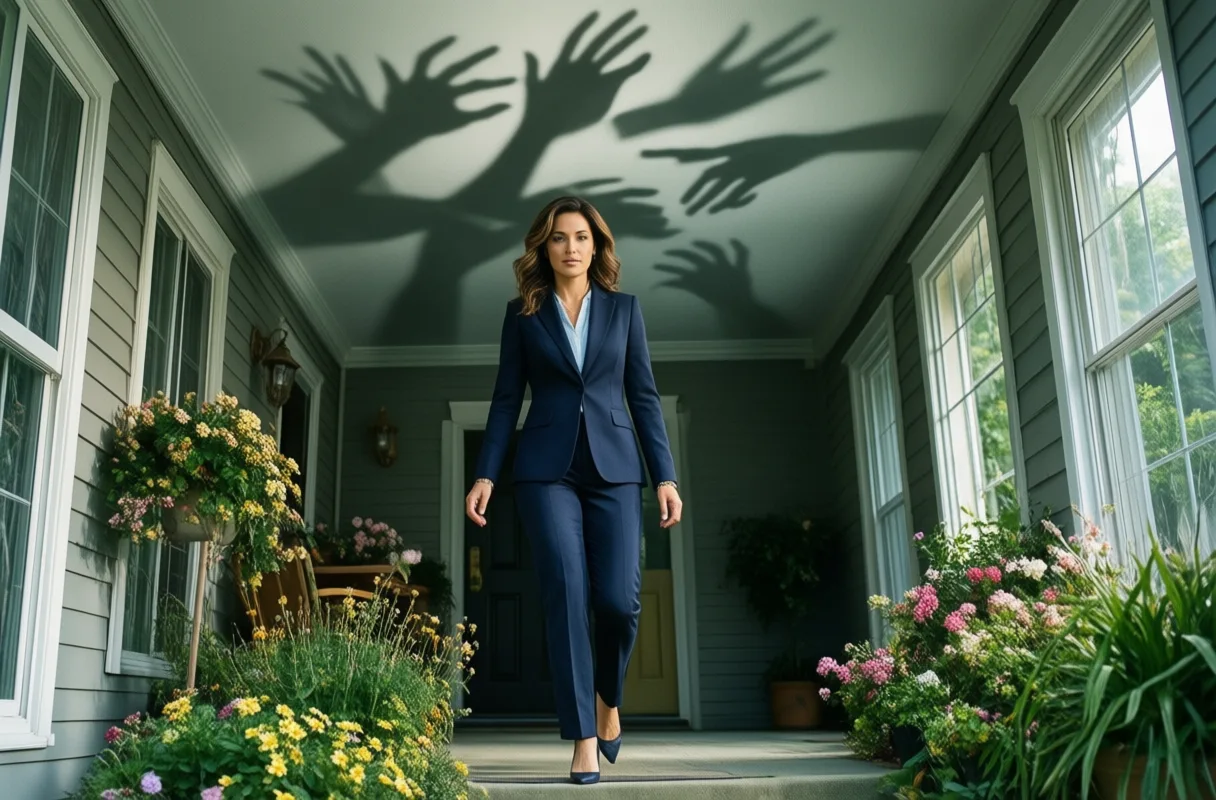
The visual language of Evil Further blurs the line between reality and hallucination. Shadows stretch too far, reflections move on their own, and silence often speaks louder than dialogue. These techniques recall the atmospheric dread of classic horror films, such as the unnerving practical effects and relentless tone found in Watch Evil Dead 2013’s Insane Impact, where psychological breakdown and supernatural terror are indistinguishable. In both works, the body becomes a battleground-not just for souls, but for control, identity, and truth.
What sets Evil Apart is its sustained moral inquiry. It doesn’t just ask whether demons exist, but whether labeling something “evil” lets us off the hook for understanding it. By grounding its most outlandish moments in human behavior-grief, greed, the need for meaning-the series becomes a kind of Secular exorcism, stripping away myth to confront the real darkness we carry within.
Why Independent Storytelling Matters in the Age of True Crime
In an era saturated with True crime Documentaries and serialized podcasts, Evil Stands out by refusing to offer closure. Where many true crime narratives wrap up with arrests, confessions, or moral lessons, this series lingers in the unresolved. It embraces contradiction, allowing faith and skepticism to coexist without resolution. That complexity is a hallmark of independent storytelling-work that prioritizes questions over answers, character over spectacle.
Independent creators have long been the ones to challenge genre boundaries, and Evil, though produced for a major platform, carries that spirit. It’s unafraid of silence, of slow burns, of letting a scene breathe until it becomes unbearable. This kind of pacing allows for deeper psychological exploration, giving space to the kind of introspection that mainstream procedurals often skip. It treats its audience as thinkers, not just consumers.
For filmmakers and storytellers, Evil Offers a masterclass in tone and restraint. It proves that horror doesn’t need gore to be disturbing, that belief can be more terrifying than any monster, and that the most chilling stories are often the ones rooted in truth. Platforms like loaded.ai continue to champion this kind of bold, character-driven work-projects that push the boundaries of narrative and challenge viewers to look deeper.
In the end, Evil Isn’t just a show about demons. It’s about what we choose to believe, what we fear most, and the stories we create to explain the unexplainable. It invites us to sit with discomfort, to question our instincts, and to recognize that the most haunting Mysteries Aren’t found in haunted houses-but in the human heart.
The Real Cases That Inspired Evil's Darkest Moments
When TV Mirrors True Crime
Evil Might serve up demons, conspiracies, and tech moguls with sinister agendas, but its creepiest moments often have roots in real-life events. The show’s creators didn’t pull every exorcism or unexplained phenomenon out of thin air-many were shaped by actual cases that baffled investigators, doctors, and religious figures. Take the concept of “false possession,” explored in several episodes; it mirrors documented instances where psychological conditions like dissociative identity disorder were initially mistaken for supernatural influence, blurring the line between mental health and myth.
Crimes That Felt Supernatural
Some plotlines hit close to home because they’re loosely based on notorious unsolved cases. The show’s eerie take on internet trolls and digital harassment echoes real-world concerns about online anonymity fueling real harm-something seen in cyberstalking tragedies and doxxing scandals. While Evil Leans into the theatrical with its demonic avatars, the emotional damage inflicted by anonymous online predators is very much grounded in reality. Even the series’ creepy AI story arc isn’t pure science fiction-researchers have experimented with machine learning models that mimic human behavior in unsettling ways, raising ethical questions the show dramatizes with flair.
Religious Investigations Behind the Scenes
The process of investigating miracles and possessions for the Catholic Church, which forms a backbone of the series, follows actual protocols. Though dramatized for television, the steps taken by the characters-gathering medical records, interviewing witnesses, ruling out fraud-reflect real procedures used by church-appointed experts when evaluating claims of the paranormal. These investigations don’t always end with dramatic exorcisms; most conclude with natural explanations, a detail Evil Honors by keeping skepticism front and center. It’s this balance between belief and doubt that makes the show feel authentic, even when things get otherworldly.
Frequently Asked Questions
What is the show Evil about?
Evil follows a team investigating alleged miracles, hauntings, and demonic activity for the Catholic Church. The group includes a skeptical psychologist, a priest-in-training, and a tech-savvy contractor assessing cases with psychological and institutional scrutiny.
Does Evil base its stories on real events?
Yes, many storylines are inspired by real cases involving false possession, mental health misdiagnoses, cyberstalking, and church investigations into supernatural claims. The series mirrors actual Vatican protocols for evaluating paranormal phenomena.
How does Evil connect to true crime?
The show uses true crime elements like hidden sins, corrupt institutions, and unresolved mysteries. It focuses on psychological motives, evidence, and human behavior, treating each episode like a case study of belief and manipulation.
What makes Evil different from other horror shows?
Evil avoids jump scares and gore, relying instead on ambiguity, atmosphere, and moral questions. It blends horror with psychological realism, exploring how fear, trauma, and power shape what we believe.
This article was produced with AI assistance. How Loaded Video uses AI.
Sylvie focuses on actors’ emotional range and career evolutions, conducting deep interviews that highlight vulnerability and transformation. She frames performances within broader cultural currents, showing how personal journeys intersect with shifting industry landscapes and audience expectations.