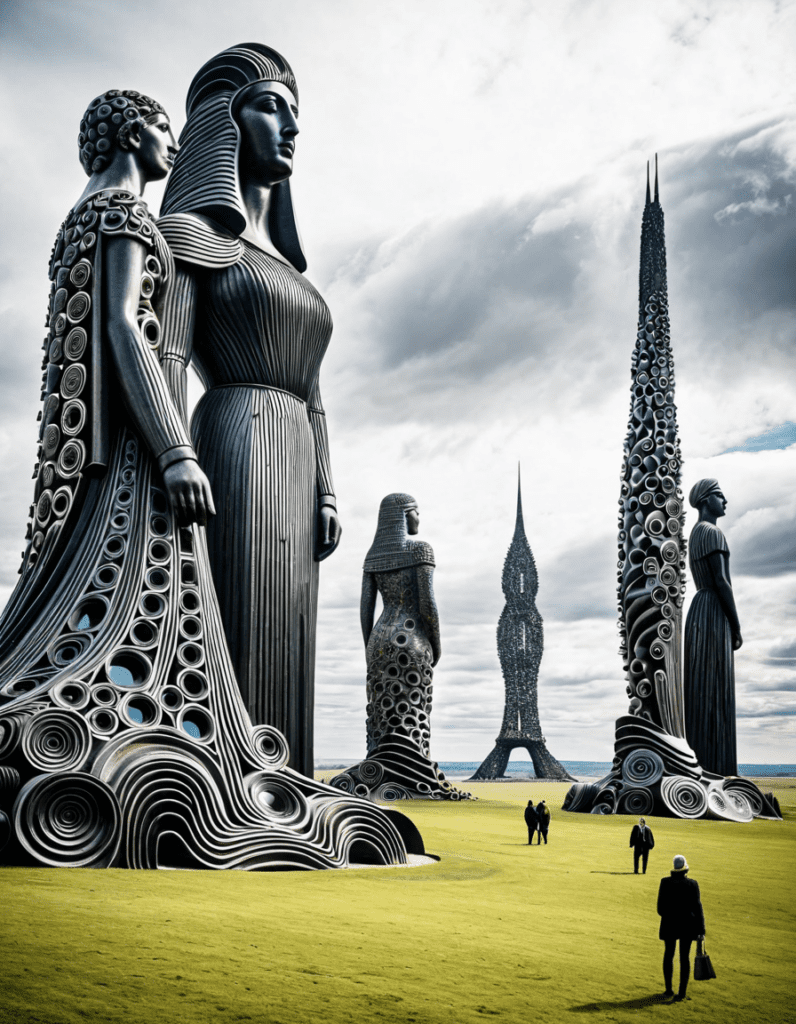
As we plunge into 2026, the themes presented in Aldous Huxley’s “Brave New World” continue to resonate deeply with our current reality. This iconic novel paints a chilling portrait of a society submerged in control and superficiality, a mirror reflecting our advances in technology, politics, and social dynamics. In this article, we’ll uncover the unsettling similarities between Huxley’s dystopia and today’s world, shedding light on the ominous directions our society seems to be taking.
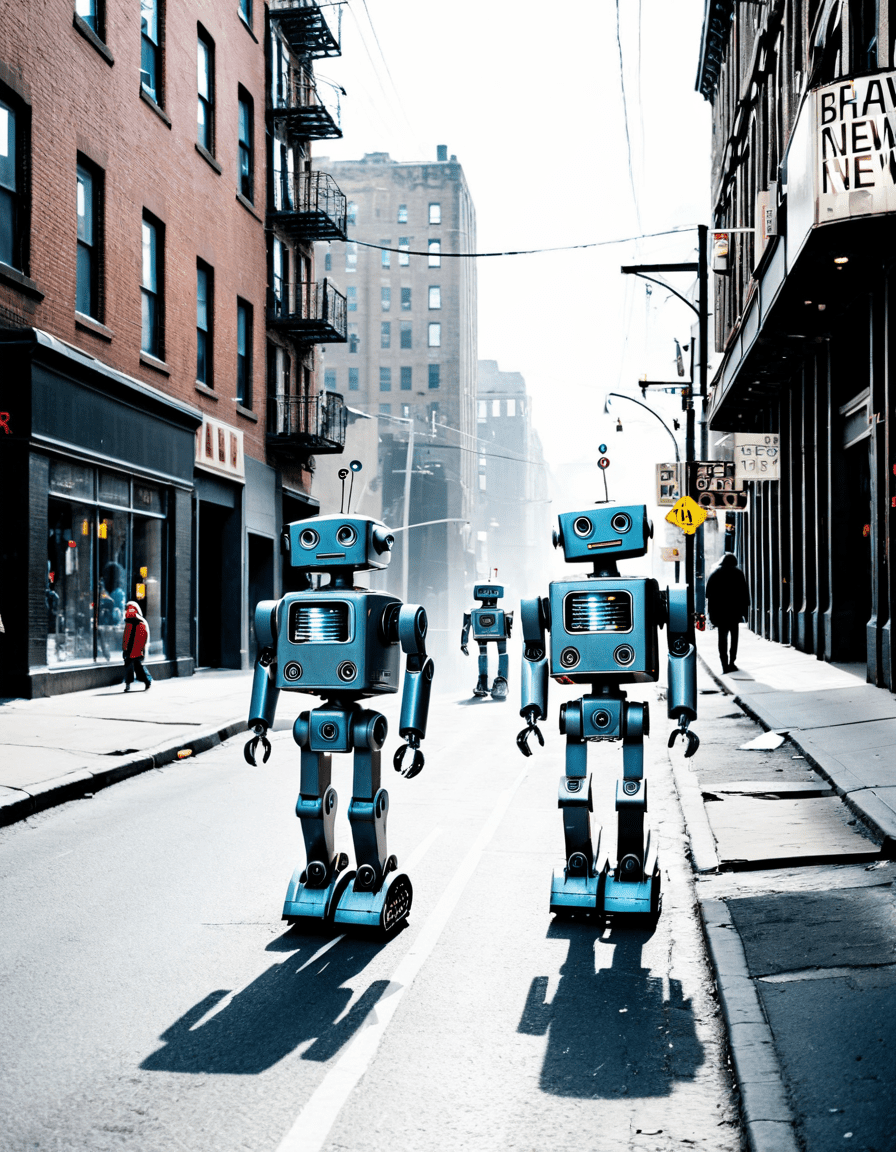
7 Harrowing Parallels Between Our Society and “Brave New World”
The world of “Brave New World” illustrates how individuals are controlled and manipulated, and in 2026, we see this through surveillance capitalism. Companies like Amazon and Facebook track our every move, gathering data that feeds into an algorithm designed to maintain consumerist control. Remember the Cambridge Analytica scandal? It revealed how personal data was weaponized to shape public opinion, quietly drawing parallels to the loss of individuality depicted in Huxley’s haunting narrative.
Huxley’s characters are conditioned from birth to accept their roles, echoing how we now rely heavily on AI. Tools like GPT-3 and ChatGPT cater to our needs, shaping experiences yet raising questions about the value of original thought. The line between human creativity and machine reproduction blurs rapidly, nudging us towards a reality where authenticity feels vulnerable and creativity risks becoming automated.
One of the most significant comparisons we can draw is how today’s consumer culture mirrors Huxley’s “feelies.” Modern brands, particularly Apple, have transformed shopping into an immersive experience, suggesting we can purchase happiness. The truth is that this consumerist façade runs the risk of alienating us from authentic emotional experiences, creating a cycle of consumption that only masks underlying dissatisfaction.
In Huxley’s world, soma serves as an escape from reality, and today, our dependence on medications to regulate mood echoes this premise. The increase in antidepressant prescriptions reflects a trend toward emotional suppression rather than true healing. Instead of confronting our mental health issues, society often seeks quick fixes that perpetuate a culture of avoidance, closely mirroring Huxley’s fears of chronic discontent.
Huxley’s portrayal of familial detachment resonates today as our societal frameworks shift toward communal child-rearing practices. Educational institutions like Waldorf schools promote collective learning experiences, challenging traditional family units. This evolution raises questions about how technology influences our connections and whether these fragmented societal networks can replace genuine familial bonds.
Huxley’s world showcases superficial interactions, and social media platforms like TikTok and Instagram have taken this to new heights. The pressure to craft idealized online personas often comes at the cost of authentic engagement. By obsessing over digital validation, we plunge deeper into a hyper-reality that undermines our self-worth, reminding us of the hollow connections depicted in Huxley’s dystopia.
Just as Huxley warned of a world where information was tightly controlled, we see escalating censorship on platforms like Twitter and Reddit. Debates around what constitutes ‘safe’ speech create echo chambers that silence dissenting voices. Such narrative control stifles genuine discourse much like the totalitarianism showcased in “Brave New World,” highlighting the need to protect free expression and diverse viewpoints.
Interpreting the Dark Side of Our Brave New World
These parallels serve as a wake-up call. Huxley’s vision isn’t just fiction; it underscores real challenges we face today. From the erosion of individualism to the pervasive influence of consumer culture, we stand at a crossroads. It’s essential to recognize these ominous tendencies and advocate for authentic expression amid an increasingly homogenized atmosphere.
To counteract the influences that lead us into Huxley’s brave new world, we must strive for originality and question the narratives we consume daily. Connecting with others on a genuine level can illuminate a path distinct from the alienation depicted in Huxley’s chilling tale. As we move ahead, let’s stay vigilant about the forces shaping our lives and ensure our societal frameworks foster authenticity instead of conformity.
To that end, if you’re looking for film content that explores these themes further, check out “Dinner in America” with its engaging cast, or perhaps tune into discussions around cultural phenomena, like Steve KornackiS insights into modern debates. This dialogue is vital for fostering the change we need in our world.
As we reflect on Huxley’s warnings, it becomes clear that our actions today will determine whether we stride toward a brighter future or tread cautiously through a brave new world filled with shadows.
Brave New World: Fun Trivia and Interesting Facts
Origins of Dystopia
Did you know that Aldous Huxley, the mastermind behind Brave New World, actually wrote it in just a few months? The novel was published in 1932, during a period that saw the rise of totalitarian regimes-suggesting a keen awareness of the political climate. This became a pivotal reference point in literary circles, and it’s often compared with Orwell’s 1984. Interestingly, Huxley’s vision was that technology would drive humanity toward oblivion, rather than oppressive governments. Speaking of tech, navigate your way through streaming platforms with a click of a button, like learning What time Is debate tonight And planning for an evening of thoughtful discourse.
The Cultural Impact
Just as The Made their mark in sitcom history, Brave New World Has permeated pop culture, finding its way into films, music, and even reality shows. The story’s themes of conformity and consumerism resonate strongly with today’s society, much like the striking contrasts showcased in Dinner in America. The gritty yet endearing vibe of films like these and iconic literary works shine a light on the human condition, regardless of the era.
Huxley’s Inspirations
Aldous Huxley was inspired by real-life cities and societies while writing his famous work. His experiences traveling through various countries gave him insights into consumer behavior, often reflecting a satirical lens on how people live. In a world where decisions like Is Youtube TV dropping Fox news Hang in the balance, it’s fascinating to consider how media shapes our perceptions-much like the unyielding control in Huxley’s Brave New World. As you dig deeper into the layers of this dystopian tale, you might just find nuggets of wisdom about society’s obsessions, ultimately leading to questions that feel remarkably relevant today, like the societal implications rolled out in campaigns emphasizing values like Bitte.
Brave New World Is far more than just a story; it’s a warning, an exploration, and a window into what happens when society prioritizes pleasure over human empathy. To get a complete sense of its brilliance, you gotta see its layered intricacies, much like the humor found in old cartoons like Road Runner, reminding us that the chase-be it for knowledge, engagement, or escape-continues to this very day.
This article was produced with AI assistance. How Loaded Video uses AI.
Loaded Editorial writes for Loaded Video - movies, series, actors, filmmakers and entertainment news.