
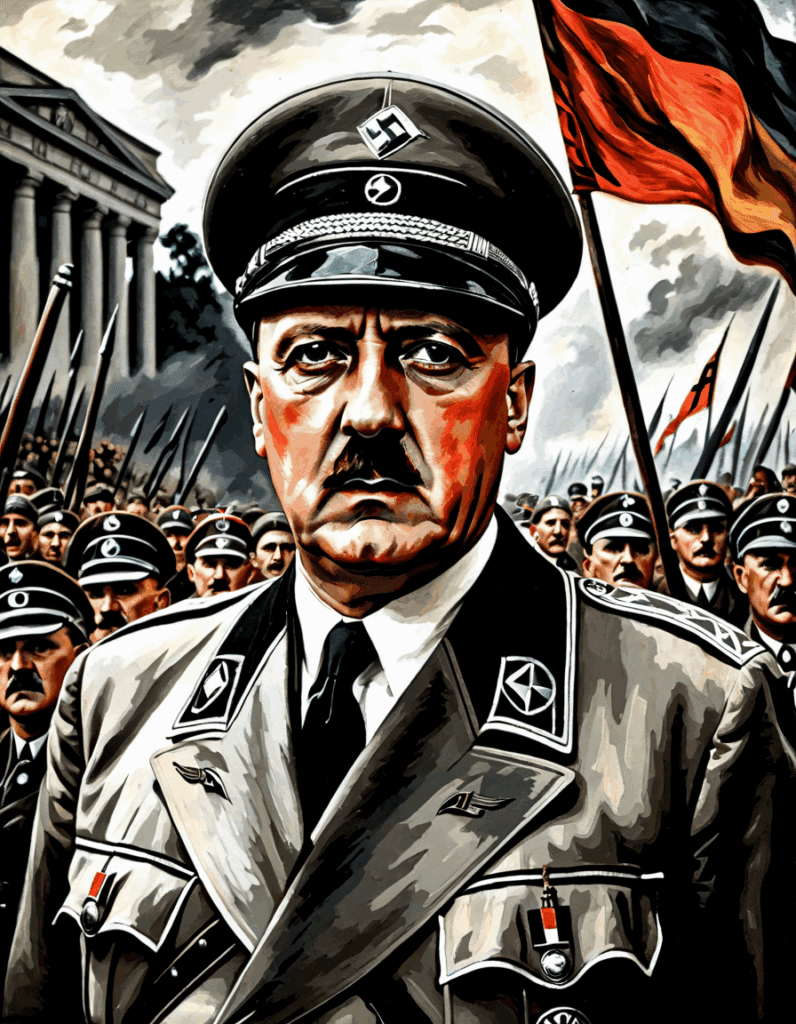
Understanding Hitler: The Man Behind the Movement
Adolf Hitler is a name that evokes strong emotions and dark memories, as he stands at the crossroads of fascism and the catastrophic events of World War II. Born in Austria in 1889, Hitler’s youthful dreams of becoming an artist didn’t quite pan out, leading him to a life that spiraled into politics. His experiences in World War I, where he served as a soldier, immensely shaped his nationalistic sentiments. After the war, amidst the economic chaos brought on by the Treaty of Versailles, Hitler’s allure grew as he tapped into the prevailing despair. He wasn’t just a man; he was a figure capable of igniting hope or terror, leveraging his ability to connect with the masses.
In his early political career, Hitler navigated through the ranks of the National Socialist German Workers’ Party (NSDAP). His psychological profile shows a mix of ambition, charisma, and a deep-rooted desire for power. He was a masterful orator, captivating audiences with speeches that blended nationalism with aggressive anti-Semitism. The tools of propaganda, pivotal to his strategy, would soon reshape the German political landscape, resulting in reverberations far beyond Germany’s borders.
This transformation didn’t happen in isolation. The societal conditions of the time-post-war loss, economic instability, and rampant inflation-contributed significantly to Hitler’s rise. His magnetism coupled with effective propaganda techniques laid the groundwork for unprecedented political strategies that ultimately allowed him to seize control and change the course of history.
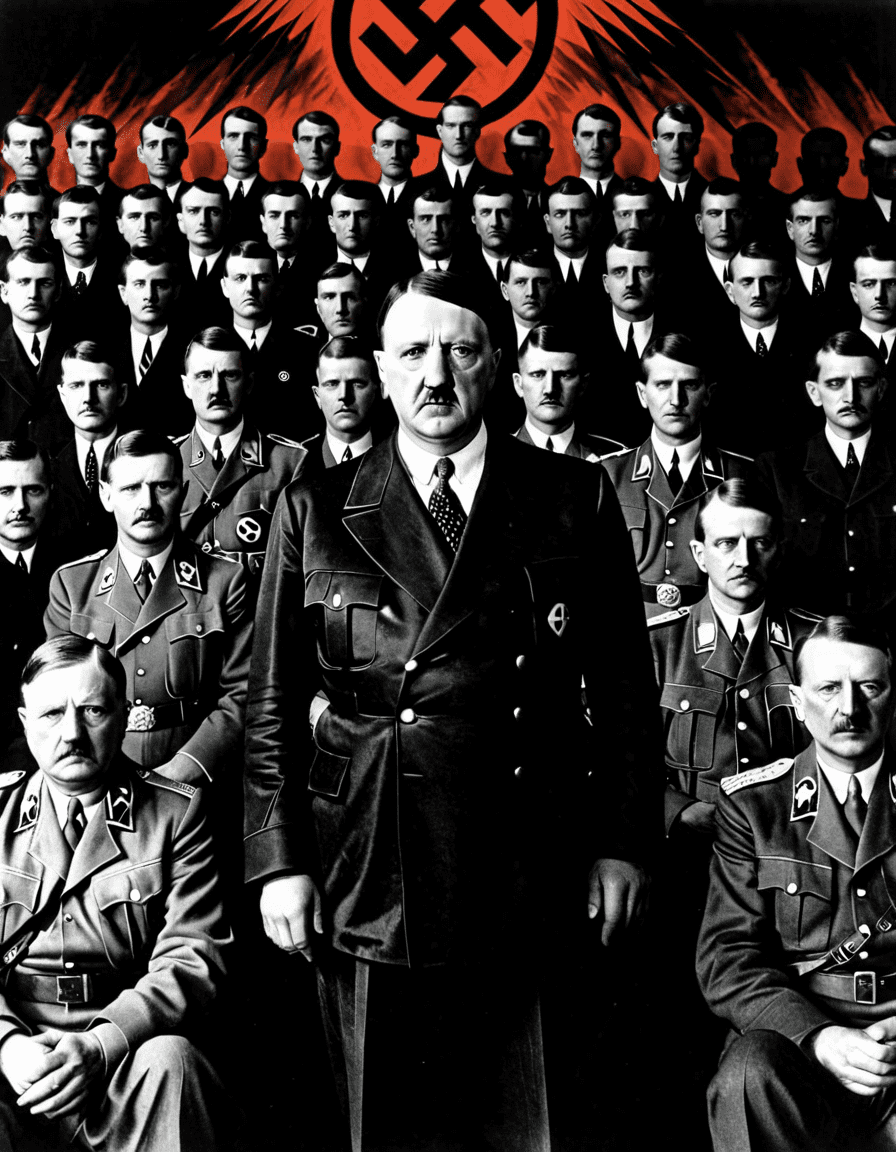
Top 5 Factors Leading to Hitler’s Rise to Power
1. Economic Hardship
The specter of the Great Depression in the late 1920s wrecked countless lives in Germany. With unemployment soaring to staggering heights, desperation became a breeding ground for radical ideas. Hitler portrayed himself as the beacon of hope, a resilient leader who could restore Germany’s economy. His promises resonated strongly with those suffering, making him a formidable political contender.
2. Political Instability
The abdication of Kaiser Wilhelm II left a political battleground that was anything but stable. The Weimar Republic grappled with constant governmental shifts that blurred the lines of power. As mainstream parties wobbled, the NSDAP’s extremist views found a fertile ground. Hitler’s instinct for political maneuvering allowed him to exploit these moments of chaos, showing remarkable tactical brilliance as he positioned himself as a viable option.
3. Propaganda and Mass Mobilization
From the get-go, Hitler recognized the power of propaganda. Joseph Goebbels, as his Minister of Propaganda, unleashed innovative messaging that engrained Nazi ideology into the German psyche. Mass rallies and magnetic speeches weren’t just spectacles; they united the citizens under a common banner, systematically reshaping public perception about both Germany’s destiny and Hitler’s vision for it.
4. The Role of the SA and SS
The Sturmabteilung (SA) and Schutzstaffel (SS) played vital roles in solidifying Hitler’s grip on power. These organizations weren’t just about brawn; they were instruments of intimidation. By wielding fear against his political rivals, Hitler showcased an alarming willingness to utilize violence for his gain, ensuring that resistance was quashed before it could even take form.
5. The Complicity of Establishment Figures
Hitler’s ascent wouldn’t have been possible without the support of influential figures. Industrialists and political elites, like Hermann Göring, viewed him as a necessary ally in consolidating their power and quashing leftist uprisings. This alliance illustrated a broader societal complacency, with resources flowing in to fortify the Nazi party, which further empowered Hitler’s methods.
The Lasting Impact of Hitler’s Regime
Historical Memory and Education
Hitler’s regime left an indelible mark on historical memory, influencing educational frameworks not just in Germany but worldwide. Countries have integrated Holocaust education into their curriculums, emphasizing the dangers of totalitarianism and unchecked prejudice. Germany’s commitment to a “Erinnerungskultur” (culture of remembrance) is a testament to its effort to confront its past while fostering dialogue about human rights.
The Foundation of Modern Human Rights Laws
The atrocities of Hitler’s rule acted as a clarion call for the need for international human rights legislation. The formation of the United Nations was, in part, a direct response to safeguard against abuses that occurred during his regime. The ripples from this dark chapter in history ignited movements that ultimately led to the creation of the Universal Declaration of Human Rights in 1948.
The Rise of Extremist Ideologies
Sociologists and political scientists have closely analyzed Hitler’s rhetoric to understand the resurgence of extremist ideologies in today’s political climate. Contemporary far-right movements, rife with populist tactics and scapegoating strategies, bear a striking resemblance to those employed by Hitler and the Nazi Party. His playbook still, unfortunately, finds relevance in modern politics.
Influence on Global Politics
The geopolitical landscape that Hitler shaped continues to echo in today’s world. The repercussions of World War II catalyzed the establishment of organizations like the European Union and NATO, intended as mechanisms for collective security against future tyranny. Today’s international relations remain influenced by the lessons learned from his actions and the consequences that unfolded.
Continued Cultural Narratives
In films, literature, and various media, Hitler serves as an archetype of evil, permeating narratives and themes. Notable films such as “Downfall” and “Jojo Rabbit” explore his legacy, engaging viewers in the ethical dilemmas that arise from historical memory. These stories keep the conversation alive, ensuring that the impact of Hitler’s reign remains a poignant topic in popular culture.
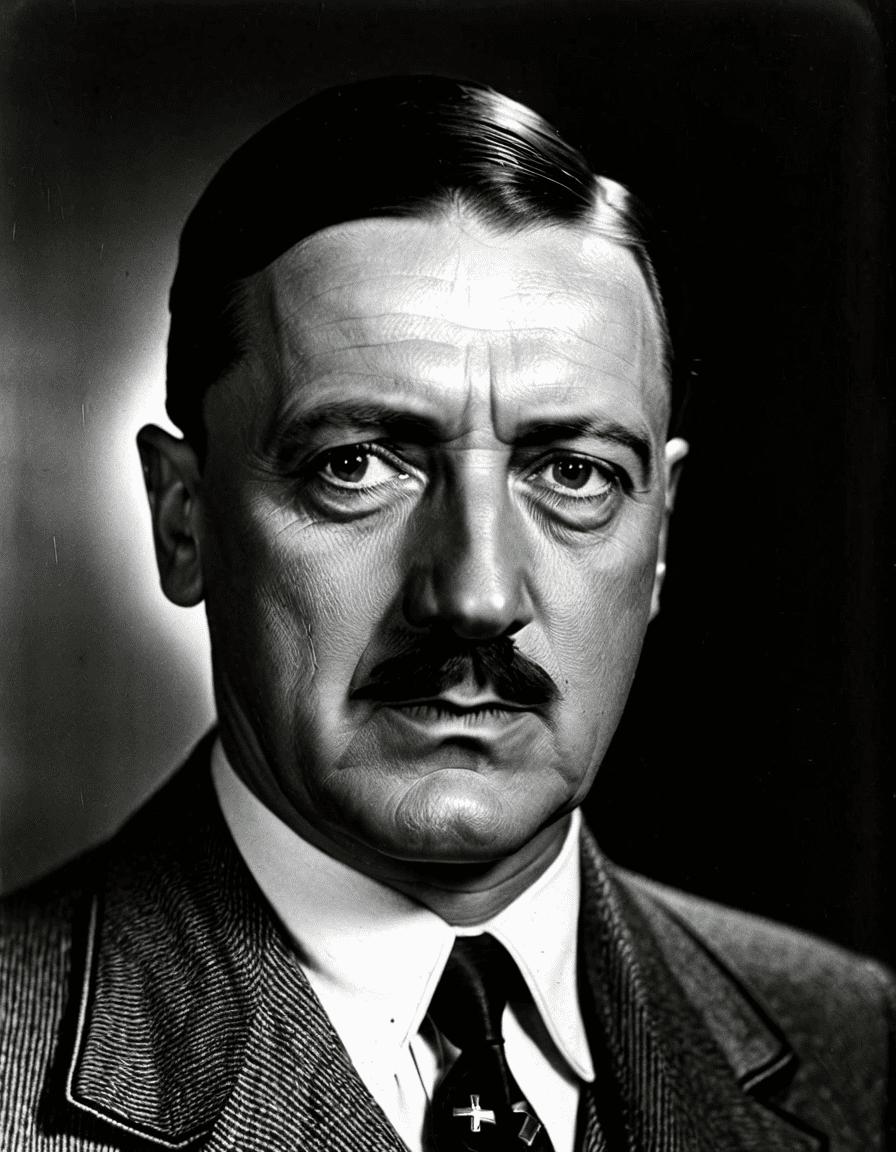
Revisiting History: Sustaining Lessons from the Past
Hitler’s rise to power and the ramifications of his regime serve as a stark reminder of the importance of vigilance against authoritarianism. As society continues to confront legacies of the past, understanding how systems and individuals enabled one of history’s darkest chapters becomes crucial. The lessons from this period not only inform current societal challenges but also highlight our responsibilities to guard democratic values and promote human dignity.
In an era where misinformation can spread like wildfire, the story of Hitler is a powerful reminder of the capacity of persuasion and the imperative to remember, reflect, and resist. As filmmakers, activists, and citizens, we bear the responsibility to ensure that history does not repeat itself. The chatters of history remind us that complacency can be deadly; let’s commit ourselves to fostering a future that embraces understanding and unity while standing firmly against hatred and division.
Hitler: Fun Trivia and Interesting Facts
Fascinating Tidbits About Hitler’s Life
Did you know that while Adolf Hitler is often recognized for his dark legacy, he had quite the eclectic set of interests? He was known to be a fan of art, attempting to become an artist before his political ambitions took off. Ironically, his drive to create was overshadowed by a devastating global conflict. It’s interesting to think about how, just like the animated hijinks in Blue Exorcist, Hitler’s earlier pursuits seemed worlds apart from the chaos he later orchestrated. Speaking of chaos, Hitler’s infamous selfies could be likened to a theatrical performance, reminiscent of characters you’d see in shows featuring the Leverage cast-full of deception and strategy.
Surprising Personal Connections
As his power grew, so did his personal friendships, albeit with individuals who shared his troubling ideology. You might find it surprising that some of his close associates enjoyed celebrity status within their own circles, not unlike the buzz surrounding pop-culture figures today, such as Lamar Odom. In fact, the public’s fascination with both historical figures and their modern counterparts often leads to sharp contrasts-consider how people might view a biopic of Hitler in the same breath as a comedy about a Friday Movie. What if actors explored controversial histories for laughs? It’s a unique thought, isn’t it?
The Lasting Impact
The impact of Hitler’s regime is still felt today, influencing everything from global politics to artistic expression. His time on the world stage can sometimes be viewed through various lenses, such as ideological battles seen in many anime-perhaps reminiscent of Chainsaw Man season 2. As discussions about morality and power continue to unfold, one can’t help but analyze how influential figures, even those as maligned as Hitler, ignite debates and challenge the narratives that surround our heroes and villains alike. For added context, perhaps we should consider how hopes and struggles for medals, like the Purple Heart, intertwine personal valor with national sacrifice, echoing through history as we analyze leaders like Hitler.
It’s rather eye-opening to trace the tangled paths of history and how moments of darkness can influence everything from art to social movements, understanding the modern ramifications in a world filled with diverse narratives begging to be explored.
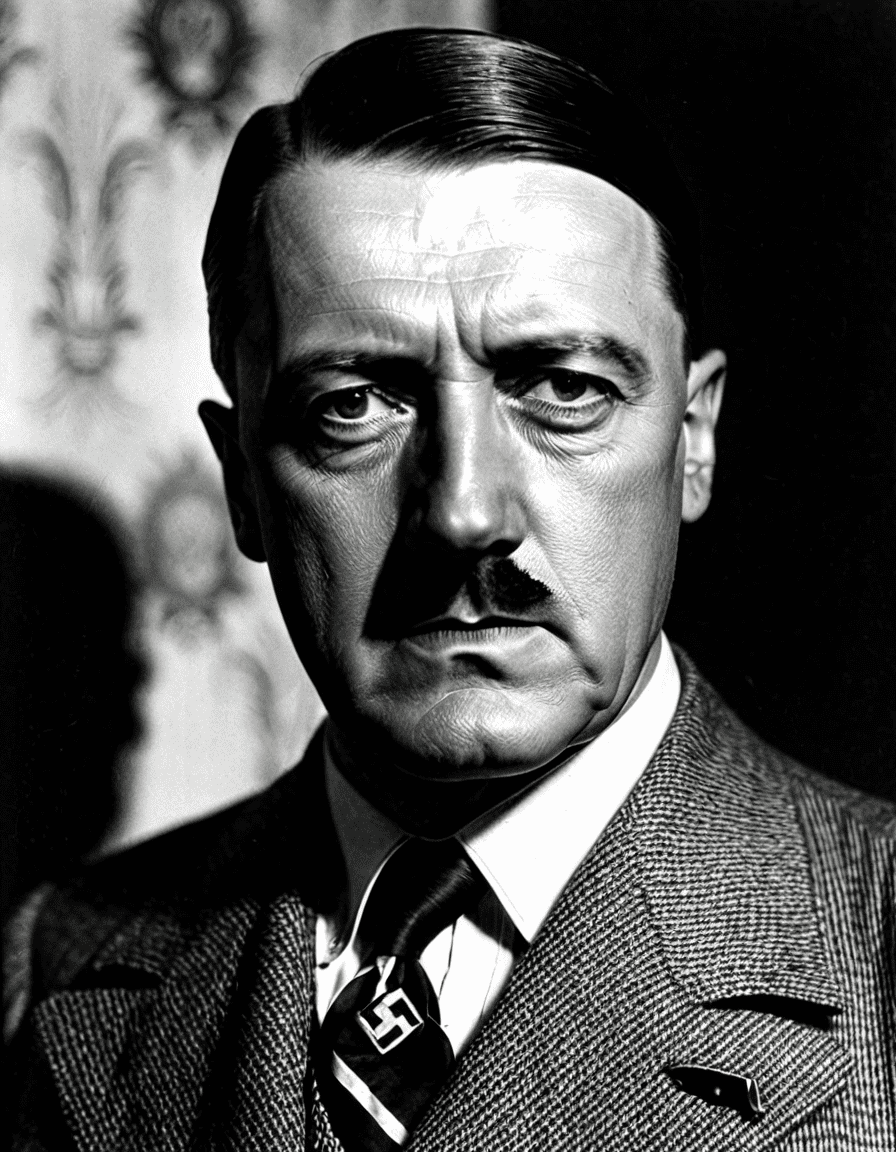
This article was produced with AI assistance. How Loaded Video uses AI.
Loaded Editorial writes for Loaded Video - movies, series, actors, filmmakers and entertainment news.