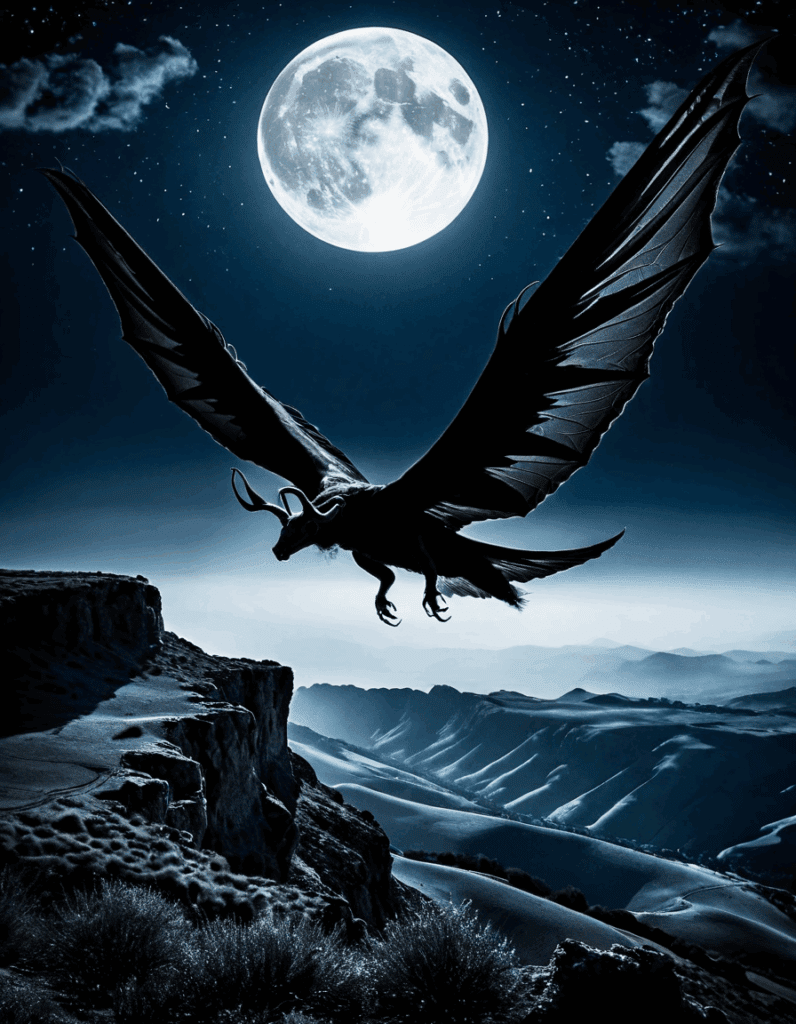
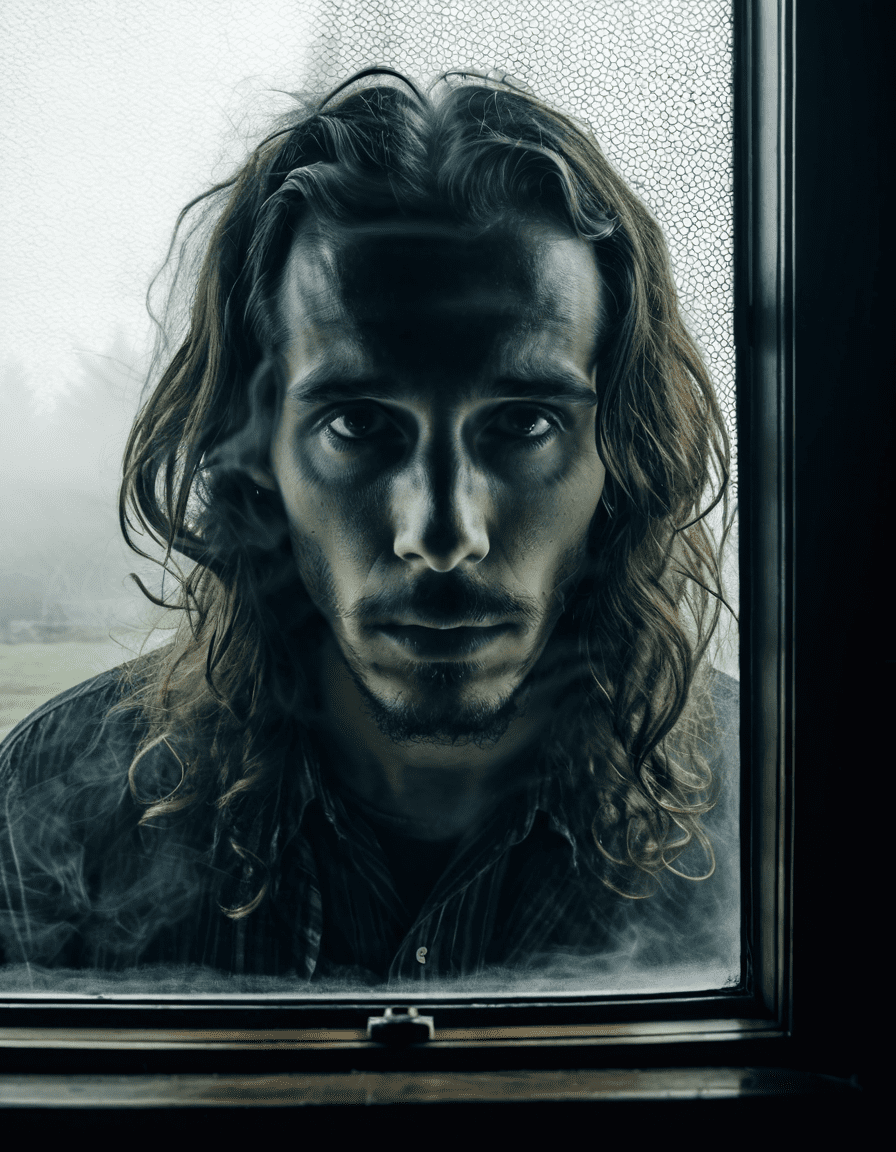
When the night descends, shadows creep in, often giving way to ancient fears. The Incubus Is a haunting figure in folklore, embodying our deepest anxieties about intimacy and desire. Historical accounts trace its roots from ancient Mesopotamia to medieval Europe, showcasing an evolution that reflects society’s changing attitudes toward sexuality. With origins as male spirits who visited sleeping women, the incubus has seen its narrative transform into a mirror for repressed desires, reflecting the twilight fears that linger long after dark.
The Mythology of the Incubus: Historical Context and Evolution
Delving into the past, the incubus emerges as a formidable symbol of the unknown. Ancient cultures described it as an oppressive force, tormenting sleeping women and sparking nightmares. The first detailed accounts come from Mesopotamia, where demons known as “Lamashtu” brought chaos to the night, preying on both women and children. Over time, these figures evolved into the incubus in medieval lore, shaped by societal norms relating to women’s roles and fears surrounding sexual intimacy.
Moving through history, the portrayal of the incubus morphed significantly. By the Middle Ages, it symbolized male assault, highlighting the delicate balance of power and vulnerability between genders. It was during this period that the incubus became synonymous with sexual desire intertwined with dread. Reading through texts of the time reveals a consistent theme-men grappled with their urges while fearing the consequences of their actions. This shift upend the incubus from an isolated haunt to a cultural phenomenon that challenges our understanding of desire and repression.
Despite its grim nature, contemporary interpretations have twisted the classic stories into something more nuanced. No longer just a monster of the night, the incubus now embodies the complexities of human relationship and intimacy issues. The spirit acts as a vessel for discussing modern fears regarding sexual connection, identity, and the darker aspects of love that persist in human experience.
Top 5 Modern Representations of the Incubus in Film and Literature
The incubus makes a noteworthy splash in modern storytelling. Unsurprisingly, filmmakers and authors find inspiration in its haunting legacy, recontextualizing it for contemporary audiences. Here are five standout examples that harness the incubus essence while exploring deeper themes:
Incubus vs. Succubus: Gendered Perspectives in Folklore
Drawing a vivid line between the incubus and its feminine counterpart, the succubus, reveals rich narratives shaped by gender. The incubus has often been seen as the male predator-a representation of unchecked masculinity and aggression. Conversely, the succubus symbolizes the femme fatale, seducing men but also holding power in a society where female sexuality can be threatening. This duality is packed with implications for understanding power dynamics in relationships.
In many ways, each spirit encapsulates the societal attitudes towards sexuality in their respective eras. The incubus wields a predatory role where women become the victims of their fantasies. It articulates a culture that struggles with sexual empowerment and autonomy, often leading to a skewed perspective on masculinity. In contrast, the succubus, while equally dangerous, often emerges as more complex, embodying themes of liberation intertwined with seduction.
Understanding these figures isn’t simply about folklore; it’s a commentary on our contemporary world. How we perceive these mythical beings reflects ongoing cultural debate about gender, desire, and the implications of power within relationships. The contrast between the incubus and succubus shines a light on how society grapples with these ever-present issues.

The Psychological and Cultural Impacts of Nighttime Spirits
The psychological implications of incubus lore touch upon modern understandings of phenomena like sleep paralysis. Specialists, including sleep expert Dr. Matthew Walker, argue that many people experience these terrifying episodes during sleep paralysis, often visualizing an oppressive figure, akin to an incubus. This speaks volumes about the powerful intersection between myth and reality as fear grips the unconscious mind during the vulnerable moments of night.
Personal accounts reinforce the cultural meaning behind these nighttime spirits. Individuals reporting incubus encounters often describe feelings of dread and vulnerability, aligning closely with experiences of intimacy anxieties and mental health struggles. The psychological narrative serves as a compelling vehicle for exploring the unseen battles many face in silence. It uncovers the link between our nighttime experiences and waking fears-a dance of anxiety that spans generations.
This cultural phenomenon emphasizes the lingering weight of historical myths. As modern life challenges traditional notions of intimacy and connection, the incubus serves as a stark reminder of what might be lurking beneath the surface. Turning to historical myths can provide insight into how we navigate our deepest fears and desires, helping us better understand ourselves in a complex world.
Modern Interpretations and the Rise of the Incubus in Pop Culture
Today, the incubus extends far beyond traditional storytelling, echoing throughout modern pop culture. Its influence is palpable in music, art, and fashion-integrating its seductive and ominous presence seamlessly. Artists like Hozier and Lana Del Rey allude to the incubus and similar themes in their lyrics, crafting narratives that capture the fluidity of love, lust, and fear. This modern take resonates, reflecting unresolved tensions around intimacy in today’s society.
In fashion, the dark allure associated with the incubus has inspired trends that juxtapose sensuality and mystery. Designers frequently experiment with gothic and romantic styles, heavily influenced by themes of desire and darkness. An intersection of love and fear is palpable throughout visual art as well, where creators explore the embodiment of the incubus in their works, boldly challenging conventional depictions of desire.
As these representations diversify, they highlight a growing dialogue about love in an unpredictable world. The lasting impact of the incubus myth is evident; it compels artists and audiences alike to confront the often taboo subjects of desire and spirituality. It showcases a society continually striving for understanding in an era marked by rapid change and evolving attitudes.
Evoking Nightmares and Desire: The Enduring Allure of the Incubus
The incubus myth persists in our consciousness, morphing with cultural shifts while clinging to its dark past. It represents a blend of fear and fascination-our primal instincts laid bare as we confront the obscure sides of desire. The way we perceive these nighttime spirits offers opportunities to reflect on personal and societal struggles with intimacy, identity, and the shadows of our own desires.
As we delve into the notion of the incubus, it serves as a profound reminder that our fears may sometimes be as potent as the myths they reflect. Confronting the incubus-figuratively speaking-invites us to acknowledge our own inner conflicts and desires. The timeless nature of these spirits underscores our enduring fascination with the darkness, continually shaping how we understand ourselves and the world around us.
The incubus remains an emblematic figure, navigating deep human emotions tied to need, fear, and intimacy. Engaging with this lore does not only revolve around ancient fears but also uncovers timeless truths regarding the human psyche. Therein lies the enchanting allure of the incubus-the promise of revealing our own ‘incubus’ amidst the shadows that haunt us each night.
As we progress into a future that challenges modern understandings of relationships, the myth of the incubus will undoubtedly evolve, reflecting our ever-changing views on desire and connection. Whether lurking in the dark corners of our minds or consumed by curiosity in popular culture, the incubus’s raw power endures, urging us to explore the intricate dance between nightmares and our deepest desires.
Incubus: The Dark Myth of Nighttime Spirits
The Origins of the Incubus Myth
The idea of the incubus can be traced back centuries, intertwining with various cultures and legends. These malevolent spirits were thought to prey on unsuspecting victims while they slept, inducing nightmares and causing troubles that still make our skin crawl. Interestingly, the concept of such supernatural beings isn’t limited to just the incubus. The shadowy figure of Nosferatu Emerges from similar folklore, emphasizing humanity’s fascination with mysterious entities. Just like the cast of Poker Face TV Series Explores quirky characters, these legends delve into the darker sides of life that make us wonder what lurks beyond our dreams.
Incubus in Pop Culture
The incubus has also made a significant mark in pop culture, inspiring various films and songs. For instance, Frank Zappa, the eccentric musician, is known for weaving complex themes into his work, sometimes hinting at eerie subjects like the incubus. Similarly, horror films like It Chapter Two Often tap into these archetypes, drawing inspiration from myths surrounding nighttime terrors. As modern filmmaking continues to evolve, the legend of the incubus isn’t fading away; instead, it’s being reinvented and marketed in a way that keeps audiences on the edge of their seats, much like the heart-pounding action found in John Wick Chapter 1.
Modern Interpretations and Reflection
Even outside of film, the incubus myth resonates in various aspects of life today. The story resonates especially in psychological discussions about sleep paralysis, where victims feel trapped, much like those tormented by an incubus. Interestingly, Kendra WilkinsonS journey in the public eye offers a lens into the personal battles folks face, akin to the struggles represented in incubus lore. As we navigate through these modern interpretations, it’s fascinating to see how these age-old tales adapt and find new meanings. Meanwhile, our daily lives often remind us of the intricacies of human relationships, drawing parallels to how an incubus can symbolize deeper psychological conflicts-a concept worth exploring in more depth.
This article was produced with AI assistance. How Loaded Video uses AI.
Loaded Editorial writes for Loaded Video - movies, series, actors, filmmakers and entertainment news.