
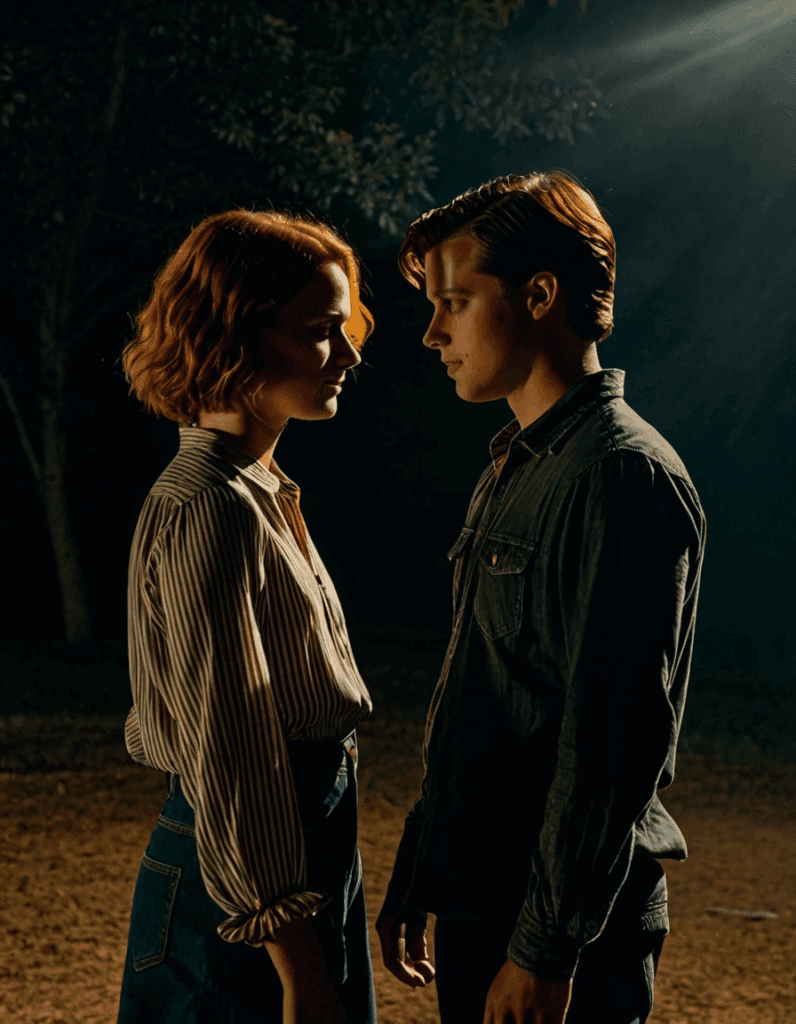
As we delve into the cultural phenomenon of It Chapter Two, released in 2019 and as relevant today as ever, it’s remarkable how this cinematic masterpiece continues to resonate with audiences six years later. Directed by Andy Muschietti, the film isn’t just a fright fest. It’s a profound exploration of childhood trauma, friendship, and the enduring power of love. Over the years, It Chapter Two Spurred discussions on themes that intertwine horror and emotion, compelling viewers to reflect on their own experiences.
Top 5 Reasons It Chapter Two Captivated Audiences: From the Beginning to the End
It Chapter Two dives into the psychological scars carried by the characters, often overlooked in typical horror stories. The film thoughtfully examines the Losers Club’s traumatic past, shedding light on how their childhood encounters with Pennywise the Clown echo into their adult lives. Each character’s journey showcases the idea that facing one’s fears is vital for personal growth. We see how Ben’s struggle with self-identity and Beverly’s traumatic reunion with her abusive father are not just plot points but crucial components that resonate deeply with the audience.
Sure, It Chapter Two is loaded with jump scares and spine-chilling visuals, but what sets it apart is its emotional core. Consider the moment when Richie confides his feelings for Eddie; it’s heart-wrenching and adds layers to the horror. The heartfelt moments-such as Beverly confronting her father’s shadow-remind us that horror isn’t solely about the thrill; it’s about the vulnerabilities that tie us together. The film successfully weaves emotional depth into every scare, making it a thought-provoking experience worth revisiting.
The second installment amplifies the conversation around bullying and its lasting effects, especially as seen through Ben and Beverly’s characters. Their battles with self-image and acceptance reflect the societal pressures many deal with. These raw depictions don’t shy away from uncomfortable truths, providing significant commentary on the importance of support systems in overcoming painful pasts. This makes It Chapter Two not just a horror film but a social critique, illustrating how bullying shapes individuals.
The visual artistry in It Chapter Two deserves serious applause. The film blends groundbreaking CGI with practical effects, delivering scares that linger in the mind. Bill Skarsgård’s transformation into Pennywise merges horror with humanity, often blurring the lines between the two. A particularly haunting scene is the flashback to the Losers’ childhood fears, which brings a terrifying yet nostalgic atmosphere that solidifies the film’s unique approach to horror.
When the Losers Club faces Pennywise one last time, the emotional stakes surge. The film’s climax artfully intertwines the theme of confronting one’s past-the ultimate ‘day after tomorrow’ moment that compels characters to face their deepest fears. This final showdown resonates long after the end credits roll, leaving viewers pondering courage and nostalgia as they navigate their own lives. The finale is not just the end of the film; it’s a poignant reminder of the journey we all must take.
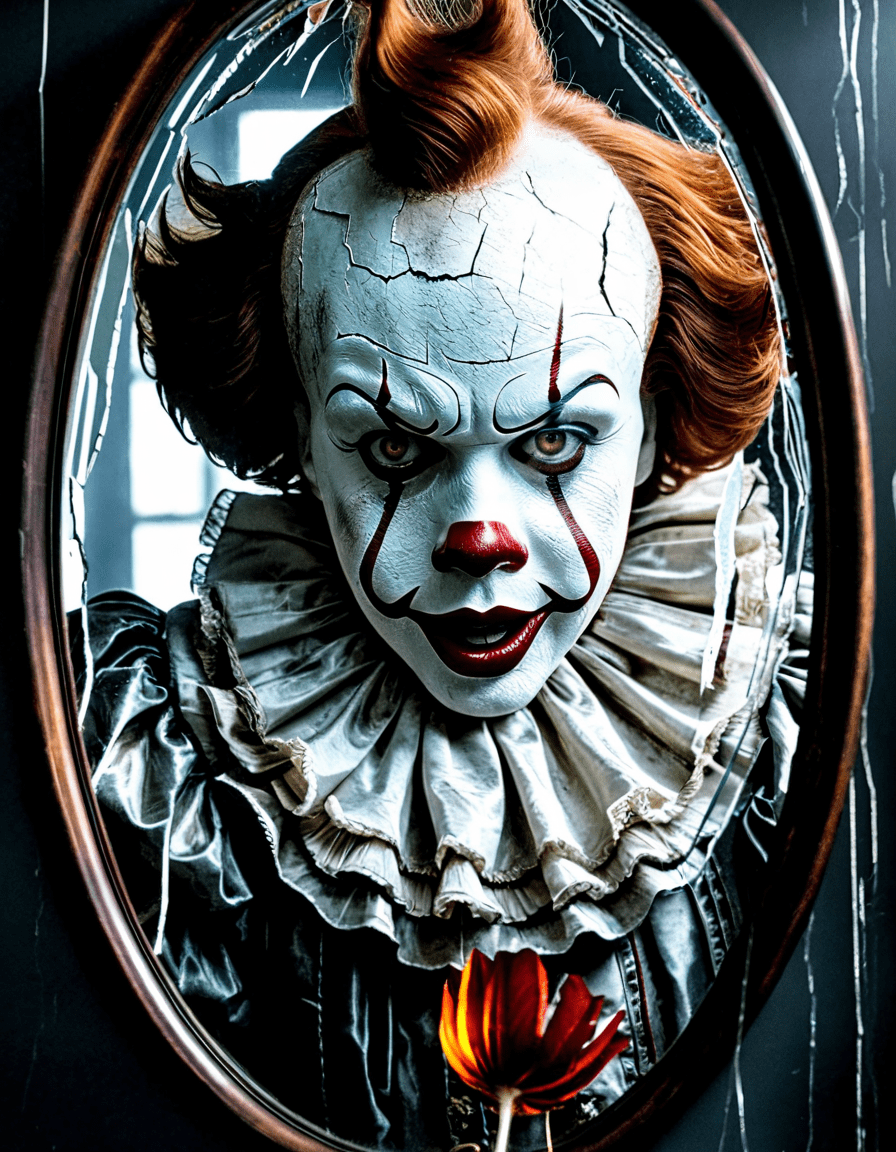
Thematic Exploration: It Ends With Us and the Beginning After the End
Watching It Chapter Two Unravel can feel like peeling back the layers of a complex onion, revealing truths that resonate beyond just horror. The film initiates its audience into the emotional intelligence that can exist hand in hand with frightful storytelling. This sets a new benchmark for how the horror genre can encapsulate difficult emotional themes. It mirrors the broader narrative landscape, including works like It Ends With Us, which portrays characters confronting their struggles.
The themes run parallel in It Ends With Us cast, where protagonists face heart-wrenching challenges. Much like the Losers Club’s journey to healing, these stories illustrate that while fear can bind us, acceptance can liberate. Ultimately, both narratives encourage conversations about trauma, love, and resilience that linger in our minds long after the final shot.
A Lasting Legacy: More Than Just Time Within Frames
Reflecting on It Chapter Two From this vantage point in 2026, its impact is unmistakable among both horror enthusiasts and casual fans. The film doesn’t just deliver chilling scares; it weaves an emotional tapestry that stands apart as a significant work in cinema. This blending of unforgettable frights with moral complexity elevates it beyond the typical sequel trope, presenting a compelling reflection on what it means to confront our fears and cherish the connections we forge along the way.
The ongoing discussions ignited by It Chapter Two Illustrate the lasting power of Stephen King’s stories and the relevant nature of horror as a means for confronting the shared human experience. The film invites debate and introspection, proving that its narrative threads continue to resonate with audiences today. It Chapter Two Might have concluded its own story, but the dialogues it sparked endure, leaving an indelible mark on contemporary cinema.
In conclusion, whether you’re examining its visual effects, character arcs, or societal commentary, It Chapter Two Showcases multifaceted storytelling. This exploration cements it not just as a cinematic experience but as a cultural milestone, engaging with our deepest fears and illustrating that ultimately, It ends with us.
It Chapter Two: Thrills, Tears, and Trivia
Back to Derry: A Nostalgic Journey
Did you know that “It Chapter Two” not only packed a punch with its horror elements but also featured a subtle nod to pop culture? During a scene in the movie, there’s a clever reference to Donnie Osmond, whose charm and flair have kept him in the limelight since the ’70s. This spot adds a layer of nostalgia, connecting audiences back to the memorable era of flashy performances. Speaking of nostalgia, the film also embraces new music trends, with the band AjrS catchy tunes contributing to the film’s youthful vibe and emotional undercurrents. It’s fascinating how soundtracks can shape the viewing experience, isn’t it?
The Young and the Restless: Casting Choices
“When it comes to casting the younger versions of the Losers’ Club, the filmmakers took a deep dive into talent. Hania Riley sinclair, one of the standout actors portraying Young Beverly, truly captured the spirit of her character with grace and intensity-adding another dimension to the chilling narrative. Fun fact: while her character navigates the terrifying landscape of Derry, audiences can connect with that terror through her performance. The casting choices have turned heads, and it’s become a hot topic, spotlighting a range of local indie talent versus seasoned actors.
Fear and Fun: Behind-the-Scenes Lore
“Now, listen to this: the terrifying world of Derry isn’t just confined to the script. The film’s practical effects, from the spine-chilling visuals to the ultra-realistic makeup, have roots in classic horror films like A Clockwork Orange, pushing boundaries in a way that feels both fresh and familiar. While discussing fear, it’s worth mentioning how societal trends influence art. There’s even a meme culture brewing, with Black people Memes Making light of the fearsome moments that only horror fans truly appreciate; laughter provides a respite from the tension. As the film explores deep emotions and themes of childhood trauma, the interplay of horror and humor keeps audiences engaged and talking long after the credits roll.
So, as “It Chapter Two” intertwines fear, friendship, and laughter, it not only creates thrills but also sparks conversations-all key ingredients of a successful film. If you ever find yourself chilling in a Cul-de-sac And hear laughter peaking through the fear, you might just be among the many moved by this instant classic!

This article was produced with AI assistance. How Loaded Video uses AI.
Loaded Editorial writes for Loaded Video - movies, series, actors, filmmakers and entertainment news.