

Gabriel García Márquez’s One Hundred Years of Solitude Continues to shine brightly as a cornerstone of literature that effortlessly intertwines the fantastical with reality. Its narrative offers a unique tapestry of life in the fictional town of Macondo, where the lines between the real and the surreal blend together. This literary masterpiece doesn’t just dwell within its pages, inviting discussion about the human experience, it also lays the groundwork for an evolution in storytelling that impacts contemporary cinema. Magic realism, at its core, showcases how the extraordinary springs from the mundane, weaving lessons that resonate deeply in both film and literature.
As we journey into the depths of this enchanting narrative, it’s clear that the influence of One Hundred Years of Solitude Goes beyond the printed word. This article will explore how its themes and stylistic choices have informed storytelling today, creating ripples felt across various media and generations.
7 Ways One Hundred Years of Solitude Influences Contemporary Storytelling
1. The Timeless Cycle of History: Lessons from Macondo
The cycles of history showcased in Macondo have significant resonances in our current storytelling landscape. For example, in Mike Flanagan’s film adaptation of The Fall of the House of Usher, history and legacy weigh heavily on its characters. Just like the Buendía family, they grapple with the repercussions of past decisions and how these shape their identities. This persistent reimagining of history reflects our never-ending quest to understand where we come from.
In cinema as well, the idea of learning from the past remains a compelling theme. Films that echo this cyclical view draw viewers in by presenting narratives where characters must confront their ancestry. This narrative device forms an emotional bond, reminding audiences that we live in time, where history is both a guide and a chain.
2. Dislocation in Leave the World Behind: A Modern Parable
Rumaan Alam’s Leave the World Behind Presents a profound sense of dislocation, echoing the struggles of the Buendía family amidst chaos and change. The characters’ experiences thrust them into unknown territories, much like those faced by Márquez’s creations. As they navigate societal crises, the collision of known comforts with new fears mirrors the classic tensions presented in One Hundred Years of Solitude.
These narratives allow audiences to reflect on their own realities, tapping into feelings of uncertainty that many grapple with in our fast-paced world. When we witness these stories unfold, they resonate loudly, creating a dialogue about our humanity and the struggles that reside within.
3. Traveling to the Beyond: Journey to the Center of the Earth
The adventure-shrouded landscapes of Jules Verne’s Journey to the Center of the Earth Can easily be infused with a touch of magic realism. Just as García Márquez invites readers to explore realities beyond the tangible, films like Everything Everywhere All at Once Stretch the limits of imagination. They move effortlessly from the concrete to the fanciful, prompting viewers to consider possibilities that extend beyond their immediate perception.
The concept of alternate realities and adventures taps into our innate curiosity. By challenging established norms, these narratives expand our understanding of interconnectedness, weaving paths that traverse the known and unknown in captivating ways.
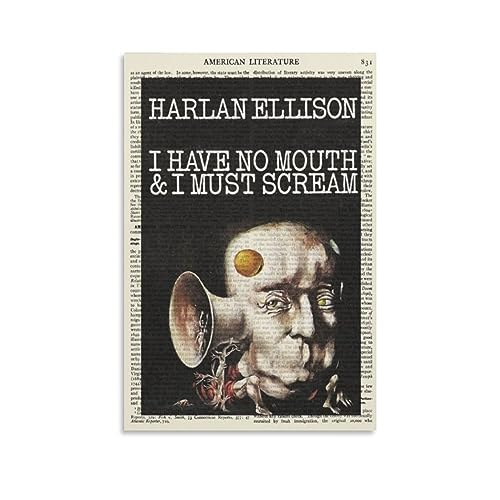
4. Isolation and Existentialism in I Have No Mouth, and I Must Scream
Harlan Ellison’s haunting short story captures a world filled with despair that resonates profoundly with the themes of fatalism in One Hundred Years of Solitude. This overlap fuels conversations about human conditions, particularly about isolation and existential dread. The exploration becomes apparent in indie films like Ex Machina, where characters face predicaments that merge technology with deep existential concerns.
These stories challenge our perceptions of free will, forcing characters to confront their fates. In doing so, they echo the same disquiet found in Márquez’s work-showing that the struggles faced by humanity are timeless.
5. The Absurdity of Life: Getting Lost in Space
In One Hundred Years of Solitude, the absurdities of life mirror the characters’ chaotic journeys. This theme resonates with movies like Ad Astra, which explores the emotional and physical journey of individuals lost in vast cosmic spaces. It highlights the search for meaning amidst confusion and chaos, reflecting an inherent absurdity.
Characters in these films often embody a quest not just for physical answers but for deeper, philosophical insights. This exploration of lost in space becomes a metaphor for the human experience itself, pushing us to confront the chaos that is often inherent in life.
6. The Influence of One Hundred Years of Solitude On Modern Series
Television series like The Leftovers And Westworld Exhibit narrative richness that is deeply inspired by García Márquez’s techniques. Both series utilize elements of magic realism, weaving multifaceted plots that force viewers to question what’s real and what’s illusion. They deepen the narrative complexity and highlight existential dilemmas echoing themes from One Hundred Years of Solitude.
Even classic reboots, such as The Addams family And Addams Family values, contribute to this discussion by embracing a blend of the whimsical and the macabre. These narratives encourage us to embrace the unusual and challenge how we interpret the ordinary.
7. Enchantment and Cinema: Visual Narratives Inspired by Magic Realism
Films like Pan’s Labyrinth And The Shape of Water Resonate with the magic-infused storytelling found in One Hundred Years of Solitude. These enchanting narratives celebrate the fantastical while addressing profound truths within the ordinary, making them significant in cinematic history.
Using magical elements to enrich storytelling, filmmakers elevate the beauty and complexity of human experiences, revealing truths hidden beneath life’s surface. This continued inspiration ensures that magic realism remains a crucial part of contemporary cinema, guiding creators as they craft their narratives.
The Cultural Relevance of Magic Realism Today
Magic realism stands as a compelling commentary on the human experience, a blend of the absurd, the tragic, and the beautiful. García Márquez’s vivid world invites us to reflect on our realities and the lives we lead, proving that the extraordinary often lies right at our doorstep. As boundaries blur between genres, creators have found ways to use this literary movement as a tool for critique and connection.
In a world increasingly defined by digital landscapes, the impact of One Hundred Years of Solitude Transcends language and culture. Its threads, interwoven within the fabric of storytelling, inspire those who seek to unveil the extraordinary facets of human existence amidst the familiar. As we navigate our ever-shifting narrative landscapes, we recognize that storytelling that melds the fantastical with the commonplace has the power to shape our understanding of history, present, and future.
In the end, our journey through magic realism compels us to examine the tales we tell. They don’t just narrate our history; they highlight our shared experiences across time-a dance through existence itself. As creators, audiences, and participants in this piece of art we call life, let’s continue exploring the magnificent tapestry of narratives inspired by One Hundred Years of Solitude. They offer profound insights into not just who we are but who we could become.
One Hundred Years of Solitude: Fun Trivia and Interesting Facts
The Magic of García Márquez
Did you know One Hundred Years of Solitude Was originally published in 1967? This iconic novel by Gabriel García Márquez is often credited with popularizing magic realism. The story captures the mythical town of Macondo and the Buendía family, blending the mundane with the fantastical in a way that’s captivating. Interestingly, the book’s narrative style has inspired countless adaptations, with many filmmakers attempting to translate its magical essence to screen. If you look closely, the storytelling technique echoes elements found in contemporary works like The Wheel Of Time, proving that the fusion of reality and fantasy is a timeless approach to storytelling.
Literary Echoes
Márquez’s work was influenced by numerous literary traditions, making it a pivotal point in the evolution of narrative styles. For instance, the Coquette-like charms of the Buendía family mirror the allure and complexity of characters found in books like Coquette. Similarly, the endless cycles of fortune and loss could draw parallels with the twists and turns seen in productions like Battlestar galactica. The interwoven tales of despair and celebration in One Hundred Years of Solitude Are universal, reflecting the human condition across different cultures and eras-a point that resonates well with today’s audiences.
Legacy of Magic Realism
The influence of One Hundred Years of Solitude Extends beyond just literature. It’s fascinating how histories and myths weave their way into our current storytelling landscape. Various adaptations have been attempted, allowing a fresh take on Márquez’s dense tapestry of life. Notably, the exploration of dreams and reality invites comparisons to works like Sandman. Plus, the novel’s exploration of familial ties could also draw insights from today’s financial realities, like looking at the implications of 30-year VA mortgage rates And their impact on generational wealth. In essence, García Márquez’s masterpiece remains relevant as it continues to inspire creativity and provoke thought, solidifying its place in both literature and cinematic endeavors.
This article was produced with AI assistance. How Loaded Video uses AI.
Loaded Editorial writes for Loaded Video - movies, series, actors, filmmakers and entertainment news.