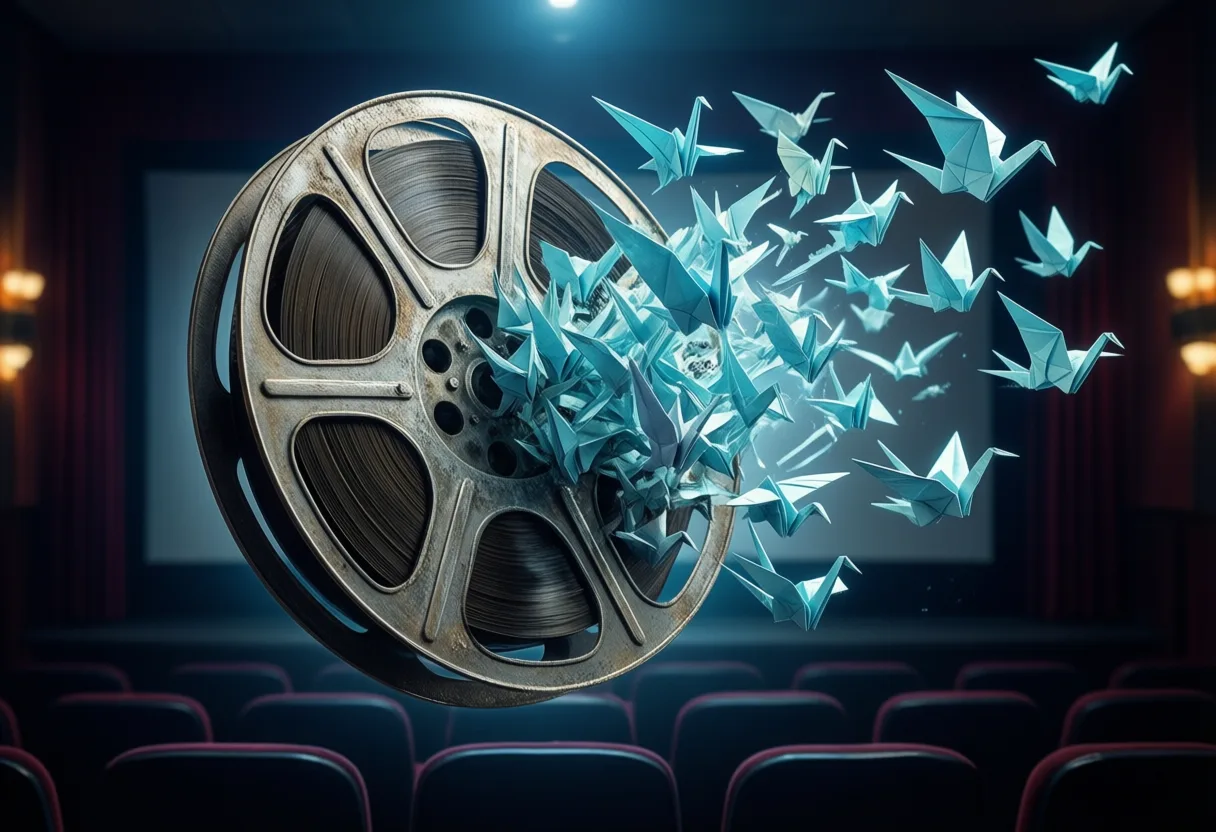
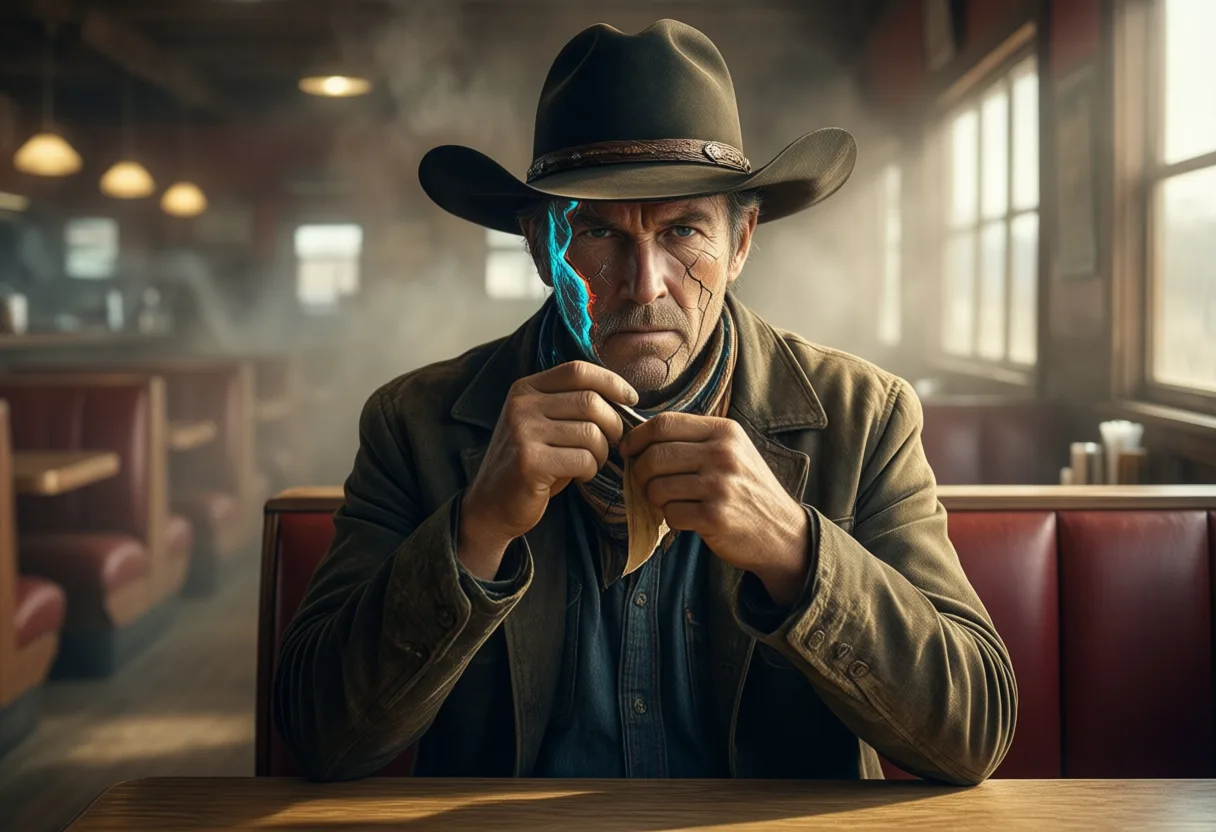
The old genres are back-but not as you remember them. They’re sharper, leaner, and asking questions they Once Avoided. These aren’t remakes or reboots, but reimaginings built from the inside out.
Why Classic Genres Feel Anything But Old-School Right Now
Mainstream cinema is dusting off familiar blueprints and rebuilding them from the ground up. The Western, the Horror film, the romantic comedy-each is returning with new textures and deeper tensions. They carry the shape of what we know, but pulse with different rhythms.
Studios aren’t betting on nostalgia alone. They’re backing filmmakers who treat genre not as a formula, but as a starting point. These Directors twist Expectations not with spectacle, but with Precision in character and setting. The result? Films that feel lived-in, urgent, and unafraid to challenge their own traditions.
Audiences respond to authenticity, not replication. A growing number of recent releases prove that genre can evolve without losing its core identity. The best of them don’t just entertain-they linger, because they reflect who we are now, not who we were.
What’s Behind the Sudden Wave of Reinvention in Mainstream Cinema
Big studios are no longer the only engines driving genre. Independent voices now shape major releases, bringing grit and nuance to stories once flattened by convention. Streaming platforms and global Markets have Widened the audience, demanding more diverse perspectives.
Filmmakers today grew up on Genre films-but studied them, not just watched them. They know the tropes by heart, which gives them the confidence to subvert them. They’re not rebelling against the past-they’re conversing with it.
Budgets still matter, but control matters more. With tighter oversight on creative decisions, directors can focus on tone, pacing, and subtext. This shift allows genres to carry weightier themes-identity, isolation, systemic failure-without sacrificing momentum.
- Creative freedom is no longer tied to box office pedigree
- International co-productions enable bolder storytelling
- Digital tools lower barriers without diluting impact
The reinvention isn’t sudden. It’s the payoff of years of underground work, film festivals, and indie breakthroughs finally reaching wider screens.
The Western Reimagined: Dust, Morality, and Modern Myths
The Western once stood for clear lines: law versus lawlessness, civilization versus wilderness. Today’s versions blur those edges until they vanish. The frontier isn’t a place-it’s a condition.
Horseback chases and saloon standoffs remain, but they serve a different purpose. The landscape now reflects inner turmoil, not just danger. Silence stretches longer. Gunfights feel less heroic, more tragic. The myth of the lone savior is questioned, not celebrated.
Characters carry the weight of history, not just personal code. They’re shaped by displacement, colonial legacy, and broken promises. The genre no longer asks who wins the shootout, but who survives the aftermath-and at what cost.
How One Genre Flipped Its Own Script Without Losing Its Soul
The Western’s revival isn’t about updating costumes or casting. It’s about re-centering the narrative. Stories once told from the conqueror’s point of view now shift to those on the margins.
This isn’t revisionism for shock value. It’s A recalibration of perspective, letting silenced voices shape the moral core. The genre’s soul-its obsession with justice, survival, and consequence-remains intact, but now asks: Whose justice? Who survives? What consequence?
Films like these don’t erase the past. They expand it. The genre breathes again because it finally allows room for doubt, grief, and complexity.
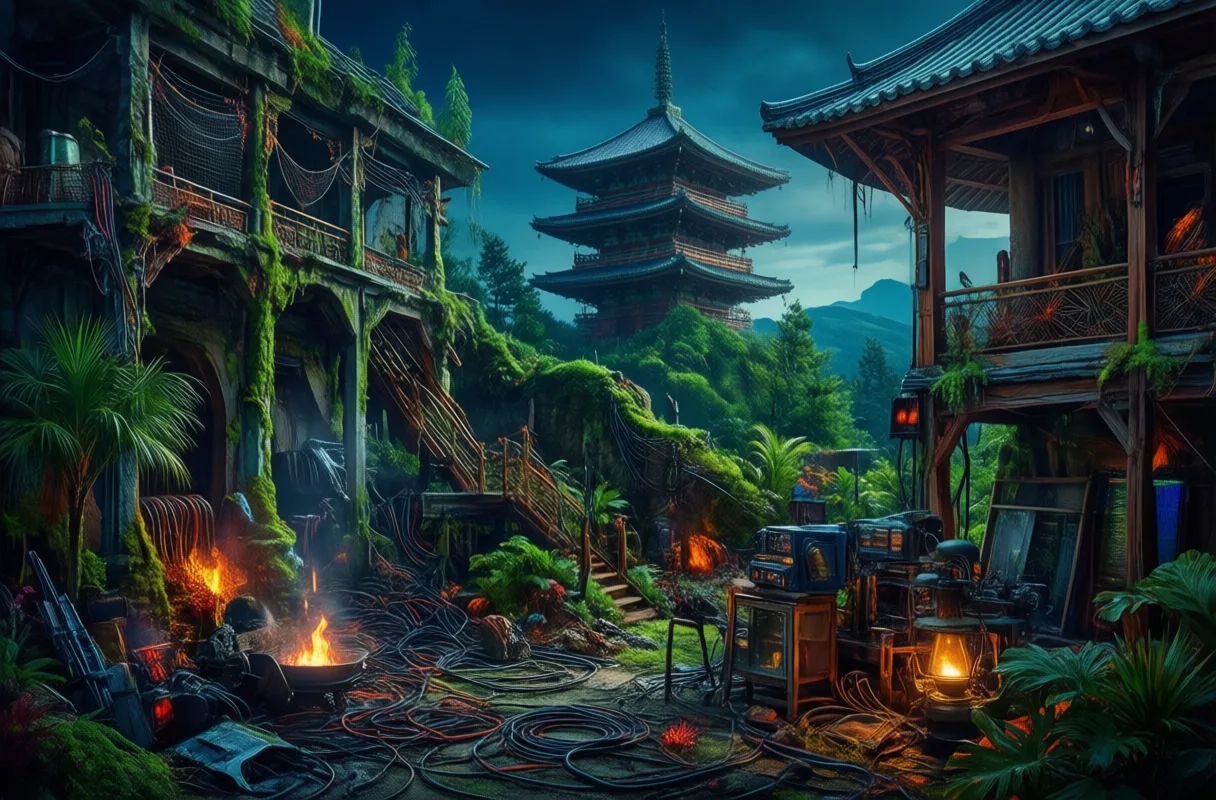
Horror’s New Playground: Beyond Jump Scares and Teen Victims
Horror has shed its reputation as disposable thrills. The best recent entries use fear as a lens, not a shortcut. Monsters aren’t just under the bed-they’re in the family, the system, the mirror.
The genre now explores anxiety, trauma, and societal collapse with surgical precision. Fear is no longer externalized-it’s internalized, contagious, inherited. Jump scares exist, but they punctuate tension, not define it.
Setting matters more than ever. Isolated homes, rural towns, or decaying apartments become psychological extensions of the characters. The horror isn’t just what happens-it’s what’s always been there, waiting to be seen.
When Familiar Frights Start Asking Uncomfortable Questions
Why do we return to the same fears, film after film? Today’s horror doesn’t ignore that question-it weaponizes it. The haunted house reflects generational guilt. The cursed object carries cultural theft.
These films challenge viewers to confront complicity. The final girl survives, but not unscathed. Her victory feels fragile, earned through awareness, not just endurance.
The genre now functions as Cultural diagnosis, not just catharsis. It exposes what society refuses to name-racism, patriarchy, ecological collapse-by letting them take monstrous form.
Sci-Fi Strips Down: Less Gloss, More Grit in Space and Time
Sci-fi once dazzled with futures of chrome and light. Now, it’s trading spectacle for substance. The best recent entries feel worn, lived-in, like clothes stretched too long.
Spaceships creak. Interfaces glitch. The future isn’t clean-it’s patched, overcrowded, and barely holding on. Technology no longer promises salvation; it exposes fragility.
This isn’t dystopia for style. It’s a reflection of real-world tech fatigue-AI, surveillance, climate strain. The genre’s power now lies in restraint, not scale.
Where Technology Meets Raw Human Friction
The most compelling sci-fi stories focus on how people adapt, not how machines advance. Isolation in deep space mirrors emotional disconnection on Earth.
Dialogue is sparse. Decisions are irreversible. The stakes aren’t galactic war-they’re personal survival, identity, memory. Humanity is the experiment.
These films reject the idea of progress as inevitable. Instead, they ask: What if the future doesn’t want us?
The Romantic Comedy’s Quiet Comeback-With Teeth
Rom-coms are back, but the meet-cute is no longer guaranteed. Love stories now arrive with baggage, skepticism, and real obstacles. The genre isn’t avoiding reality-it’s built on it.
Chemistry matters more than coincidence. Jokes land because they’re rooted in truth, not quirk. The humor cuts, because the pain is real.
These films acknowledge divorce, loneliness, career pressure, and mismatched expectations. The happy ending, if it comes, feels earned-not handed down by script law.
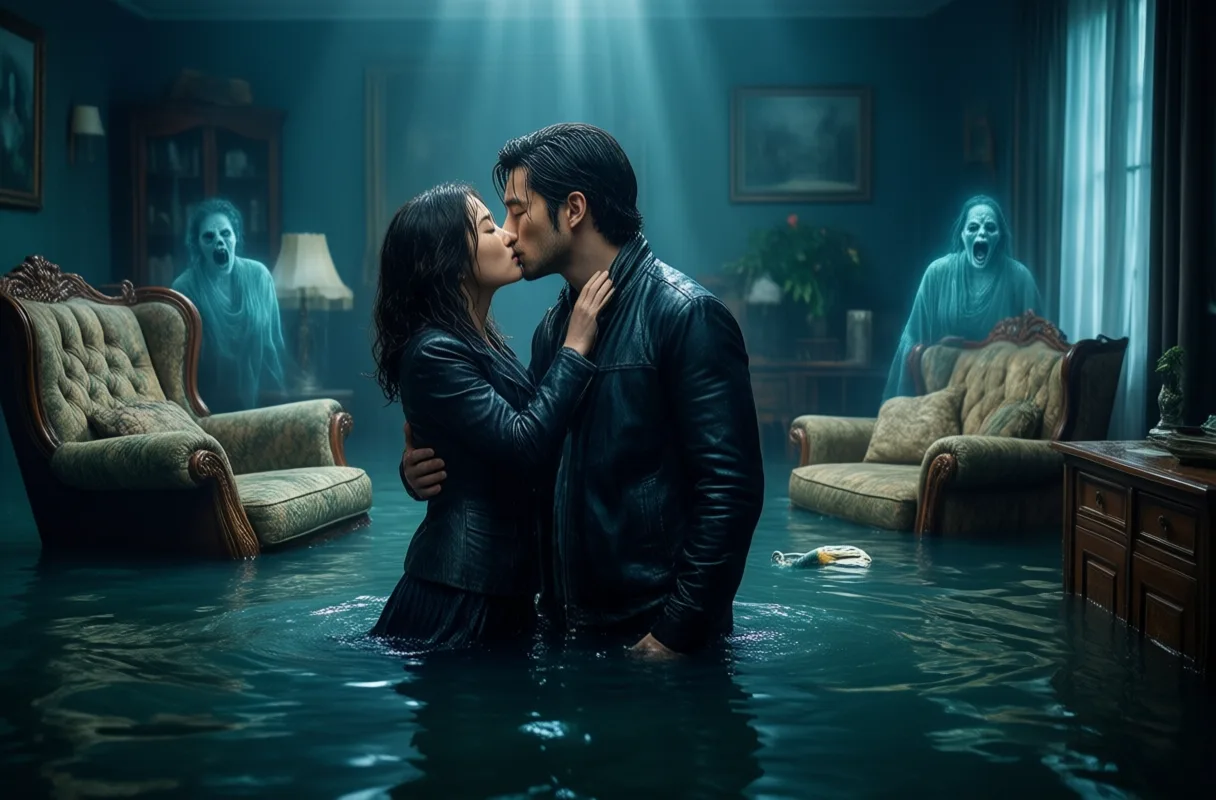
Love Stories That Refuse to Follow the Checklist
No grand airport chases. No last-minute declarations under fireworks. The romance unfolds in quiet moments-shared silence, awkward honesty, second thoughts.
Characters choose each other, but not without cost. The genre now respects the difficulty of staying together more than the thrill of falling.
Love isn’t a solution. It’s a choice, renewed daily. And that makes it far more compelling than any fairy tale.
Action That Feels Real Again: Chasing Authenticity Over Spectacle
Action films once relied on escalating set pieces. Now, the best ones prioritize consequence over carnage. Every punch, every chase, carries weight.
Choreography serves character. A fight reveals fear, not just skill. The camera stays close, shaky, refusing to look away. You feel the impact in your bones.
Stunts are practical where possible. Directors favor real locations, natural light, minimal CGI. The result? A visceral sense of presence.
When Stunts Serve Story, Not Just Screens
The hero doesn’t win because they’re stronger. They win because they’re desperate, adaptive, or lucky. Victory leaves scars.
Filmmakers now treat action as dialogue-another way characters express intent, fear, resolve. A single well-shot sequence can replace pages of exposition.
This shift makes action feel urgent, not routine. The stakes are human, not cinematic.
Musicals Step Out of the Spotlight and Into the Streets
The musical is no longer confined to stages and dream sequences. Songs now erupt in subway cars, backyards, protest marches. The genre has gone guerrilla.
Music isn’t escape-it’s resistance, release, ritual. Lyrics carry social commentary, personal grief, collective rage. The dance isn’t polished-it’s necessary.
These films reject spectacle in favor of spontaneity. The sound feels raw, the movements imperfect. That’s what makes them real.
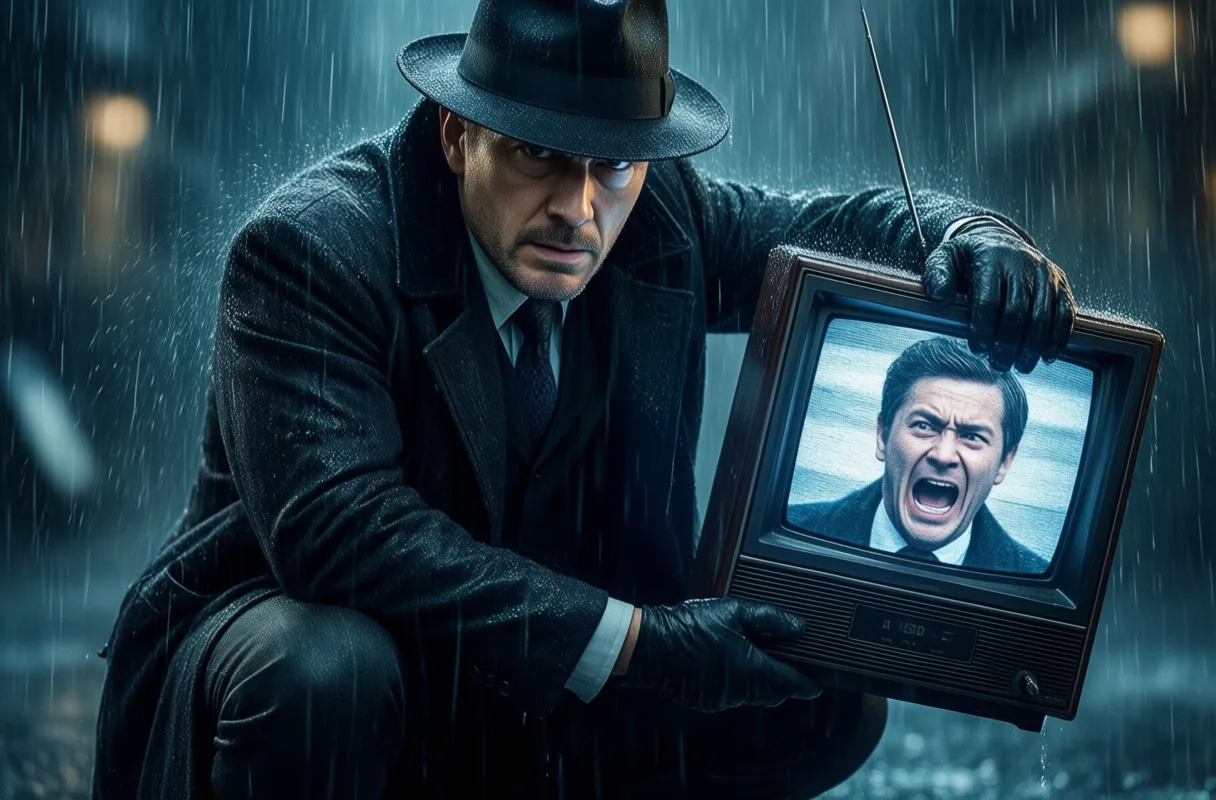
Song and Dance Grounded in Struggle, Not Just Sparkle
The best new musicals don’t start with a smile-they start with silence. The first note breaks tension, not mood.
Characters sing because they have no other way to speak. The music doesn’t pause reality-it intensifies it.
This isn’t nostalgia. It’s evolution. The genre breathes because it finally reflects how people actually live.
What We Get Wrong About Genre Evolution
Many assume reinvention means adding new elements-diverse casting, modern dialogue, topical themes. But that’s surface-level.
True evolution happens in structure, pacing, silence. It’s In what the film refuses to show, the tropes it ignores, the questions it leaves open.
Genre isn’t updated by layering new ideas on top. It’s transformed by stripping away what no longer serves the story.
It’s Not About Updating Tropes-It’s About Questioning Them
The Western doesn’t need more diversity of cast-it needs diversity of moral perspective. The horror film doesn’t need new monsters-it needs new reasons to be afraid.
Filmmakers who succeed don’t patch the old-they interrogate it. They ask why the trope existed, who it served, what it hid.
This critical eye is what makes the new wave feel vital, not just different.
How Filmmakers Are Rewriting the Rules Without Abandoning Them
Small choices shift everything. A held glance. A line delivered flat. A scene that ends before the punchline.
Directors now trust audiences to read between frames. They Withhold exposition, embrace ambiguity, let moments breathe. The genre remains recognizable, but the experience is new.
These decisions aren’t rebellious-they’re respectful. To the audience. To the craft. To the history of film.
The Takeaway: Why These Films Stick With Us Longer
They don’t rely on nostalgia. They offer recognition-the sense that someone saw what we feel and put it on screen.
The best of them use genre as a mirror, not an escape. They reflect our doubts, fears, hopes-without simplifying them.
That’s why they linger. Not because they’re new, but because they’re true.
Explore more at loaded.ai.
| Genre | New Approach | Example Innovation |
|---|---|---|
| Western | Blurs moral lines, centers marginalized perspectives | Explores colonial legacy and broken promises |
| Horror | Uses fear to examine trauma and systemic issues | Haunted houses reflect generational guilt |
| Sci-Fi | Focuses on grit, decay, and tech fragility | Spaceships creak; future feels worn and overcrowded |
| Romantic Comedy | Builds on realism, skepticism, and emotional cost | No grand gestures; love is a daily choice |
| Action | Prioritizes consequence and practical stunts | Fights reveal character fear, not just skill |
| Musical | Songs erupt in real-world settings like protests | Dance is raw, necessary, not polished spectacle |
Fresh Twists at the Movies
Genre-Bending Surprises
A recent wave of films has been flipping old formulas on their heads, mixing elements in ways that feel both nostalgic and totally new. One breakout hit reimagines a classic western in outer space, complete with cowboy hats and saloon brawls-but with laser guns and alien bartenders. The director pitched it as “a campfire story from a future frontier,” and audiences ate it up, turning what some called a silly premise into a box office darling.
Another film gives a horror makeover to a familiar fairy tale, swapping out happily-ever-after for creeping dread and psychological tension. The production team built an entire forest set indoors using sustainable materials, which helped create the eerie, enclosed atmosphere central to the film’s unsettling vibe. It’s not just about scares-the movie quietly explores themes of isolation and identity, giving it a depth that’s sparked conversations well beyond typical genre fare.
Even romantic comedies are getting a refresh, with one clever entry ditching meet-cutes for a story about two strangers sharing the same recurring dream. Shot almost entirely with natural lighting and improvised dialogue, the film feels intimate and real, like eavesdropping on something private. It premiered at a major festival to surprise acclaim, proving that even the most well-trodden genres can still deliver something that feels like a first. Explore more stories, videos, and creators on Loaded.
Frequently Asked Questions
Why do classic genres feel fresh again in recent movies?
Filmmakers are reimagining genres from the inside out, focusing on character, setting, and deeper themes rather than relying on nostalgia or remakes. They treat genre as a starting point, not a formula.
How are Westerns being reimagined in modern cinema?
Modern Westerns blur moral lines and shift perspective to marginalized voices, using the frontier as a psychological condition. The myth of the lone hero is questioned, and stories explore consequence, history, and survival.
What’s different about today’s horror films compared to older ones?
Recent horror films use fear to examine trauma, societal collapse, and systemic issues like racism and patriarchy. Monsters often symbolize internal or cultural horrors rather than serving as simple jump-scare devices.
Are romantic comedies making a comeback, and how have they changed?
Rom-coms are returning with more realism, focusing on baggage, mismatched expectations, and emotional honesty. Happy endings feel earned, not guaranteed, and love is portrayed as a daily choice rather than a fairy tale.
This article was produced with AI assistance. How Loaded Video uses AI.
Orin dives into the unsung crafts that bring productions to life, from set design to sound editing. He approaches each story as a puzzle, uncovering how creative collaboration solves logistical and artistic challenges, revealing the hidden architecture behind memorable screen moments.