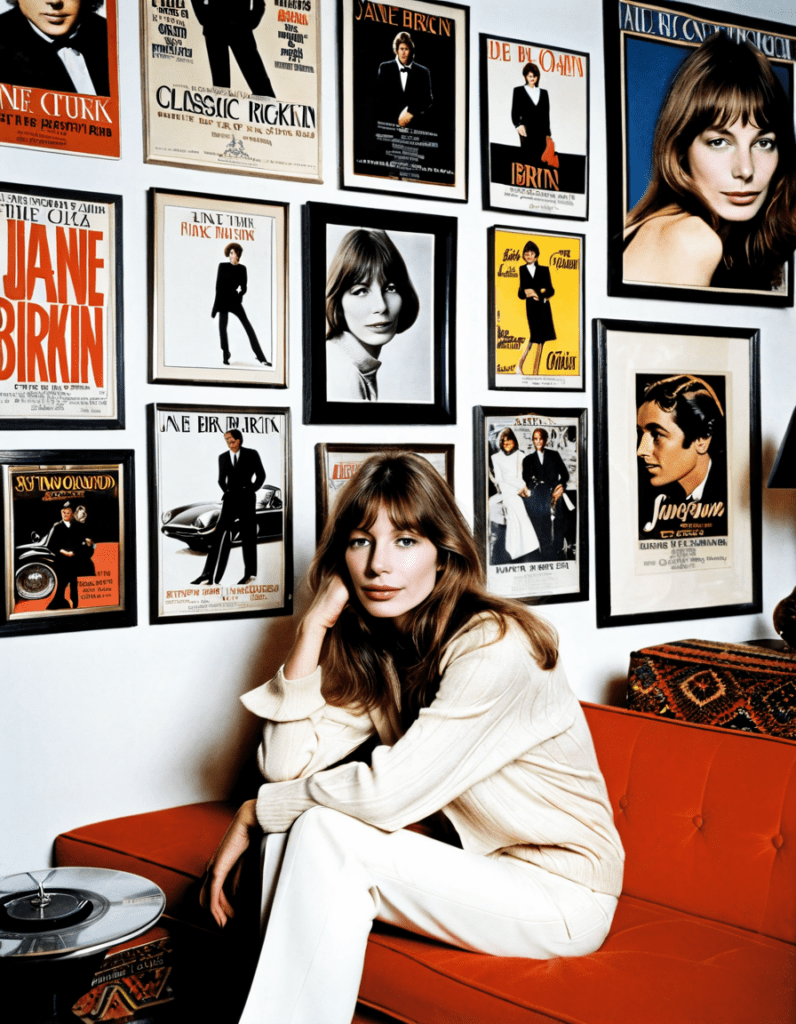
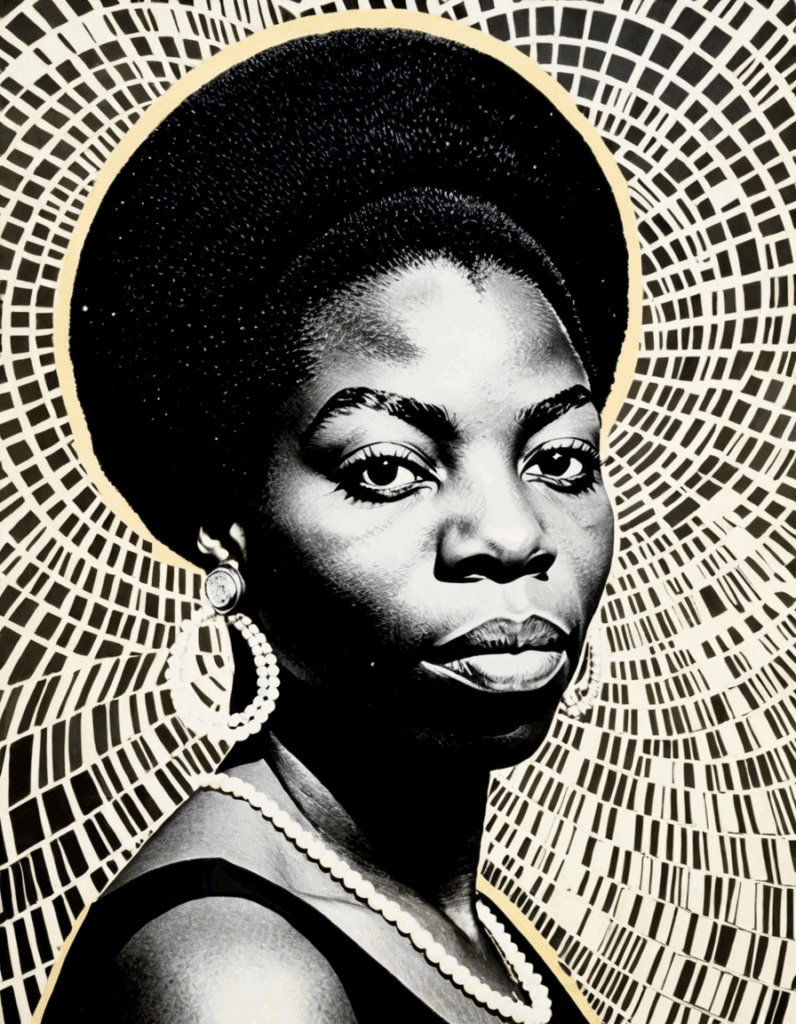
Nina Simone wasn’t just a music icon; she was a profound voice of her generation. Her incredible journey intertwines her artistry with powerful social and political activism. As an African American woman navigating the turbulent waters of the civil rights movement and the music industry, her life encapsulates both struggle and triumph. Here, we take a closer look at the defining aspects of Nina Simone’s legacy and lasting influence on music and culture.
Top 7 Defining Moments in Nina Simone’s Extraordinary Life
Born as Eunice Kathleen Waymon on February 21, 1933, Nina Simone was a prodigy, showcasing her remarkable piano talent from a very young age. Raised in North Carolina’s racially segregated South, her upbringing heavily influenced her artistic voice, allowing her works to reflect both her cultural background and personal struggles. This environment-where barriers existed at every turn-shaped her dedication to her craft and her commitment to social issues.
Her 1956 album “I Put a Spell on You”, featuring what many consider her signature song, marked a pivotal moment in her career. The soulful intensity and emotional depth of this record highlighted her shift from classical music to jazz, solidifying her place as a leading figure in the genre. It was more than just music; it was an emotive experience that drew listeners in and prepared them for the magic of Nina’s artistry.
In response to heartbreaking civil rights injustices, Nina wrote “Mississippi Goddam” in 1964. This powerful song turned heads and stood as an anthem for the civil rights movement. With unyielding courage, she addressed systemic racism directly, placing her amid contemporaneous artists like Joan Baez and Bob Dylan, who used their platforms to confront social issues. Her fearless stance on such cultural matters solidified her place in history as both artist and activist.
The Netflix documentary “What Happened, Miss Simone?” Sheds light on Nina’s significant battles with mental health, including her struggles with depression and bipolar disorder. These personal challenges often manifested in her music, adding a raw authenticity that resonated deeply with fans. Her courageous openness about mental health continues to inspire conversations around mental illness in artistic communities, making her a trailblazer in more ways than one.
In the 1970s, Nina Simone moved to Europe, settling in cities like Paris and Amsterdam. This relocation allowed her to explore diverse musical styles and collaborate with other artists, such as Al Schackman. During this period, her music underwent a renaissance that both challenged and excited her established sound, expanding her influence beyond traditional jazz and blues. Projects with figures like Connie Nielsen in film displayed her versatility and continued relevance.
Nina’s life and music have inspired several documentaries and theatrical productions. “Nina Simone: Four Women,” an Off-Broadway musical, captures her power through storytelling and deep, reflective character development. Moreover, artists across genres-ranging from Erykah Badu to Alicia Keys-keep Nina’s spirit alive through their music and activism, showcasing her far-reaching influence across generations.
Journalist Connie Chung played a significant role in amplifying Nina’s voice. Through interviews, Chung captured the intricacies of Simone’s personality and her evolving relationship with fame. Their collaboration highlights how media figures can elevate artists, further spreading their important messages, much like what Nina did through her own music.
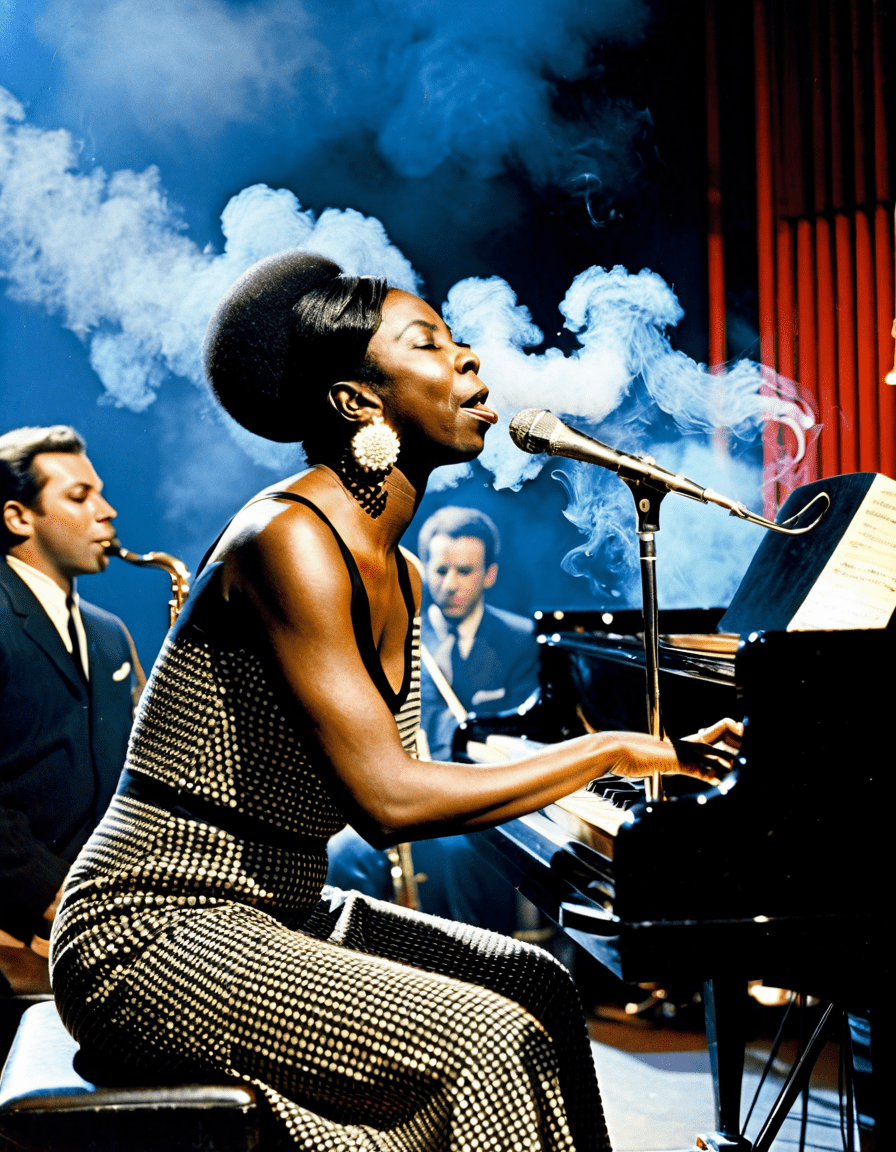
Nina Simone’s Influence on Contemporary Artists
The unmatched influence of Nina Simone on recent artists is profound. Noteworthy figures like Lauryn Hill And Janelle Monáe Point to Simone as a key inspiration for both their sound and their dedication to social causes. Hill’s hit “Doo Wop (That Thing)” mirrors Nina’s blend of honesty and musicality, while Monáe embodies a genre-less approach that echoes Simone’s refusal to be pigeonholed. This continued dedication to artistic innovation ensures Nina’s legacy lives on vibrantly.
Additionally, the emotional depth found in Nina’s songwriting echoes through the works of artists like Solange And rising star H.E.R. Their music, rich with sociopolitical themes, reflects a profound commitment to activism reminiscent of Simone’s own work. Each generation draws strength from her spirit, anchoring their artistry in a lineage that celebrates both musical and cultural change.
A Lasting Impact Beyond Music
Nina Simone extended her artistry into broader cultural realms, advocating for justice and equality long before it became mainstream. Today, her name symbolizes empowerment, reminding countless individuals of the importance of standing up for rights through creative expression. Scholars and fans alike study her work in the context of music and activism, enriching our understanding of her complex identity.
Moreover, discussions about mental health awareness within artistic communities increasingly mirror Nina’s life and struggles. Her willingness to confront personal demons provides a necessary framework that encourages open dialogue about mental health in public spheres.
Nina Simone’s extraordinary journey remains a powerful testament to the intersection between art and social change. Even in 2026 and beyond, her spirit continues to influence narratives around equality and humanity around the globe. Nina’s music, activism, and personal strength invite us to reflect on our responsibilities as artists and citizens in an ever-evolving society.
Embracing everything from her roots to her global impact, Nina Simone’s life reminds all of us that music has the power to transform, inspire, and enact real change in the world. Whether engaging with her classics or highlighting contemporary interpretations, her legacy proves hip-hop and jazz are not merely entertainment but vital components of social justice and identity. As we dive deeper into her multifaceted contributions, we affirm that Nina Simone was indeed an extraordinary artist and love noted in the cultural tapestry of our time.
For more on current events and artistic breakthroughs, check out resources like Food Recalls This week, discuss the latest documentaries, movies, and happenings with Guillermo Del Toro, or explore the nostalgic journey of films like Homeward Bound.
Nina’s story intertwines with those who preceded her and those who continue to be inspired by her legacy. It proves that the fight for justice, whether articulated through notes or narrative, is far more than just a song; it’s an anthem for life itself.
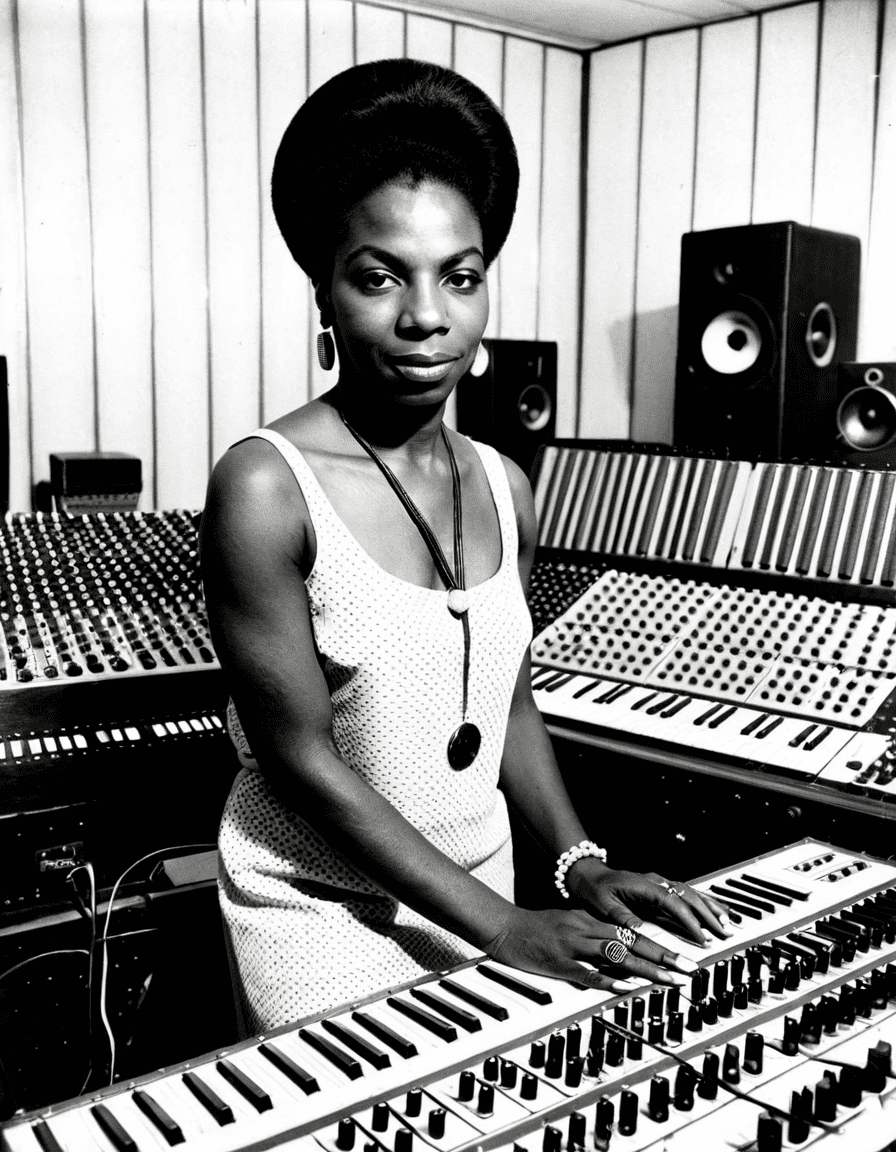
Nina Simone: The Extraordinary Life of a Music Legend
Uncommon Beginnings
Ever wondered how Nina Simone became the powerhouse of music we know today? Born Eunice Kathleen Waymon on February 21, 1933, in North Carolina, she displayed incredible talent at an early age. With dreams of being a classical pianist, she ended up taking a different path when financial constraints pushed her toward jazz. Interestingly, her first job in music was as a lounge singer under the name Nina Simone, a combination of her nickname from a childhood friend and the name of a French actress, which gave her a sense of allure (you can see how a warm atmosphere can set the stage, similar to the cozy vibes found in Toasty heater Reviews). This pivotal moment proves that sometimes, life’s twists lead to extraordinary destinations.
An Activist Heart
Did you know Nina Simone was more than just an astonishing singer? She was a fierce activist, channeling her battles and heartbreaks through her music. Songs like “Mississippi Goddam” spoke volumes about civil rights and injustice, driving her to become a voice for the oppressed. In fact, her music resonated deeply during the civil rights movement, where she found herself singing at rallies and protests, feeling every note pulse with urgency. Talk about making waves! Her passionate performance style matched the emotional rollercoaster seen in reality shows like the Love Is blind reunion, where raw feelings are laid bare.
An Enigmatic Persona
Nina Simone led a life filled with fascinating clashes and contradictions. Her fierceness on stage was balanced with moments of vulnerability off it. One of her defining traits was her iconic performance at the 1969 Montreux Jazz Festival, where she captivated audiences by blending her classical origins with soul, jazz, and blues. This enchanting mix is somewhat reminiscent of Ja Rule’s distinct style in the music industry, where genres collide to create something fresh and exciting. It’s a reminder that expressions of creativity often mirror the dance of ancient mythology-like the Anubis Egyptian god, guiding souls through the complexities of life (anubis egyptian god).
Nina Simone’s journey was anything but ordinary. She navigated through success, turmoil, and redemption, leaving behind a legacy that continues to inspire artists today. Who knows what gems we’d uncover if we continued to explore her life story, maybe even drawing parallels to tales like those in Yuki Yuna-a( reminder that every hero’s tale is filled with trials and triumphs.

This article was produced with AI assistance. How Loaded Video uses AI.
Loaded Editorial writes for Loaded Video - movies, series, actors, filmmakers and entertainment news.