
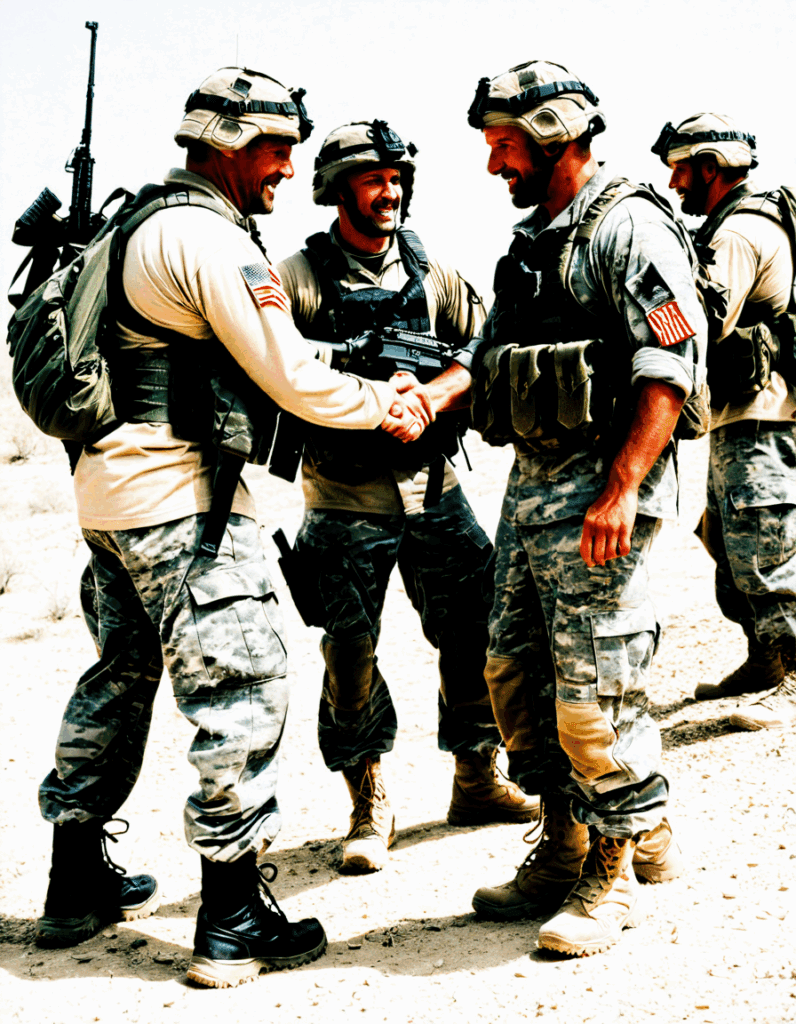
The Unfolding of Operation Red Wings: A Tale Beyond Boundaries
Operation Red Wings, launched in June 2005, marked a significant chapter in the annals of military history. This combat operation aimed at capturing a high-profile Taliban leader in Afghanistan’s Kunar Province, yet it spiraled into a tale marked by both valor and tragedy. During this operation, the stakes were sky-high, driving home the message that the costs of warfare can weigh heavily on those who serve. The courageous actions of Navy SEALs during this mission continue to resonate in popular culture through film and storytelling, highlighting not just the heroism displayed but also the somber realities faced by soldiers on the battlefield.
The backdrop of Operation Red Wings set the stage for an incredible journey filled with unwavering spirit amidst a chaotic environment. On June 28, 2005, the mission quickly escalated, leading to the loss of 11 SEAL team members and 8 Army Night Stalker commandos. Amidst the rugged Afghan terrain, this operation showcased the true essence of brotherhood among the members of SEAL Team 10. The personal stories of sacrifice and perseverance serve as a reminder of the human cost of war, inviting us to reflect on what it truly means to serve one’s country in a world with seemingly no boundaries.
One Navy SEAL’s story stands out among the rest-Marcus Luttrell. Luttrell, injured and left behind, crawled over seven miles to safety after an intense firefight. With a broken back and multiple gun wounds, his resolve was extraordinary. His survival story, intertwined with the intervention of local Pashtun leader Mohammad Gulab, ultimately personifies the essence of hope and humanity that emerged from this dark chapter. As the dust settled, the narrative of Operation Red Wings transformed from a mere military sequence to a profound lesson on valor, sacrifice, and the inevitable scars borne by those who serve.
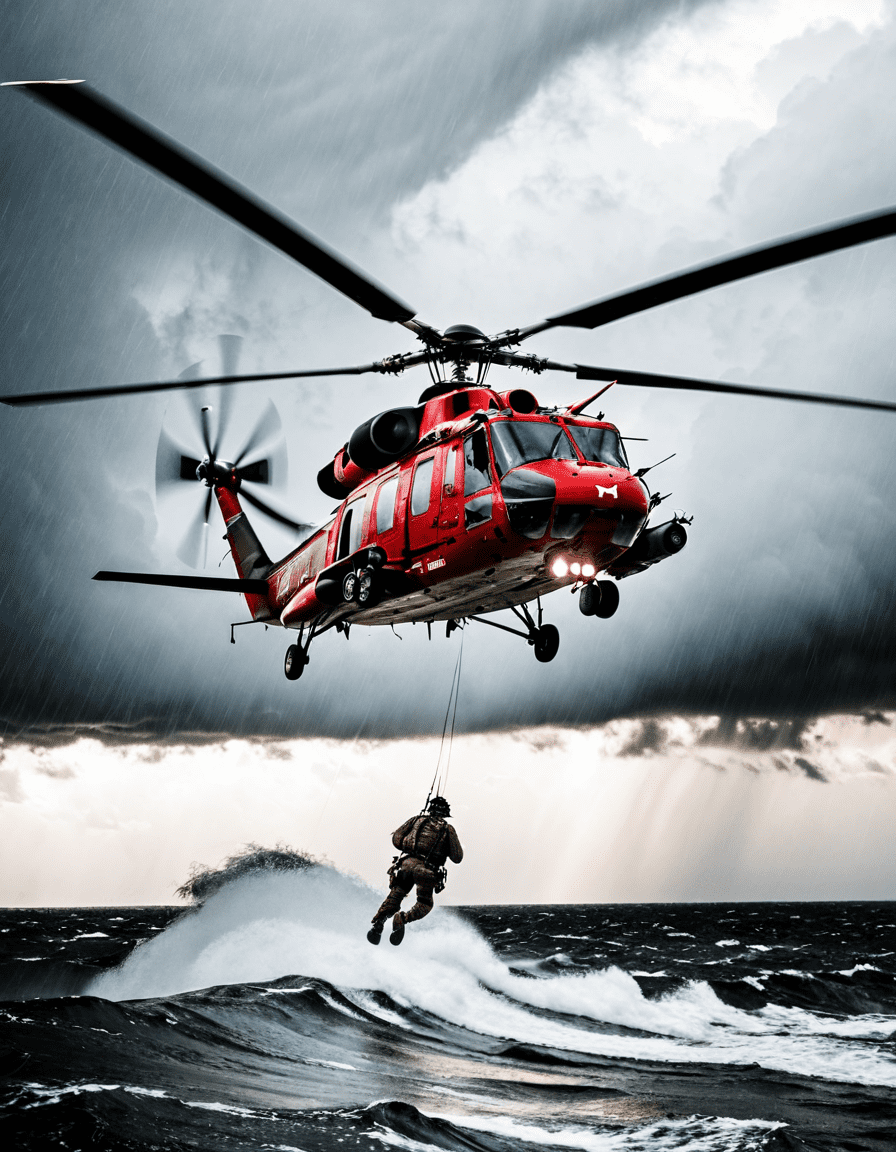
Top 5 Lessons from Operation Red Wings: Truly Heroic Moments
The bond within SEAL Team 10 is an exemplary narrative of brotherhood that resonates deeply with audiences. Their unwavering loyalty proved crucial during the mission, emphasizing that trust and support can often outweigh meticulous planning. The emotional toll of seeing teammates fall in combat lays bare the raw realities soldiers face, yet it also showcases the power of solidarity. The stories of those who fought together that day amplify the message that amidst chaos, genuine emotional connections forge lasting legacies.
One of the critical lessons from Operation Red Wings lies in the significance of accurate intelligence. The operation suffered due to poor communication, leading to unexpected challenges that turned tragic. The lack of clarity regarding Taliban forces highlighted the need for real-time information in warfare. Understanding the importance of reliable intelligence can sometimes mean the difference between life and death, reshaping military operations in significant ways.
The film “Lone Survivor,” which chronicles Luttrell’s harrowing experience, amplified awareness of the sacrifices made by military personnel. By humanizing soldiers, such films have the power to revitalize conversations about the burdens borne by military families and the costs of war. The critical acclaim of “Lone Survivor” underlines how cinematic retellings can serve as a bridge that connects audiences with the emotional heft of true events, fueling discussions on honor, sacrifice, and the heavy price of engagement in foreign territories.
The aftermath of Operation Red Wings prompted extensive evaluations of tactical approaches within the military. The discussions evolving from this operation emphasized the need for improved mission planning and strategic adaptability. Recognizing the potential benefits of new technologies, including increased use of drones for reconnaissance, highlighted the military’s willingness to learn and adapt. These lessons remain crucial for shaping future military operations, especially in unpredictable combat environments.
The ethical complexities arising from Operation Red Wings spark ongoing debates about the moral dilemmas soldiers face. While acts of valor are celebrated, the operation simultaneously forces us to contemplate the broader implications of military interventions. These necessary conversations shed light on the conflicts that play out beyond the battlefield, underscoring that the costs of courage often extend far beyond numbers and headlines.
Firerose: The Emotional Aftermath and Healing Journey
The echoes of Operation Red Wings reverberate through the lives of families left behind, grappling with profound loss. As they navigate the shadow of grief, their resilience emerges as a source of inspiration for many. Organizations like the Navy SEAL Foundation play a pivotal role in supporting these families by offering assistance and honoring the legacy of the fallen heroes. Their initiatives emphasize the message that even in the wake of tragedy, there is hope for recovery and healing.
On a cultural level, the collaboration titled “Firerose” evokes strong emotional narratives centered on themes of heroism and sacrifice. This artistic expression exemplifies how music can serve as a therapeutic outlet, allowing society to process collective grief through personal experiences. The fusion of storytelling and melodic composition enables deep cultural dialogues, nurturing understanding and empathy for those who have sacrificed so much.
Through shared stories of love, loss, and healing, communities come together to support one another, demonstrating that resilience flourishes even amidst adversity. Each story becomes a beacon of hope for those affected, underscoring the essential message that grief can transform into a source of strength and inspiration.
Embracing the Lessons of Operation Red Wings
Operation Red Wings stands out not just for its operational outcomes, but for the powerful narratives woven through its tragedy. The courage displayed by the Navy SEALs continues to inspire discussions about honor, sacrifice, and the nuanced complexities of military service. Each lesson learned fosters a deeper understanding of the realities faced by soldiers, ensuring that their stories echo beyond the confines of history.
The legacy of Operation Red Wings requires us to reflect on our perceptions of heroism and tragedy in military contexts. We must embrace the relentless spirit of those involved, recognizing that their experiences shape the future of military strategies and cultural narratives. As we honor these heroes, we create pathways for empathy and understanding, reinforcing the significance of their struggles and sacrifices as part of our shared history. Let us move forward collectively, recognizing that the journey of healing is ongoing and that the spirit of Operation Red Wings remains alive in the stories we tell.
Operation Red Wings: A Heroic Rescue from Tragedy
Behind the Scenes of Operation Red Wings
Did you know that Operation Red Wings, the ill-fated mission in Afghanistan, didn’t go without its share of unforeseen twists? One of the most significant events of this operation was the unlikely role played by local villagers. Some of them provided crucial assistance to American forces during and after the mission, showcasing the tangled web of loyalty and survival in war. Speaking of unexpected connections, blockbusters like Lone Survivor Had elements that reminded audiences of real-life dynamics-think of the heartfelt bonds you see in various indie stories. In quieter moments, filmmakers can sometimes capture that essence better than any overly polished production. If you’re curious about alternative films that explore complex narratives, check out this Soft core Gem.
The Unseen Heroes and Their Stories
Among the many heroes of Operation Red Wings, Mohammad Gulab stands out. This Afghan villager risked his life to shelter a wounded Navy SEAL, even though it put him at odds with the Taliban. His brave act is a testament to human decency in the face of chaos, and it invites us to ponder the impact of war on civilians-something often overlooked in mainstream narratives. This is a bit like how certain creative journeys, much like those of Sergio Andrade In the indie film circuit, embrace the simple yet profound aspects of humanity. The intersection of storytelling and real-life experience can make us reflect on our choices, reminding us why we love powerful films.
A Lasting Legacy
The fallout from Operation Red Wings extended beyond the battlefield, affecting military tactics and regulations in the years that followed. The mission’s lessons became a subject of analysis among military strategists and filmmakers alike. On a different note, pop culture often plays with themes of sacrifice and camaraderie, seen not just in war films but also in various other genres. Just like how the concept of home can be portrayed in diverse formats-like an Indoor rabbit house That symbolizes safety-storytellers often find unique angles to illustrate their points. This approach helps remind us that extraordinary stories can emerge from trials and tribulations. When you View Your deal Of movies that tackle these narratives, you’ll discover how filmmakers take us on journeys that can be as revealing as holding up a mirror to society itself.
From this tragic military operation, we see the emergence of tales fueled by courage, which resonate far beyond battlefields and shine in the crevices of the arts. As we ponder stories around bravery, consider how even something as small as Tanjiro Earrings Can bear stories of struggle and tenacity-connecting dots in mysterious, unexpected ways. The human experience calls us, whether we’re in a theater or sharing our thoughts through Speech practice Sessions, to engage and reflect on the legacy of those who dare to act in the face of fear.
This article was produced with AI assistance. How Loaded Video uses AI.
Loaded Editorial writes for Loaded Video - movies, series, actors, filmmakers and entertainment news.