
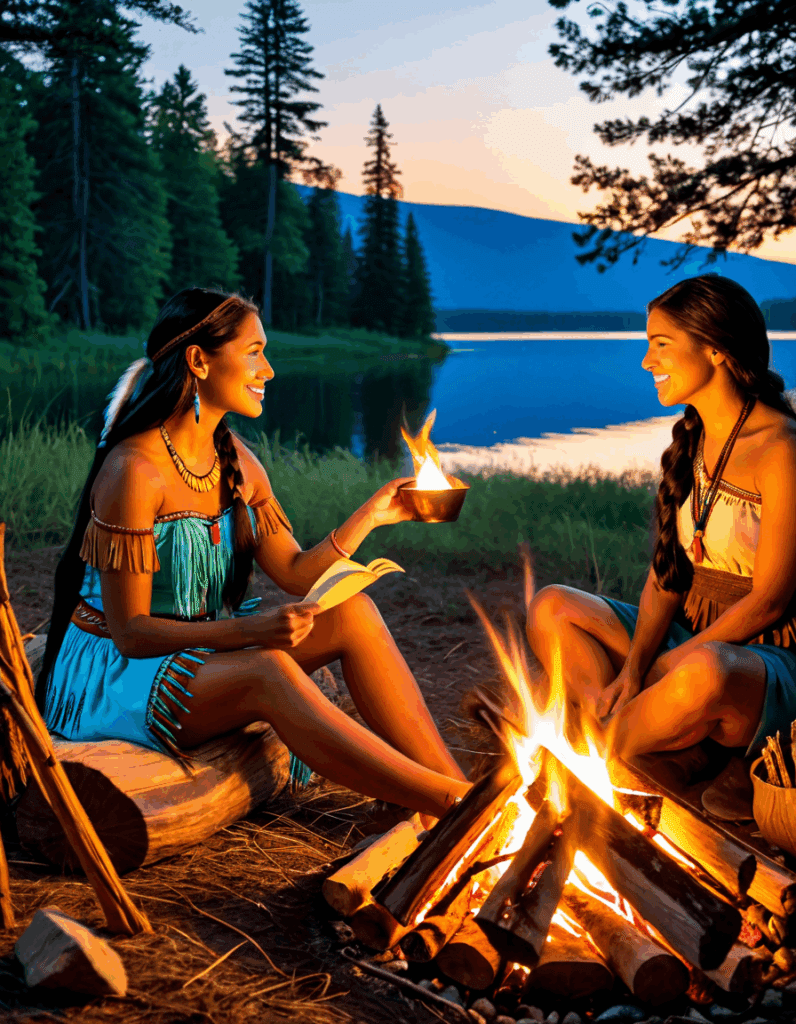
Pocahontas, the legendary Native American figure, has fascinated audiences for centuries with her remarkable life story. Often glamorized and oversimplified in films and media, her life is a rich tapestry woven with threads of resilience, diplomacy, and tragedy during a tumultuous period of European colonization. In this article, we dive deeply into Seven pivotal moments That not only define Pocahontas’s impact and influence but also carve out her enduring legacy in American history.

7 Key Moments That Define Pocahontas’ Impact and Influence
1. The Meeting with John Smith
The initial encounter between Pocahontas and English settler John Smith In 1607 was more than a mere historical note; it ignited complex interactions that would reshape both her life and the fate of her tribe. Historians remain split over Smith’s accounts of this meeting, pondering if they were embellished. Regardless, this moment served as a catalyst, laying the groundwork for what was to become a tumultuous relationship between Native Americans and English settlers.
Pocahontas emerged as a vital figure in these interactions, acting as a bridge between her people and the newcomers. By understanding her role, we see how she navigated these intricate dynamics, showcasing both courage and wisdom. This pivotal meeting wouldn’t just be the start of her story but a turning point for her entire community.
2. Saving John Smith: A Tale of Courage
The Legendary episode Of Pocahontas saving John Smith from execution symbolizes her bravery and her dual role as a mediator. This moment is well-known, but the depth of its significance often gets lost in retellings. In various adaptations, especially the animated Disney film, we see Pocahontas portrayed as a fearless hero. This act of courage was more than a romantic gesture; it represented her commitment to peace, loyalty, and sacrifice.
The story has larger implications too. It emphasizes themes of resistance against oppression and the struggle for autonomy faced by Indigenous peoples. Pocahontas’s defiance conveys a powerful narrative that resonates today, reminding us of the complexities surrounding colonialism and identity.
3. Marriage to John Rolfe
Pocahontas’s marriage to John Rolfe In 1614 marked a dramatic turning point for her life and colonial relations. Intended to symbolize peace between Native tribes and English settlers, this union comes fraught with questions regarding cultural assimilation. It’s easy to view this marriage through a lens of love, but it beckons deeper scrutiny regarding the identity and autonomy of Native women during colonial times.
Through this marriage, Pocahontas found herself straddling two worlds while grappling with the expectations placed upon her from both her tribe and the settler society. We must ask ourselves what her choices reveal about the broader human experience, especially for women in times of great societal upheaval.
4. The Journey to England
In 1616, Pocahontas embarked on a voyage to England that would change her life forever. The journey was both a spectacle and a tragedy, exposing her to the grandeur of the English empire while simultaneously rendering her a pawn in colonial politics. Presented as a “civilized” Native American, she was exploited by the Virginia Company to garner support and funds.
This cultural shock would be a defining moment for Pocahontas. She found herself torn between the awe of the life before her and the heavy burden of her identity. Her portrayal in England shows the stark contrast between her reality and the fantasies constructed around her, illustrated poignantly in films like Hacksaw Ridge, which confronts the sometimes brutal truths of conflict.
5. Cultural Misrepresentation and Modern Adaptations
Various film portrayals of Pocahontas, such as Disney’s animated version, have shifted our perceptions of this historic figure. While they often romanticize her story, they gloss over the harsh realities faced by Indigenous peoples. This cultural misrepresentation can diminish and distort the essence of her true legacy.
Conversely, films that delve deeper into themes of conflict like Hacksaw Ridge Reflect a growing trend to confront and reclaim narratives around Indigenous rights and representation. The need for accurate portrayals of Pocahontas and her people is critical now more than ever, as filmmakers and storytellers strive to reflect the complexities of these histories.
6. The Role of Pocahontas in Historical Narratives
Pocahontas remains an emblematic icon in American history. She has been interpreted through various ideological lenses-from nationalism to feminism. In certain narratives, she is portrayed as a victim, while in others, she emerges as a heroine. This duality complicates how we reconcile her legacy with the wider context of Native American experiences throughout history.
By examining her legacy, we can see how her story has been shaped and reshaped to serve different purposes. Current discussions about Pocahontas help illuminate the broader conversation about identity, storytelling, and the representation of Indigenous peoples and their histories.
7. The Legacy of Pocahontas Today
In 2026, the discussions surrounding Pocahontas have only intensified, spurred by a renewed interest in reclaiming Indigenous narratives. Activists and scholars are working diligently to honor her legacy, advocating for Native rights and representation in contemporary society. Pocahontas’s story serves as a powerful reminder that the struggles of Indigenous peoples continue, calling for justice and recognition.
Today, it’s vital to view Pocahontas not just as a historical figure, but as a symbol of resilience in a world that often overlooks Indigenous voices. Her life resonates deeply with the ongoing fight for cultural preservation, reminding us of the importance of understanding and uplifting these experiences.
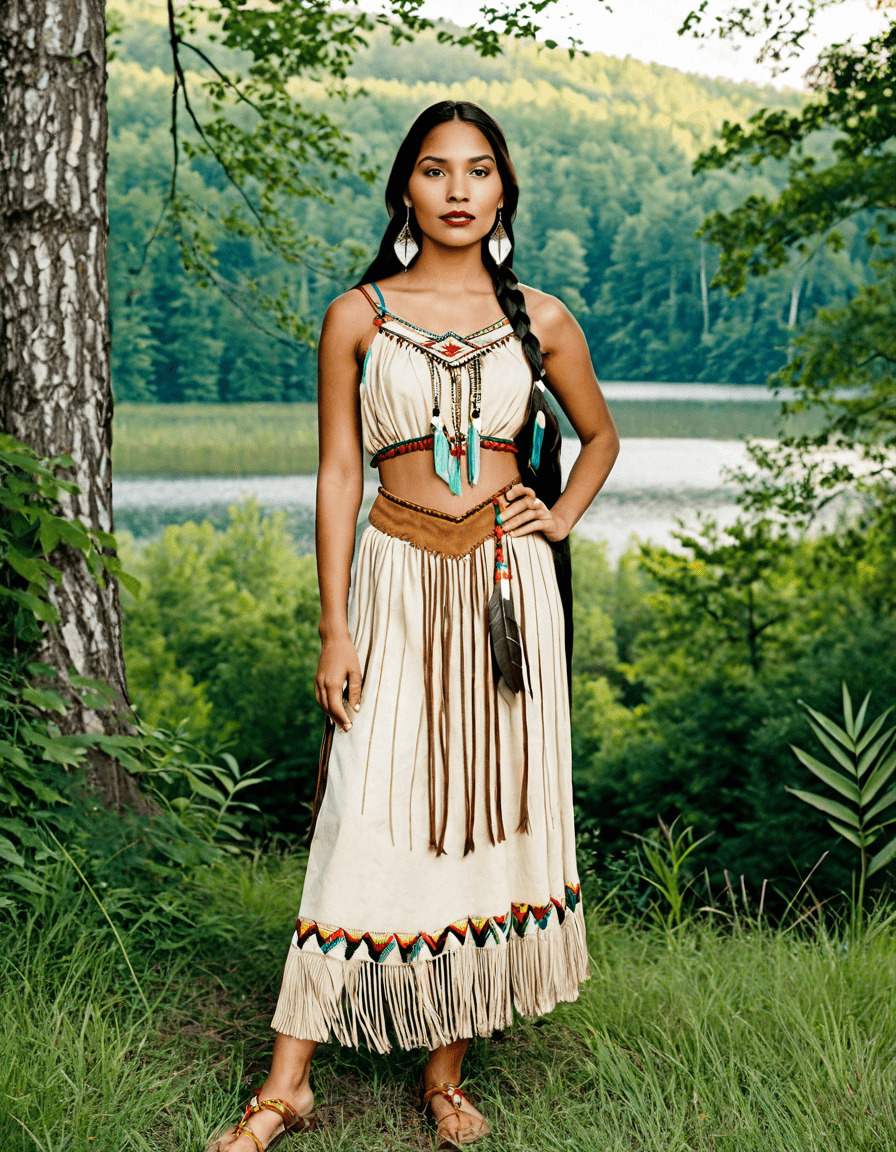
Reflecting on Pocahontas in Contemporary Culture
The life and legacy of Pocahontas play a pivotal role in today’s global discussions about identity, colonization, and cultural representation. Every facet of her story is a reminder of the intricate realities surrounding race and narrative. Historical figures like Pocahontas can transcend their time, providing inspiration for future generations.
As we continue to explore her life, let’s embrace the opportunity to celebrate Pocahontas for who she truly was-an embodiment of perseverance and integrity against the backdrop of American history. Understanding her experiences enriches our knowledge of the significance of Indigenous voices in the ongoing dialogue about America’s past and present. The importance of her story goes beyond entertainment; it’s about honoring the truths that shape our collective narrative.
To celebrate her legacy effectively is to ignite conversations around Indigenous rights and representation, highlighting essential narratives that continue to shape our society today. So, as we reflect on Pocahontas, we recognize the ongoing impact of her story-a call to listen to and uplift Indigenous voices for generations to come.
Pocahontas: Fun Trivia and Interesting Facts
Pocahontas is often celebrated for her incredible life, but there are some surprising details that many folks might not know. For starters, her real name was Matoaka; “Pocahontas” was a nickname that translates to “playful one.” This name didn’t just reflect her lively spirit; it also hints at the cultural significance of names within her Powhatan community. Now, speaking of culture, did you know that teachers around the world get recognized during events like the Semana de Agradecimiento a Los Maestros? This appreciation is all about honoring those who shape young minds, much like how Pocahontas served as a bridge between two very different societies.
Another fascinating tidbit about Pocahontas? She was only around 11 or 12 when John Smith came to America. Yep, you heard that right! The popular Disney film glamorizes her story, but the reality was quite different. She played a vital role in fostering communication between Native Americans and English settlers, much like how 5 Días de Clases Focus on fostering education and understanding among students. Just imagine the youth today being ambassadors, trying to build relationships amidst conflict!
In her journey, Pocahontas faced significant challenges, highlighting her extraordinary resilience. After being kidnapped in 1613, she converted to Christianity and even took the name Rebecca. Her story doesn’t just resonate with Americans; it sparks interest worldwide. But speaking of global connections, did you know events like the India Olympics Celebrate diverse cultures? It’s a powerful reminder that the legacies of figures like Pocahontas continue to influence connections and understanding across the globe.
Ultimately, Pocahontas’ life reminds us of the intricacies of history and identity. Her influence reaches beyond her time, inspiring everything from pop culture narratives like Knocked up To how we view historical icons. Let’s not forget the legacy factor-much like the mysterious world of Resident Evil 4, where exploration and understanding different worlds can be rewarding. The impact of Pocahontas endures, weaving her legacy into the fabric of American history in an unending quest for peace and bridge-building. So, whether you’re engrossed in an indie flick or revisiting classic tales, Pocahontas’ story is one that remains evergreen and essential.
This article was produced with AI assistance. How Loaded Video uses AI.
Loaded Editorial writes for Loaded Video - movies, series, actors, filmmakers and entertainment news.