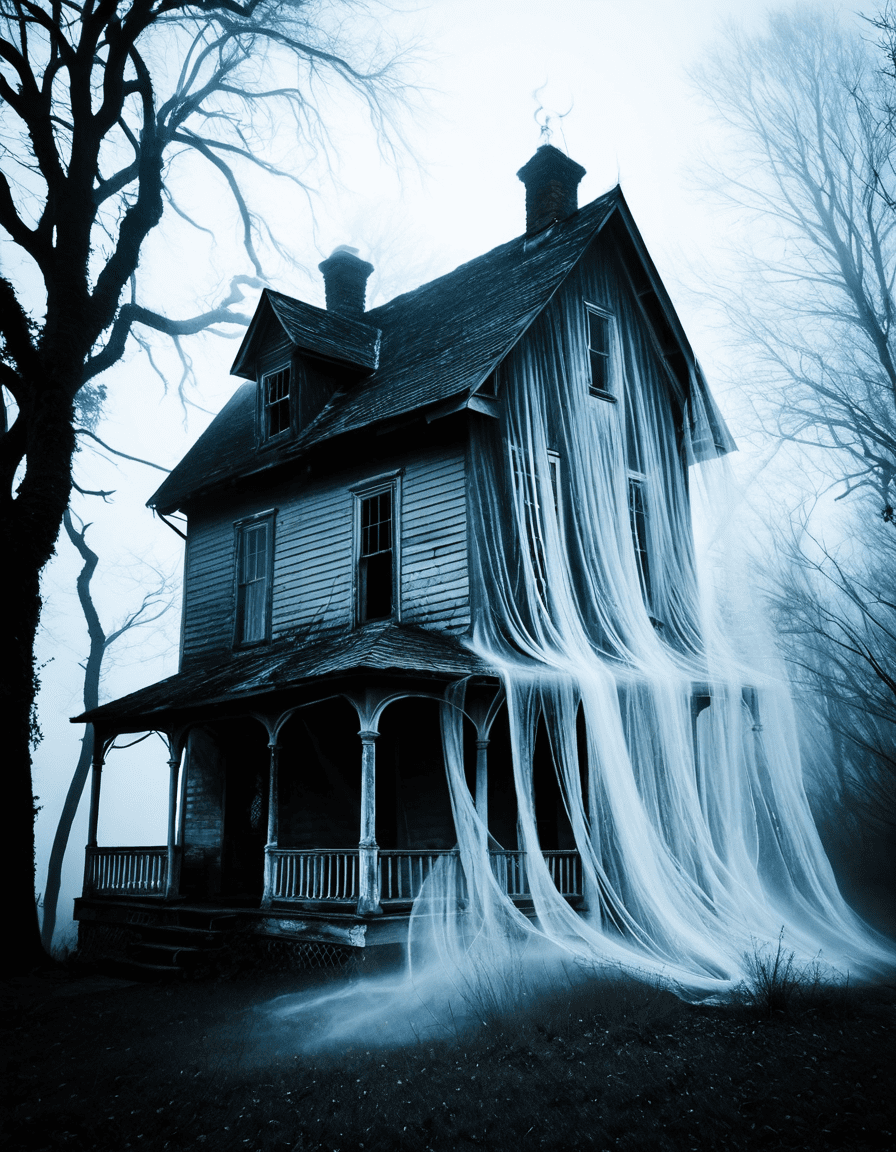
Possession is a powerful theme that resonates deeply across art, culture, and psychology. This concept transcends the physical, morphing into a lingering emotional burden that haunts our everyday lives. We all carry unseen monsters in the form of guilt, trauma, or fear, shaped by our past experiences and choices. These ‘possessions’ can especially shadow our decisions and relationships, revealing the stark truth that the weight of emotional baggage often feels as real as any ghostly apparition.
In the exploration of possession, we not only encounter the ghosts that haunt us but also come face to face with the monumental impact of our actions and histories. Just as characters in films grapple with their own burdens, so too do we navigate the complexities of our feelings. Possession, in this sense, represents both a metaphorical and a tangible phenomenon, urging us to confront what we hold onto-and what holds onto us.
In this article, we’ll dive deep into the interplay of haunting possessions and their profound psychological implications, exploring how they reflect the struggles of our society. Let’s take a stroll through pop culture to see how these concepts are woven into our favorite narratives.
1. Possession: The Weight of Unseen Monsters
The fascination with possession is deeply embedded in our cultural narratives. Throughout history, objects or figures have carried the weight of unresolved trauma, guilt, and fear. The psychological monsters we harbor often find expression through the things we own. Much like spectral figures, these emotional burdens shadow us, dictating the choices we make and relationships we foster.
Consider how Possession Acts as a metaphor for emotional strife. We may own a piece of furniture that belonged to a lost loved one, and that chair isn’t simply a seat; it becomes a vessel of memories-the echoes of laughter, arguments, and shared moments that linger in the air. Each time we see or touch it, we face not just the physical object, but the myriad memories and emotions it encapsulates. There are numerous stories across the film and television landscape that underline this connection between possession and our inner lives.
The narrative becomes more intricate when considering how our attachments to possessions impact our psyche. On the one hand, items can serve as centering forces, providing comfort; on the other, they can draw forth terrifying memories and regrets. This dichotomy illustrates how emotions tied to our possessions resonate deeply with individual experiences, making them powerful conduits for personal expression.

2. 7 Possessions That Haunt Us: Secrets from Pop Culture
Exploring how secrets woven into possessions become haunting reflections of our psyche reveals a compelling tapestry that connects real-life struggles with fictional narratives. Here are seven examples from popular culture that illustrate the profound impact of possessions on our psyche:
1. The Ring (2002) – A Haunted Video Tape
In this chilling horror film directed by Gore Verbinski, the cursed videotape represents societal fears about information overload. The act of watching the tape guarantees death-a grim reminder that some knowledge is burdensome. This cultural artifact speaks to the haunting consequences of our actions.
2. A Star Is Born (2018) – Legacy and Addiction
In this modern retelling of the classic story, Jackson Maine’s guitar becomes a symbol of both his artistic legacy and wrestling addiction. The haunting melodies generated through this instrument are a soundtrack of pain, serving as a reminder of the monsters that artists face in their pursuit of fame.
3. Get Out (2017) – Family Secrets
Jordan Peele’s groundbreaking horror film articulates the possession of family secrets. The Armitage estate, with its picturesque setting, masks deep-rooted trauma and unsettling truths surrounding race. Through clever storytelling, Peele forces viewers to confront how outward appearances can be deceiving.
4. Hereditary (2018) – The Family Tree
In Ari Aster’s unsettling narrative, inherited possessions like miniature models symbolize the weight of family secrets. The haunting themes in this film highlight how unresolved trauma from the past influences current generations, controlling their fates and intentions.
5. The Conjuring (2013) – The Annabelle Doll
Who could forget the infamous Annabelle doll? This cursed object personifies the terrifying idea of possession, revealing fears surrounding inanimate objects. The real-life cases of Ed and Lorraine Warren lend a chilling authenticity to the narrative, echoing a broader cultural anxiety about the mysterious.
6. The Shining (1980) – The Hotel as a Prison
In Stanley Kubrick’s psychological horror classic, the Overlook Hotel is not just a location but a character that brings Jack Torrance to his breaking point. The hotel’s haunted past embodies Jack’s struggles with his demons, making the setting a potent symbol of psychological possession.
7. Black Mirror: White Christmas (2014) – The Dangers of Technology
This episode dives into the ethical implications surrounding technology and consciousness. Characters find themselves trapped, grappling with the psychological ramifications of what it means to possess an identity in a digital world. This futuristic take reveals the haunting nature of our reliance on technology.
3. The Psychological Underpinning of Haunted Possessions
Possession extends beyond the tangible into the realm of psychic trauma. When we talk about possessions, we often overlook the emotional burdens intertwined with them. Analyzing the psychology of possessions unveils how these “haunted” items embody unresolved conflicts of our lives. Memories tied to physical objects can provoke intense emotional responses, mirroring how characters confront their “monsters” in their narratives.
Studies in psychology reveal that certain possessions evoke nostalgia, a bittersweet reflection of our past. In therapy, individuals may be encouraged to confront their own haunting possessions, leading to cathartic experiences. By wrestling emotionally with these artifacts, they often find a path toward healing.
Cultural narratives reinforce the notion that confronting past traumas-represented in the objects we surround ourselves with-can lead to resolution. The objects we cling to become symbols, so unraveling the stories behind them helps define who we are. As films continue to explore the psychological implications of possession, they reflect our own journeys through trauma, illustrating that we’re not alone in facing our deepest fears.
4. Navigating the Line Between Possession and Autonomy
The influence of possessions stretches beyond sentiment; it also prompts ethical and cultural conversations that have lasting implications. Ownership of cultural artifacts, particularly those rooted in colonial histories, opens up discussions about reparation and acknowledgment of historical wrongs. Possessions, in this sense, can serve as haunting reminders of cultural trauma, affecting the autonomy of both individual and community narratives.
For instance, the debate surrounding cultural heritage and repatriation highlights how deeply intertwined possession is with identity. Museums collections often spark outcry when discussing the ownership of artifacts taken during colonial eras. Such discussions underscore the impact of these possessions, amplifying the voices of those seeking redress for historical injustices. The politics of possession delineate a path uniquely linked to autonomy and acknowledgment.
Artistic expressions, whether through film or literature, shine a light on these essential battles. Initiatives focusing on the reclamation of cultural possessions have emerged, opening dialogues on healing from past traumas. While the haunting stories may linger, they also provide a platform for transformation and new beginnings.
5. Embracing the Secrets: Finding Closure and Healing
Confronting haunting possessions can be a deeply cathartic exercise. Projects and therapies often encourage people to revisit these items from their past, facilitating personal exploration and emotional release. Documentaries, like Sweat, chAllenGe viewer perceptions of consumerism, urging a deeper contemplation of our attachment to material goods. The film calls for awareness and mindfulness, reminding us that our possessions can also symbolize hidden societal issues.
As we engage with our haunted possessions, there lies an opportunity for closure. Healing takes shape through active reconnection with our past, be it through storytelling or artistic endeavors. In navigating our emotional landscapes, we peel back the layers of trauma wrapped around the objects we hold dear, turning them from symbols of pain into vessels of empowerment.
Embracing the secrets our possessions carry can lead to significant personal transformation. By allowing ourselves to acknowledge and understand these ghosts, we reclaim our narratives. Instead of fearfully avoiding these lingering memories, we step into the light, emerging with newfound clarity and strength.
As we navigate the Possessions Of our lives-emotionally or physically-awareness of the secrets they hold can lead to profound self-discovery. Through the lens of culture and psychology, we recognize the monsters that shape our existence, transforming them from haunting reminders to instruments of liberation and healing. This ongoing journey not only enlightens us but invites others to join in redefining their narratives, relieving the burdens that haunt us all.
By diving deep into the complex relationship between possession and our emotional states, we foster understanding and connection-reminding us that we’re all haunted by something, but we can also choose how we carry that weight.
Possession: Fun Facts and Trivia
The Cultural Impact of Possession
Possession, whether it’s physical or psychological, has intrigued artists and audiences alike for decades. Did you know one of pop culture’s catchy songs, “I Want a Hippopotamus for Christmas,” includes themes of desire that echo the idea of possession? Weird, right? This illustrates how our yearning for things-both tangible and intangible-can become a focal point of our lives. Speaking of focus, filmmakers like Michael Bay Often use possession in their action-packed narratives, creating tension and urgency that keeps us on the edge of our seats.
Stories of the Possessed
The beauty of storytelling is that it draws upon various inspirations, much like the movie Stagecoach, where the characters encapsulate the very essence of what it means to hold on to secrets and the possessions that embody them. The characters wrestle with their belongings-literal and figurative-as they journey through life. The indie film Mud Also explores possession, using the relationships between characters to show how our attachments can haunt us, sometimes forever. Just like the thrill of discovering a new passion during your childhood-a nostalgic nod to something like Growing Up Skipper Can evoke feelings of what we cherish and hold close, reflecting on how possessions shape our struggles.
The Great Outdoors and Inner Treasures
Even in nature, the concept of possession resonates deeply. Brands like Magellan Outdoors Often promote adventures that lure us into the grasp of the wilderness, where we metaphorically possess experiences that leave a mark. In this sphere, the inner treasures we uncover can seem even more significant than the physical objects we pursue. Much like the band Bush, whose lyrics often explore themes of longing and connection, we find ourselves navigating through our desires, revealing how our possessions-whether emotional baggage or treasured keepsakes-haunt our lives in memorable ways. So, the next time you’re reflecting on the nature of possession, think about what you’re really holding onto-and what might be holding onto you.
This article was produced with AI assistance. How Loaded Video uses AI.
Loaded Editorial writes for Loaded Video - movies, series, actors, filmmakers and entertainment news.