

“The Prince of Egypt” is more than just a celebrated animated film; it’s a compelling exploration of faith, freedom, and identity that resonates profoundly in today’s world. Released in 1998, this cinematic gem showcases the story of Moses, capturing audiences with its stunning visuals and emotional depth. As we delve into the themes and cultural impact of this Disney DreamWorks classic, we see how its messages are timeless and echo present-day struggles for liberty and belonging.
In revisiting this remarkable story, we uncover the themes that not only shaped the film but continue to connect with viewers across generations. The points of discussion are particularly relevant today, as societal changes echo the struggles faced by Moses and the plight of the Hebrew people. So grab a seat, because we’re about to dive deep into “The Prince of Egypt” and why it remains a significant piece of art.
Top 5 Themes in The Prince of Egypt That Resonate Today
“The Prince of Egypt” brilliantly highlights themes that echo through time. These themes invite reflection on our values, struggles, and aspirations in an increasingly complex society.
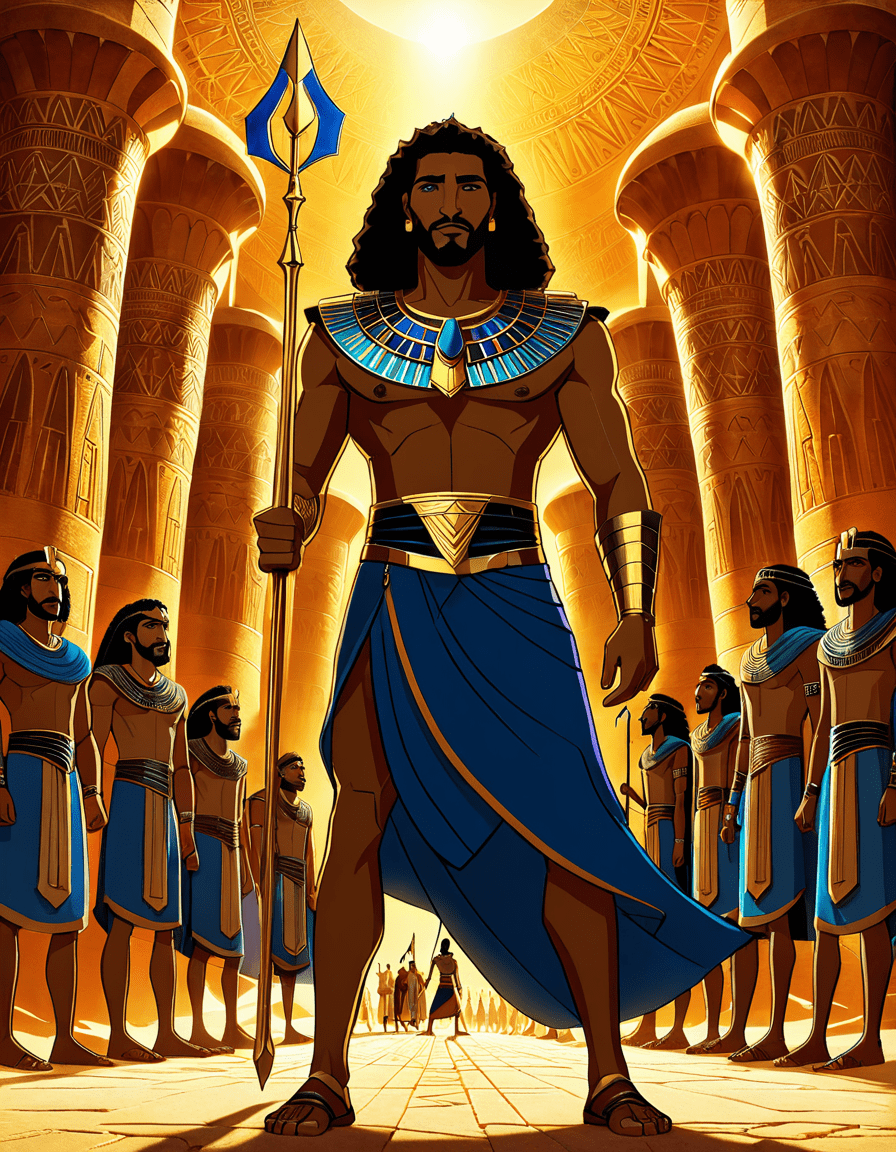
1. Faith and Liberation: The Core of The Prince of Egypt
At its heart, the story of Moses reveals an incredible faith that fuels a desperate search for liberation from oppression. This theme resonates deeply with today’s civil rights movements. Groups like Black Lives Matter Reflect this same quest for freedom seen through Moses’ journey. Whether it’s demanding justice or advocating for social change, the heroic energy that flows through Moses is palpable in modern activists who draw on their faith to inspire movements for change.
2. Family Dynamics and Loyalty: Lessons from the Story
The emotional conflict between Moses and Ramses acts as a microcosm of family loyalty versus moral obligation. Their relationship illustrates the tough choices individuals must navigate amid love and duty. This theme resonates with viewers familiar with family dramas like “This Is Us,” where loyalties are challenged by life’s tough decisions. Similarly, the way Moses discovers his true calling amidst familial ties offers insight into the universal struggle for identity in the face of responsibility.
3. The Quest for Identity: A Universal Struggle
Moses’ journey culminates in a powerful quest for his roots, a sentiment many still grapple with today. The film powerfully communicates the difficulties of discovering one’s true self. This narrative similarly appears in recent films like “Minari,” exploring identity within the immigrant experience. Both narratives illustrate the quest for belonging properly and how one’s heritage plays a crucial role in shaping identity.
4. Courage Against Adversity: An Inspirational Journey
The courage demonstrated by Moses is inspiring. Confronting Pharaoh’s oppressive regime, he embodies the struggle for freedom that many activists continue fighting today. Consider how figures like Malala Yousafzai And Greta Thunberg Challenge systemic issues for education and climate justice. Their audacity and sacrifice echo Moses’ spirit and fortitude, reminding us that history is the best teacher, and the journey toward justice is timeless.
5. Divine Intervention and Human Agency: A Balance of Forces
This theme reveals the intersection of divine assistance and personal choice in shaping our destinies. God’s role in Moses’ story raises profound questions about fate versus free will-one that filmmakers today, like those behind “The Matrix,” continue to explore. Such narratives deepen our understanding of faith as both a guiding light and a source of strength, drawing parallels between ancient tales and familiar struggles in contemporary society.
The Legacy of The Prince of Egypt: Cultural Impact and Relevance
“The Prince of Egypt” has left an indelible mark, influencing various artistic expressions well beyond its initial release. The film’s legacy has inspired musical adaptations and innovative animation techniques seen in recent productions like “Soul” and “The Lion King.”
The score, a collaborative masterpiece by Hans Zimmer And lyricist Stephen Schwartz, set new standards for integrating musical elements into storytelling. The iconic song “When You Believe,” sung by Whitney Houston And Mariah Carey, has become an anthem of hope and resilience, exemplifying the film’s central themes of faith and perseverance. This remarkable musicality paves the way for modern animated features to echo its blend of narrative and emotion.
Moreover, the recent surge of interest in biblical stories-like in the success of shows such as “The Chosen“-demonstrates a broader cultural revival of tales that inspire hope and faith in the fight for freedom. These stories fortify the relevance of Moses, recalling historical legends like the “King of Kings” and the epic narrative of the “God of War,” which serve to inspire determination in our pursuits for justice.

Reflections on The Prince of Egypt in Contemporary Filmmaking
In today’s film landscape, the renaissance of animated storytelling continues to draw inspiration from classics like “The Prince of Egypt,” bridging the gap between ancient tales and modern narratives. Filmmakers today are using religious and historical texts to inform their stories, as evidenced by films such as “The Green Knight” And “Dune.”
These projects reflect a deeper understanding of faith and freedom, much like how “The Prince of Egypt” intricately wove these elements into its narrative. As audiences today crave complexity and relatable characters, the lessons from Moses’ story serve as a compass, guiding filmmakers’ approaches to storytelling.
As we acknowledge the cultural significance of “The Prince of Egypt,” it’s clear this film ignites critical conversations about faith, freedom, and our shared responsibility as a society. Its narrative continues to resonate, reminding us that the pursuit of justice and identity endures. Through resilience and belief, we too can navigate our journeys-just as Moses did.
In essence, “The Prince of Egypt” transcends its status as merely an animated film; it’s a profound journey that encourages audiences to embrace their stories of faith and freedom, echoing loudly in an age where our calls for justice resonate as deeply as they did thousands of years ago.
Prince of Egypt: Tidbits and Trivia
Animated Wonders
Did you know that Prince of Egypt Was the first animated film from DreamWorks? Released in 1998, it was a groundbreaking venture that took animation storytelling to a whole new level, moving beyond the traditional fairy tale format. This film features stunning visuals and an emotionally charged storyline that many compare to classics like Excalibur, showing just how timeless these tales truly are. Interestingly, the voice cast included big names like Val Kilmer and Michelle Pfeiffer, lending star power to the film’s deep narrative about faith and freedom. Plus, those sweeping musical numbers are just powerhouses-what a ride they take you on!
Voice Behind the Legend
Speaking of talent, one fascinating aspect of Prince of Egypt Is the dual role Val Kilmer played. He voiced both Moses and God, blending these pivotal figures in a way that resonates through the ages. Some fans might be surprised to learn that, alongside Kilmer, actors like Ralph Fiennes added a darker twist to the character of Rameses. Their performances are so compelling that you can almost sense the tension unraveling in every scene. This combination of dramatic storytelling and character depth reminds fans of works like Shaun Of The Dead- it’s all about the journey, right?
Cultural Impact
Lastly, the film didn’t just enlighten audiences; it sparked conversations about the stories behind faith. With its intense themes and emotional depth, Prince of Egypt Stood out in a time when animated films were often seen as solely for kids. It even inspired educators to use it in classrooms when discussing themes of liberation and morality. This crossover into cultural dialogue made the film resonate well beyond the screen-one could argue it related closely to figures like Maynard James keenan, who frequently explores poignant themes in his music. Isn’t it interesting how a film can encourage such introspection?
To wrap it up, Prince of Egypt Shines as a unique piece of cinema. With unforgettable music, outstanding performances, and themes that provoke thought, it’s no wonder it continues to be celebrated today. So, whether you’re revisiting it for nostalgia or seeing it for the first time, this film offers a potent reminder of the power of storytelling.

This article was produced with AI assistance. How Loaded Video uses AI.
Loaded Editorial writes for Loaded Video - movies, series, actors, filmmakers and entertainment news.