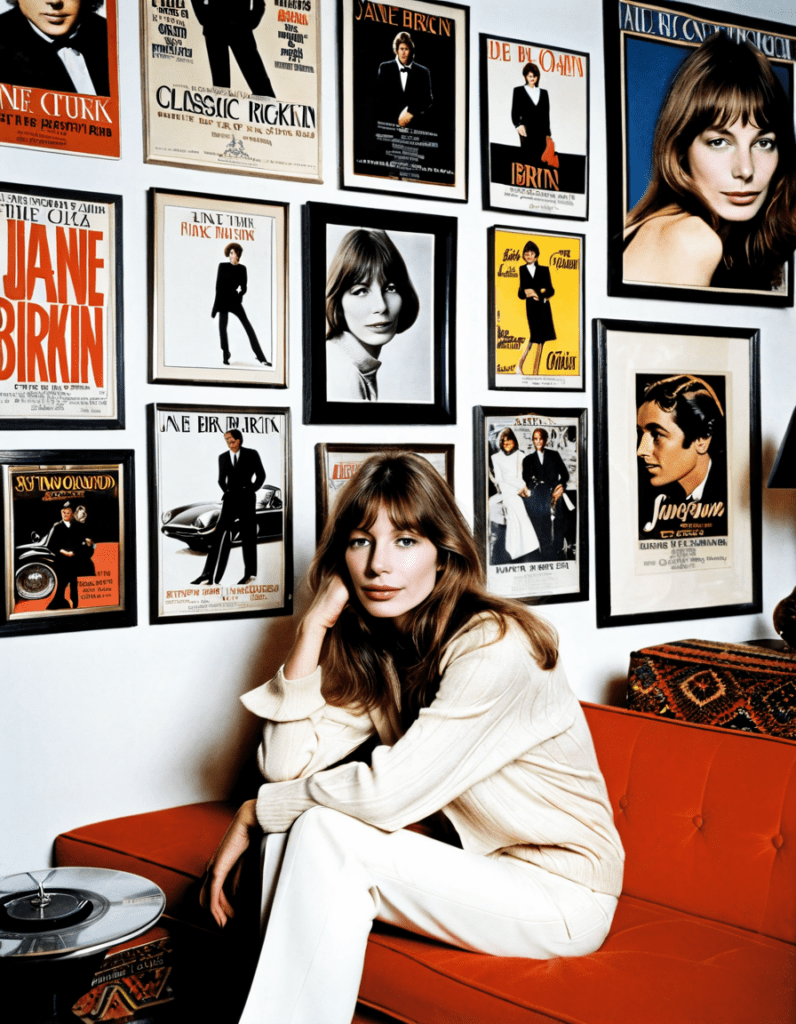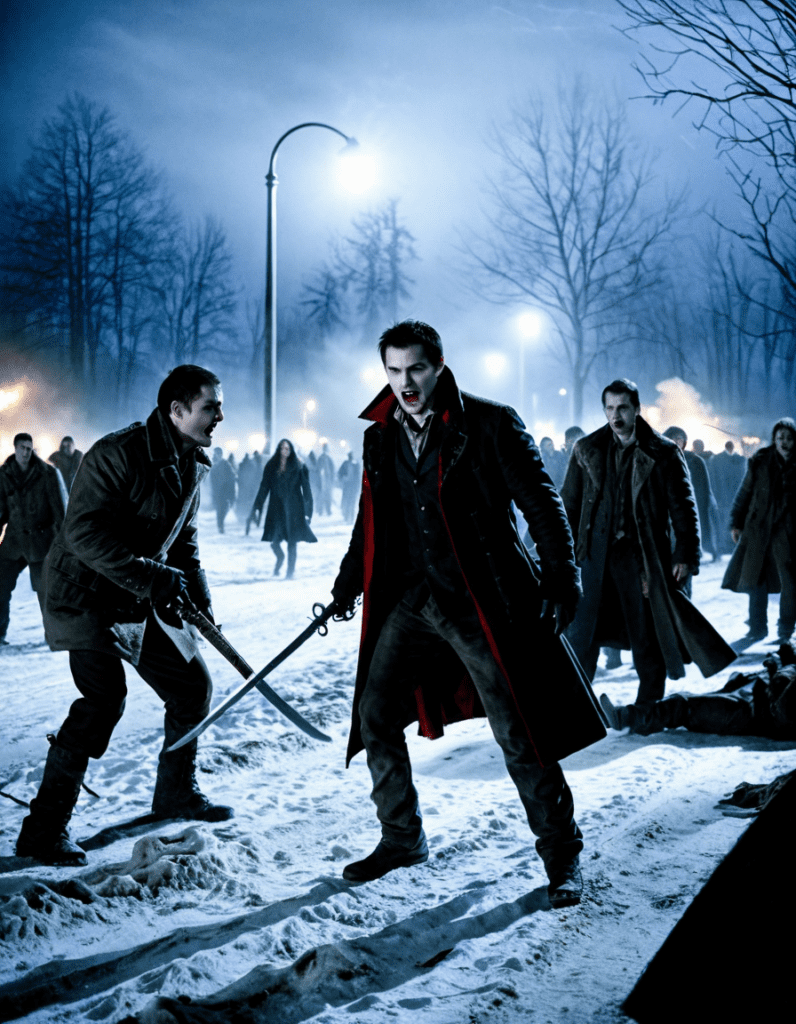

The Rule of thirds Is more than just a guideline; it’s a game-changer for photographers looking to elevate their craft. By dividing an image into nine equal sections through two vertical and two horizontal lines, you can strategically position important elements along these intersecting lines. This technique not only brings balance but also invites viewers into a more engaging composition, capturing their eyes and emotions. Whether you’re pickin’ up a camera for the first time or have a few years of experience under your belt, mastering the rule of thirds can truly revolutionize the way you take photos.
So why does this matter? Well, understanding the rule of thirds empowers both amateur and professional photographers alike. It’s a principle that sets the foundation for a compelling image, unlocking the potential for creativity and storytelling. In a fast-paced visual world, employing this method can set your photography apart, and let’s be honest, who wouldn’t want their work to stand out like a scene from House of Cards?
Let’s delve deeper into the Seven secrets of the rule of thirds That can provide transformative power to your photography. You’ll find that these aren’t just tips; they’re essential tools in your creative arsenal.
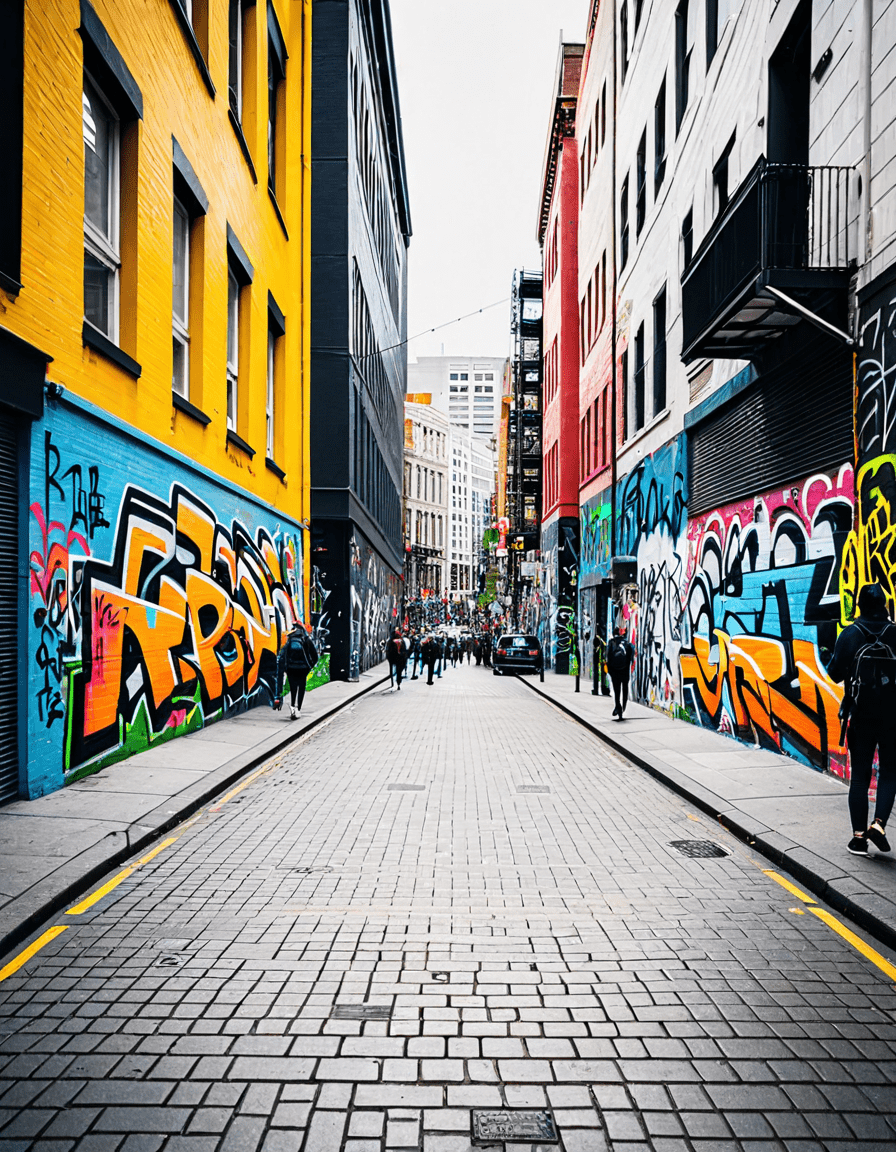
7 Secrets of the Rule of Thirds That Transform Your Photography
1. The Power of Off-Center Composition
One of the beauties of the rule of thirds is the emphasis on off-center composition. Instead of placing your subject smack-dab in the middle of the frame, try aligning it with one of the grid lines. This technique naturally pulls the viewer’s eye into the image, making it far more dynamic. Think about how David Fincher frames characters in House of Cards. He often places them toward the edges, which not only creates visual tension but also adds depth to the narrative.
When you shift your focus toward off-center compositions, you spark curiosity, getting viewers to explore the entire image rather than just the subject. That sense of movement can be just the touch your photographs need.
2. Framing the Landscape with the Rule of Thirds
Landscape photography is another area where the rule of thirds shines. Positioning the horizon along the upper or lower third of the image can enhance the depth and dimension of the photo. For instance, Ansel Adams, a master of landscape photography, often applied this approach to showcase the grandeur of nature. By doing so, he made the sky appear more expansive or the foreground burst with life, inviting everyone to immerse themselves in the scene.
Next time you’re out in nature, think about how you can harness this technique. Balancing the elements, such as land and sky or water and land, can lead to breathtaking results that capture the spirit of the landscape.
3. Using Negative Space Effectively
You’ve probably heard the term “negative space,” but how do you use it to elevate your photography? By combining the rule of thirds with negative space, you create images that are not only striking but also focused. Take a look at minimalist brands like Apple; their product photography often employs significant negative space, drawing attention to the subject and making it pop.
Imagine photographing a lone tree against a vast sky, positioning the tree along one of the vertical lines while leaving ample negative space around it. This approach doesn’t just beautify the shot; it tells an emotional story, creating a connection with the viewer, somewhat like how Girl Crush Captivates audiences with its relatable themes.
4. Dynamic Portraits with a Twist
When it comes to portraits, putting your subject slightly off-center can transform the image into a powerful narrative tool. Renowned photographers like Annie Leibovitz frequently apply the rule of thirds to arrange their subjects dramatically. This off-center positioning often adds context and depth, transforming simple snapshots into explorative experiences akin to the evolving storylines in Person of Interest.
Think about how you can inject personality into your portraits. The way you position your subject can evoke emotions and spark curiosity, enhancing the storytelling potential of your images.
5. Capturing Motion with Rotational Framing
It’s not only about horizontal and vertical lines; the rule of thirds is your friend when it comes to movement. Diagonal lines intersecting the thirds guide the viewer’s gaze across the frame, injecting energy into the shot. Take a look at thrilling scenes in Point Break-the action often follows diagonal lines, pulling you right into the action.
When photographing sports or any fast-paced activity, consider how you can use these diagonal placements to create a sense of motion and dynamism. This technique adds a captivating layer to your photography.
6. Balancing Elements and Utilizing Triangles
Creating visual interest often involves incorporating multiple elements within your composition. Arranging subjects in triangular formations that correspond with the rule of thirds can lead to harmony in your shots. Renowned photojournalist Steve McCurry is known for showcasing these triangular structures in his work, drawing the viewer’s eye seamlessly through the frame.
By balancing these elements, your photographs not only invite exploration but also encourage a dialogue between different subjects within the frame.
7. Experimenting with Breaks and Alternative Perspectives
While it’s essential to grasp the rule of thirds, don’t be afraid to push boundaries. Great photographers often break traditional compositional norms to convey a unique vision. The intentional disruptions you might see in shows like That 90s Show Remind us that sometimes, breaking the rules leads to visually arresting results-images that linger in the memory.
Try experimenting with unconventional layouts and see how that changes the narrative in your photographs. The results might surprise you.

Elevating Your Photography Beyond the Rule of Thirds
The Rule of thirds Serves as a launching pad for creative exploration, but let’s not forget that photography is an art that thrives on personal expression. While this concept provides a solid framework, don’t hesitate to experiment and develop your style. By mastering this essential principle and providing the freedom to explore, you can start creating images that not only capture attention but evoke emotions, crafting stories through visuals that resonate with viewers.
In a world where the visual narrative is paramount-think about films like Dune 3 Or the psychological tension in Glitch-the skillful use of composition can elevate your photography to new heights. So embrace the transformative power of the rule of thirds, and don’t hold back; let your unique perspective shine through every frame.
As you venture out with your camera, remember that every click is an opportunity, much like tackling life’s other challenges, whether it’s figuring out the best approach to 18/6 fasting Or delving into the astounding world of Madden 25. Keep learning, keep shooting, and most importantly, enjoy the art of photography!
Rule of Thirds: Tips and Trivia That Transform Your Photography
The Basics of the Rule of Thirds
The rule of thirds is a time-tested guideline that helps photographers create balanced and engaging compositions. Picture this: the frame is divided into a grid of nine equal parts. The main subjects are positioned along these lines or where they intersect. This can lead to captivating images that draw the viewer’s eye right where you want it. Interestingly, this principle isn’t just for photography; it finds its way into painting and cinematography, like the times when Bugs Bunny pops up in a scene, shaking things up with a cheeky, “No!” It’s all about balance and intrigue.
Fun Facts to Enhance Your Skills
Did you know that some photographers claim the rule of thirds can also create a sense of depth? This makes images pop and leads the viewer’s eye on a journey, almost like discovering a story hiding behind the layers. It’s worth noting that even some renowned artists, like Van Gogh, utilized this technique, naturally giving his works their compelling feel. And speaking of compelling stories, many fans still wonder How Did Kimbo slice die, illustrating how the narrative aspect of visual art can connect widely across different audiences.
A Playground of Creativity
Now, let’s jazz things up a bit! The rule of thirds isn’t a rigid structure but a jumping-off point for creativity. Professionals often break this rule to craft a more striking image. Think about quirky home decor elements, like Baseboards; they can add unexpected flair and visual interest when framed properly. Photography, like decorating, thrives on creating layers and depth. Whether you’re freezing a moment in time or designing a living space, keep exploring beyond the conventional to find what resonates with you. This playful approach can make your photography journey truly rewarding.

This article was produced with AI assistance. How Loaded Video uses AI.
Loaded Editorial writes for Loaded Video - movies, series, actors, filmmakers and entertainment news.