Unveiling The Lodge: A Microcosm of Isolation in Horror Cinema
“The Lodge” is an intense psychological thriller that dives deep into the unsettling theme of isolation-a staple that haunts horror lovers, drawing parallels to classics like “The Shining” and modern hits such as “Hereditary.” This film immerses its characters, and by extension its audience, in a chilling exploration of grief, despair, and the echoing silence of abandonment. As we delve into its powerful premise, it’s essential to see how “The Lodge” aligns with and, at times, diverges from similar works that dissect the darker sides of human experiences.
In the story, a family is forced to confront painful ghosts-both literal and metaphorical-that emerge in the isolation of a remote lodge. The film takes us into the psychological trenches where external horrors mirror internal struggles, leading one to question what truly constitutes a haunting. Watching “The Lodge” isn’t just about fear; it’s about understanding the depths of human loneliness and the impact it has on connection.
By looking at the narrative’s backbone, we discover that isolation is not just an atmospheric device but a crucial player in the horror that unfolds. Each character’s experience elucidates the myriad ways human beings cope with loss, acceptance, and despair-offering a storyline rich in emotionally charged moments. It echoes the experiences portrayed in “The Terminal List,” where the focus lies on the frailty of human emotion against the backdrop of stark realities. This blend of psychological exploration with supernatural elements makes “The Lodge” a captivating piece in contemporary horror cinema.

Top 5 Elements that Amplify Isolation in The Lodge
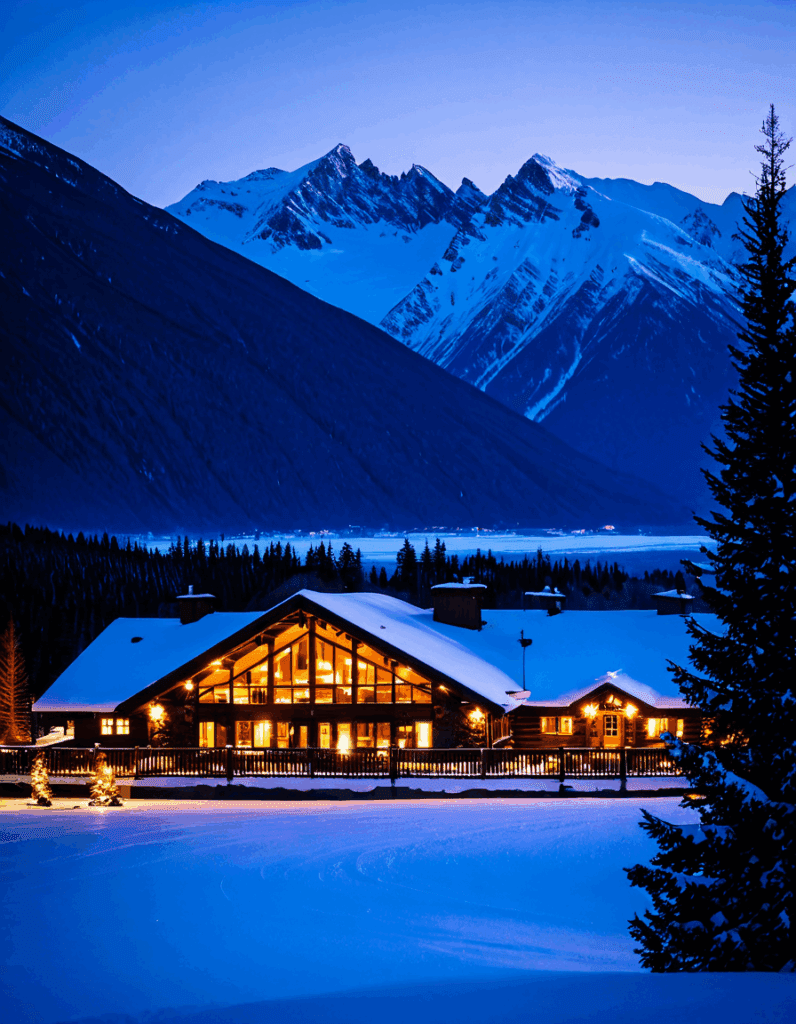
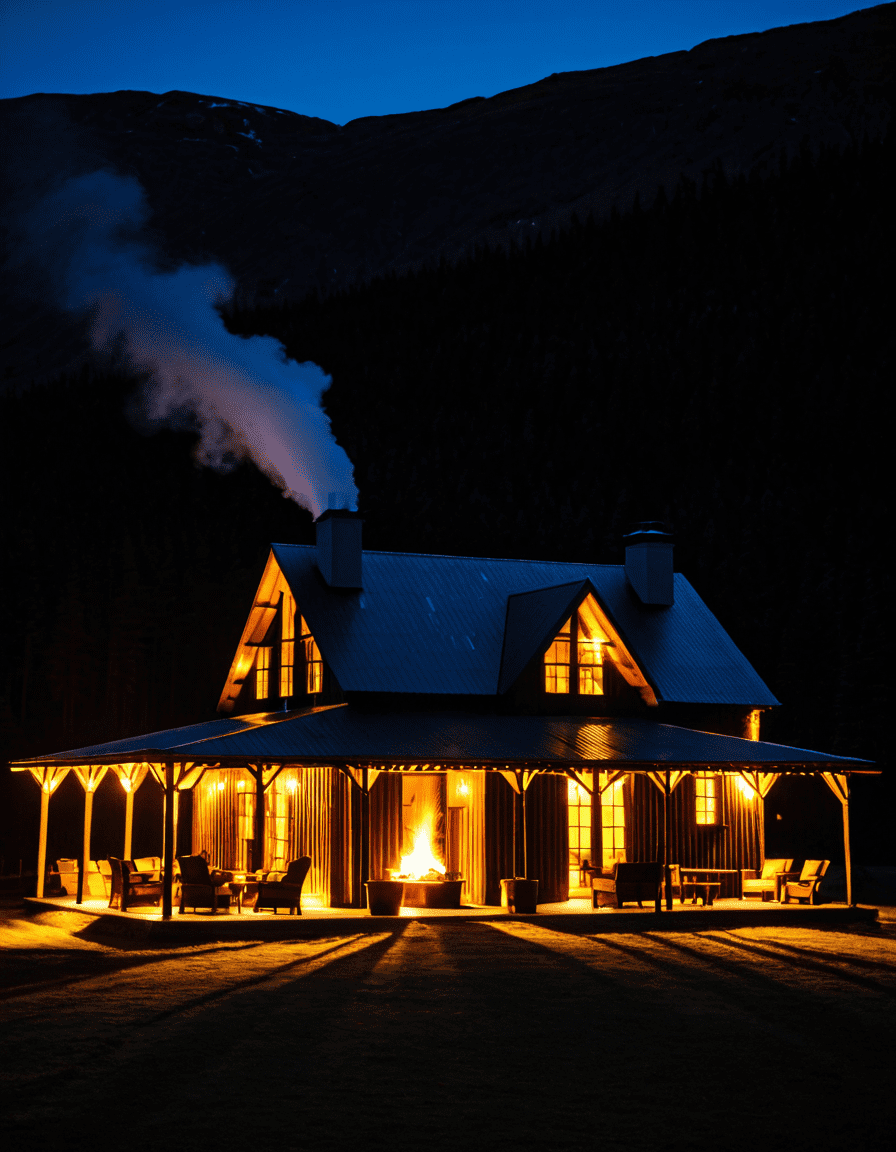
The lodge itself acts as more than just a backdrop; it becomes a character in its own right. Its desolate location amplifies the oppressive sense of isolation, akin to the menacing hotel in “The Shining.” The vast, empty landscapes surrounding the lodge highlight the characters’ struggles, much like how inclement Ridgecrest weather adds a layer of emotional weight to the narrative. This eerie isolation acts as a suffocating cloak over the characters, accentuating their internal conflicts and fears.
The fragile relationships among the step-siblings and their stepmother illustrate the painful echoes of grief and estrangement. Their tenuous connections resonate with themes found in “The Stand,” where the fight against overwhelming darkness illustrates human fragility. Each character grapples with profound emotional wounds, building tension as they struggle to connect amid their shared past, driving home the film’s message about the difficulty of overcoming emotional barriers.
“The Lodge” dives headfirst into the psyche, showing how trauma can lead to deep-rooted paranoia. This theme mirrors the moral ambiguity of “The Terminal List,” exposing how isolation transforms characters’ minds. The protagonist’s descent into madness captures the essence of human nature stripped bare of companionship, making viewers reflect on their interpretations of sanity and the weight of solitude.
As supernatural forces permeate “The Lodge,” they reflect the inescapable shadows of the past-much like in “The Nun.” With ghosts of lost connections and tormented memories rising in the lodge, the tension escalates. The chilling manifestations tie into viewers’ personal fears, making the experiences within the lodge all too relatable, illustrating how deep-seated isolation invites specters into one’s psyche.
The lodge symbolizes a threshold where characters confront their past. Similar to how “The Proposal” exemplifies interpersonal confrontations, this film’s setting facilitates significant moments of reckoning. By engaging with the psychological ghosts haunting them, characters can embark on a journey toward transformation. The film poignantly reveals that acceptance often arises from grappling with isolation, portraying a bittersweet evolution of interpersonal dynamics.
Beyond the Haunting: How The Lodge Informs Contemporary Horror
By examining the layers within “The Lodge,” it emerges as more than just a gripping horror story; it critiques modern socio-cultural dynamics. Drawing on themes showcased in “The Gentlemen,” the film confronts audience expectations and defies traditional horror clichés. Its focus on psychological and societal issues-familial estrangement and the weight of grief-reflects real-world conversations that resonate deeply with today’s viewers.
More than just a film to watch, “The Lodge” invites introspection, encouraging audiences to engage with their experiences regarding isolation. It elegantly bridges the gap between indie masterpieces and mainstream narratives, creating a dialogue between “The Agency” and “The Lodge.” While they both navigate themes of isolation, they each bring a unique lens to this critical subject matter, stimulating crucial discourse regarding emotional desolation.
As we embrace the film’s impact, we recognize that isolation transcends a mere plot device. It serves as a poignant commentary on the human condition, inviting us to explore our vulnerabilities and connections with others. In a culture that often overlooks these themes, “The Lodge” presents a vital platform for conversations about despair, acceptance, and the often conflicting desires for solitude and companionship.
The Evolution of Horror: From Isolation to Community
Ultimately, “The Lodge” showcases the evolution of horror cinema. It illustrates the delicate balance between solitude and community, and the real horrors that emerge not from ghostly apparitions, but from the silence bred by loneliness. Audiences increasingly gravitate toward narratives that resonate with their own experiences, making “The Lodge” relevant in contemporary discussions about horror.
Exploring the genre’s intricate pathways, we observe that many modern films begin to emphasize connection over isolation. The fear that once thrived in seclusion is now coupled with communal experiences-embodying a shift toward understanding the importance of relationships in confronting life’s most haunting challenges.
In sum, “The Lodge” is a multi-layered journey into psychosis, disappointment, and the struggle for acceptance. By confronting figures of isolation and vulnerability, it urges audiences to reflect on their relationships and the weight these connections bear. As viewers dive into the depths of this chilling tale, they uncover not only personal fears but also critical insights into the isolation that permeates our lives.
The Lodge: Unraveling the Haunting Experience
Behind the Scenes Magic
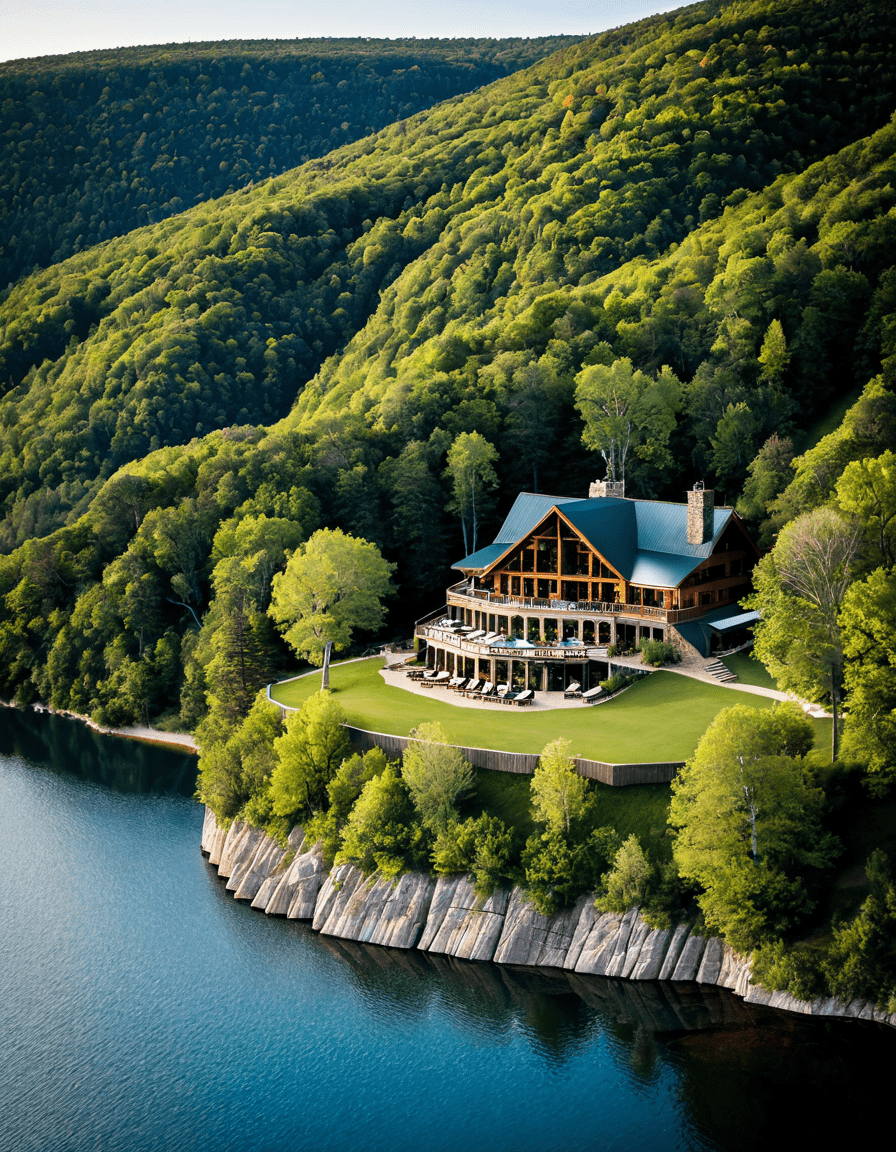
Did you know that The Lodge, a chilling psychological horror film, was shot in a real-life lodge? The filmmakers used a remote location that adds authenticity to the movie’s eerie atmosphere, much like the sense of isolation one might feel while hiking in Blandair Park. The local weather also played a critical role in the filming process, echoing the changing moods present throughout the story. As the production crew endured unpredictable conditions, they were reminded of the area’s Ridgecrest weather, which is notorious for producing dramatic shifts, just like the film’s plot twists.
Inspiration for Isolation
Interestingly enough, the story behind The Lodge Was partly influenced by the works of a notable director who previously tackled themes of personal and family crisis, such as in The Affair. Viewers can see how such storytelling elements intensify the fear of isolation portrayed in the film. Not only does this create a more immersive experience, but it also connects emotionally with audiences who find themselves navigating similar life challenges.
Casting Choices
The casting for The Lodge Involved both emerging talent and seasoned actors, achieving a blend that mirrors the dynamic seen in other evocative narratives, like Young Guns. The mix mirrors the film’s themes of vulnerability and dependence against a backdrop of chilling suspense. Moreover, the film’s stylistic choices are instrumental in building dread, akin to what you’d find in the pages of Epoch, where every detail counts in crafting an unsettling experience. If you’re curious about how these films tie together in contemporary cinema, check out insights from critics, like those on Rachel Maddow, who delve deep into film analysis.
Final Thoughts
In conclusion, The Lodge Isn’t just a horror film; it’s an exploration of psychological unraveling heightened by every element woven into its production. Each aspect, from location to casting, invites viewers on a thrilling journey. As the story unfolds, audiences find themselves holding their breath, wondering how isolation can drive people to the edge. So, if you’re intrigued by the intricacies of filmmaking or just love a good scare, you might want to see how chilling isolation can be at The Joint Of horror and human emotion. Plus, keep in mind if you’re ever in a tight spot financially, you might want to look into how to Defer mortgage payment; it could save your sanity!
This article was produced with AI assistance. How Loaded Video uses AI.
Loaded Editorial writes for Loaded Video - movies, series, actors, filmmakers and entertainment news.