

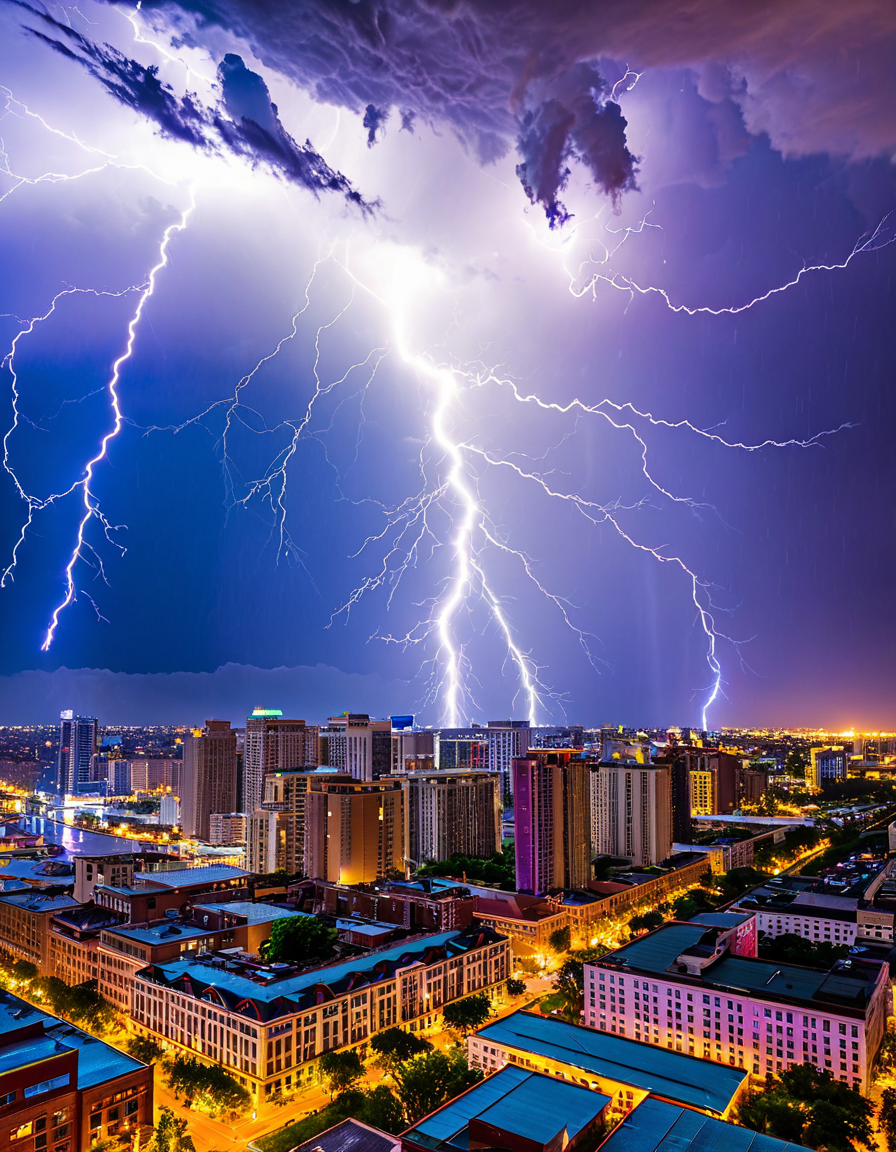
Thunder has captivated humanity for centuries, weaving its way into folklore, religious texts, and scientific inquiry. This powerful auditory phenomenon, caused by the rapid expansion of heated air during a lightning strike, inspires a blend of fear and awe that resonates deeply across cultures. With advancements in technology, our understanding of thunder has evolved while its cultural significance remains robust. Let’s dive into the fascinating world of thunder, exploring its historical significance, scientific explanations, and the diverse impact it has on our lives.
Top 7 Incredible Facts About Thunder: Nature’s Amazing Symphony
The sound of thunder can reach volumes of up to 120 decibels, comparable to a loud rock concert. This immense sound wave spreads outward at about 1,100 feet per second, making it an unmistakable herald of a storm. Such tremendous noise isn’t just for show; it can cause structural damage, reminding us that nature’s orchestra is as formidable as it is beautiful.
Many ancient civilizations attributed thunder to the actions of powerful deities. In Greek mythology, Zeus wielded thunder as a weapon, while the Norse god Thor famously created thunder and lightning with his hammer, Mjölnir. These powerful figures represent humanity’s attempt to gain control over a phenomenon that incites both reverence and terror.
While the origins of thunder were once cloaked in mystery, modern meteorology explains it through the physics of thermodynamics. The rapid expansion of air from the heat of a lightning bolt creates shock waves, producing the rumbling sound we associate with thunderstorms. This scientific advancement has led to improved prediction models, helping communities stay informed about severe weather events.
Climate change is reshaping our understanding of thunderstorms. Scientists have noted that as the atmosphere warms, thunderstorms may become more intense and frequent. This could lead to stronger thunder, increasing the risk of natural disasters and affecting agricultural systems across the globe.
For many, the sound of thunder can evoke a wide range of emotions, from exhilaration to fear. According to psychological studies, the unpredictability of thunder can trigger anxiety and phobias in individuals, such as astraphobia. This common fear, characterized by a persistent dread of thunder and lightning, shows how nature’s fury can unsettle the human mind.
Advances in lightning detection technology have completely transformed our understanding of thunderstorms. Devices like the Earth Networks Total Lightning Network not only track lightning strikes but also provide real-time data about thunder, enhancing public safety measures. These innovations help communities prepare better for severe weather conditions.
Throughout history, thunder has sparked the creativity of numerous artists and musicians. Iconic composers like Beethoven incorporated thunderous motifs into their symphonies, particularly seen in the “Pastoral Symphony,” which captures nature’s power and beauty. Modern artists also utilize thunder as a metaphor for conflict and resolution, reflecting its complex nature in human experience.

Thunder’s Role in Environmental and Cultural Discourse
Thunder serves not just as a meteorological occurrence; it symbolizes the intricacies of nature and the human psyche. Nature’s unpredictable tempests, represented by thunder, remind us of our fragile existence in a world where we often feel powerless. Environmental campaigns emphasize respecting and preserving the tumultuous systems governing our planet, urging a cooperative relationship rather than one of dominance.
In literature, thunder continually serves as a powerful motif of impending change or emotional turmoil. Writers like Walt Whitman highlight thunder in the context of nature’s ongoing struggle with human civilization-a dialogue about harmony and discord. Take, for instance, how Whitman’s organic imagery relates to the raw essence of thunder, creating a sense of urgency in addressing ecological concerns.
As we forge ahead into a future marked by climate uncertainty, the reverberations of thunder may serve as a rallying cry. They remind us of the necessity of comprehending nature’s symphony-and its dissonance-to secure a sustainable future. Understanding thunder transcends scientific inquiry; it challenges us to engage thoughtfully with our environment, harmonizing modern advancements with nature’s indomitable spirit.
Final Thoughts on Thunder’s Impact
In the cacophony of life, thunder stands out as a sound deeply etched into human history. It elicits both fear and wonder, blending cultural narratives with scientific insight. As thunder continues to dominate our stormy skies, it compels filmmakers, writers, and visual artists to explore its psychological and symbolic depths. Whether it’s the dramatic elements in movies like the recent Indiana Jones Movies Or powerful performances by actors such as Faye Dunaway, thunder finds a place in storytelling that resonates with our collective experience.
As we draw inspiration from these magnificent displays of nature, let’s also remember the lessons they teach us about respect and coexistence. Embracing thunder, with all its electrifying power, may just help us find our place within the larger tapestry of existence. After all, just like the artistry represented in Do The Right Thing Or the friendship dynamics explored in shows like the Better Call saul cast, thunder reminds us of the beauty and chaos inherent in life.
So, next time thunder rumbles overhead, take a moment to appreciate this remarkable phenomenon. Whether you’re cozying up inside with a good film, tying on your favorite Denim Boots, or sharing stories around the table at Fishs Eddy, let that booming sound be a reminder of nature’s power and our place within it. And who knows? Maybe you’ll find inspiration in the storm to create something beautiful of your own, just like many artists have done throughout the ages.
Thunder: Nature’s Roaring Symphony
The Dynamics of Thunder
Thunder-what a force of nature! Did you know that thunder is actually the sound that follows a lightning strike? When lightning zips through the air, it heats it up to around 30,000 degrees Fahrenheit almost instantly. This rapid heating causes the air to expand explosively, producing that iconic rumble. Think about it: next time you hear thunder rolling in, you’ll appreciate how it’s like the sky’s very own sound system, cranking up the volume just for us. And speaking of sound, did you know that artists like Romeo Santos Can create a whole new vibe with their music just like thunder creates atmosphere during a storm?
Thunder and Culture
Thunder has sparked the imagination of many cultures. In ancient Greece, it was thought to be the voice of Zeus, the king of the gods. Fast forward to modern times, and the electrifying sound still stirs up fear and awe. Interestingly, characters in popular culture, like Glenn Rhee From ‘The Walking Dead’, face thunderous storms on their adventurous journeys. It’s fascinating how this natural phenomenon has inspired stories and myths throughout history!
Captivating Thunder Facts
Now, here’s a fun tidbit: the lightning that accompanies thunder strikes about 100 times every second globally! And despite the common image of dark storm clouds, some thunderstorms can occur in clear skies. Sounds bizarre, right? Also, while we’ve got fancy tech like Rizz ai Helping with dating advice, nature’s own thunder reminds us that sometimes, chaotic forces can lead to new beginnings, just like love can strike when you least expect it. So, don’t forget to take a moment to appreciate this stunning display next time you hear that booming sound echoing through the skies!
This article was produced with AI assistance. How Loaded Video uses AI.
Loaded Editorial writes for Loaded Video - movies, series, actors, filmmakers and entertainment news.