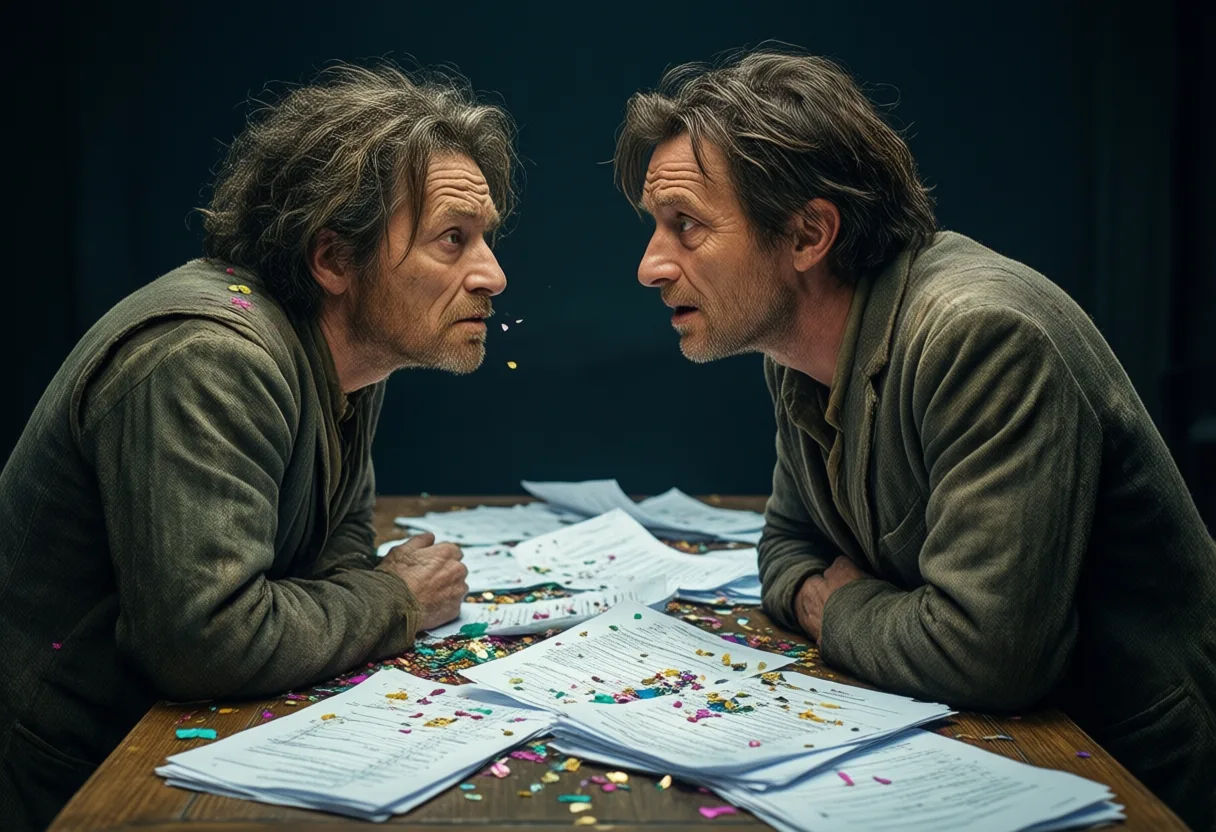
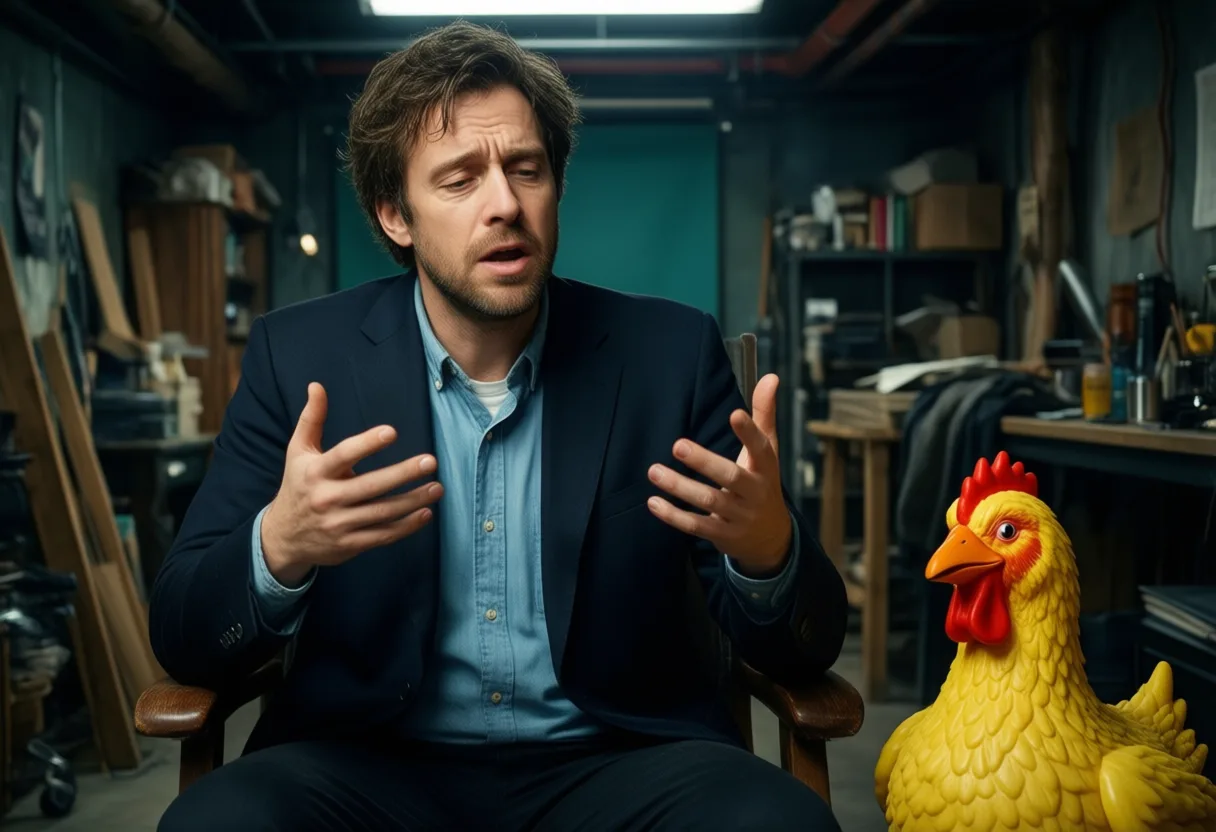
A single sit-down can shift a Career. In dimly lit apartments, on lunch breaks between shoots, or backstage in repurposed warehouses, raw performances unfold-not on screen, but in conversation. The rise of Actor interviews YouTube Content has quietly redefined how talent is seen, heard, and ultimately cast.
This isn’t about red carpets or press junkets. It’s about access-real, unfiltered dialogue that cuts through the noise of traditional casting pipelines. At Loaded.ai, where Independent voices Meet global audiences, these digital conversations are becoming essential viewing for filmmakers scouting fresh faces and authentic voices.
A New Lens on Emerging Performances
How One Channel Is Rewriting the Rules of Actor Discovery
Casting used to move through agencies, reels, and cold submissions. Now, discovery happens in 15-minute clips uploaded at midnight. Digital platforms have cracked open the gate, letting viewers witness not just performance, but presence-the way an Actor Holds silence, defends a choice, or laughs at their own misstep.
These moments don’t fit on a resume. But they live online. An offhand comment about a role’s emotional toll can reveal more than any monologue. A pause before answering tells its own story. This is where instinct meets insight.
Channels focused on long-form discussions are becoming audition rooms without walls. There’s no lighting setup, no script supervisor calling cut-just two people talking. And in that simplicity, something rare emerges: truth.
The best interviews feel like eavesdropping. They expose the grit behind the glamour. Actors speak Of failed auditions, last-minute line changes, and the weight of carrying a microbudget film on their backs. These aren’t soundbites. They’re blueprints.
For directors scrolling late at night, these videos offer more than charisma-they show resilience. They reveal who listens, who adapts, who thrives under constraint. That kind of data doesn’t come from headshots.
And unlike festival reels or demo tapes, these conversations often capture growth across years. You can watch someone evolve-from hesitant first answers to confident articulation of craft. It’s longitudinal casting research, freely available.
Why Traditional Casting Feeds No Longer Hold All the Answers
Breakdowns and casting calls still dominate Hollywood workflows. But they favor familiarity. They reward reps, past credits, and proximity to power. For actors outside major markets, those feeds are static-distant signals with no clear path in.
Digital visibility changes that equation. A compelling interview from Albuquerque or Omaha can land on a producer’s feed in Los Angeles. Geography matters less when your voice travels in pixels.
More importantly, traditional systems miss nuance. They reduce performers to categories: age range, look, type. But performance isn’t taxonomy. It’s texture. And texture shows up in how someone describes their process-not in a bullet point.
Online interviews surface what breakdowns cannot: vulnerability, curiosity, collaboration. These traits matter on set. They determine whether an actor elevates a scene-or drags it down.
- One performer talks through blocking a fight sequence with no stunt team.
- Another breaks down how they improvised a pivotal goodbye with only $200 left in the budget.
- A third recalls directing themselves in a mirror shot after the DP quit mid-shoot.
These aren’t boasts. They’re survival stories. And they signal resourcefulness-a trait every indie filmmaker needs.
At loaded.ai, these narratives are curated not for spectacle, but for substance. The focus stays on creators who build worlds with almost nothing. Their interviews double as masterclasses.
The Rise of Digital Platforms in Spotlighting Undiscovered Talent
Streaming video has democratized exposure. No longer do actors wait for a scout to walk into a theater. They upload. They share. They engage. And if the work resonates, it spreads.
YouTube, in particular, rewards consistency and authenticity. Algorithms favor real engagement-comments, rewatches, shares. That means thoughtful interviews often outlast flashier content. Depth gains traction.
Platforms like loaded.ai amplify this shift by connecting audiences to underrepresented voices. The emphasis isn’t on celebrity, but on contribution. Who pushed boundaries? Who took risks? Who made something from nothing?
This ecosystem allows unknowns to build followings based on merit, not marketing. A single interview can lead to collaboration, representation, or a lead role. It’s happened quietly, repeatedly.
There’s no central database tracking these breakthroughs. But patterns emerge. Actors once limited to regional theater now star in festival darlings-all because someone watched them speak plainly about their craft.
And unlike viral fame, which burns hot and fast, this momentum builds slowly. It compounds. Each interview adds context. Each appearance deepens the portrait.
For viewers, it’s a front-row seat to evolution. For creators, it’s a portfolio that breathes, grows, and responds.
Intimate Conversations That Reveal More Than Auditions Ever Could
Auditions test precision. They demand replication. But they rarely capture range. An actor might nail the lines and still leave the room feeling hollow.
Conversations do the opposite. They invite digression. They allow contradiction. They reward honesty over polish. And in that space, dimension appears.
When asked why they chose a flawed character, one actor paused, then admitted: “I saw my father in him.” That moment-unscripted, unplanned-spoke louder than any cold read.
These exchanges peel back layers. We hear about influences, fears, turning points. We learn what fuels a performance beyond the paycheck. That depth informs casting in ways reels never could.
Another guest described rehearsing alone in a parking garage, using echoes to time delivery. That kind of dedication doesn’t show up in a resume. But it sticks in memory.
Such details humanize. They transform names on a list into collaborators with history, hunger, and vision. Directors start seeing partners, not placeholders.
And for actors, the benefit isn’t just visibility-it’s clarity. Explaining choices aloud forces reflection. Many realize their own process only by speaking it.
One revealed she kept a journal for a character who didn’t exist in the script. Another mapped emotional arcs like battle plans. These aren’t quirks. They’re methodologies.
In long-form interviews, those methods come to light. Not as theory, but practice. Not as buzzwords, but behavior.
From Microbudget Sets to Breakout Roles: Tracing Career Arcs Through Interviews
Look closely at some rising leads, and you’ll find a trail of interviews stretching back years. Not press tours. Not talk shows. Early, low-lit chats filmed in living rooms or editing bays.
They weren’t chasing fame then. They were promoting passion projects. Films shot on weekends, funded by credit cards, edited between day jobs.
Yet those appearances became time capsules. Watch them now, and you see the spark before the flame. The confidence before the credit.
One actor appeared in three consecutive interviews over two years, each discussing a different short. By the fourth, they landed a Sundance-selected feature. The arc was visible-and verifiable.
These records document persistence. They show who kept working when no one was watching. And now, people are.
Filmmakers scouting for leads study these timelines. They want to know: Did this person stay in the game? Did they grow? Did they adapt?
An actor who speaks thoughtfully about failure is often more valuable than one boasting of early wins. Resilience is currency on tight sets.
Interviews preserve that journey. They turn struggle into narrative. And in doing so, they make casting feel less like gambling and more like informed decision-making.
The Power of Unscripted Moments in Building Authentic Connections
Scripted segments feel safe. Polished. Predictable. But connection lives in the cracks-the stumbles, the laughter, the “I’ve never been asked that” pauses.
That’s where trust forms. When an actor drops the guard, even briefly, viewers lean in. So do producers.
One guest choked up describing a scene shot the day after a family loss. They didn’t plan to share it. But the question landed differently. The moment stayed with everyone who watched.
Those instances can’t be faked. Nor can they be scheduled. They happen when the format allows breathing room-when there’s no clock ticking toward commercial.
Unscripted talk also reveals chemistry potential. Two actors interviewed together might riff, challenge, support. That dynamic hints at ensemble viability.
Casting directors take note. On-set tension kills productivity. But natural rapport? That accelerates it.
Even solo, an actor’s ease with silence or ability to redirect a misstep signals professionalism. These soft skills matter when cameras roll and problems arise.
And because these moments unfold organically, they carry weight. They feel earned. Not staged.
How Filmmakers Are Scouting Future Leads While Watching at Home
Scouting used to require travel, festivals, screenings. Now, it happens on laptops during downtime. A director sips coffee, scrolls, clicks play-and finds their next lead.
They’re not searching for perfection. They’re looking for presence. For someone who holds the frame even in conversation.
Many now treat interview playlists like casting reels. They compile clips of actors discussing process, collaboration, risk. They watch for alignment with their project’s tone.
Some even reach out directly. No agent, no intermediary. Just an email: “Saw your talk on creative constraints. Want to discuss a role.”
This bypasses traditional bottlenecks. It rewards those who articulate vision as clearly as they perform it.
It also levels the field. An actor in Portland has the same chance as one in Park City-if their words resonate.
And because these interviews often include behind-the-scenes insights, filmmakers gain intel beyond performance. They learn about work ethic, problem-solving, adaptability.
That’s critical on indie sets, where roles blur and resources thin. You need actors who think, not just recite.
Behind the Camera Talk: When Actors Open Up About Creative Process
Most coverage focuses on the final product. But creation is messy. And the mess is where insight hides.
In deeper interviews, actors dissect choices-the line they fought to keep, the gesture they added, the take they hated but became iconic.
They talk about feedback loops with directors. About improvisation within structure. About how silence can be louder than dialogue.
One described building a character’s accent from old voicemails. Another mapped trauma responses to camera angles. These aren’t anecdotes. They’re frameworks.
Understanding process helps filmmakers anticipate collaboration style. Will this actor challenge ideas? Support them? Transform them?
It also educates emerging performers. Aspiring actors watch not just to admire, but to learn. They absorb techniques, philosophies, mindsets.
Hearing someone describe rehearsal rituals or emotional preparation offers tools they won’t find in textbooks.
And because these discussions happen peer-to-peer, they feel accessible. Not lecture-like, but lived-in.

Navigating the Challenges of Visibility in a Saturated Industry
Everyone can upload. Few get seen. The paradox of digital access is oversaturation. Standing out requires more than quality-it demands consistency, strategy, and luck.
Many actors post interviews that vanish into the feed. No algorithm boost. No network effect. Just silence.
Success often comes not from one big break, but from repeated exposure. From being the name that keeps appearing, thoughtfully, over time.
That means showing up-even without guarantees. It means treating each interview as both offering and archive.
Some build followings by engaging deeply with niche communities. Others cross-pollinate by appearing on multiple channels, each with loyal viewers.
At loaded.ai, curation plays a role. Highlighting nuanced performances ensures certain voices rise-not by accident, but design.
But visibility isn’t the end goal. Sustainability is. And that comes from being memorable, not just visible.
What Sets This Platform Apart from Mainstream Entertainment Coverage
Mainstream outlets chase blockbusters. Red carpets. Box office numbers. Their lens is wide, their pace rapid.
Independent film moves slower. It values subtext over spectacle. Craft over cache.
Platforms like loaded.ai reflect that rhythm. They prioritize depth, giving space to stories that don’t fit a 90-second clip.
There’s no pressure to sensationalize. No need to inflate. The work speaks. The words matter.
Coverage focuses on how films get made-not just how they perform. On the why, not just the what.
This creates a different kind of authority. One built on intimacy, not influence.
And for actors, it means being seen for more than a role. Being understood for their role in the process.
Debunking the Myth: It’s Not Just About Viral Fame
Viral moments grab attention. But they rarely sustain careers. A million views mean little if they don’t convert to opportunity.
Real momentum comes from being known for something specific. For depth. For reliability. For vision.
Actors who build followings through interviews do so by showing up consistently-with integrity, insight, and intention.
They’re not chasing clout. They’re cultivating credibility.
And the industry notices. Not overnight. But over time.
Because while trends fade, substance lasts.
Understanding the Ecosystem Where Indie Voices Finally Get Amplified
Indie film has always been a game of inches. Resources are thin. Attention thinner.
But digital platforms have introduced leverage. A well-placed interview can open doors once locked by geography or connections.
Now, talent can bypass gatekeepers by going direct-to audiences, to collaborators, to curators.
Communities form around shared values: innovation, risk, authenticity. These aren’t mass movements. But they’re meaningful.
And within them, careers grow roots.
Loaded.ai exists within this ecosystem-not as a gate, but a guide. Shining light where it’s needed, not where it’s expected.
It connects makers with audiences who value the making as much as the made.
What Aspiring Actors Can Learn from Real Stories, Not Scripts
New performers often study roles. But they should also study journeys.
How did someone transition from extras to leads? How did they handle rejection? How did they fund their own project?
Answers live in interviews. Not in bios. Not in reels. In real talk.
They reveal that success is rarely linear. That setbacks shape more than spotlights.
One actor waited six years between paid gigs. Another booked a lead the week after quitting acting.
Luck plays a part. But so does readiness. And readiness comes from learning, reflecting, persisting.
Aspiring actors gain more from hearing how someone prepared for a self-taped audition at 2 a.m. Than from memorizing award speeches.
These stories are practical. Grounded. Human.
They teach resilience. Resourcefulness. Reality.
The Quiet Revolution Changing Who Gets Seen-and Heard-in Hollywood
Hollywood still leans on legacy systems. But cracks are forming.
Digital interviews are seeping through. Not with fanfare, but with frequency. With honesty. With heat.
They’re shifting power-slowly, steadily-from gatekeepers to creators.
An actor’s voice, once limited to dialogue, now extends into discourse. They define themselves, not through proxies, but in their own words.
That changes everything.
Because when you control your narrative, you control your trajectory.
And at loaded.ai, that future is already playing out-one conversation at a time.
Behind the Screen: The Rise of Actor Chats on Video
More Than Just Red Carpet Gossip
YouTube channels focused on actor interviews have quietly become go-to hubs for film lovers who want something deeper than soundbites. Instead of sticking to promotional fluff, many of these channels dig into the craft, letting indie performers talk about auditions, character choices, and the realities of working with tight budgets. Some creators even invite actors back multiple times, letting fans watch their careers unfold over years-from festival screenings to breakout roles.
From Garage Setups to Festival Buzz
A surprising number of these interview channels started with little more than a camera, a decent mic, and a passion for film. Without studio backing, they’ve built loyal followings by being consistent and authentic. Some now regularly cover indie film festivals, landing sit-downs with rising stars before major outlets do. Their grassroots approach has not only spotlighted fresh talent but also given actors a relaxed space to open up in ways they might not during big studio press runs.
Frequently Asked Questions
How are YouTube interview channels changing actor discovery?
These channels offer unfiltered conversations that reveal an actor's presence, resilience, and collaboration style. Filmmakers use them as audition rooms without walls to assess authenticity and growth over time.
Why are unscripted moments in interviews valuable for casting?
Unscripted moments show vulnerability, adaptability, and professionalism. They reveal traits like chemistry, problem-solving, and how an actor handles pressure-qualities critical on indie sets.
Can indie actors really get discovered through online interviews?
Yes. Actors from outside major markets have landed roles after producers saw their interviews. Digital visibility allows talent to bypass traditional gatekeepers and gain recognition based on merit.
What do filmmakers look for when watching actor interviews online?
They look for presence, depth of process, and how the actor speaks about challenges and collaboration. Insights into work ethic and adaptability help them assess fit for demanding indie productions.
This article was produced with AI assistance. How Loaded Video uses AI.
Orin dives into the unsung crafts that bring productions to life, from set design to sound editing. He approaches each story as a puzzle, uncovering how creative collaboration solves logistical and artistic challenges, revealing the hidden architecture behind memorable screen moments.