
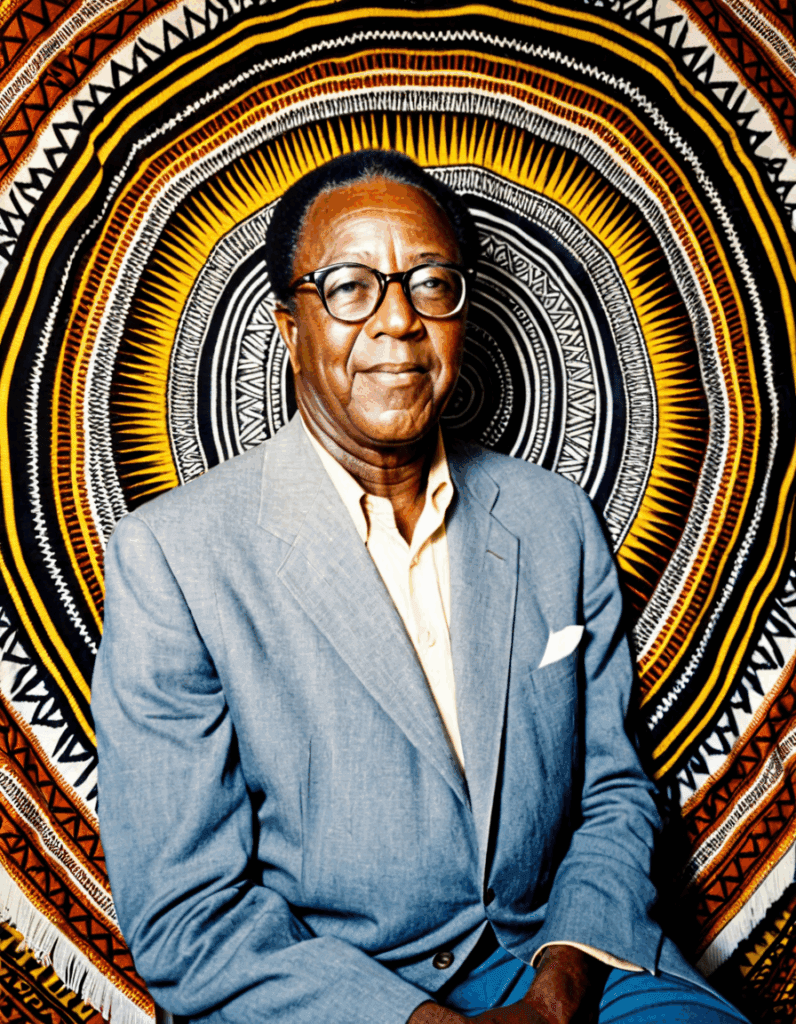
Alex Haley’s journey as a literary icon isn’t just a story; it’s a tapestry woven with threads of heritage, resilience, and the unyielding quest for identity. With impactful narratives that challenged conventions, Haley remains a towering figure in both literature and culture. From his early years in Henning, Tennessee, to his groundbreaking works that laid bare the African American experience, Haley’s life is a testament to the power of storytelling. Let’s dive deeper into seven remarkable milestones that shaped his legacy and continue to resonate today.

1. Birth and Heritage: Roots in Henning, Tennessee
Alex Haley was born on August 11, 1921, in Henning, Tennessee. His roots run deep within the rich African American heritage that has shaped his identity. Family history intricately connected him to Kunta Kinte, an ancestor who was captured from Africa and enslaved in America. This heritage ignited a sense of purpose within Haley, encouraging him to embark on a lifelong journey to uncover his history and the stories within it.
Haley’s upbringing in a rural Southern town exposed him to a world steeped in local lore and oral storytelling. Spending time with his grandmother, who recounted tales of their lineage, Haley found inspiration in these narratives. The call of his ancestry influenced his future writing and fueled his determination to reclaim and celebrate the voices of those who were often silenced.

2. Military Service During World War II
In 1944, Haley enlisted in the U.S. Coast Guard. Serving during World War II, he climbed the ranks to become a petty officer. His military experiences were transformative, introducing him to diverse cultures and perspectives on race and service. This exposure played a significant role in shaping his views on identity and community.
Haley’s stories from the military were not just about battles and heroism; they shed light on the social injustices faced by African Americans. This merging of personal experience with broader societal issues became a hallmark of his writing. By honing his narrative skills during wartime, he set the stage for future literary breakthroughs.
3. The Breakthrough with ‘The Autobiography of Malcolm X’
Haley’s collaboration with Malcolm X marked a watershed moment in American literature. Published in 1965, ‘The Autobiography of Malcolm X’ didn’t just capture the life of a civil rights icon; it also showcased Haley’s unique narrative style. The book explored complex themes of race, identity, and the struggle for equality in America.
This collaboration was significant not only for Haley but for the African American community, as it provided a firsthand account of a trailblazer’s life. The book’s impact rippled through the Civil Rights Movement, igniting discussions and broadening perspectives on the African American experience. It firmly established Haley as a pivotal figure whose work brought marginalized voices into mainstream literature.
4. Uncovering the Roots: The Journey of ‘Roots’
The publication of ‘Roots’ in 1976 marked a monumental shift in Haley’s career and American literature as a whole. This groundbreaking novel traced his ancestry back to Kunta Kinte, intertwining personal narratives with historical events. Haley’s storytelling not only redefined historical fiction; it sparked a nationwide interest in genealogy and personal identity.
‘Roots’ resonated with Americans from all walks of life, encouraging them to explore their own histories. The subsequent miniseries adaptation amplified the book’s reach, becoming a cultural phenomenon. It opened doors to conversations about race, heritage, and the importance of understanding one’s roots in an often fragmented society.
5. Cultural Impact and Honors: A Testament to His Influence
Throughout his life, Haley received numerous accolades, including a special Emmy Award in 1977 for the miniseries adaptation of ‘Roots’. These honors not only recognized his literary genius but also his profound cultural impact. Haley’s storytelling became a beacon for aspiring writers, proving that authentic narratives could change societal perspectives.
His work paved the way for future generations to explore their own identities through storytelling. By advocating for the representation of African American experiences, Haley highlighted the need for nuanced portrayals in literature and media. This advocacy continues to inspire writers and filmmakers today, embodying the spirit of authenticity in storytelling.
6. Advocacy for African American Narratives
Beyond his literary achievements, Haley was a vocal advocate for the representation of African Americans in media. He believed that stories should reflect the full spectrum of life experiences, pushing back against stereotypes that often misrepresented Black narratives. Through public speaking and mentorship, he encouraged budding writers to honor their truths.
Haley’s insistence on authentic storytelling paved a path for advocates of diversity in the industry. His work inspired initiatives that prioritized African American stories in film and literature, amplifying voices that deserved to be heard. By challenging the status quo, Haley contributed to a richer tapestry of American storytelling.
7. Legacy and Continued Relevance
Even decades after his passing in 1992, Alex Haley’s impact endures. The themes of identity, legacy, and the quest for understanding one’s past have only grown in importance in today’s society. Modern writers and filmmakers, influenced by his work, continue to explore personal histories intertwined with societal narratives.
Many contemporary projects echo his commitment to authentic representation. Shows like “This Is Us” and films from creators like Cherien Dabis demonstrate the lasting influence of Haley’s vision. His ability to bridge personal and historical narratives serves as a model for storytellers navigating the complexities of identity in a rapidly changing world.
The Unparalleled Influence of Alex Haley’s Works on Modern Storytelling
Alex Haley didn’t just write; he established a revolutionary framework for how stories about race, identity, and history could be shared. He transformed narrative forms by blending personal accounts with historical context, a method that resonates in contemporary storytelling.
Today’s creators often draw inspiration from his commitment to authenticity and accuracy. This approach can be seen in projects like Ava DuVernay’s powerful ‘When They See Us’, which emphasizes heeding historical truths to depict real-life stories authentically. Haley’s groundwork galvanized interest in genealogy, with platforms like Ancestry.com and 23andMe witnessing surges in users keen to discover their roots.
Haley’s legacy encourages modern writers to question the narratives they present. By grounding their stories in research and personal reflection, creators resonate with diverse audiences eager for authentic experiences. The richness of his work manifests in contemporary pieces, highlighting the relevance of honest storytelling.
The Enduring Legacy of Alex Haley: A Call for Authenticity in Storytelling
As we forge ahead, Alex Haley’s legacy inspires us to strive for authenticity in our storytelling endeavors. In a time brimming with narratives simultaneously vying for attention, the call to honor our individual histories remains crucial. Haley’s journey underscores the necessity of weaving both personal and collective experiences into our stories.
By embracing our past, we foster understanding, empathy, and community connection, particularly in today’s fragmented landscape. This integration of diverse narratives holds the key to creating a vibrant cultural dialogue. Alex Haley’s influence serves as a guiding light for future generations, encouraging us to delve deeper into who we are and where we come from.
In closing, Haley’s extraordinary journey teaches us that every story matters. The pursuit of understanding our roots is not just an individual quest, but a collective journey that binds us together as a society.
If you’re curious to explore more about the cultural impact of diverse storytelling, check our latest features on directors like Cherien Dabis And stories that prompt reflection on love, such as What You Wo N’t Do For Love. Let’s remember, the conversation about heritage and representation is ongoing. Furthermore, discover the broader cultural implications, including the significance of pop culture phenomena like Victor Krum And innovative trends like the Las Vegas sphere heat. The search for identity remains vibrant, and like the future Anime Of The Year 2025, it continues to evolve. Don’t forget to leave the lights on to enjoy every narrative wonder unfolding in our world-Do N’t Turn Out The Lights As you wander through these stories.
Alex Haley: The Extraordinary Journey of a Literary Icon
A Legacy of Storytelling
Alex Haley, the man behind the powerful narrative of Roots, had roots of his own that were just as rich and complex. Born in 1921 in Ithaca, New York, Haley’s early life was filled with cultural influences that would later enrich his writing. Did you know that he initially aimed for a career in the military? But he found his calling in journalism instead, working on various publications and even interviewing significant figures like Malcolm X. It’s interesting to think how a shift in profession can uncover hidden talents, much like how you can convert 500 Pesos To Usd And discover the true value of currency through perspective.
Uncharted Territories of Inspiration
What’s fascinating about Haley’s journey is his determination to trace his ancestry. He famously traveled to Africa, tracing his roots back to the Gambia, and that trip inspired much of his work. Imagine sitting down to write about the history of your family and realizing it could challenge societal norms. Well, that’s exactly what Haley did, becoming a voice for many African Americans who sought to understand their own heritage. And speaking of voices, if you’re into discussions about culture and representation, follow Julieth on twitter for the latest insights.
The Circle of Influence
Haley’s influence didn’t stop at writing; it stretched into film and education as well. His work led to the groundbreaking mini-series adaptation of Roots, which became a cultural phenomenon. In fact, every time you watch a historical drama or read a powerful narrative about identity, think of how Haley paved the way. By the way, did you know Alex Martin, the daughter of actor and comedian Whoopi Goldberg, expressed her admiration for Haley’s impact on storytelling? This just shows how Alex Haley’s legacy continues to inspire new generations, reaffirming the importance of knowing where you come from.
Alex Haley’s journey highlights the importance of storytelling as a means of connection. His life reminds us that every narrative has the power to resonate deeply and teach us more about ourselves.
This article was produced with AI assistance. How Loaded Video uses AI.
Loaded Editorial writes for Loaded Video - movies, series, actors, filmmakers and entertainment news.