Anarchy often brings to mind images of chaos, but it stands much deeper than mere disorder. In contemporary culture, Anarchy Represents a profound challenge to authority, exploring themes of freedom that resonate across myriad forms of expression-from literature and music to film and visual art. This article dives into the philosophical roots of anarchy, brushing off outdated perceptions and uncovering its evolving identity. By examining the rebellious spirit found in the lives of cultural icons and their work, we celebrate a creative push against societal norms.
1. The Concept of Anarchy in Contemporary Culture
Anarchy’s philosophical roots can be traced back to thinkers like Pierre-Joseph Proudhon, who famously claimed that “property is theft.” This radical notion challenges the traditional ideas of ownership and authority, questioning the legitimacy of hierarchical structures. Fast forward to the present, and we find Emma Goldman, who championed individual liberty and personal responsibility, bringing a human perspective to anarchistic ideals. Through anarchic movements, contemporary culture is reshaped by art and media that reflect distrust toward authority and highlight the beauty of self-governed communities.
Anarchy’s voice can be loud and unapologetic. Punk music Of the late 20th century, led by bands like the Sex Pistols, defined an era of rebellion with their iconic anthem, “Anarchy in the UK.” This song’s raw energy challenged the status quo, pushing listeners to question what they accept as normal. However, the impact of anarchy is not limited to music alone. Artists like Banksy Utilize street art to communicate a powerful message that resonates with contemporary discontent. He constructs visual narratives that confront commercialism and social injustices, delivering a chaotic beauty that stirs conversation about authority.
In today’s cinematic landscape, anarchy emerges as a transformative force. Films such as “V for Vendetta” And “Fight Club” Lay bare the struggles of individuals against oppressive cultural and political structures. These films don’t just showcase chaos; they unveil the human desire for freedom while questioning the very nature of society itself. By engaging with these narratives, audiences find not only entertainment but an opportunity for reflection on their own lives.
2. Top 7 Cultural Icons Embracing Anarchy
Anarchy oozes from the creativity of many cultural icons who challenge authority in their unique ways. Below, we spotlight seven influential figures whose work and lifestyles embrace anarchistic principles, showcasing the profound impact of chaos and freedom.
2.1. Banksy – Art Without Boundaries
Banksy stands as a titan in the art world, employing anonymity as a rebellion against societal expectations. His pieces like “Girl with Balloon” and the dystopian spectacle “Dismaland” confront issues like consumerism and political power. Unfettered by traditional art world constraints, Banksy’s work pushes boundaries, proving that art can be a potent medium for social critique.
2.2. Melissa McCarthy – Comedy as Protest
Melissa McCarthy Uses her platform to inject humor into serious matters, proving laughter can be a formidable force against oppression. Her remarkable performance in “Can You Ever Forgive Me?” Showcases the fascinating story of real-life figure Lee Israel, who turned deception into artistry. McCarthy directly confronts stereotypes in her roles, encouraging audiences to rethink traditional narratives within comedy.
2.3. David Graeber – Activism and Anthropology
David Graeber Merges the worlds of activism and anthropology this way: his seminal work, “Debt: The First 5,000 Years,” scrutinizes capitalism and the nature of social debt. By intertwining academic inquiry with activism, Graeber lays bare how oppressive systems shape our lives. His insights resonate within modern anarchistic movements, feeding into the ongoing debate about economic structures and alternatives to authority.
2.4. Jaden Smith – Breaking Norms in Fashion and Identity
The essence of freedom radiates from Jaden Smith, who proudly defies gender norms and corporate fashion through initiatives like MSFTSrep. By embracing individuality and self-expression, Smith challenges authority not just in fashion but in cultural identity. His influence inspires a generation to rethink conformity and tradition, encouraging young people to celebrate their uniqueness.
2.5. Greta Thunberg – Environmental Anarchy
In the realm of environmental activism, Greta Thunberg Stands as a fierce voice against complacent governments. Through her school strike for climate initiative, she illustrates civil disobedience at its best, urging young people to take action and demand change. Thunberg challenges authority on a global scale, demonstrating how youth can shape the future and disrupt established practices for the greater good.
2.6. The Anonymous Collective – Cyber Anarchy
The Anonymous Collective Represents a new frontier of anarchistic rebellion through cyber warfare. This decentralized group engages in high-profile operations against institutions like the Church of Scientology and various government entities. By utilizing the internet as a tool for resistance, their actions highlight how anonymity can empower individuals in the battle against authority, illustrating a new form of digital chaos.
2.7. Lena Waithe – Storytelling as Liberation
Lena Waithe Weaves activism into her storytelling, creating spaces where marginalized voices can shine. Through her impactful series “The Chi,” she reconstructs narratives around race, sexuality, and identity. Waithe’s work embodies the liberative potential of anarchy, pushing against conventional storytelling to foster understanding and empathy.
3. Artistic Expressions of Anarchy in Film and Beyond
The cinematic realm serves as a fertile ground for anarchistic ideals, vividly illustrating rebellion against authority. Films like “Fight Club” And “V for Vendetta” Mirror the tumult faced by individuals in oppressive societies. They capture the essence of chaos-an emotional, raw portrayal of characters seeking freedom yet grappling with internal and external conflicts.
With the rise of independent filmmakers, new narratives emerge, challenging traditional tenets of filmmaking. Directors such as Adam Wingard Leverage genre conventions to comment on societal structures while exploring chaos and order. Wingard’s work on films like “Godzilla vs. Kong” Reimagines the battle between these two forces, embodying the struggle against authority through thrilling sequences.
Artistry goes beyond the screen; it permeates all forms of expression, from music to visual arts. Artists channel anarchy through graffiti, punk rock, and avant-garde performances, creating a language that captures the complexity of rebellion. Each medium forms a compelling dialogue about freedom, reminding audiences that society’s structures can be questioned-and transformed.
4. The Dichotomy of Chaos and Order: An Analytical Perspective
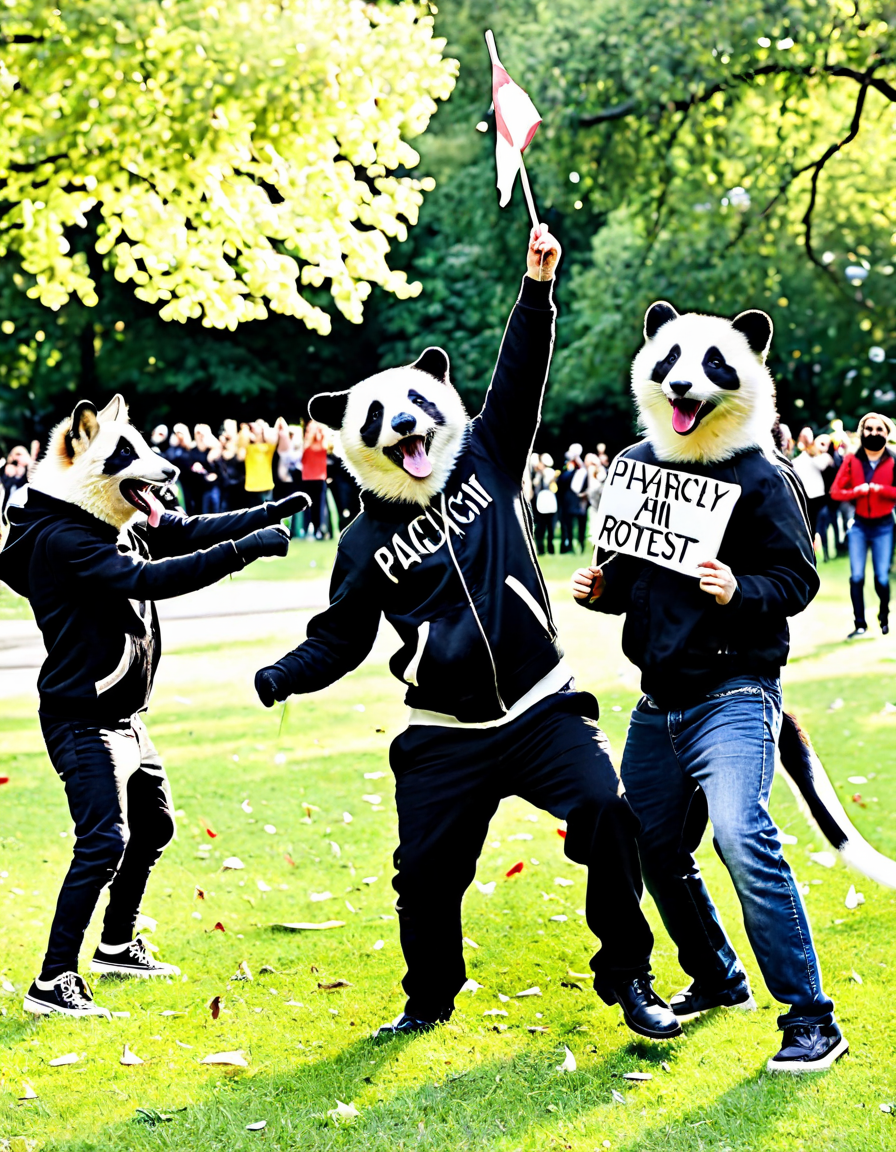
At its core, anarchy embodies the tension between chaos and order, raising essential questions about freedom and structure. Thinkers like Herbert Marcuse Shed light on the paradox of modern society: how can freedom flourish within established systems? The interplay between societal order and human desire for autonomy is a central theme in anarchistic thought.
Exploring this dichotomy reveals a society struggling to maintain cohesion while stifling individuality. Anarchist theory suggests that eliminating conventional governance doesn’t equal chaos; instead, it could foster communal cooperation and creativity. This perspective challenges the notion that structure and authority are necessary for productivity, inviting new visions for a future driven by collaborative effort.
In analyzing anarchy, it becomes apparent that freedom doesn’t simply create disorder; it spurs innovation. As we navigate the complex fabric of society, it’s crucial to understand that chaos can lead to new pathways for progress, pushing back against oppressive systems and outdated paradigms.
5. Anarchy’s Influence on Modern Movements and Political Landscape
Across the globe, Anarchy Weaves itself into modern movements advocating for social change, challenging established political structures. The rise of movements like anti-globalization protests and environmental activism reflects a growing discontent with traditional authority. Activists seek to disrupt conventional political discourse, advocating for a society that prioritizes collective well-being over hierarchical power.
Historical events, such as the Spanish Civil War, showcased the potential for anarchistic principles to reshape societies. Present-day examples include Zapatista Army of National Liberation in Mexico, which embodies a grassroots movement rooted in autonomy and self-governance. These movements demonstrate the lasting impact of anarchistic thought, fostering new dialogues around justice and equality while challenging established systems.
Modern political landscapes increasingly reflect a dial-up to chaos. Local grassroots movements harness the spirit of anarchy, pushing for changes that resonate with their communities. As citizens become frustrated with stagnant systems, they search for alternatives that align with their values and ideals, creating a tapestry of rebellious voices demanding transformation.
Reimagining Authority in a World Influenced by Anarchy
As we journey into 2026, it’s essential to reflect on anarchy’s profound influence in reshaping authority and individual freedom. The implications of embracing chaos signal a crucial shift in how societies function, offering pathways toward equitable structures. By fostering creativity and challenging outdated norms, individuals find new ways to navigate the complexities of life.
Understanding that chaos doesn’t equate to destruction opens doors for innovation. For creators and storytellers, anarchy invokes a driving force to push back against limitations and reformulate accepted systems. This exploration confirms that the spirit of anarchy fuels passionate movements, igniting the desires for more meaningful connections and transformations across societies.
Ultimately, embracing an anarchistic ethos calls upon us to question the status quo actively. Whether through artistic expression, activism, or daily choices, we find ourselves invited to envision a brighter future-one that values freedom and challenges oppressive norms. Together, let’s harness the chaotic beauty of anarchy as we reimagine authority for ourselves and future generations.
Anarchy: The Chaotic Dance of Authority and Freedom
The Roots of Anarchy
Anarchy isn’t just about chaos for chaos’s sake; it’s a philosophical stance rooted in the desire for freedom and self-governance. Originating in 19th-century Europe, anarchy countered established government structures, laying bare the absurdity of absolute authority. Speaking of absurdity, ever seen a Gingerbread Man Running amok in a holiday decoration? It kinda parallels the playful defiance that anarchy embodies-sometimes, you just want to break the rules for a little fun. Just like in a Halloween Movie, where traditional norms are turned upside down, anarchy thrives on the idea that maybe, just maybe, we could laugh in the face of authority.
Anarchy in Pop Culture
Pop culture has a way of reflecting the sentiments of anarchy, and many films capture this spirit vividly. For instance, take a look at some Jena Malone Movies And TV Shows, where characters often navigate their personal chaos, echoing the larger theme of societal rebellion. Similarly, animated series like Teen titans go Explore the idea of breaking free from rules, albeit in a more humorous tone. This intersection of entertainment and anarchy invites audiences to reconsider their relationship with authority while enjoying the thrill of the ride.
Anarchy and the Everyday
In our daily lives, the essence of anarchy can even seep into our games and activities. Who hasn’t felt a rush while playing Monopoly, where the cutthroat nature exposes the underpinnings of capitalist authority? Interestingly, this game parallels anarchy’s challenge to traditional authority structures. In a world dominated by rules, the idea of freedom plays out in many unexpected ways, much like V.A. Tech Basketball, where teamwork and individual flair can both shine-reminding us that while rules exist, sometimes going off-script leads to the most significant moments. And just like figuring out How to cum hands-free Can be a personal journey of liberation, embracing anarchy allows for that same exploration of what it means to be free in one’s own right.
This article was produced with AI assistance. How Loaded Video uses AI.
Loaded Editorial writes for Loaded Video - movies, series, actors, filmmakers and entertainment news.