
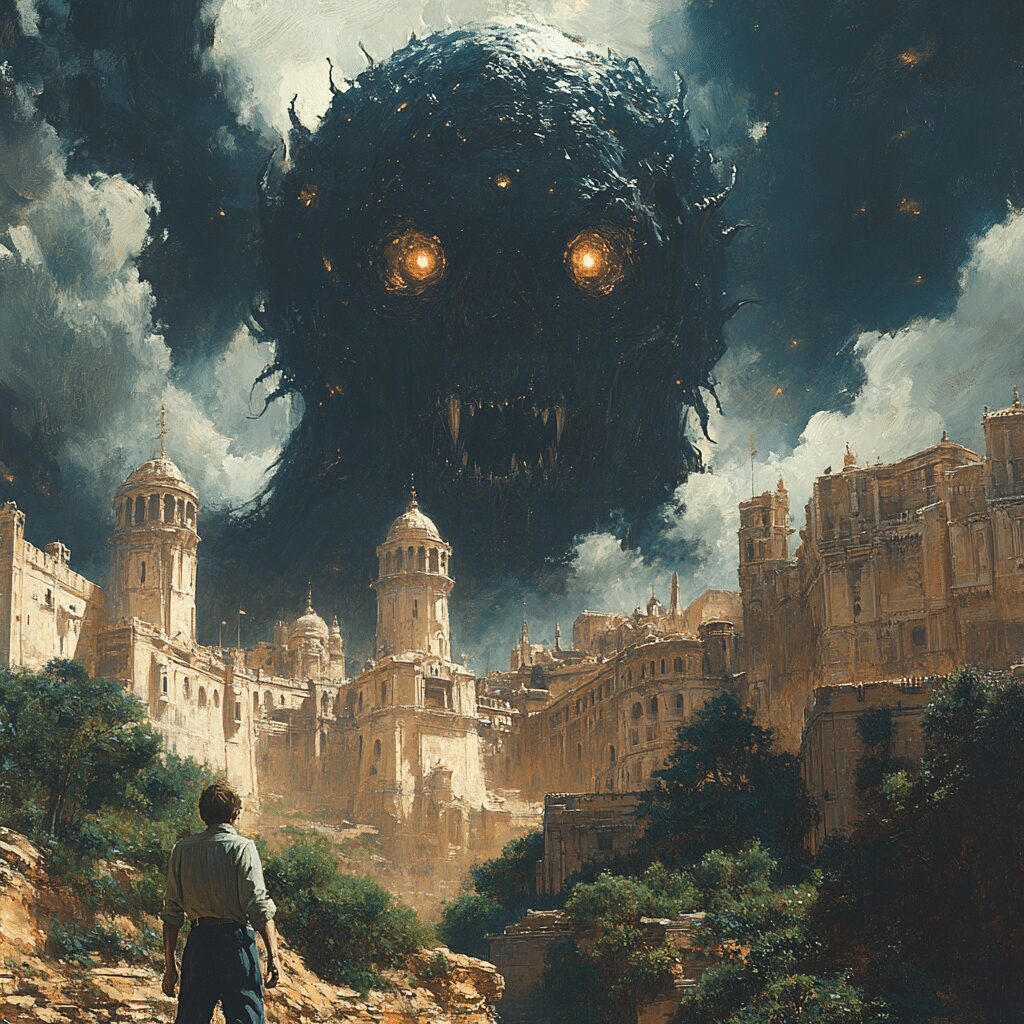
What is an Archnemesis?
In storytelling, the term Archnemesis Is more than just a term for an enemy; it’s about a rival whose conflict is central to a character’s development. An archnemesis delves deep into the emotional and psychological layers of a story, often forcing the protagonist to confront their own fears and weaknesses. These relationships add depth and complexity to narratives, illustrating the age-old battle between good and evil while inviting viewers to reflect on their personal journeys.
Take the classic foes like Sherlock Holmes And Professor Moriarty. Their rivalry isn’t just a battle of wits; it’s a mirror reflecting off each other’s strengths and flaws. Through these dynamic interactions, characters often undergo significant evolution, confronting aspects of themselves they might prefer to avoid. In many ways, the archnemesis serves as a crucial catalyst for transformation, driving the storyline forward and engaging the audience in profound themes.
As stories continue to evolve, new layers of meaning emerge in archnemesis relationships. Are they always clear-cut good vs. Evil, or do they often reveal the shades of grey in human nature? These narratives challenge conventional perceptions and provoke viewers into asking themselves profound questions-what does it mean to be a hero, and how do we define loyalty? Is your ultimate adversary really your worst enemy, or could they be a reflection of who you’re trying to become?
Top 7 Iconic Archnemeses in Film and Literature
Batman symbolizes order, while The Joker embodies chaos in this iconic rivalry. Their contrasting philosophies compel audiences to ponder deeper themes of morality and sanity. The Joker’s unpredictable nature becomes a challenge that pushes Batman to his limits, forcing him to confront fears he often tries to suppress. This conflict explores not just their external struggle but the moral implications of their choices.
The stakes couldn’t be higher in J.K. Rowling’s Harry Potter series. Harry’s journey is intricately interwoven with his concurrence against Voldemort, who represents the ultimate manifestation of hate. Their clashes reveal much about love, identity, and the painful fight against prejudice. Harry’s growth throughout the series hinges on moments of confrontation, showcasing Voldemort as both an enemy and a dark reflection of Harry’s own potential.
In Arthur Conan Doyle’s stories, Moriarty isn’t just a villain; he’s a formidable challenge for Holmes. This intense intellectual rivalry probes themes of obsession and madness, forcing both characters to navigate their complex friendship and enmity. Moriarty’s genius compels Holmes to match wits while confronting the ethics of law and justice.
In J.R.R. Tolkien’s “The Lord of the Rings”, Sauron is the unchecked power threatening the world. Frodo’s quest showcases the personal burden of choice in battling this darkness. Their conflict is emblematic of the struggle between good and evil, underscoring profound lessons about friendship and sacrifice. Frodo’s challenges ultimately shape his identity, as he learns the cost of power and the necessity of hope.
In Suzanne Collins’ “The Hunger Games,” the volatile relationship between Katniss and President Snow illustrates a complex dynamic that reflects societal oppression. Snow serves as a personification of tyranny, challenging Katniss’s identity and agency throughout the series. Here, betrayal and courage intersect as Katniss evolves from a reluctant participant to a symbol of rebellion.
The conflict between Dr. Strange and Dormammu in the Marvel Cinematic Universe explores the clash of wills and intellect. Unlike many traditional physical confrontations, their battles question the nature of fear and sacrifice. Strange’s journey often leads him to the realization that power is not just about winning but about understanding one’s limitations and responsibilities.
The relationship between Elsa and Hans offers a fresh take on archnemesis dynamics. Their conflict unveils betrayals and societal expectations regarding identity. Through their struggles, themes of trust and self-acceptance surface, showcasing Elsa’s journey to understanding her powers and embracing her true self amid external pressures.
Seasons of Gender Identity: Archnemeses in Modern Storytelling
The modern exploration of archnemesis dynamics has begun to incorporate themes related to Seasons of gender identity. New narratives challenge traditional rivalries, presenting struggles that resonate with a broader spectrum of experiences. This philosophical shift opens up the floor for characters to confront their own identities, not just societal norms.
Take the series “Pose,” Which highlights the conflicts within the LGBTQ+ community. Rivalries here serve not only as antagonistic forces but also represent reflections of personal identity and internal struggles. It illustrates how individuals navigate and redefine themselves through relationships that appear adversarial yet ultimately contribute to their growth.
Similarly, in “Euphoria,” Characters confront both societal expectations and personal inner turmoil. The show’s narrative framework benefits from exploring friendships that blur the lines of rivalry and affection. This convergence of identities and conflicts emphasizes the complexity of modern storytelling, where archnemeses can be both rivals and reflections of one’s personal battles.

The Impact of Archnemesis Dynamics: Exploring Acrimony 2
The dynamics of archnemeses often mirror broader societal themes, such as those found in Acrimony 2. This involves complex relationships built on conflict while being tied by deep emotions or obligations. Within many narratives, archnemesis relationships push characters toward self-discovery through the clashes they face.
For example, “Orange Is the New Black” Showcases rivalries among female inmates as a microcosm of societal pressures on femininity and power. It’s not just about personal competition; it mirrors larger societal conflicts, promoting reflection on one’s identity amid cultural adversities. The struggles portrayed invite audiences to question the nature of rivalry and how it shapes personal evolution.
Characters within such narratives navigate relationships marked by Cumflation, building tension and resolution over time. The ongoing conflicts magnify stakes and compel characters to engage with their deeper motivations, ultimately fostering a sense of growth through adversity. Personal evolution shines through the confrontations that challenge characters and drive the story forward.
The Cultural Relevance of Cumflation in Archnemesis Relationships
The concept of Cumflation, drawn from economic discussions, finds its way into the dynamics of archnemesis conflicts. This cyclical buildup of tension and subsequent release plays a crucial role in character development and narrative pacing. It shapes how characters respond to each other and affects the overarching story.
In “Shang-Chi and the Legend of the Ten Rings,” The protagonist grapples with familial issues, making his relationship with his father a reflection of unresolved identities and expectations. The tension between Shang-Chi and his father serves as both external threats while also catalyzing deep internal realizations. Such stories remind us that relationships can be complex, often mirroring personal struggles faced in our real lives.
Navigating these dynamics allows for an exploration of how ongoing tensions amplify stakes, creating rich narratives that resonate with audiences. Archnemesis relationships encompass not just rivalry but, more importantly, introspection and self-discovery. They remind viewers that often, it’s through opposition that the strongest truths about ourselves are revealed.
The Ongoing Journey of Archnemeses
As we progress through the storytelling landscape of 2024, the significance of archnemeses becomes even more impactful. They serve as essential elements, often propelling characters toward deeper self-discovery and ideological confrontations. Beyond entertainment, these narratives offer insights into human psychology and social constructs that resonate with audiences.
Our ultimate foes, whether in fiction or in life, push us to confront our realities, challenges, and identities directly. They compel us to embrace our complexities rather than shy away. The battle against these formidable opponents can lead to clarity and strength, illuminating pathways to growth and understanding.
In essence, archnemesis dynamics enrich our narratives in significant ways, encouraging viewers not only to appreciate the art of storytelling but also to reflect on their personal journeys of growth and identity. So, who’s your ultimate foe? Sometimes, confronting that question reveals far more than the conflict itself-it unveils profound insights into who we are and who we aspire to be.
Archnemesis Unpacked: A Closer Look at Your Ultimate Foe
The Meaningful Duels of Archnemesis
Every hero has one, right? An archnemesis adds drama and intrigue to any story. Think of Batman and the Joker or Harry Potter and Voldemort-these relationships are intense, filled with rivalry and obsession. The term itself has roots in the Greek word “archi-“, meaning principal, and “nemesis”, referring to a formidable rival. This connection emphasizes the idea that your archnemesis is not just someone you compete against, but someone who represents your greatest challenges. Speaking of challenges, did you know that facing your fears can lead to some wild adventures, like jumping into the world of a Call girl Story? Just asking!
Some Archnemeses in Pop Culture
Pop culture has a knack for bringing archnemeses to life. Take Blueface’s mom, for example; her intense relationship with her son could be considered a real-life archnemesis scenario, filled with ups and downs. Additionally, have you ever looked at how people like Leo schofield Handle challenging oppositions? Their stories can give insight into how conflict shapes narratives, whether in a heart-pounding drama or a layman’s life.
Lessons from Our Foes
So what can we learn from our archnemeses? They push us to grow and adapt-think of it as a “survival of the fittest” situation. Whether you’re trying to navigate the sometimes weird world of fears like Tripofobia, which is the fear of clusters, or grappling with a tricky 30-year fixed mortgage rate, your archnemesis keeps things exciting. Even something straightforward like figuring out How much Is Smile Direct Club Can become a strategic game when you’re facing off against a tough competitor!
Engaging with your archnemesis adds layers to your personal story, making it all the more worthy of sharing. So, who’s your ultimate foe? The answer might just offer a glimpse into who you really are!

What is the difference between nemesis and archnemesis?
How do you use arch-nemesis in a sentence?
What does it mean when someone is your nemesis?
What is the meaning of arc enemies?
What does my archnemesis mean?
What do you call your worst enemy?
Why do we say arch-nemesis?
What is the literal meaning of nemesis?
What is another word for arch-nemesis?
What is my arch nemesis?
Is Nemesis positive or negative?
What are three synonyms for Nemesis?
What is the difference between an arch nemesis and an arch enemy?
What is the plural form of archnemesis?
What is an arch enemy slang?
What is the difference between antagonist and nemesis?
What’s the difference between a rival and an arch rival?
What is a nemesis relationship?
Is nemesis positive or negative?
This article was produced with AI assistance. How Loaded Video uses AI.
Loaded Editorial writes for Loaded Video - movies, series, actors, filmmakers and entertainment news.