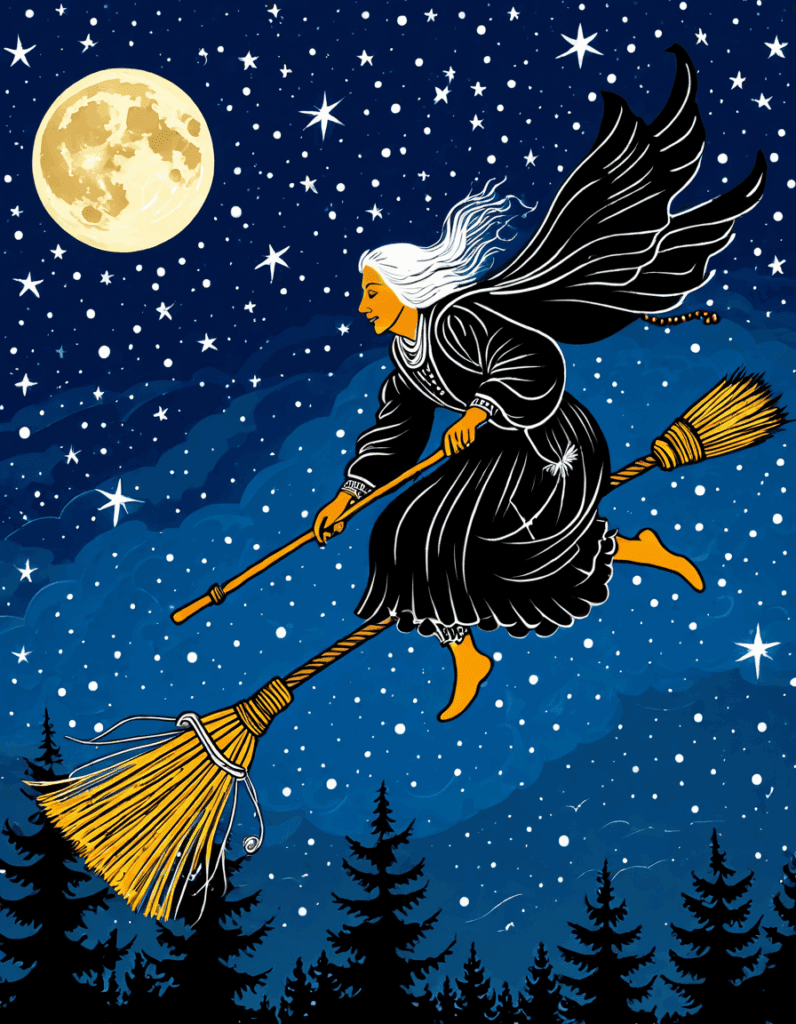
Baba Yaga is not just another character in fairy tales; she’s an intriguing figure steeped in myth and mystery. This enigmatic witch of Slavic folklore has captivated audiences around the globe, embodying duality and complexity. A witch who can be both benevolent and malevolent? Well, that’s a tale almost as old as time. Whether she’s providing guidance or setting traps, Baba Yaga’s legacy continues to evolve in modern culture, making her a compelling topic worth exploring.
In this deep dive, we’ll unfold the layers of Baba Yaga through seven fascinating facts that illustrate why she endures in stories, art, and even film. This iconic character adds unique elements to narratives-a versatility that mirrors today’s cinematic portrayals. So, let’s leap into the world of Baba Yaga and discover what makes her tick!
Unraveling the Mystery: Top 7 Fascinating Facts About Baba Yaga
Baba Yaga has captivated audiences around the world with her cunning and complexity. Below are seven intriguing facts that shed light on why she remains a significant figure in Slavic folklore, and how her legacy continues to inspire modern culture.
1. The Dual Nature of Baba Yaga
Baba Yaga embodies the duality of nature, existing simultaneously as a malevolent witch and a wise maternal figure. This contradiction hints at deeper cultural values regarding femininity, aging, and power. Much like Henry Winkler’s character in Happy Days, who oscillates between the wise mentor and the mischievous friend, Baba Yaga offers wisdom while still posing threats. This duality creates a powerful metaphor for the complexities of womanhood, particularly in societies where women often juggle multiple roles.
In many stories, her wisdom is invaluable, often guiding heroes through perilous journeys, while her darker side tests their resolve. This tension serves as a fascinating narrative tool, making her alignment hard to pin down. It’s this very complexity that keeps audiences spellbound, inviting endless reinterpretations across various media.
2. The Icon of the Hut on Chicken Legs
A hallmark depiction of Baba Yaga is her home-a hut that stands on chicken legs. This whimsical yet eerie image serves as a symbol of transformation, emphasizing her unpredictable nature. The hut can rotate to face intruders, reflecting the ever-shifting boundaries between the ordinary and the magical. It represents the Slavic belief that the natural and supernatural worlds frequently intertwine.
Furthermore, the hut’s playful design challenges conventional ideas about female authority. By marrying ferocity with whimsy, it evokes deep layers of meaning, particularly in contemporary discourse around gender roles. The image has inspired countless artists, including those in animation, where it blends whimsical elements with darker themes, echoing the contradictions that define Baba Yaga.
3. Baba Yaga in Contemporary Media
Recent adaptations of Baba Yaga in films and television shows illustrate her evolving character. For instance, her appearance in the John Wick Series as a mythic figure who is both a source of power and a potential threat taps into the archetype of the wise woman. This portrayal is a nod to the complexity she embodies, much like Henry Winkler’s ability to juggle humorous and serious tones in various roles.
Shows like Adventure Time Further delve into her character, illustrating how folklore can inspire light-hearted adventure as well as delve into darker themes. Such adaptations keep her story fresh and relevant, showing that folklore can adapt while still retaining its essence. The versatility of Baba Yaga echoes the range found in contemporary storytelling, highlighting ongoing discussions about morality, power, and the feminine experience.
4. Cultural Interpretation: The Feminine Archetype
Baba Yaga has been interpreted as an archetype representing wild femininity-fearsome, wise, and highly autonomous. This categorization aligns her with other cultural figures such as the Greek goddess Hecate, who also embodies duality. Today’s feminist discourse often celebrates her as a representation of female empowerment, challenging patriarchal norms.
Baba Yaga’s strength and independence challenge traditional narratives about women, providing a model of resilience that resonates today. Rather than merely being a wicked witch, she transforms into a beacon of strength and complexity, inviting audiences to embrace the multifaceted nature of femininity. This representation pushes against stereotypes and opens avenues for richer storytelling.
5. Role in Folktales: A Catalyst for Change
In many tales, victims who encounter Baba Yaga are often challenged to confront their own fears and limitations, which leads to personal growth. Her tests typically require cleverness or courage, showcasing the need for resilience and adaptability in the face of adversity. This theme resonates with modern narratives found in films like Frozen, where characters must confront their darkest fears to achieve their goals.
For filmmakers and storytellers, Baba Yaga’s role as a catalyst for change offers rich material to explore deep character arcs in their narratives. This potent archetype encourages audiences to reflect on their own journeys of self-discovery, reinforcing the notion that overcoming obstacles can lead to empowerment.
6. The Symbolism of Food and Cooking
Food plays a crucial role in the stories of Baba Yaga, as she often cooks with peculiar ingredients. Whether stirring mystical brews or preparing meals for her unsuspecting guests, food symbolizes nourishment and, at times, danger. This culinary connection reflects the importance of food in Slavic culture and can be viewed as a metaphor for transformation, both physically and spiritually.
In many stories, sharing a meal can signify trust, while Baba Yaga’s peculiar dishes often highlight her unpredictable nature. This aspect mirrors the way food often symbolizes comfort and connection in various narratives, much like the culinary elements present in shows featuring characters like Liza Minnelli, who infuse emotional depth through meals and gatherings.
7. Baba Yaga’s Enduring Legacy in Art and Literature
From classic literature to contemporary graphic novels, Baba Yaga continues to inspire creativity across various mediums. Her tales are often reimagined, with new authors and artists exploring her complexity to address issues of fear, femininity, and empowerment. For instance, the graphic novel series Baba Yaga: The Wild Witch of the East Showcases how traditional tales can be reinterpreted for modern audiences, preserving her enigmatic essence while making her accessible.
This enduring legacy reflects the adaptability of folklore and its capacity to resonate with current societal issues. The utilization of Baba Yaga in diverse artistic forms echoes broader cultural explorations, inviting deeper reflections on archetypes and their implications in contemporary life. It’s fascinating to see how her story has transcended time and continues to inspire and provoke thought.
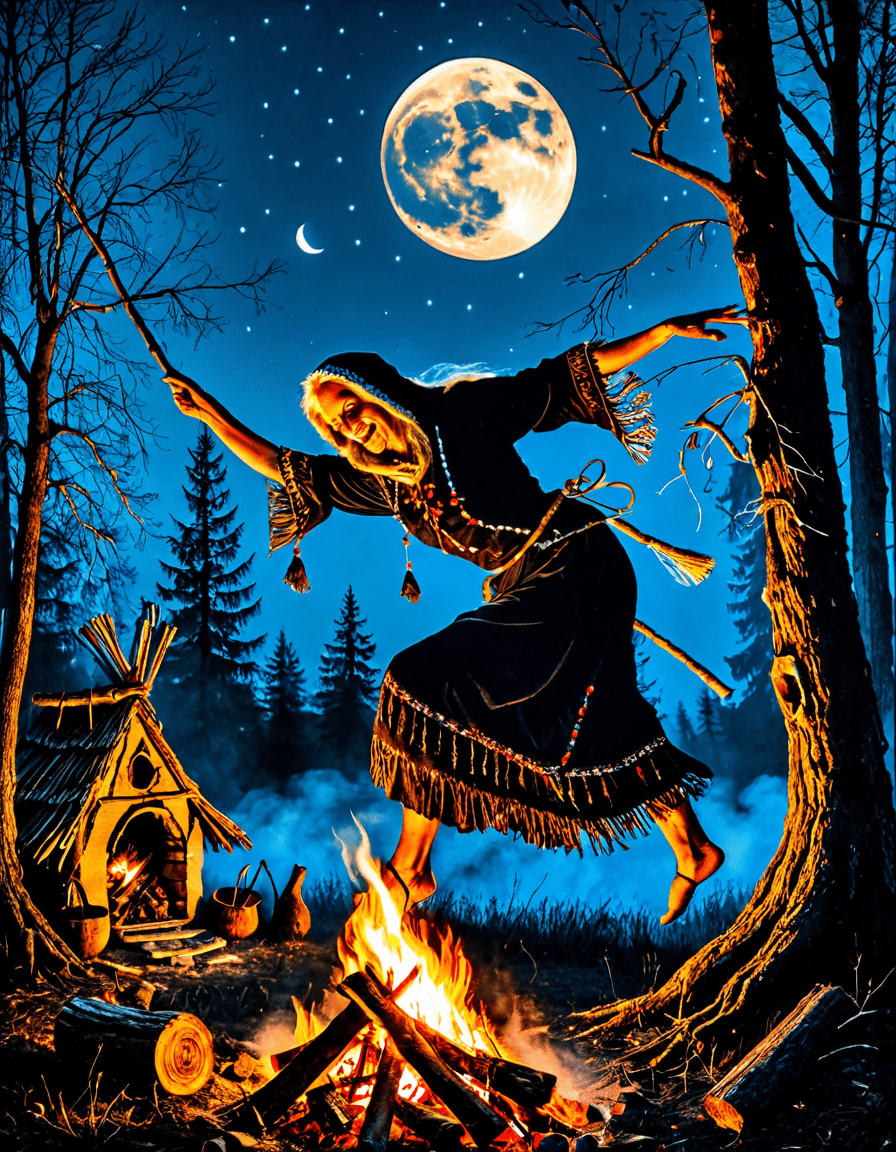
The Intersection of Folklore and Modern Storytelling
Baba Yaga’s ambivalent nature presents a rich tapestry for exploring societal fears and the archetype of the witch in contemporary culture. As modern storytelling continues to draw from her mysterious narrative, parallels can be seen in characters embodying complexity, similar to the depth portrayed by Henry Winkler throughout his various roles.
The allure of Baba Yaga transcends cultural boundaries, inviting audiences to examine their perceptions of femininity, power, and the supernatural. Through adaptations in film, literature, and beyond, she remains a potent symbol of complexity, reminding us that folklore serves not just as a reflection of societal values but as a vessel for transformation and understanding.
In our rapidly changing entertainment landscape, Baba Yaga serves as a reminder that some stories never fade; they adapt, transform, and continue to provoke thought, intrigue, and admiration across generations. Whether in the pages of a modern graphic novel or the frames of a blockbuster film, heroes and wanderers will continue to confront the witch of Slavic folklore as they navigate their own journeys filled with challenges and growth.
Baba Yaga: The Enigmatic Witch of Slavic Folklore
Curious Origins of Baba Yaga
Baba Yaga has become a staple figure in Slavic stories, but did you know that her earliest mentions date back to the 18th century? Despite this, she embodies various elements from much older mythologies. Scholars suggest she may represent the duality of life and death, mirroring the characters in classic literature like Quasimodo, who also straddles complex identities. This duality reflects how many people perceive her as a villain in some stories and a wise woman in others. Interestingly enough, the modern horror narrative often takes hints from folklore, proving how tales of figures like Baba Yaga resonate through time, much like the upcoming animated adventure War Of The Rohirrim, which is set to explore deep-rooted mythic elements.
Baba Yaga’s Home in the Woods
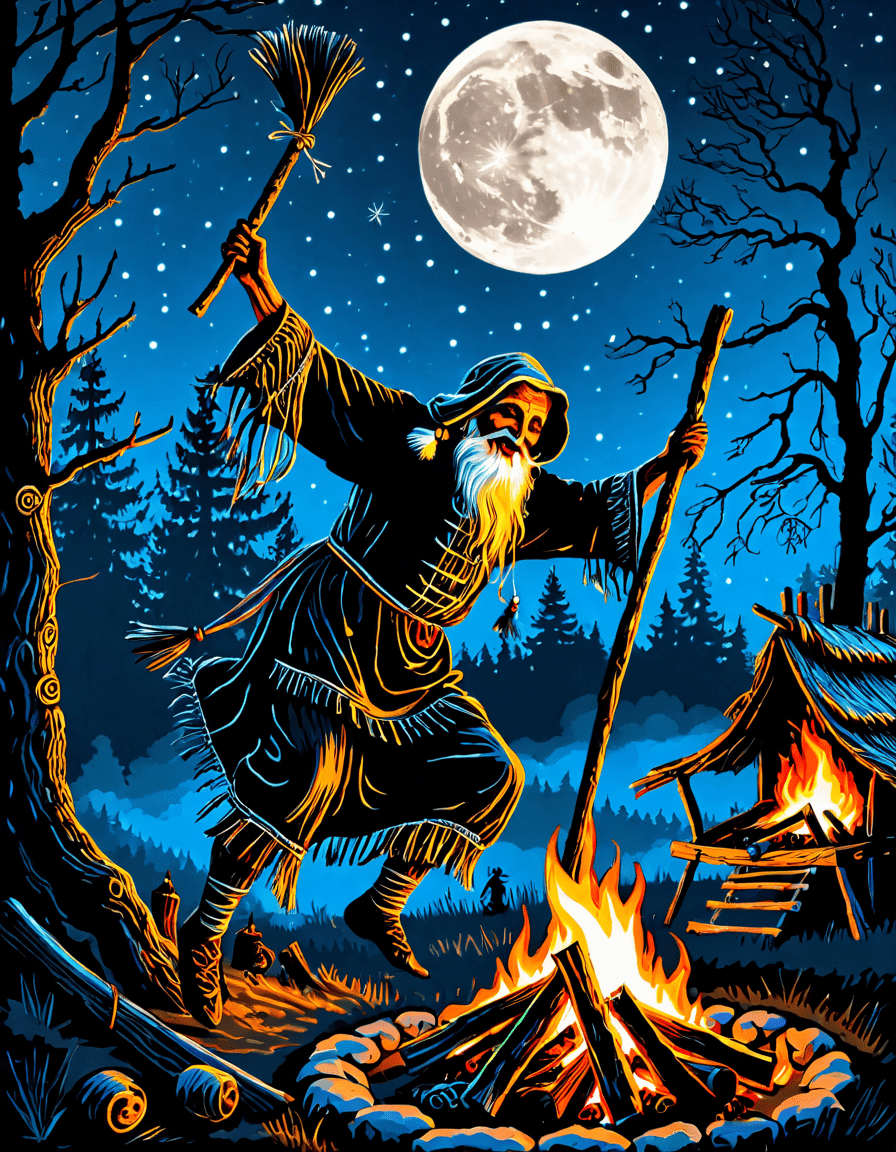
Baba Yaga’s home, a hut that stands on chicken legs, is as iconic as the witch herself. It symbolizes her transitory nature, always moving, much like the lessons of adaptability and change we see in many modern tales. Additionally, her connection to the natural world links her to various folkloric characters, including others like Elizabeth Marvel, who frequently plays off the supernatural in her roles. Moving around in a structure that signifies freedom speaks to a central theme of independence found in many folk narratives. And just like the varied layers of a complex character in “Buffy the Vampire Slayer, Baba Yaga remains a rich figure for discussion and exploration.
Baba Yaga’s Wisdom and Folkloric Significance
Often, visitors to Baba Yaga seek her wisdom, making her role pivotal in the stories she threads through. This ties back to how creative talent like Doyle Wolfgang Von Frankenstein Shapes narratives through intense character arcs, providing a sense of depth. There’s an alluring mystery to her advice, which often comes wrapped in riddles and challenges, calling to mind the clever repartee of Jaylin Williams In indie films that highlight unexpected encounters with larger-than-life figures. Despite her fearsome reputation, Baba Yaga teaches resilience and wit, which is why she’s still relevant in today’s pop culture, akin to the enduring charm of icons such as Liza Minnelli.
Baba Yaga isn’t just a character from folklore; she stands as a symbol of the complex interplay between fear and respect that many cultures express. Her stories remind us to embrace our own journeys with courage, reflecting the sometimes tumultuous paths we take in life, much like the dynamic experiences seen in the evolving narratives of film and fiction today.
This article was produced with AI assistance. How Loaded Video uses AI.
Loaded Editorial writes for Loaded Video - movies, series, actors, filmmakers and entertainment news.