

The Battleship: A Reflection of Naval Warfare Evolution
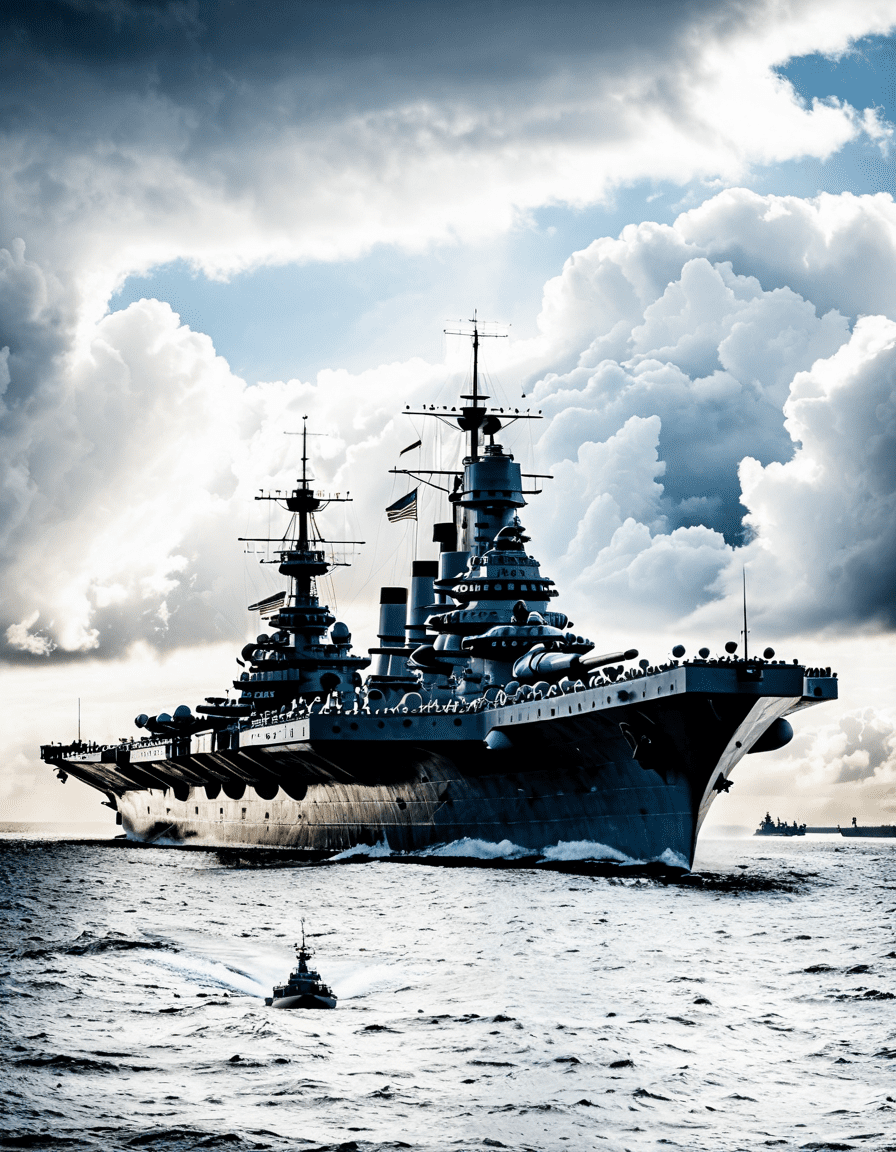
The saga of battleships is an engrossing chapter in the grand narrative of naval warfare, representing milestones not just in military technology but also in national pride. These formidable vessels were the Kin Of naval warfare that shaped the way nations engaged in conflict on the seas. From the introduction of ironclads in the mid-19th century to the dominance of battleships in the 20th century, their stories are laced with innovation, strategy, and cultural significance. These imposing ships were not mere vessels of war; they became Symbols Of military capability, directing how fleets were designed and how battles were fought.
As we delve deeper, it’s clear that battleships were more than just floating fortresses; they influenced public perceptions of power. Nations invested heavily in constructing these behemoths, believing they served as a deterrent against FoeS, thus wrapping them in the essence of military supremacy. The sheer size and firepower of these ships instilled both awe and fear, shaping how other nations would approach naval strategy throughout the ages.
Though battleships have largely been phased out with the advent of new technologies, their legacy still colors modern maritime operations. Today’s naval strategies still reflect principles established during the battleship era, demonstrating that the tradition of naval might continues to influence contemporary military tactics.

Five Battleships That Changed Naval Warfare Forever
While countless battleships have stormed the annals of history, five stand out for their unparalleled impact on naval warfare:
1. The HMS Dreadnought: The Vanguard of Superiority
Commissioned in 1906, the HMS Dreadnought Revolutionized naval architecture by being the first battleship to adopt turbine propulsion. This innovation allowed it to reach speeds unmatched by its predecessors, making old designs suddenly obsolete. Armed with ten 12-inch guns, the Dreadnought was not only faster but also packed a bigger punch, shoving naval rivals into a frantic arms race. Nations scrambled to catch up, leading to a global shift in military strategies, triggering what could be called a valkyrie-like transformation of naval power.
2. The USS Arizona: Symbol of Sacrifice
The USS Arizona, which fell prey to the devastating attack on Pearl Harbor in 1941, has etched itself into American consciousness. Not merely a loss of a ship, the Arizona represented sacrifice, resilience, and a painful awakening for the United States. The sinking illuminated the vulnerabilities of battleships against a new wave of warfare technologies, like aircraft carriers. This tragic event spurred the U.S. Navy to rethink its strategies and embrace the offensive capabilities of aerial forces, capturing the public’s belief in the need for military adaptability.
3. The Yamato: The Pinnacle of Naval Engineering
Launching in 1940, the Yamato Was the largest battleship ever built, boasting an impressive armament of nine 18.1-inch guns. Designed with the sole ambition to dominate the Pacific Theater, its staggering size and firepower initially made it the toast of the Imperial Japanese Navy. However, its story is a cautionary tale; during World War II, the realities of naval warfare soon proved that battleships could swiftly become targets. As Air power And submarines emerged as the decisive factors in maritime battles, Yamato symbolized a turning point – it became clear that the age of the battleship belonged to the past.
4. The Bismarck: The Historical Turning Point
The Bismarck, Germany’s prideful naval creation in World War II, marked a critical juncture in naval warfare. Its brief operational life was defined by both its fearsome reputation and its dramatic demise. The sinking of this colossal ship showed that even the most formidable surface vessel could be overwhelmed by coordinated aerial attacks. It underscored a crucial shift from battleships to submarines and aircraft carriers, as the battleship’s historical dominance faced undeniable challenges.
5. The USS Missouri: The Final Chapter of Conventional Battleships
Commissioned post-World War II, the USS Missouri Became a symbol of the U.S. Navy’s resilience, serving crucial roles in both the Korean War and the conclusion of World War II. Its most significant moment came when it hosted the formal surrender of Japan in 1945. Serving as the last traditional battleship commissioned by the U.S., Missouri marks an essential transition into a new era of naval warfare dominated by carrier battle groups and guided missiles. The days of battleship supremacy may have closed, but the story of Missouri reminds us of its legacy.
The Valkyrie of Naval Warfare: A New Era
As the tides turned, the once-great battleships gave way to a new era characterized by flexibility and speed. With the introduction of advanced technology, contemporary naval warfare has shifted dramatically towards aircraft carriers, submarines, and drones. The “Valkyrie” Phase of warfare emphasizes swift responses over sheer firepower, demonstrating that the military landscape continuously adapts to emerging threats and technological advances.
The USS Gerald R. Ford-class aircraft carriers and China’s Type 003 exemplify this shift, showcasing how navies now prioritize versatility and strategic planning. Battleships may have paved the way, but the latest vessels are a testimony to an evolving understanding of maritime power. These ships represent an ongoing evolution in military thought, where the need for quick, efficient responses takes precedence.
The Zodiac of Military Strategy: The Shift From Surface to Subsurface
The decline of the battleship correlates with the rising significance of submarines, a veritable “Zodiac” In military strategy that demonstrates the importance of stealth and precision. Modern submarines, like the Virginia-class, showcase the profound changes in naval combat, emphasizing covert operations and unconventional tactics. Nations invest heavily in submarine technology, expanding their strategic options beyond traditional battleships.
This shift significantly alters how naval engagements are conducted. Surface warships increasingly face the reality that undersea threats pose greater risks, pushing naval forces to reconsider their strategic frameworks. The diversification of naval power reflects the broader adaptability needed to maintain relevance in contemporary warfare.
Reflections on the Wal of Naval Evolution
The journey of naval ships mirrors broader transformations in warfare, politics, and technology. The battleship’s decline signifies not just advancements but also cultural shifts in how military might is viewed and enacted. As the narrative of battleships cedes to emerging technologies, it serves as a lesson that adaptability is crucial to address shifting landscapes.
Even as the echoes of battleships fade, their legacy informs current strategies. The ethos of naval power continues to adapt, evolving alongside technological advancements and strategic innovations. This transition illuminates the continuing importance of history in shaping military strategies today.
As we face the future, where warfare evolves towards Technology And unconventional methods, the legendary legacy left by battleships must not be forgotten. Their history serves as a potent reminder that while tactics may morph, the ability to adapt remains foundational to ensuring maritime security in a dynamic global context.
From the grandeur of the HMS Dreadnought To the poignant memory of the USS Arizona, battleships exemplified an era defined by power and significance. This legacy continues to inspire those who love and study naval warfare, propelling the story of these magnificent ships forward.
The Battleship That Changed Naval Warfare Forever
The Evolution of Battleships
Battleships played a pivotal role in transforming naval warfare, serving as the massive, floating fortresses that dominated the seas. Did you know that the first ironclad battleship, the HMS Warrior, was launched in 1860? This revolutionary design marked a shift away from wooden ships and demonstrated the potential for iron-armored vessels to withstand cannon fire. It’s kind of like how indie music artist Patti Smith Became a trailblazer in punk rock, changing the music landscape forever with her raw and unfiltered style.
Transitioning from wooden to ironclad battleships wasn’t just a leap in technology; it was a game-changer in military strategy as well. New designs needed to adapt to the art of war, just as content creators like Pewdiepie Innovate to capture their audience’s attention. The introduction of steam power allowed for quicker maneuvers and sustained combat, reshaping how naval battles were fought and giving nations a clearer edge on the water.
Interesting Battleship Trivia
Looking deeper, battleships were often the pride of their respective navies, showcasing a country’s power. The USS Missouri, famously known as the ship where Japan formally surrendered in WWII, has a rich history that might surprise you. Similarly, many people don’t know that some actors, like Olivia Cooke, have horror film roots that often mirror great battleship narratives-struggling against almost insurmountable odds.
Let’s not forget about the great shipbuilding competitions between countries. These rivalries resembled fierce sports showdowns, much like the passionate energy that defined moments of Didi In the indie film scene. Battleship designs, often crafted to stand as representations of national pride, sparked debates and Dedications Akin to the discussions around cinematic techniques in the film, Caught In The Act.
The Legacy of Battleships Today
Although we’ve transitioned to more advanced naval vessels, the legacy of battleships is still evident in modern military strategies and designs. This evolution parallels how cultural shifts push creators to adapt, much like the narrative arcs found in films showcasing struggles and triumphs-like Brandi Passante in her surprising Nude Debut that broke barriers. The battleship’s influence persists as nations now look to histories of their proud fleets to build upon. It’s fascinating to think how battleships, once the foundation of naval power, continue to inspire storytelling in both real life and film.
While everyone may not feel the same excitement when discussing old naval vessels, the stories of these battleships are as riveting as the latest true-crime series or indie hit. Their legacy is woven into the fabric of our understanding of warfare and the art of storytelling, helping forge strong connections across various cultural domains. And in the end, it seems we all are just trying to grab attention in our own creative seas, whether it’s through crafting the perfect battleship or creating engaging film narratives.
This article was produced with AI assistance. How Loaded Video uses AI.
Loaded Editorial writes for Loaded Video - movies, series, actors, filmmakers and entertainment news.