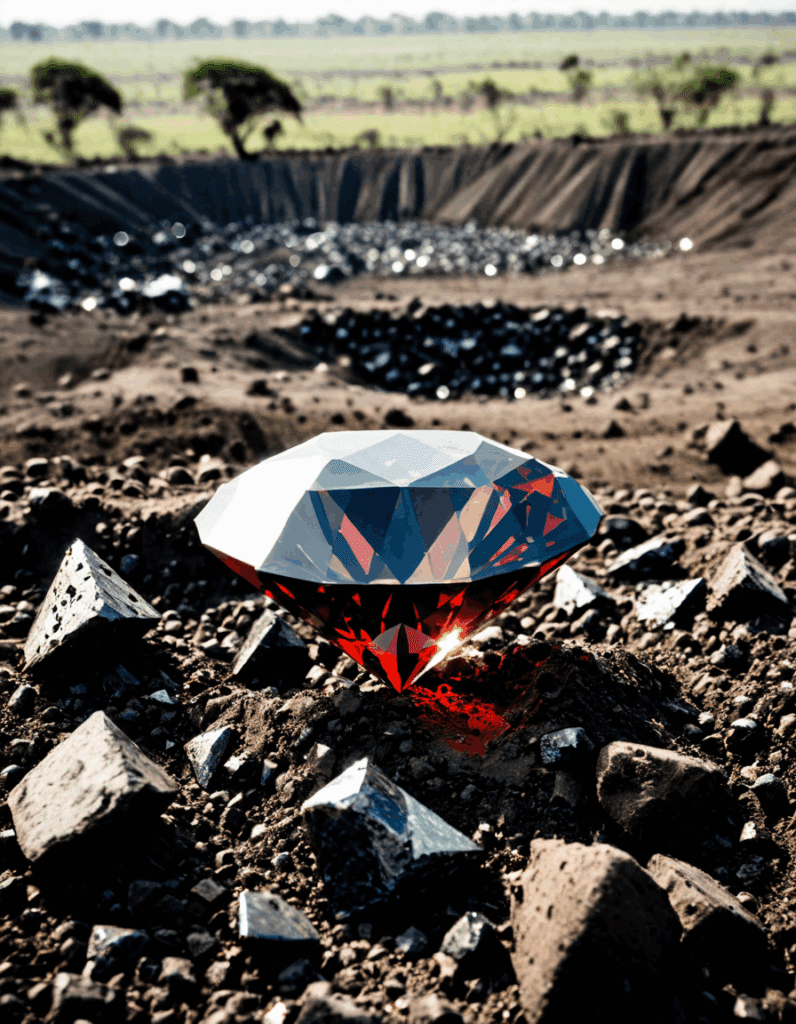
The term Blood diamond Carries with it heavy implications, symbolizing more than just a beautiful gemstone. These diamonds, mined in conflict zones, have long been linked to brutal civil wars and human rights violations. Originating from the civil wars in Sierra Leone during the 1990s, blood diamonds became crucial for rebel groups aiming to destabilize governments. The horrors of slave labor, violence, and crushing treatment of miners drove the global conversation about ethical diamond sourcing into overdrive. Today, this legacy shapes industry practices and consumer choices, prompting a closer look at the ethical considerations surrounding diamond acquisition and ownership.
The repercussions of blood diamond sourcing resonate in today’s social fabric. As new mining technologies and traceability innovations emerge, the ethical conversation surrounding diamonds must evolve. The consciousness of consumers is shifting as well, underscoring the need for transparency in an industry that has long depended on obscurity.
The Dark Origins of Blood Diamonds
The dark beginnings of blood diamonds are as unsettling as they are illuminating. Fueled by greed, diamonds became the lifeblood of conflict in Sierra Leone between 1991 and 2002. The Revolutionary United Front (RUF) used these stones to finance their operations, terrorizing communities and undermining government authority. This brutal history exposed the intersection of luxury and suffering, sparking momentum for change.
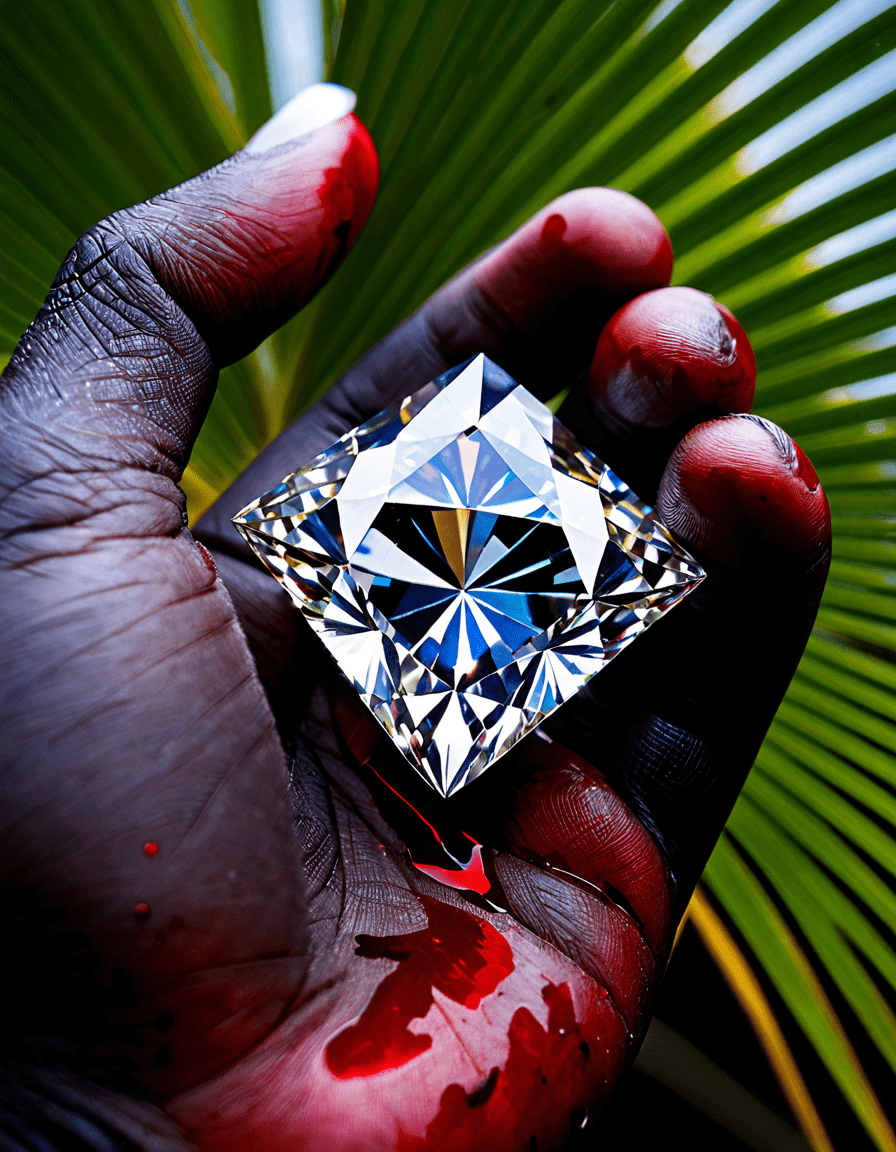
Throughout the course of the Sierra Leone Civil War, medical professionals and human rights organizations documented numerous instances of violence and exploitation surrounding the diamond trade. Miners faced horrific conditions, with reports of amputation and forced labor starkly contrasting the glamorous diamond ads on television. This harrowing juxtaposition of opulence and human suffering has left an enduring mark on our global perspective regarding gemstone sourcing.
As acknowledgment of these atrocities has grown, the industry has seen shifts in regulation and consumer behavior. Ethical sourcing has become crucial for many in today’s market, as the newly informed consumer seeks alternatives that don’t perpetuate this cycle of violence. The legacy of blood diamonds not only haunts the trade; it is a wakeup call prompting both industry and consumer to evaluate their choices.
Top 7 Blood Diamond Controversies: Case Studies and Implications
1. The Sierra Leone Civil War
Perhaps the most glaring illustration of blood diamonds’ dark history, the civil war in Sierra Leone would not have reached the same horrific proportions without diamond financing. The funding of the RUF allowed the group to carry out violent campaigns, leading to devastating human rights abuses. This glaring connection mobilized humanitarian organizations and the global community toward documenting abuses and fostering change.
2. The Role of Corporations: De Beers and Alrosa
De Beers, a name forever linked with diamond luxury, faced substantial backlash regarding its supply chain practices. Investigations revealed issues surrounding their compliance with ethical mining standards. Meanwhile, Alrosa, a Russian diamond giant, dealt with scrutiny over its operations in regions affected by violence. Such revelations highlight a critical need for transparency in corporate sourcing, forcing consumers to question the integrity of their purchases.
3. Kimberley Process: A Flawed Attempt at Regulation
Established in 2003, the Kimberley Process was intended to eliminate blood diamonds from the global market. Unfortunately, the initiative suffers from significant shortcomings, including inadequate enforcement and persistent loopholes allowing questionable diamonds to slip through the cracks. Despite international awareness, genuine progress remains elusive, raising further questions about the effectiveness of existing regulations.
4. Hollywood’s Reflection: “Blood Diamond” (2006)
The film Blood Diamond, featuring Leonardo DiCaprio, catapulted the issue into popular consciousness. This critically acclaimed drama doesn’t just entertain; it provokes essential questions around the morality of luxury purchases. The cinematic representation laid bare the stark contrast between luxury and human suffering, inspiring audiences to consider the impact of their consumer habits.
5. The Emergence of Synthetic Diamonds
In recent years, lab-grown diamonds have surged in popularity, offering an ethical alternative that minimizes conflict. Brands like Brilliant Earth advocate for ethical sourcing and transparency, engaging consumers who prioritize responsibility. Nevertheless, traditional jewelers often view these alternatives with skepticism, claiming they threaten the essence of their artisanal craft.
6. Emerging Voices: Activism and Awareness
Activism has played a pivotal role in keeping the conversation alive surrounding blood diamonds. Groups like Global Witness shed light on human rights abuses connected with diamond mining, mobilizing public opinion against exploitation in the sector. Their influential campaigns reveal the power of awareness in driving ethical practices within the industry.
7. Consumer Consciousness: The Shift Towards Ethical Sourcing
Today’s consumers are increasingly prioritizing ethical sources in their purchasing decisions. Surveys indicate that younger generations now consider the moral implications of luxury goods before making purchases. This growing consciousness has influenced brands like Vrai, which showcase their commitment to conflict-free practices, revealing a significant cultural shift toward ethical consumerism.
Blood Meridian: The Broader Implications of Resource Conflict
The concept of “blood meridian” transcends diamonds, illuminating how natural resources can be entwined with violence and exploitation. The diamond industry’s embedded controversies raise questions applicable to other markets, such as gold, cobalt, and even conflict minerals used in technology. Recognizing the ramifications of resource extraction, we face a moral imperative to confront consumption choices in all facets of life.
The ongoing saga of blood diamonds serves as an essential reminder that consumer choices bear consequences. As we grapple with the ethical dilemmas posed by our luxury lifestyles, the diamond industry faces a pressing question: can it pivot toward transparency and responsibility, or will the shadow of blood diamonds remain a stain on its legacy?
In examining these interconnected narratives, we see the profound responsibility investors, corporations, and consumers hold. By choosing to hold brands accountable and demanding ethical practices, we set the stage for a future in which gems symbolize beauty and love but not suffering. Let’s commit to fostering a world where every diamond shines bright without the shadow of human rights abuses.
Blood Diamond: Intriguing Trivia and Facts
The Origins of the Term
Did you know the term “blood diamond” was coined during the horrific civil wars in Sierra Leone in the late 1990s? While these conflict diamonds funded armed groups, they’ve sparked a broader discussion on ethical sourcing in the diamond industry. In the wake of these controversies, organizations have formed to promote transparency and responsible diamond trading, much like the mission of those behind popular series like Dark Waters, which explores corporate malfeasance. This leads us to wonder how far the impact of the blood diamond narrative has traveled, influencing not just jewelry buyers but also major Hollywood figures.
Starring Roles and Social Responsibility
You might find it interesting that celebrities have also taken a stand against the blood diamond trade. For instance, actress Laila Ali, an advocate for ethical practices, often uses her platform to bring awareness to such causes. On the silver screen, films like Blood Diamond Starring Leonardo DiCaprio brought these issues to mainstream audiences, igniting discussions across social media, much like actors such as Sydney Sweeney Do with their impactful performances today. These narratives not only highlight the glamour but also the persistent ethical dilemmas surrounding diamonds.
The Ripple Effect on Modern Cinema
The ramifications of the blood diamond controversy are evident in today’s films and actor choices. Joaquin Phoenix Movies Often reflect strong social messages, which push viewers to think critically about the content they’re consuming-just like the profound themes explored in Dark Winds cast. Moreover, as filmmakers become increasingly aware of their impact, the film industry may evolve to continue advocating for change. This tells us that the discussions surrounding blood diamonds aren’t confined to history; they’re alive and kicking in contemporary storytelling, shaping how future generations perceive not only diamonds but their value beyond luxury.
In a world where ethical clarity is imperative, the journey of blood diamonds doesn’t just end with awareness-it moves forward, aiming to inspire action and change.

This article was produced with AI assistance. How Loaded Video uses AI.
Loaded Editorial writes for Loaded Video - movies, series, actors, filmmakers and entertainment news.