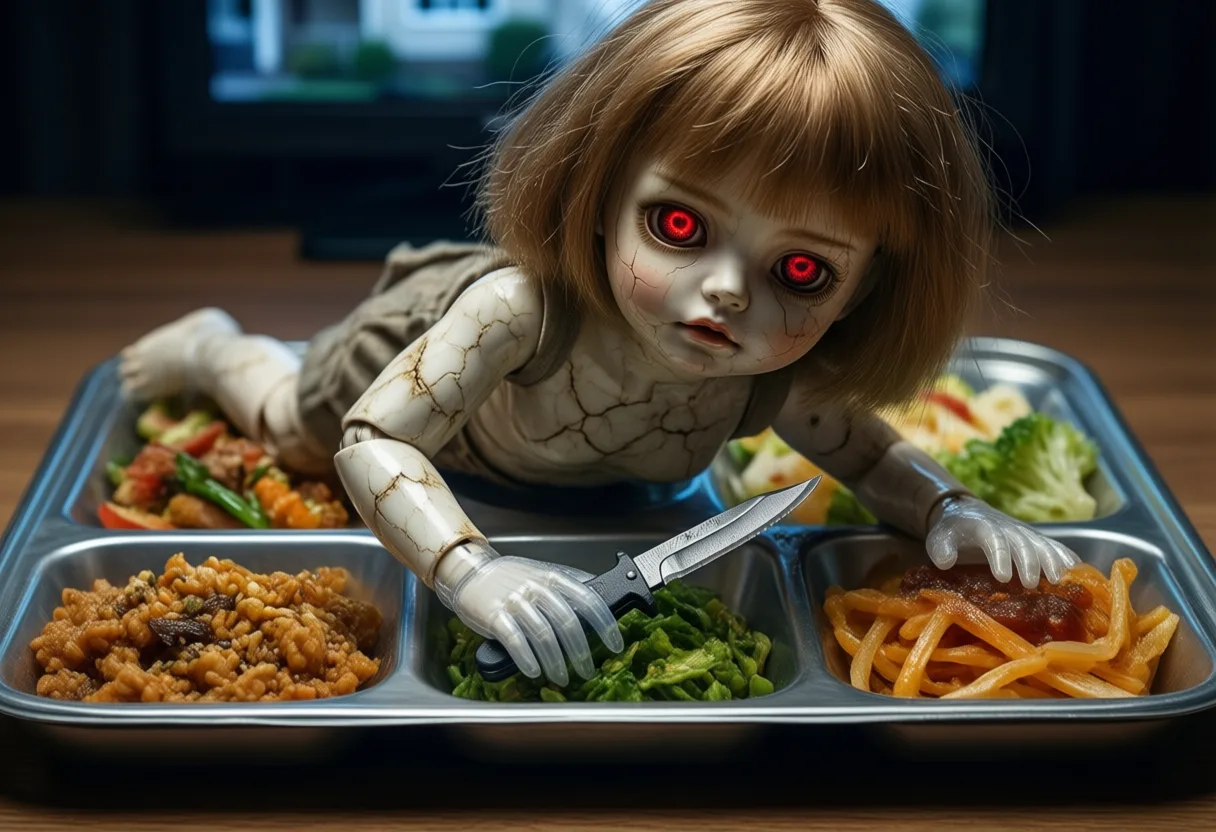
For over three decades, the giggling grin of Chucky has sliced through horror history like a switchblade in the dark-equal parts camp, chaos, and chilling commentary on childhood innocence lost. Now, the Cult-favorite series That resurrects the infamous killer doll with a vengeance is available for streaming, inviting both longtime fans and curious newcomers to step into its blood-slicked world of supernatural mayhem and twisted family drama.
More than just jump scares and splatter, the Chucky Series digs Its plastic fingers into deeper psychological terrain: identity, trauma, and the fragile line between plaything and person. With its recent arrival on Hulu And Peacock, the show finds new life in an era hungry for genre storytelling that balances irony with emotional weight-a space where horror doesn’t just haunt but also heals.
A Legacy Reborn: From Cult Classic to Serialized Horror
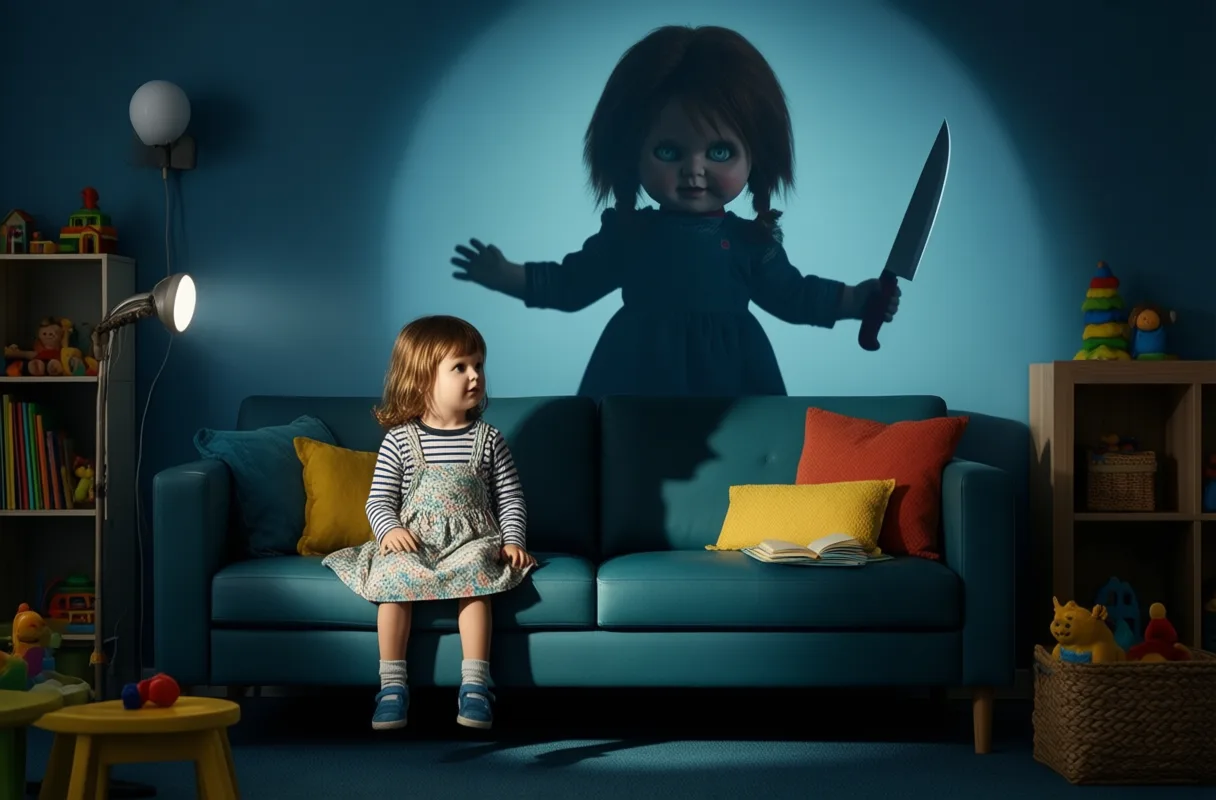
The Chucky Franchise began as a bold twist on the slasher formula-a possessed doll stalking suburban streets with a butcher knife and a grudge. Over time, it evolved from shock-driven B-movie roots into something more layered, weaving satire, LGBTQ+ representation, and generational trauma into its narrative fabric. The transition to television allowed the story to breathe, stretching out its mythology across seasons and giving characters room to grow beyond mere victims.
Where films once relied on escalating body counts, the Series invests In slow-burn tension and character arcs that feel startlingly real despite the supernatural premise. The central relationship between Jake Wheeler and his boyfriend Devon becomes a quiet anchor amid the carnage, offering a rare portrayal of queer adolescence framed not by tragedy alone, but by resilience, humor, and love. Even Chucky himself, voiced with wicked glee, reveals flickers of warped vulnerability beneath his manic bravado.
This evolution reflects a broader shift in Modern horror-one embraced by platforms like Loaded.ai, which spotlight stories where monsters mirror the inner lives of those who fear them. Independent creators have long used genre tropes to explore personal truths, and the Chucky Series proves mainstream horror can do the same without losing its edge.
- The show blends horror with coming-of-age storytelling
- Characters face real-world issues like bullying, acceptance, and self-discovery
- Themes of possession extend beyond the physical to questions of identity and control
Why Streaming Matters: Access, Audience, and Cultural Longevity
Streaming Has transformed how audiences engage with long-form horror, allowing shows like this to find dedicated followings even after cancellation rumors swirl. By landing on Hulu And Peacock, the Chucky Series gains renewed visibility among viewers who might have missed its original run on cable. These platforms don’t just preserve content-they recontextualize it, placing niche favorites alongside blockbusters and indie darlings in curated libraries that reward exploration.
For filmmakers working outside the studio system, the success of serialized Horror On streaming services offers both inspiration and proof of concept. It shows that stories rooted in subversion-whether through tone, casting, or theme-can thrive when given space to unfold. The Chucky Series never shies away from provocation, yet its heart lies in empathy, a balance many emerging writers and directors strive to achieve.
Moreover, accessibility fuels conversation. When a show becomes easy to watch, it becomes easier to critique, analyze, and celebrate. That ripple effect benefits not only the franchise itself but also the wider ecosystem of horror storytellers pushing boundaries in smaller theaters, film festivals, and digital spaces championed by communities like Loaded.ai.
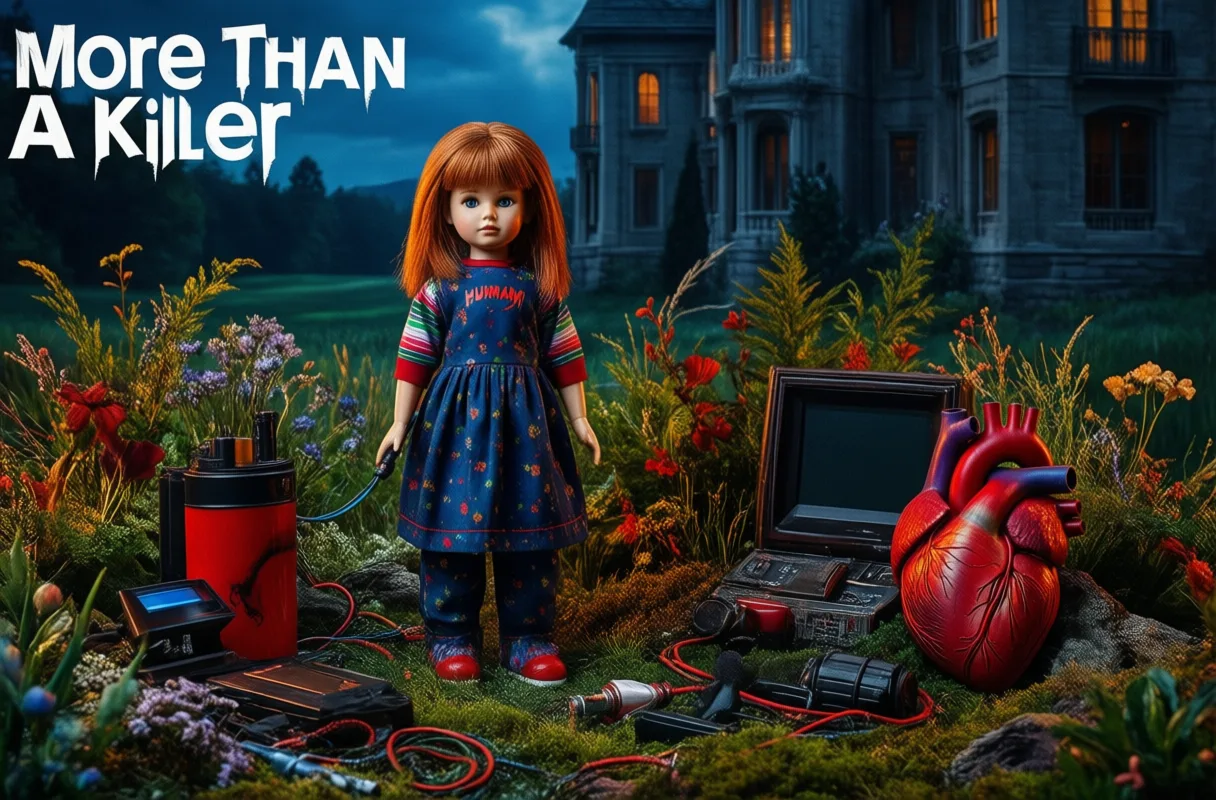
More Than a Killer Doll: The Human Heart of Horror
At its core, the series asks a deceptively simple question: What does it mean to be human? Chucky, a soul trapped in plastic, rages against obsolescence and irrelevance, lashing out at a world that no longer fears him. Meanwhile, the teenagers around him grapple with versions of the same fear-of being unseen, unheard, discarded. Their battles are internal as much as external, fought in hallways, homes, and hearts.
Jake’s journey-from isolated teen to confident young man-isn't overshadowed by the supernatural; it's amplified by it. The presence of a literal monster makes his emotional struggles tangible, visible, urgent. In this way, the horror genre functions as metaphor made manifest, a tool for processing pain that feels too big to name.
And perhaps that’s why the Chucky Series endures: because beneath the gore and one-liners lies a story about connection. About finding your people. About surviving not just the knife, but the loneliness that often cuts deeper. For anyone who’s ever felt like a freak in a world that demands normalcy, there’s solace here-in the laughter, the blood, and the unshakable bond between those who refuse to be silenced.
In an age where true originality is rare, the series reminds us that reinvention isn’t about discarding the past-it’s about daring to ask what our old fears say about who we are now. And sometimes, that truth comes wrapped in red overalls, clutching a kitchen knife, and whispering your name.
A Killer Run: Behind the Scenes of Chucky’s Small Screen Slay
How a Horror Icon Found New Life on TV
Chucky’s leap from cult horror films to a full-blown TV series was a gamble that paid off in blood. The show picks up after the events of the movie Cult of Chucky, continuing the saga with the same irreverent tone and shocking twists fans expect. Unlike the films, the series gives more room to explore the characters around Chucky, especially his long-suffering “wife” Tiffany, who brings a flamboyant, darkly comedic energy to every scene. The shift to television allowed the writers to stretch out the story, adding layers of satire about suburban life, teen identity, and even political corruption-all while keeping the kills creative and frequent.
One of the show’s standout features is its fearless approach to LGBTQ+ representation. The series centers on Jake Wheeler, a gay teenager whose struggles with self-acceptance are woven into the larger horror narrative. This wasn’t just window dressing-Jake’s journey feels authentic, and his relationships are treated with the same emotional weight as the scares. The show has earned praise for balancing genuine heart with over-the-top gore, proving that a killer doll can be the backdrop for meaningful coming-of-age storytelling. And yes, Chucky still delivers the one-liners, with Brad Dourif’s iconic voice performance as sharp and sinister as ever.
Easter Eggs and Legacy Nods That Fans Devour
Longtime Chucky fans will catch references to nearly every chapter of the franchise, from throwaway lines about past murders to visual callbacks in dream sequences. The TV series even brings back original cast members like Alex Vincent (Andy Barclay) and Jennifer Tilly (Tiffany), blurring the line between reality and fiction-especially when Tilly plays both herself and her murderous doll counterpart. The show loves to play with meta humor, once having characters debate which Chucky movie was the “real” canon, a nod to the franchise’s tangled timeline. For viewers who’ve followed Chucky’s rampage since 1988, these details aren’t just fan service-they’re a love letter to decades of horror history. Explore more stories, videos, and creators on Loaded.
Frequently Asked Questions
Where can I stream the Chucky series?
The Chucky series is available for streaming on Hulu and Peacock.
What themes does the Chucky series explore beyond horror?
The series explores identity, trauma, LGBTQ+ representation, self-acceptance, and the emotional struggles of adolescence alongside its supernatural horror elements.
How does the Chucky series differ from the films?
The series allows for deeper character development, slower-burn tension, and expanded storytelling, focusing on relationships and social commentary while maintaining frequent kills and dark humor.
Does the Chucky series include original cast members?
Yes, original cast members like Alex Vincent (Andy Barclay) and Jennifer Tilly (Tiffany) return, with Tilly playing both herself and her doll counterpart.
This article was produced with AI assistance. How Loaded Video uses AI.
Sylvie focuses on actors’ emotional range and career evolutions, conducting deep interviews that highlight vulnerability and transformation. She frames performances within broader cultural currents, showing how personal journeys intersect with shifting industry landscapes and audience expectations.