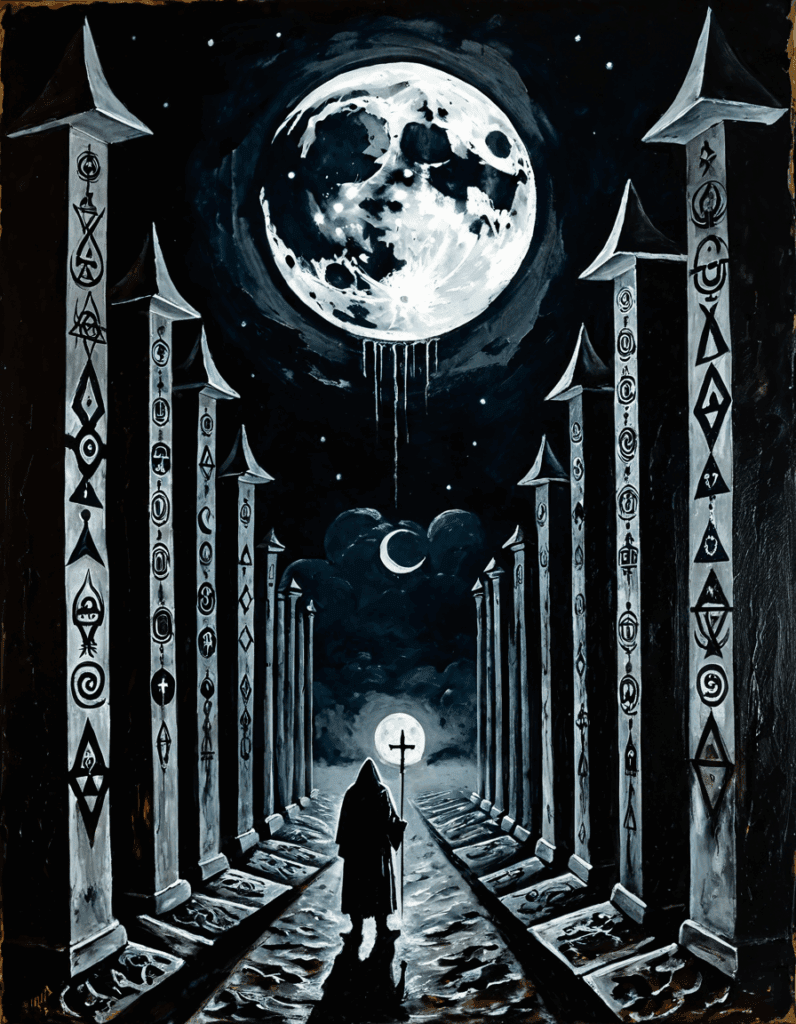
As America grapples with its intricate societal psyche, the phenomenon of the Cult Killer Emerges as a chilling narrative thread weaving through various disturbing stories across the nation. From infamous cult leaders to those transformed into specters of fear through their dark actions, the psychological allure behind these figures captivates many. This fascination raises essential questions about morality, influence, and the depths of human darkness.
Delving into the world of the Cult Killer Isn’t just about understanding horrific crimes; it’s also about examining the societal contexts these figures thrive in. With a blend of charismatic manipulation and psychological control, these leaders have left profound scars on American history. So, let’s take a closer look at seven infamous Cult killers Whose stories have shaped the narrative of America’s crime history.

7 Infamous Cult Killers Who Shaped America’s Crime History
The name Charles Manson is synonymous with cult violence. Orchestrating the Tate-LaBianca murders in 1969, he manipulated his followers into committing heinous acts. His apocalyptic beliefs and distorted vision for society resonate in pop culture and discussions about criminal psychology today. Manson’s chilling narrative remains a cautionary tale about the dangers of charisma without moral grounding.
David Koresh, leader of the Branch Davidians, merged religious zeal with a firearms obsession. His tragic standoff with the FBI in Waco, Texas, in 1993 led to the deaths of 76 individuals, including many children. Koresh’s twisted interpretation of scripture highlights the thin line between faith and fanaticism, prompting inquiries about the intersection of religion and violence in America.
The term Jonestown evokes dread. In 1978, Jim Jones led over 900 followers to commit mass suicide in Guyana through a concoction laced with poison. His psychological control over his followers remains a profound study in cult dynamics and mass hysteria. The enormity of this tragedy solidified Jones’s role in detailing the dangers of blind devotion and manipulation.
The 1997 Heaven’s Gate incident saw 39 members, led by Marshall Applewhite, take their own lives under the belief they would join a spaceship following the Hale-Bopp comet. This shocking event raised significant discussions on how technology underpins contemporary cult dynamics. Applewhite’s use of digital mediums to recruit members reflects the complex interplay between belief systems and modern tools of communication.
Psychologist Robert Hare is known more for his groundbreaking work on psychopathy than for leading a cult. His research illuminates the traits that allow individuals like Manson and Koresh to allure followers. Understanding these personality markers offers a crucial psychological framework for examining the phenomenon of the Cult Killer and the control paradigms these figures deploy.
The Twelve Tribes community has often been scrutinized for child labor and abuse allegations. This controversial religious group operates under an authoritarian structure led by figures like Gene Spriggs. Their isolated lifestyle raises pressing ethical questions about parenting practices within cult-like settings and how religious freedom can be misused as a guise for oppression.
The founder of Scientology, L. Ron Hubbard, can be viewed as another facet of the Cult Killer archetype. While many perceive Scientology as a legitimate religion, some activists argue that Hubbard engaged in manipulative practices that hurt members. His legacy evokes vital discussions on power dynamics in belief systems, continuing to fuel debate on what constitutes a cult versus a religion.
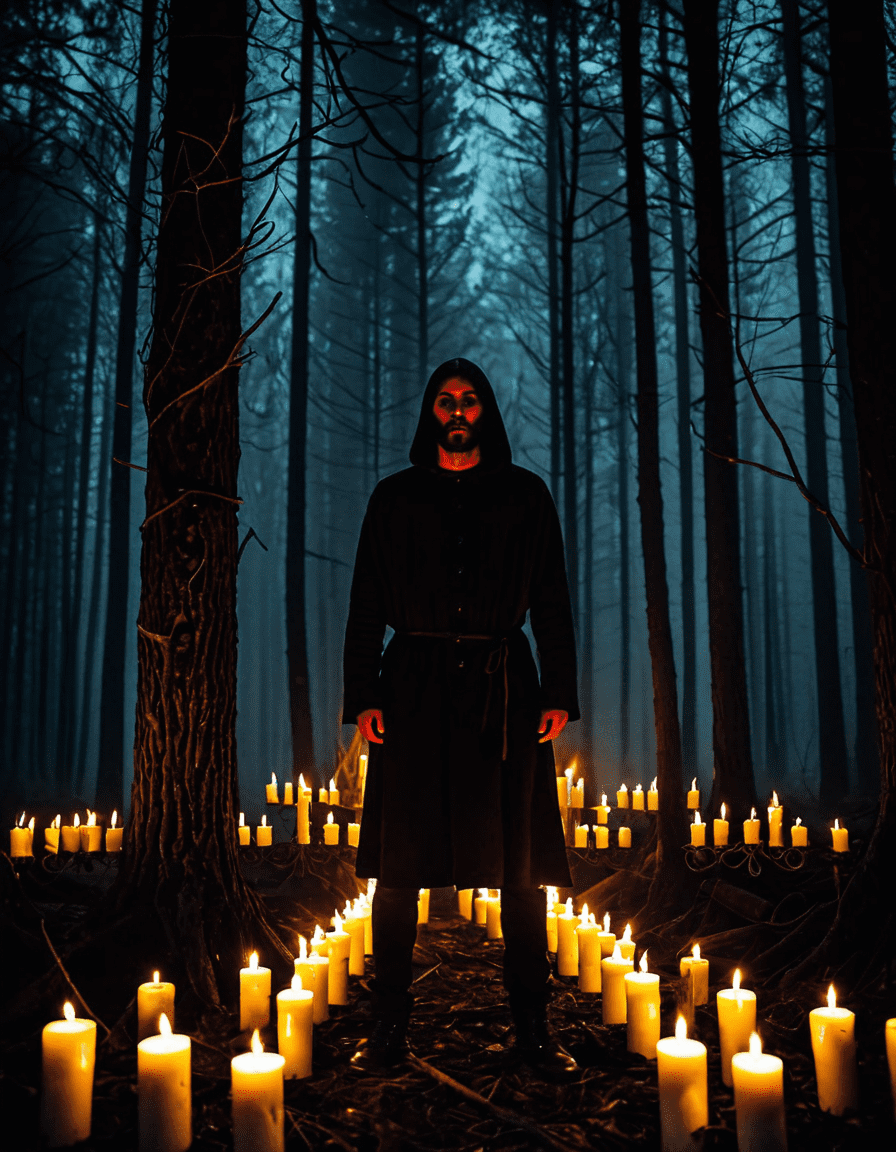
The Allure of the Cult Killer: Cultural Impact and Media Representation
The captivating depiction of Cult killers In media-through films, documentaries, and series-often sensationalizes their acts. Productions like the cinematic portrayals of Manson’s life and documentaries about Waco blur the lines between fact and fiction. This duality presents ethical dilemmas about representation, compelling us to ask: are we glorifying these figures, or simply peering into the dark side of human nature?
Moreover, video games also complicate our understanding of these narratives. Characters resembling Leisure Suit Larry Or provocative storytelling in other formats can unwittingly desensitize audiences to violence and manipulation. This mirrors the profoundly complex nature of Cult narratives, insisting that our understanding of good and evil isn’t straightforward in the tapestry of American culture.
Horror films, TV series, and true crime documentaries serve as both a source of entertainment and a mirror reflecting society’s fears and anxieties. While audiences consume these narratives with fascination, they must remain aware of their own emotional responses and the messages presented. The chilling tales of Cult killers Serve as reminders that darkness isn’t just an isolated phenomenon; it’s an integral part of our shared human experience.
Decoding America’s Darkest Stories: A Cautionary Tale
Reflecting on the notion of the Cult Killer Reveals that these figures tap into ingrained fears about trust, authority, and the vulnerabilities of the human psyche. As we explore cults and their dynamics, it’s important to examine both the traits of these killers and the external factors that allow their rise to power. This analysis serves not only as a study of criminal behavior but as a mirror reflecting our societal issues.
As audiences, we must look beyond mere observation and refine our critical thinking skills. These cautionary tales urge us to remain vigilant about influence and manipulation in our communities. Understanding the complex interplay of charisma and vulnerability may just help us recognize the shadows lurking even in our daily lives.
In a world brimming with narratives of Cult killers, it’s essential to seize the opportunity to engage thoughtfully with these stories. They aren’t just tales of horror but reminders of our shared humanity, inviting us to scrutinize the boundaries between personal beliefs and dangerous ideologies. As the conversation around Cult killers Evolves, embracing a responsible dialogue will shed light on our need for trust, connection, and the shadows we must always be wary of.
To really grasp the gravity of these narratives, become familiar with the lives behind the headlines, from compelling documentaries about Bloodhounds To the chilling Pizza Pirates Story, exploring how human nature can twist into darkness, and ultimately, how we can navigate towards understanding instead.
Cult Killer: Behind the Shadows of America’s Darkest Stories
Chilling Cult Killer Facts
Did you know that cult killers often thrive on the idea of a direct connection to their followers? This psychological grip can lead ordinary folks down a dark path. For instance, many see parallels between cult leaders and characters from folklore, such as Rumplestiltskin, who lures people into precarious situations with charm and deceit. The art of manipulation isn’t just creepy; it’s a powerful tool used in the shadows of cults, bringing the wittingly unwary to a chilling climax.
Another interesting angle is the unsettling blend of personas that cult killers often embody. Take Khymani James, who presents a façade that could resemble friendly neighbors. In fact, some say people in their communities would never suspect them of the unspeakable acts they might commit. This duality evokes the image of Dark Angels Among us, a stark reminder that appearances can be deceiving. Just like the common Chair pillow, which some might overlook, these killers can blend in seamlessly, hiding their true nature in plain sight.
The Heat Is On
As reported within those eerie towns and lands like Castaic, a Cult Killer’s allure can stem from a deeply ingrained need for control and belonging. The stories of Kassidy Cook Highlight how charming rhetoric often disguises a sinister agenda. Cult members may feel they’re part of something bigger, akin to a family they never had, all while being steered deeper into danger. It’s a captivating yet unsettling phenomenon that makes one ponder what lengths individuals might go to for acceptance. And talk about engaging! The intrigue around cult activities keeps the public on edge, much like the recent F1nn5ter leak That shook the online community.
In essence, the harrowing tales of cult killers are wrapped up in complex webs of manipulation, persuasion, and chilling charisma. Yet, the allure of these narratives, with their shadows and layers, offers a glimpse into the darker side of human nature, urging us to pay attention, lest we, too, become entranced. The world of cult dynamics keeps evolving, much like the characters in our favorite films, challenging our perceptions and leaving us captivated by the stories they tell.

This article was produced with AI assistance. How Loaded Video uses AI.
Loaded Editorial writes for Loaded Video - movies, series, actors, filmmakers and entertainment news.