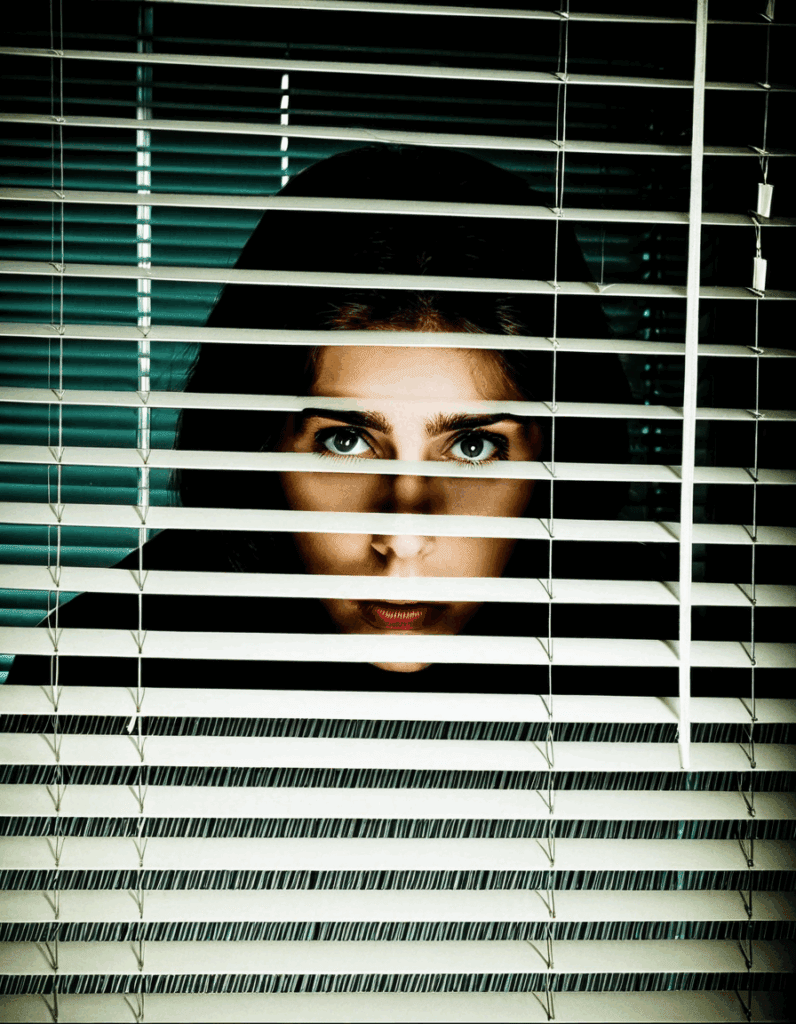
In the early 2000s, Disturbia Emerged not just as a movie, but as an iconic cultural phenomenon that reshaped the thriller genre. Directed by D.J. Caruso, and starring Shia LaBeouf, the film follows a homebound teen, Kale, who’s convinced that his neighbor is a serial killer. This tale is richly woven, thanks to Christopher Landon’s screenplay, which takes cues from Alfred Hitchcock’s classic Rear Window While adding a generous sprinkle of modern teenage angst. How did this perfect mix of creativity come together to give us a film that still haunts us today?
1. The Genesis of Disturbia: From Screenplay to Screen
Disturbia Started its journey with a potent screenplay stemming from personal experiences and societal fears. Landon, who faced the feelings of paranoia and isolation linked to suburban life, used those feelings to craft a narrative that resonates with youth. By tapping into the latent fears that grow during adolescence, he created a character that many teens could connect with.
As production kicked off, the collaborative atmosphere blossomed between Caruso and his team, adapting the screenplay to navigate a shifting landscape of viewer expectations. The film blends elements of suspense and horror, striking a chord with audiences grappling with their own fears of the unknown. In an era obsessed with digital communication and surveillance, Disturbia Gave voice to anxieties that many were feeling but could not articulate.
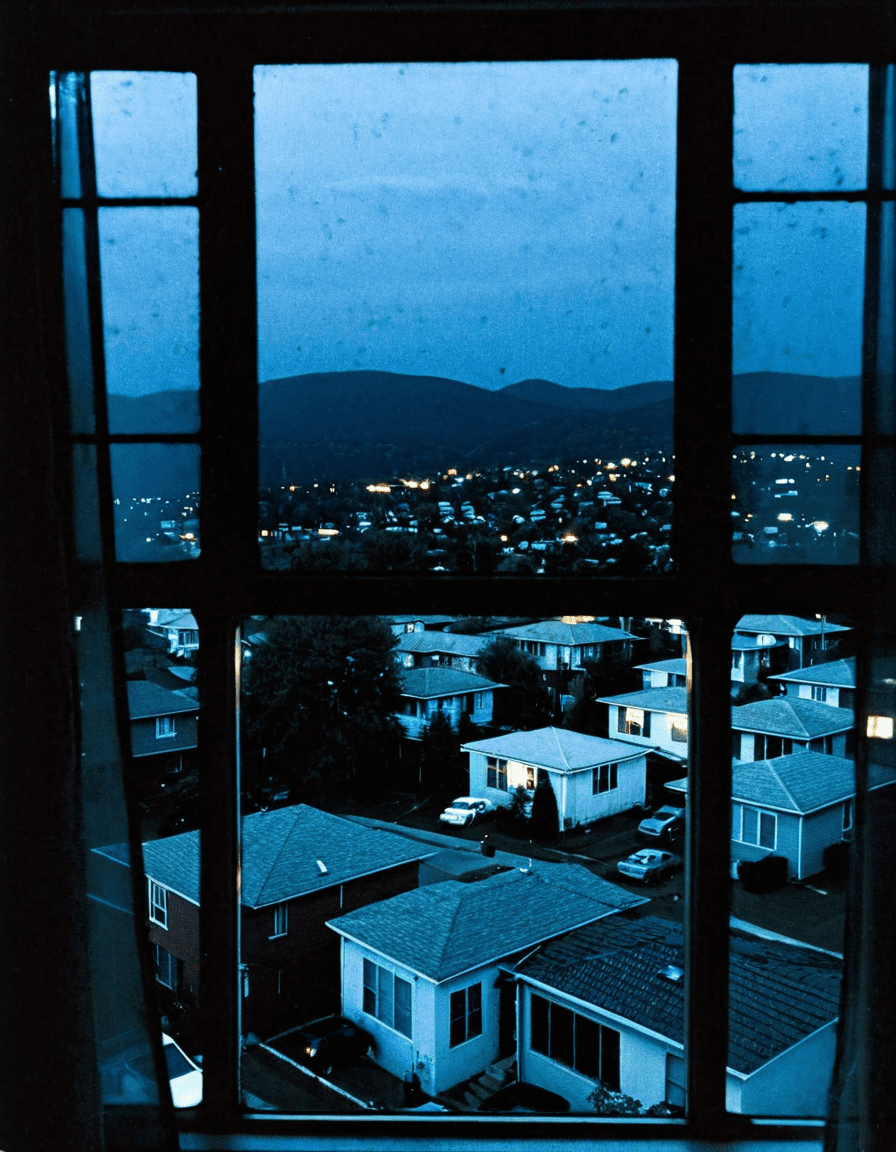
Moreover, the choice to focus on a suburban backdrop was no accident. It evoked memories of classic horror mixed with the everyday struggles of growing up. By combining the thrill of a possible serial killer with the routines of daily life, they tapped into a rich vein of tension and suspense that feels even more relevant today.
2. Top 5 Behind-the-Scenes Secrets of Disturbia
Here are five electrifying aspects that made Disturbia A standout entry in the thriller landscape:
The narrative draws heavily from the paranoia that can seep into suburban life. Landon infused the script with his own memories, making the experience of teen isolation and suspicion palpable. In fact, studies show that the very nature of suburbia can amplify feelings of claustrophobia, making Kale’s fear of his neighbor resonate deeply.
LaBeouf’s journey from child star in Even Stevens to a more complicated and darker role was born out of a desire to shed his previous image. The casting process was extensive, reportedly considering other notable actors, but LaBeouf delivered the rebellious spirit and nuanced vulnerability Kale needed. His performance serves as a powerful testament to the adolescent struggle between innocence and a challenging reality.
The film’s soundtrack contributed significantly to its pulse-pounding essence, with AC/DC tracks amplifying the adrenaline rush. The song “Stiff Upper Lip” provides an edgy backdrop that keeps viewers on the edge of their seats, a testament to the filmmakers’ grasp of mood and story. It’s fascinating how music can elevate a film, making the audience feel more invested in the unfolding drama.
Surprisingly, Disturbia’s visual storytelling drew inspiration from the video game Metroid. The themes of exploration and survival paired with the excitement of being hunted shaped the film’s pacing and cinematography. These elements not only created a sense of urgency but also a chilling atmosphere that echoes throughout the film.
Disturbia has left footprints in various media, often cited in shows like NCIS, where themes of surveillance continue to intrigue audiences. Its cinematic echo can also be seen in platforms like Jokerotv, where suspenseful plots thrive on voyeuristic tendencies, embodying the spirit of what Disturbia originally captured.
3. The Role of Social Commentary in Disturbia’s Narrative
At its core, Disturbia Isn’t just about thrills; it mirrors pressing social issues. The film touches on themes like teenage isolation, evolving voyeurism in the digital age, and the erosion of personal privacy due to constant surveillance. As we step into 2026, the film’s critique on technology feels even more urgent, as our entire lives become increasingly documented and scrutinized.
With social media platforms expanding exponentially, the feelings of mistrust and fear that Disturbia Showcases resonate strongly. The film does an admirable job interpreting how connectivity can lead to new societal challenges, echoing the existing debates about privacy and the implications of living under constant observation.
In a rapidly changing society where nothing seems sacred, Disturbia Serves as a window into generational fears. The dialogue it starts around privacy and surveillance makes it a cautionary tale relevant to both its time and ours.
4. The IMDB Legacy: Disturbia’s Reception Over Time
Disturbia Holds a commendable rating on IMDb, remaining a must-see thriller for both newcomers and long-time fans. Over the years, critiques have evolved, revealing deeper insights into its thematic elements. While initially celebrated for its entertainment value, the film has prompted ongoing discussions about its societal implications, striking a balance between action-filled fear and thoughtful commentary.
The film’s success points to a careful blending of genres, making it stand out among contemporaries. As audiences dissect the film’s layers, it becomes clear that it’s more than just a tale of suspense; it’s a reflection on what it means to observe and be observed.
With evolving perceptions, Disturbia Encourages a continual examination of social norms, fostering a dialogue that remains vital in today’s cultural landscape. It’s not merely about the thrills; it’s a piece of art that makes you think twice about what lurks beyond your window.
A Lasting Impact: Why Disturbia Still Haunts Us Today
The narrative and craftsmanship behind Disturbia Intertwine in such a way that its impact resonates long after the credits roll. As we assess societal fears and teenage conflicts in 2026, the film’s exploration of voyeurism and communal trust becomes more relevant than ever. Its eerie undertones lead us to question: how aware are we of those who share our living spaces, and what secrets lie within?
Through its coupling of horror and relatable experiences, Disturbia Continues to ignite conversations, compelling critiques while prompting introspection among audiences. Its unique blend of factors solidifies it as a classic thriller that remains culturally significant, reminding us all of the unpredictable nature of the familiar.
Disturbia Isn’t simply a thrilling watch; it encapsulates how fear and oversight today shape our experiences. As it evolves with its audience, the film stands as both an entertainment piece and a cultural touchstone for understanding our paranoia and curiosities. So the next time you catch a glimpse of your neighbor, you might just wonder-what’s really going on behind closed doors?
Disturbia: The Terrifying Secrets Behind the Iconic Thriller
Behind the Scenes Anecdotes
Did you know that Disturbia Was inspired by Alfred Hitchcock’s classic Rear Window? Director D.J. Caruso took that concept and gave it a modern twist, crafting a teen thriller that resonated with audiences. Let’s face it, the film’s suspenseful vibe echoing through a suburban landscape hit home with everyone stuck inside during the pandemic. This film became a touchstone of the mid-2000s, capturing that eerie tension of watching too closely. Interestingly, the film stars Shia LaBeouf, who, after Disturbia, went on to build a career filled with surprising choices, including an eclectic venture into performance art. If you’re intrigued by Shia’s artistic progression, take a peek at his recent projects, you might catch a glimpse of his evolving style alongside the likes of other stars.
Hidden Easter Eggs
Disturbia Lays a treasure trove of references and easter eggs within its thrilling plot. Fans have speculated that the film features nods to pop culture icons, from the eerie background music reflecting vibes reminiscent of The Who To clips of classic horror films playing on the TV. Such clever placements keep viewers on their toes, prompting them to look closer-it’s like a popcorn-flavored puzzle. Speaking of clever placements, did you catch the moment when the neighbor’s house practically looks like a scene from Doctor Strange With its unpredictable angles? This adds a layer of surrealism that heightens the tension. Plus, if you’re curious about other knock-out performances, check out Utkarsh Ambudkar’s movies and TV shows, where he made his mark long before he became a household name.
Cultural Impact & Legacy
This film didn’t just dig into a thrilling narrative; it tapped into the zeitgeist of its time. The blend of teen angst, suburban fears, and the anxiety of being connected-Disturbia Personified the 2000s. You might find it fascinating that just like in that era, today’s audiences are drawn to content that evokes both nostalgia and intrigue. Sabrina Carpenter’s lyricism in her song “Espresso” touches on similar themes of escapism, reflecting how new generations continue to engage with modern fears rooted in classic storytelling. And if you want a lighter twist on snacks during your next movie marathon, think about Low fat peanut butter To keep things tasty without the guilt!
So when you stream Disturbia Next, remember these fun tidbits. With its rich tapestry of layers, shout-outs, and cultural relevance, there’s much more than meets the eye in this thriller that left an undeniable mark on audiences everywhere. Who knows? Maybe you’ll find yourself studying the nuances just like the nearby characters did, revealing what it truly means to be a voyeur in a digital age.
This article was produced with AI assistance. How Loaded Video uses AI.
Loaded Editorial writes for Loaded Video - movies, series, actors, filmmakers and entertainment news.