

The phrase “Fear and Loathing in Las Vegas” Encapsulates more than just Hunter S. Thompson’s gripping narrative. It embodies the chaotic ethos of a generation grappling with liberation amid societal upheaval. When the film adaptation hit screens in the early 1990s, directed by the visionary Terry Gilliam, it transformed a literary classic into a mind-bending visual experience, rich in symbolism and cultural commentary. In this article, we’ll dive deep into the legacy of Thompson’s tale, exploring its lasting themes, cultural implications, and eerie reflections in today’s society.
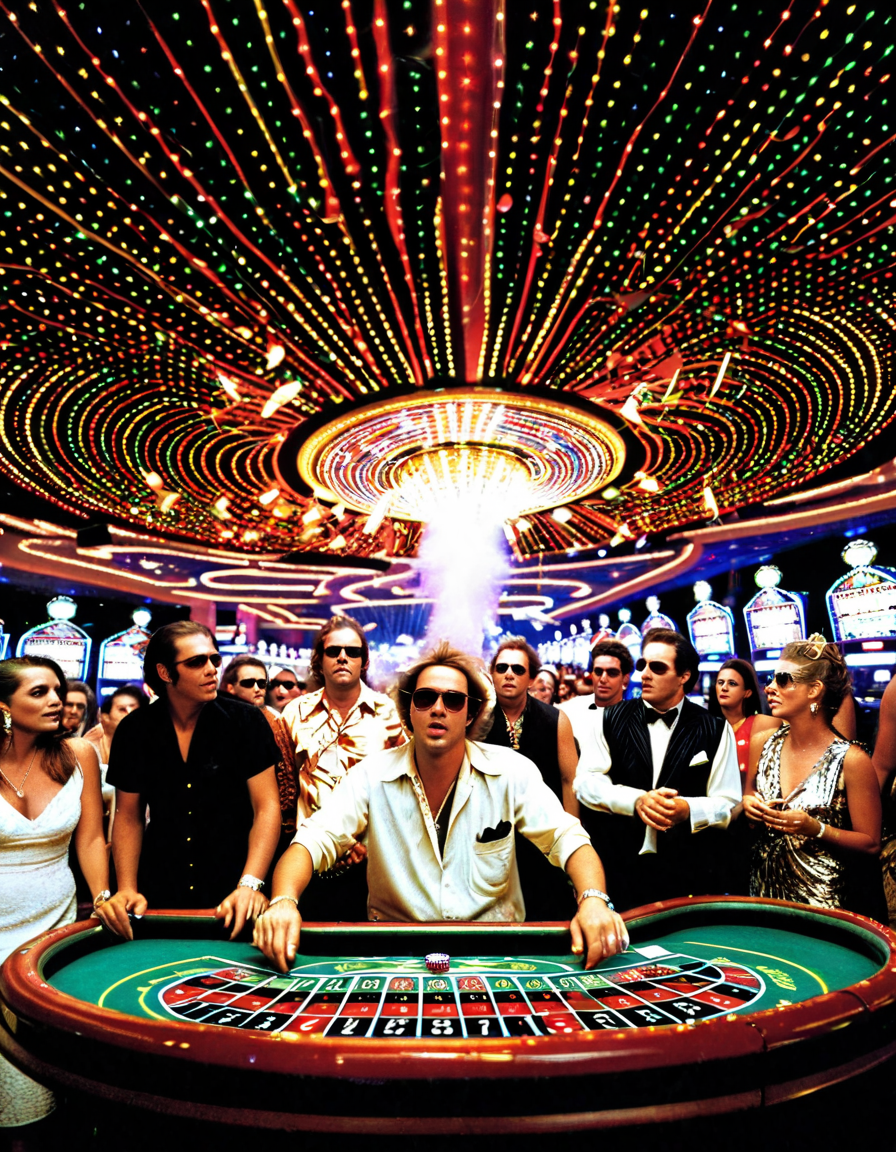
7 Eerie Echoes of ‘Fear and Loathing in Las Vegas’ in Today’s Culture
1. The Rise of Influencer Culture: Modern-Day Gonzo Journalism
Today’s influencers, such as Khaby Lame and Addison Rae, have taken cues from Thompson’s candid explorations. They exhibit a Gonzo-inspired Style, showcasing authenticity through curated personas. This phenomenon mirrors Thompson’s critique of the mass media and the truths buried in chaos. Just as Thompson wielded his pen like a sword in a world of pretense, today’s influencers shape narratives through carefully crafted videos, revealing the artifice behind their polished images.
2. Substance Use and the Sodom and Gomorrah Effect
We’re witnessing a modern-day revival of psychedelics that echoes the Sodom and Gomorrah themes present in Fear and Loathing in Las Vegas. With cities like Denver legalizing psilocybin mushrooms, society is embracing an intoxicating allure akin to Thompson’s hallucinogenic escapades. This liberalization raises profound questions about morality and chaos, as drug culture continues to intermingle with the search for spiritual experiences, illuminating our collective desires and fears about substance use.
3. Corporate Culture: Vanity Fair’s Critique of Materialism
Thompson’s portrayal of consumerism hits home today, as brands like Amazon epitomize a hedonistic “customer-first” philosophy. This relentless pursuit mimics the characters’ escapades in Las Vegas, where material wealth masks deeper shortcomings. The rise of the gig economy showcases individuals chasing validation in a dizzying race for financial gain, raising the same existential questions Thompson posed about happiness and fulfillment.
4. Political Disillusionment: A Primal Scream
The political chaos depicted in the original film reflects today’s turbulent political landscape. Figures like Alexandria Ocasio-Cortez represent a stark contrast to the status quo, channeling disillusionment reminiscent of Thompson’s critiques. This primal scream against societal norms resonates with a generation longing for authenticity and purpose amid the chaos-just as Thompson did during the 1970s.
5. Virtual Reality as a Modern Trip
In our quest for escapism, virtual reality (VR) mirrors the hallucinatory experience of Thompson and Duke. Platforms like Oculus Quest offer experiences that fuse reality with fantasy, allowing users to plunge into their own versions of madness. This shift prompts existential reflections reminiscent of Thompson’s phrases, making viewers question what’s real and what’s just a trip.
6. Pop Culture and Satire: The New Fear and Loathing
Contemporary shows like Atlanta And The Boondocks Wield satire resembling Thompson’s approach, challenging societal norms and identity amid absurdity. They powerfully dissect modern life, unveiling complexities akin to Thompson’s work that resonates even decades later. The bold narratives explore race, politics, and culture, engaging audiences as deeply as Thompson’s writings inspired earlier generations.
7. The Digital Sodom and Gomorrah: America’s Online Underbelly
The dark web serves as today’s digital Sodom and Gomorrah, echoing the depravity portrayed in Fear and Loathing in Las Vegas. Anonymity online breeds reckless abandon, creating a landscape where chaos flourishes unrestrained. This parallel nudges us to examine the moral complexities of our digital existence and challenges us to confront the narratives we construct in the shadows.
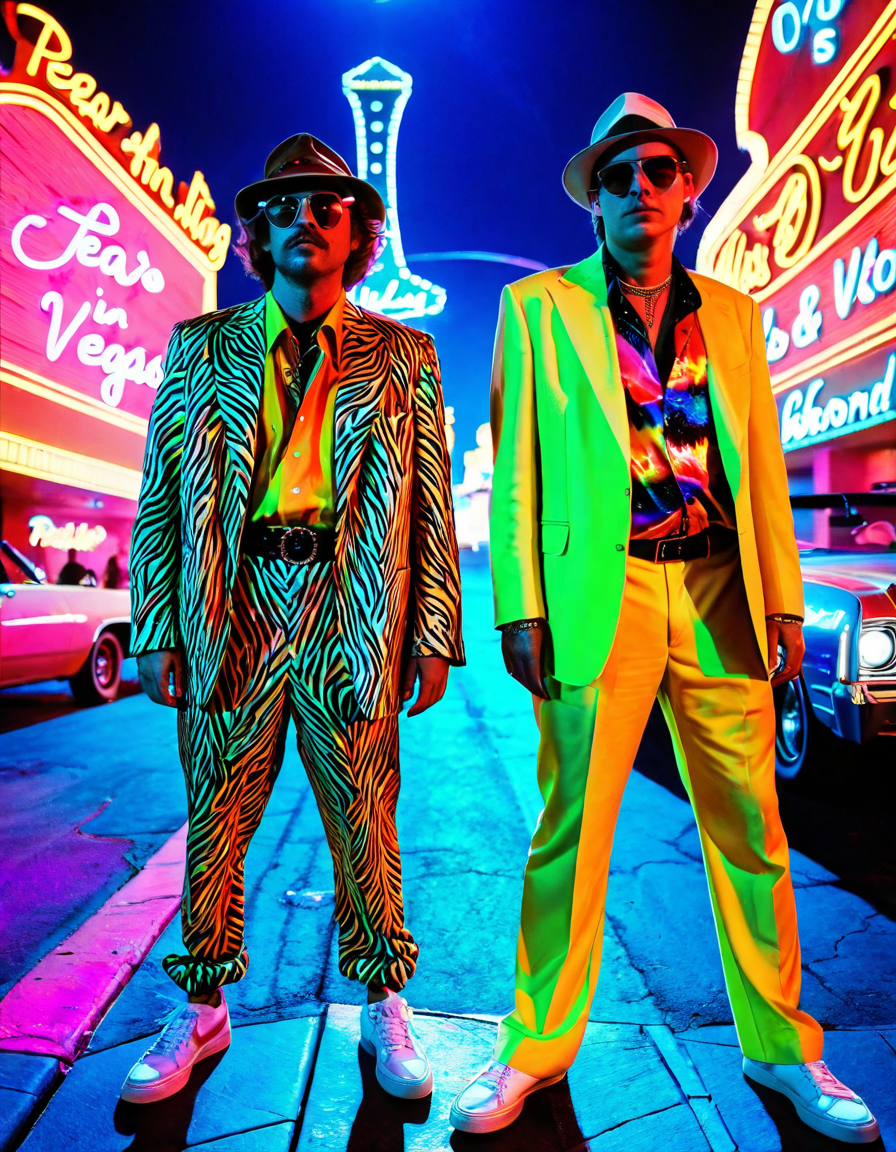
Exploring the Psychological Depths of Thompson’s Narrative
Thompson’s journey through madness isn’t solely a tale of drugs and hedonism; it’s a window into the broader human experience. His vivid, often surreal portrayals act as mirrors reflecting our societal fears and desires, continuing to haunt us as we grapple with identity, morality, and purpose. The chaotic moments depicted invite introspection about our day-to-day realities, forcing us to contemplate our own journeys through despair and desire.
Surrealism Comes to life in Fear and Loathing in Las Vegas, where reality and hallucination blur. This vivid style breaks traditional bounds, positioning madness as an inherent part of our existence rather than merely a side effect of excess. We’re prompted to reflect on questions surrounding sanity, freedom, and the American Dream, as figures traverse a landscape rife with contradictions.
Navigating the Legacy of Fear and Loathing
Thompson’s unflinching lens reveals critical aspects of the human psyche: a relentless desire to escape harsh realities, whether through rage, revelry, or technology. By exploring the concepts of Sodom and Gomorrah, we engage with moral dilemmas that persist in our lives, now amplified through screens and gadgets.
The pursuit of pleasure often leads to chaos, resonating with Thompson’s insights. His journey through madness feels as relevant today as it did decades ago; the essence of his criticisms continues to echo within our modern struggles. As society evolves, so too does the expression of madness, inviting us to think deeply about our collective destiny and whether the madness we contend with is a reflection of our societal constructs or an intrinsic part of human existence.
In closing, Fear and Loathing in Las Vegas Remains a profound exploration of what it means to be human within a chaotic world. Thompson’s work urges us to confront our desires, fears, and the nature of our reality. In an age where the line between the virtual and actual continues to blur, the journey through madness is a narrative that’s far from over; it’s merely transformed into new expressions yet again. The journey invites us into a reflection on becoming aware of the depths of our madness, amplifying the spirit of Fear and loathing in Las Vegas For generations to come.
Fear and Loathing in Las Vegas: Journey Through Madness
A Trip Through the Mind of Madness
“Fear and Loathing in Las Vegas” isn’t just a wild ride; it’s a reflection of the chaotic 70s and a commentary on the American Dream gone awry. The film, directed by Terry Gilliam and based on Hunter S. Thompson’s iconic novel, pushes the boundaries with its vivid visuals and psychedelic narrative. Fun fact: the movie features a striking performance from Richard Attenborough, who added gravitas to a film that’s anything but conventional Source). So, if you think you’ve seen it all in cinema, just wait! The characters, Raoul Duke and Dr. Gonzo, brilliantly brought to life by Johnny Depp and Benicio del Toro, dive into a world riddled with surreal moments that make you question reality itself. You might even feel like you’re bouncing around with High liver Enzymes After trying to keep up!
Behind the Haze of the City
As effective as the film is in depicting madness, it also holds a mirror to the social issues of its time. Did you know that the chaotic atmosphere of Las Vegas seen in the film represents more than just excess? It reveals the psychological impact of life on the edge. In today’s world, many people can relate to those feelings and may start looking for Mental health Therapists near me To cope with their own challenges. And, let’s be honest, who wouldn’t need one after navigating such a wild narrative alongside Duke and Gonzo? The animated sequences, especially, induce a sense of reality that feels like floating on H2O-calm yet treacherous Source).
Pop Culture and Lasting Legacy
In the light of the film’s eccentricities and layered messaging, it’s fascinating to examine its influence on pop culture. For example, can you see the echo of this film in the Seinfeld cast‘s antics? Much like the duo’s wild escapades, the sitcom excels at exploring absurd and uncomfortable social situations Source). Plus, let’s talk about the character development; it’s almost as if these guys operate like characters from classic Meryl Streep movies-layered and complex but utterly relatable Source). Regardless of where you stand on the film’s impact, it’s a piece of cinema that keeps sparking conversation long after the credits roll.
So next time you’re in Vegas and feeling the madness creep in, remember that you’re not just on a trip-you’re part of a larger cultural narrative. Just be careful; you wouldn’t want to end up like the characters, living out their fear and loathing in Las Vegas.
This article was produced with AI assistance. How Loaded Video uses AI.
Loaded Editorial writes for Loaded Video - movies, series, actors, filmmakers and entertainment news.