

The Battle of Gettysburg, fought from July 1 to July 3, 1863, stands as one of the most critical moments in American history. This fierce clash not only marked a turning point in the Civil War but also set in motion a series of events that reshaped America’s identity, politics, and position in the world. The reverberations of Gettysburg still echo today, offering insights into the broader fabric of American life. By diving deeper into its secrets, we can unravel the threads that wove the nation’s contemporary understanding of democracy and equality.
Top 7 Gettysburg Battle Secrets That Forever Changed America
While notable figures like General George Meade and General Robert E. Lee dominate the narrative, several lesser-known truths about the Battle of Gettysburg played crucial roles in steering the course of American history.
1. The Strategic Importance of the High Ground
Gaining control of the high ground at Gettysburg-Little Round Top, Cemetery Ridge, and Cemetery Hill-was vital for tactical advantages. Union forces effectively occupied these areas, enabling them to deploy artillery strategies that shifted the battle in their favor. This strategic maneuver underscored a lesson for military leaders for generations: the value of topography in conflict is nothing to overlook.
2. The Impact of Civilian Involvement
The Gettysburg community’s involvement during and after the battle truly exemplified American resilience. Local farmers didn’t just stand by; they became makeshift medical personnel, treating the wounded in their own homes. This act of volunteerism built a foundation for post-war reconciliation efforts, influencing how the nation began to view citizen participation in times of crisis. The essence of community service laid its roots deep in American soil, establishing expectations for future citizen roles during emergencies.
3. Gettysburg Address: A Redefinition of Freedom
Fast forward to November 19, 1863, when President Abraham Lincoln delivered the Gettysburg Address, forever transforming the battle’s meaning. By framing the war as a conflict for human equality rather than simply a fight for the Union, Lincoln shifted public perception and motivation. This new narrative didn’t just redefine freedom; it paved the way for future civil rights movements. The Address solidified the idea that Americans fought not only to protect their nation but also to evolve it into a beacon of democracy.
4. The Myth of Lee’s Invincibility
Up until Gettysburg, General Robert E. Lee was perceived as an invincible leader. However, the defeat at this battle crashed that illusion, dramatically shifting Southern morale and strategy. Lee’s fallibility led to significant changes in the Confederacy’s tactics and the overall strategy moving forward. This newfound skepticism about Lee’s abilities had lasting effects on the Confederacy, showing them that victory wasn’t guaranteed.
5. The Shift in Media Coverage and Public Perception
The Battle of Gettysburg received tremendous media coverage, bringing the war’s brutality home to the civilian population. Newspapers unfolded graphic details and stories of heroism that stirred outrage and mobilized public sentiment against the bloodshed. This shift in media coverage wasn’t just a momentary trend; it fundamentally transformed American public opinion on warfare and laid a groundwork for how future conflicts, such as World Wars I and II, would be portrayed and received.
6. Turning the Tide for the North’s Strategic Thinking
Victories at Gettysburg led to crucial shifts in Northern military strategies. Union leaders began to adopt more daring, offensive tactics rather than relying solely on the defense. This resilience and strategic boldness resulted in a series of Union victories that ultimately contributed significantly to the Confederate’s defeat. The battlefield lessons were not merely tactical; they reflected broader shifts in thinking about how to wage war effectively.
7. Lessons on Leadership and Morale
Gettysburg also revealed critical lessons about leadership styles and their impact on morale. Meade’s defensive strategies contrasted sharply with Lee’s overly confident tactics, offering up a broader discussion on the balance needed between confidence and caution. The leadership dynamics witnessed at Gettysburg offer timeless lessons for both military and civilian sectors. Ultimately, they highlight how effective leadership must engage with the human spirit and morale to lead successfully.
The Enduring Legacy of Gettysburg in Modern America
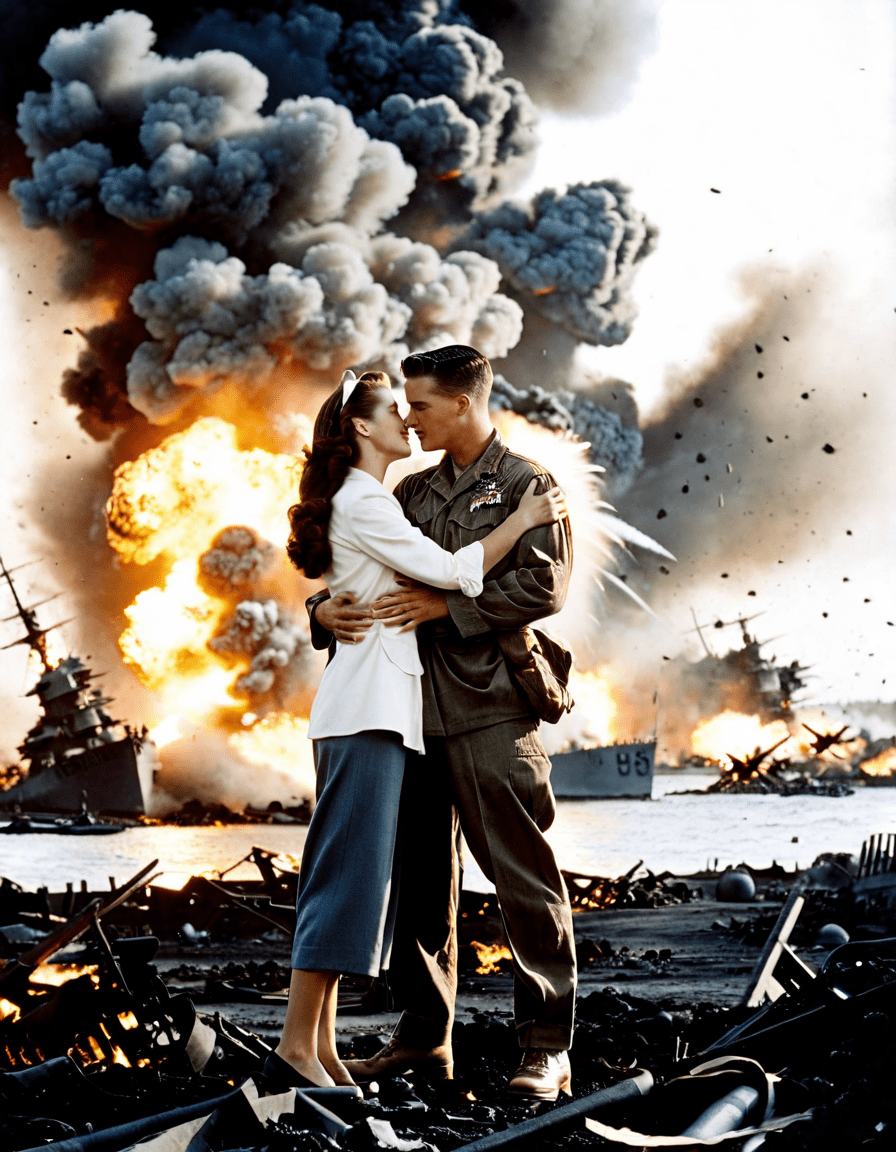
The secrets unraveled at Gettysburg dive deeper into a transformative period in American history, extending their influence beyond the battlefield. This battle initiated conversations around democracy, equality, and citizen involvement that resonate even today. Much like the surprising attack on Pearl Harbor that jolted a nation into WWII, Gettysburg prompted a reevaluation of what it truly means to be American.
The clash delineated a dramatic pivot in the nation’s narrative, advocating for a society that fights not just for survival, but for its principles and values. The dialogue it ignited continues to reverberate through contemporary discussions on civil rights, freedom, and national identity. The Battle of Gettysburg signifies a moment not just of military challenge, but of a profound vision for what America could become.
Incorporating these lessons into discussions about modern America reminds us that the sacrifices made at Gettysburg weren’t just about winning a war, but about building a future where freedom and equality could flourish. Just as contemporary filmmakers craft narratives that challenge societal norms, the lessons from Gettysburg remind us daily that our history can spur new directions, pushing us toward a more equitable society. Whether it’s through stories like Once Upon a Time in America Or the exhilarating action of “Spider-Man: Across the Spider-Verse, the legacy of Gettysburg lives on, inciting conversations that remain more relevant than ever as we navigate the complexities of our identities and values as a nation.
Gettysburg: Secrets That Changed America Forever
The Battle’s Intriguing Background
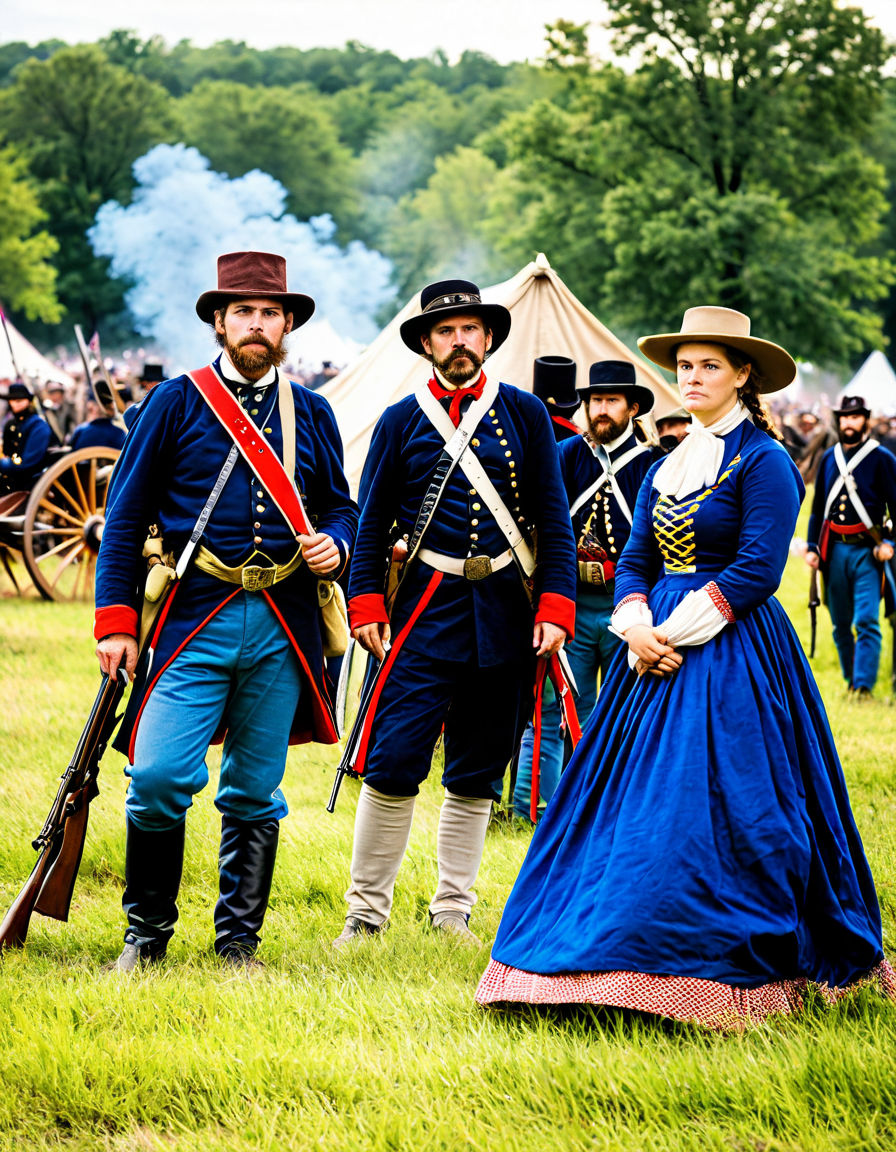
The Battle of Gettysburg wasn’t just another clash of arms; it was a turning point in American history. Fought from July 1 to July 3, 1863, this fierce battle led to more than 50,000 casualties, but it also significantly altered the course of the Civil War. Did you know that President Abraham Lincoln delivered his iconic Gettysburg Address just months later? This brief but powerful speech helped redefine the nation’s values and our understanding of liberty. The battlefield itself has seen countless reenactments, often sparking the interest of historians and filmmakers alike, leading to projects like the recent adaptations inspired by stories of valor and sacrifice, akin to the narrative style found in indie projects like Monte Cristo.
Untold Stories and Trivia
Here’s a fun fact: the Confederates had a secret weapon before the battle-the famous spy, Belle Boyd, who provided crucial intel to General Stonewall Jackson. Her prowess on the battlefield was akin to characters in modern storytelling, perhaps like those in the animated series Rwby, where each character plays a unique role in shaping the story’s outcome. Additionally, Gettysburg was the site of the largest cavalry battle in North American history, proving the significance of horse-mounted troops in warfare back then. Speaking of creativity, think about how films like Spider-man : Across The Spider-verse Weave narratives that mirror the complexity of these historical moments.
Uncovering the Impact
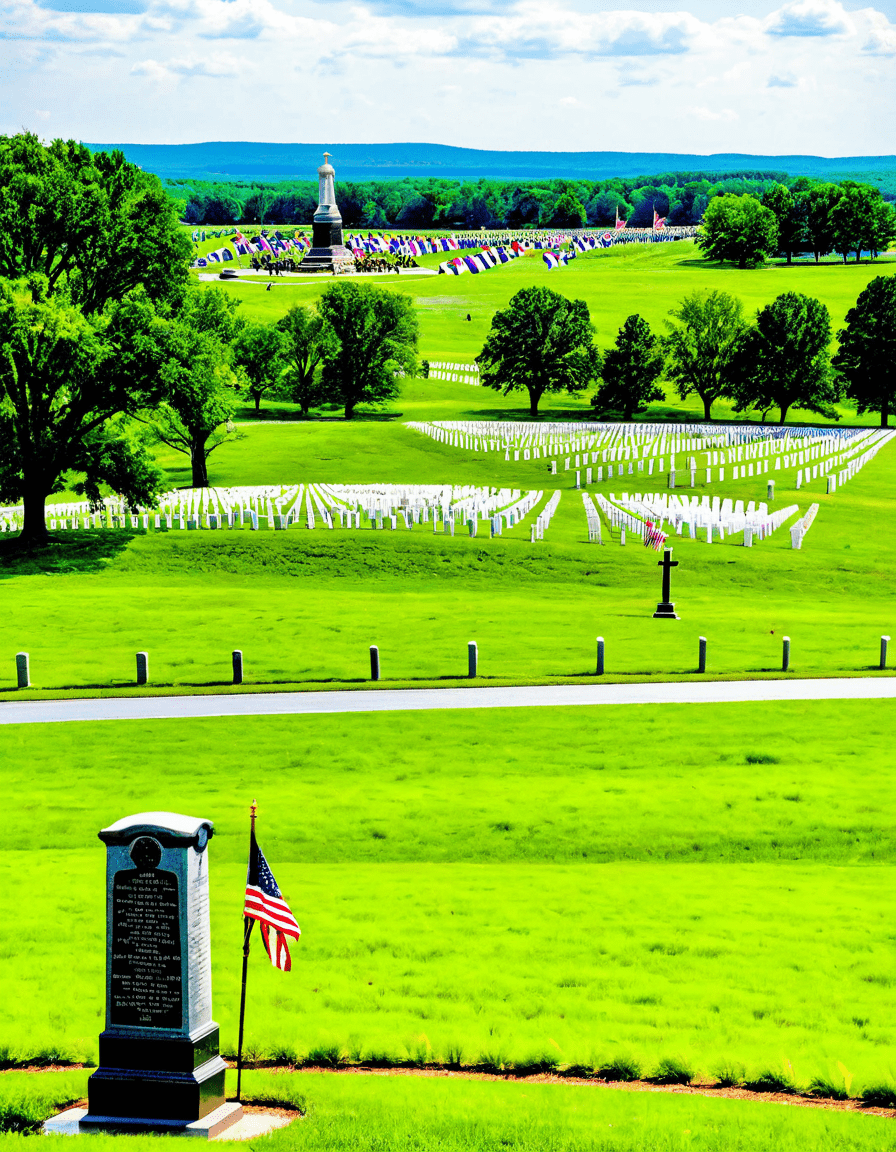
The aftermath of Gettysburg didn’t just affect the soldiers and their families; it reshaped the nation’s mindset. This battle fueled the push for emancipation, making it a pivotal moment in the fight against slavery. For instance, seeing thousands of soldiers risk their lives for freedom can remind you of the chilling scares and themes present in horror films, not unlike the gripping narratives found in the Terrifier cast, which creates a mix of fear and intrigue. In addition, the Gettysburg area is now a major educational hub, drawing countless visitors eager to learn more about that fateful summer day, similar to travelers flocking to folks reminiscing about the beauty of Turks And Caicos all-inclusive Deals, where history meets tropical relaxation.
Gettysburg’s legacy doesn’t just linger in history books; it continues to inspire literature, art, and today’s storytelling methods, much as how artists like Nancy Wilson Channel their experiences into evocative melodies, ensuring that the spirit of remembrance carries on through time. With every revisit to the site, whether physically or through artistic interpretation, the echoes of Gettysburg remind us of the values we still cherish today and the lessons we carry into tomorrow.
This article was produced with AI assistance. How Loaded Video uses AI.
Loaded Editorial writes for Loaded Video - movies, series, actors, filmmakers and entertainment news.