Sergio Leone’s Once Upon a Time in America Stands as a monumental piece in film history, capturing the intricate weave of narrative style and character development. This crime drama, released in 1984, offers a unique look at the American Dream through the lens of organized crime. Beyond its controversial release and lengthy run-time, it sets a foundation for exploring complex storytelling in film. The film not only elevates the gangster epic genre but also serves as a cultural artifact reflecting its era, influencing both filmmakers and audiences alike up to this day.
Once Upon a Time in America Shakes the ground of conventional filmmaking. The narrative spans several decades, exploring friendship, betrayal, and the unending quest for power. Leone’s distinctive vision allows viewers to see the crumbling ideals of the American Dream through the eyes of flawed characters. This epic tale hasn’t lost its allure; instead, it captivates new generations, encouraging an introspective look at our own aspirations and missteps.
The film’s extensive portrayal of time and place resonates deeply with viewers, calling to mind the intricate storytelling styles seen in modern cinema. As we dissect its legacy, we uncover a trove of inspirations that’ve been seeded in the works of countless filmmakers today. Here’s how Once Upon a Time in America Has influenced films that followed.
Top 5 Influences of Once Upon a Time in America on Modern Cinema
Once Upon a Time in America employs a fragmented narrative structure that poses a challenge to traditional storytelling. This non-linear format is echoed in films like Memento by Christopher Nolan and Pulp Fiction by Quentin Tarantino. Both films demonstrate how fragmented timelines can heighten suspense and emotional engagement, inviting audiences on a captivating journey through time.
The film’s protagonist, Noodles, embodies moral ambiguity that lays the groundwork for modern anti-heroes. Today’s viewers may find echoes of Noodles in characters from shows like Breaking Bad and The Sopranos, where their imperfections and internal struggles invite us to empathize. This shift toward complex, multi-dimensional characters invites a deeper exploration of human nature and choices.
By blending individual narratives with broader historical events, Once Upon a Time in America draws parallels to Quentin Tarantino’s Once Upon a Time in Hollywood. Both films juxtapose personal journeys against the backdrop of significant historical milestones, allowing viewers to appreciate the richness of cultural evolution. The stars and stories intertwine, creating a beautifully layered cinematic experience.
The haunting score by Ennio Morricone in Once Upon a Time in America set a high bar for the emotional weight music can deliver in film. Filmmakers today, such as those behind Angels in the Outfield, continue this tradition by seamlessly blending music with storytelling. The careful selection of scores shapes how viewers connect with characters and themes, proving that sound can elevate narratives significantly.
Central themes of loyalty and betrayal echo powerfully throughout the film, highlighting the fragility of relationships. Modern narratives in films such as Goodfellas and The Departed delve into similar territory, showcasing the moral complexities of friendship in a world where trust can unravel. This exploration speaks to audiences on a personal level, reminding us of the high stakes of our own connections.
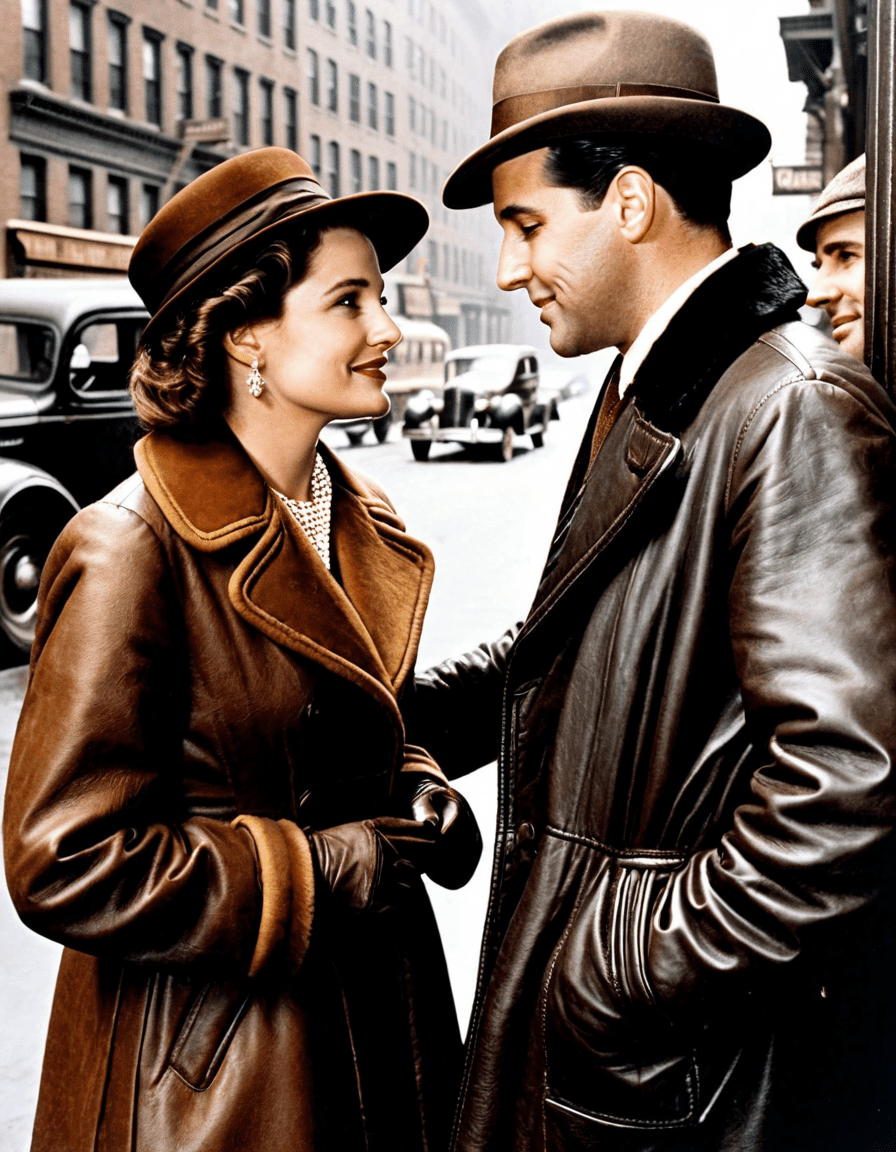
Once Upon a Time in Hollywood: A Parallel Narrative Journey
Tarantino’s Once Upon a Time in Hollywood Serves as a homage to the cinematic landscape that Once Upon a Time in America Helped shape. The stylistic choices made reflect a mutual reverence for film history, celebrating both narrative techniques and the Hollywood culture of their respective eras. The casting of Leonardo DiCaprio and Brad Pitt mirrors the star-studded dynamic of Leone’s film, where character relationships significantly propel the narrative forward.
In Tarantino’s film, themes like nostalgia and the impact of change resonate with audiences, similar to how Once Upon a Time in America Captures the essence of its time. The emotional stakes and risks portrayed emerge as a centerpiece in both narratives, drawing viewers into the characters’ lives. Just as Leone encouraged reflection on American identity, Tarantino pays tribute to the history and evolution of Hollywood itself.
This parallel journey underscores the lasting influence of Once Upon a Time in America, as modern filmmakers continue to explore stories steeped in the complexities of time and culture. With unforgettable performances and intrinsic narrative depth, both films entrench themselves in the minds and hearts of viewers today.
Analyzing the Once Upon a Time Cast: Stars Who Shaped the Narrative
The casting choices in Once Upon a Time in America Played a crucial role in its storytelling efficacy. Robert De Niro, James Woods, and Elizabeth McGovern brought their characters to life, infusing emotional depth into the narrative. Their performances helped shape the film’s central themes, offering layers of complexity that echo through to actors in today’s Hollywood films.
Much like the Once Upon a Time in Hollywood cast, who merge veteran experience with rising talent, the casting in Leone’s film speaks volumes. Each character’s portrayal shows how nuanced performances can elevate narrative weight and thematic resonance. This focus on powerful performances continues in contemporary cinema, where casting often determines the effectiveness of storytelling.
As we reflect on these characters, it’s clear that the legacy of the Once Upon a Time cast Lives on. Their performances inspire a new generation of actors, illustrating the importance of depth and authenticity in fictional interpretations of reality.
Final Thoughts: Embracing the Epicness of Storytelling
The storytelling mastery of Once Upon a Time in America Continues to captivate new generations of filmmakers and viewers alike. As audiences delve into the intricate narratives of both classic and modern cinema, Leone’s influence remains undeniable. Contemporary storytellers are not merely retelling tales; they are weaving new narratives that reflect the ever-evolving landscape of human experience, much like the films discussed here.
The legacy of characters, narratives, and cultural explorations introduced in Once Upon a Time in America Remains pivotal. These creators challenge us to look beyond the surface and find meaning in every frame. From reflections on friendship and betrayal to the haunting notes of a masterful score, the cinematic journey started decades ago continues to weave itself into the fabric of modern cinema, forever altering how we experience film.
In a world flooded with quick hits, Leone’s epic reminds us to take a moment and appreciate the grand tapestry of storytelling that connects us all. Time may change, but great cinema stays timeless.
Once Upon a Time in America: Fun Trivia and Interesting Facts
The Casting Story
When you think of “Once Upon a Time in America,” you might picture the iconic duo of Robert De Niro and James Woods, but did you know that the casting process was a whirlwind? Initially, Sergio Leone had his sights set on top stars like Jack Nicholson and Dustin Hoffman before settling on the grizzled charm of De Niro. The film itself is a journey that spans decades, just like the epic tales told in works like Monte Cristo. Speaking of iconic characters, can you imagine a world where Spider-Man doesn’t swing through Brooklyn? Much like Peter Parker, this film captures the essence of resilience and friendship, reminiscent of the heartfelt stories in Rwby.
A Lengthy Legacy
Speaking of legacies, “Once Upon a Time in America” clocks in at a staggering 4 hours, making it not just a film, but an experience! This hefty runtime allows audiences to really dive into the lives and struggles of the characters, akin to the comprehensive narratives in Gettsyburg, where every scene is rich with detail. Interestingly, the film was released in the U.S. In 1984 but faced a rough cut that left many wanting more. It wasn’t until the late ’90s that a longer version saw the light of day. Just like George ForemanS legendary comeback to boxing, this film’s revival showcased its true potential and depth that might have initially gone unnoticed.
Themes and Influence
The core themes of nostalgia and betrayal resonate with audiences, echoing the royal struggles portrayed in tales about figures like Elizabeth II. Additionally, the film navigates the murky waters of crime and loyalty, shining a light on choices that lead its characters down alternate paths. As in many epic narratives, the visuals play a pivotal role; the cinematography is striking and immersive, akin to the artistic brilliance seen in modern animation features like Spider-Man: Across the Spider-Verse. It’s this combination of storytelling and presentation that keeps “Once Upon a Time in America” relevant, much like the latest buzz surrounding talents like Glen Powell and Sydney Sweeney, who are carving out their own legacies.
In summary, “Once Upon a Time in America” isn’t just another gangster film; it’s a meticulous exploration of humanity’s intricacies wrapped in a compelling narrative that still sparks conversation decades later. It’s a testament to storytelling that will resonate just as strongly today as it did at its origin.
This article was produced with AI assistance. How Loaded Video uses AI.
Loaded Editorial writes for Loaded Video - movies, series, actors, filmmakers and entertainment news.