
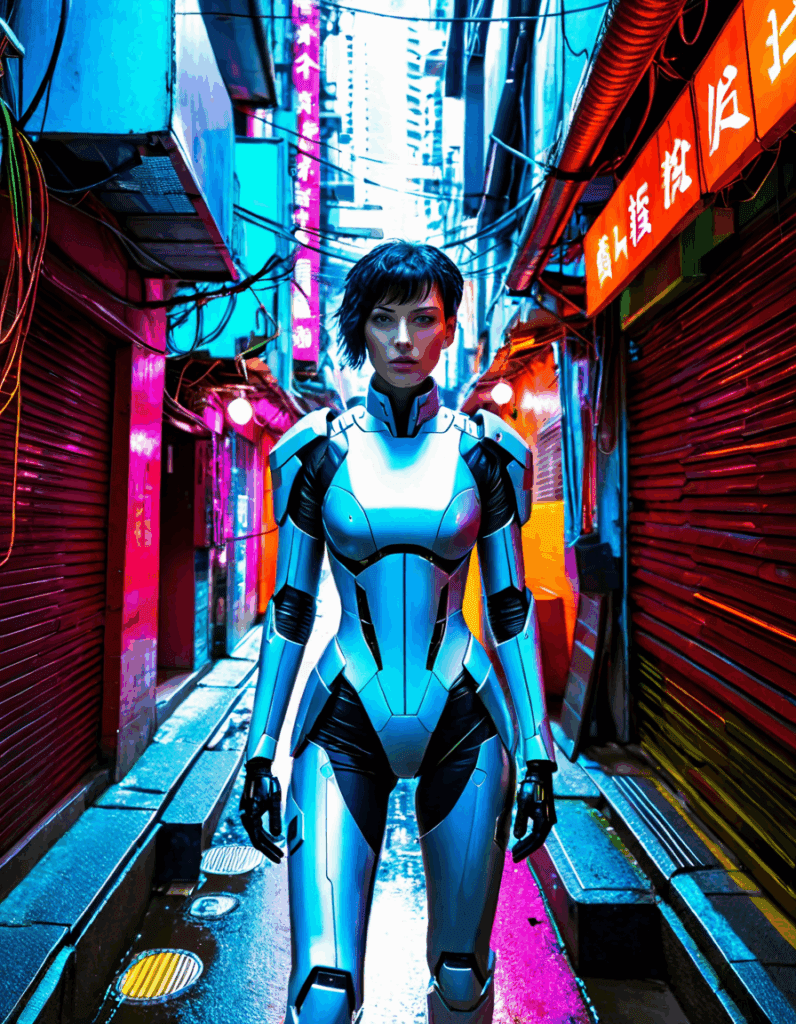
Ghost in the Shell Has solidified its status as a cornerstone of not just cyberpunk, but also of anime culture. Initially introduced as a manga by Masamune Shirow in 1989, the story soon transcended its medium with the release of the animated film in 1995. This adaptation not only captivated audiences but also sparked critical discussions about consciousness, identity, and the increasing role technology plays in our lives. As we delve deeper into this iconic series, we’ll explore its far-reaching impact and the themes that continue to resonate even today.
The Foundation: Understanding Ghost in the Shell’s Impact
Masamune Shirow’s vision in Ghost in the Shell Isn’t just about a cyborg navigating a dystopian world. It raises profound questions about what it means to be human in an age where technology defines interaction, identity, and experience. At its core is Major Motoko Kusanagi, a cybernetic organism grappling with her identity and existence. The narrative deals with complex philosophical questions, including the nature of consciousness and the concept of the self. As technology integrates more deeply into our lives, these themes couldn’t be more relevant.
The original animated film pushed the boundaries of what animation could convey. Its striking visuals combined hand-drawn techniques with emerging CGI technology, creating a stunning aesthetic that left a mark on countless subsequent projects. As filmmakers sought to emulate its unique style, Ghost in the Shell Became a touchstone for numerous works, from the Animatrix Series to modern classics like Blade Runner 2049, demonstrating how it shaped visual storytelling across genres.
The series’ ability to engage with deep philosophical themes while still appealing to a broad audience is part of what makes Ghost in the Shell Enduringly powerful. Shirow’s work prompted viewers to reflect on their relationship with technology before terms like “digital identity” and “artificial intelligence” became common. As we continue to grapple with these subjects, Ghost in the Shell Stands out as a beacon that shines light on the complexities of technology and humanity.
Top 5 Elements That Define Ghost in the Shell and Its Legacy
1. Philosophical Narratives
2. Visual Aesthetics
3. Character Development
Motoko Kusanagi is more than just a cyborg; she represents a struggle for identity within her technological aspects. Her portrayal has evolved over time, notably with Scarlett Johansson’s interpretation in the 2017 live-action film. Although that adaptation received mixed reviews, it introduced Kusanagi’s fierce persona to new audiences, prompting them to explore her complex narrative.
4. Cultural Impact on Cinema and Video Games
5. Exploring Technology’s Role
As the landscape of technology continues to evolve, the series remains an essential reference point for discussions regarding AI and surveillance. It speaks to current societal issues related to privacy, identity, and data, solidifying its place in contemporary debates on technology’s role in daily life.
Analyzing the Resurgence of Cyberpunk: The Role of Ghost in the Shell
In recent years, cyberpunk has experienced a resurgence, with series like Altered Carbon And films such as Ready Player One Drawing inspiration from the foundational elements established in Ghost in the Shell. The mix of dystopian settings and deep philosophical explorations aligns closely with the contemporary audience’s appetite for narratives that reflect current societal anxieties.
Ghost in the Shell Reintroduced cyberpunk tropes like corporate dominance and technological morality into mainstream culture, showing viewers how these elements are intertwined with daily life. This renewed interest emphasizes our collective anxieties about a future heavily influenced by technology and the surveillance state.
Moreover, the series’ setting and themes resonate with social movements advocating for digital privacy and human rights, making it a mirror for today’s realities. As cultural productions explore these avenues, they stress that technology, while beneficial, can also be a double-edged sword, a notion first introduced to the world through Ghost in the Shell.
Ghost in the Shell’s Influence on Modern Media
The various adaptations and modern iterations of Ghost in the Shell, including Netflix’s Ghost in the Shell: SAC_2045, showcase the ongoing evolution of the story and its relevance. These newer projects reflect shifts in audience engagement and highlight technological advancements since Shirow’s original creation.
The series has prompted filmmakers and game designers to explore innovative storytelling frameworks that rely on cross-media narratives. For instance, projects like Cyberpunk 2077 Pay direct homage to Shirow’s ideas, showcasing how Ghost in the Shell Continues to inspire and push boundaries.
Moreover, the modern reaction to Ghost in the Shell Is a testament to its lasting power. Audiences appreciate revisiting the complex characters and intricate worlds, demonstrating that the themes addressed remain pivotal as we navigate an increasingly digital existence.
The Cultural Exchange: Ghost in the Shell and Western Adaptations
Ghost in the Shell Has offered a canvas for cross-cultural exchange between Eastern and Western media. Notably, the live-action adaptation starring Scarlett Johansson elicited mixed reactions, highlighting the differences in how various cultures interpret the source material.
While some celebrated the film for introducing Kusanagi’s story to a global audience, others critiqued it for perceived cultural appropriation. This dynamic showcases the ongoing negotiation of cultural identities in adaptations, signifying deeper discussions about representation and authenticity.
As Western interpretations continue to emerge, there’s an increasing interest in understanding Ghost in the Shell’s roots and its cultural significance beyond mere entertainment. This back-and-forth not only enriches the narrative experience but also invites audiences to engage with the nuanced questions that arise about identity and representation.
Closing Thoughts on the Future of Ghost in the Shell and Cyberpunk
As we forge ahead into the digital age, Ghost in the Shell Stands as a foundational pillar that shapes our perceptions of cyberpunk and identity. The dialogues it sparked and the themes it raised remain essential as technology continues to intertwine with our daily lives.
The questions posed by the series are more relevant than ever, challenging our understanding of reality and what it means to be human amidst technological advancements. As we look toward the future, Ghost in the Shell Will likely inspire new adaptations and reinterpretations, maintaining its status as a vital commentary on the intersection of humanity and technology. The rich legacy of this series endures not only as a work of art but as a critical lens through which we can view our collective future.
In spotlighting Ghost in the Shell, we embrace the opportunity to reflect on the complexities of our present and the possibilities ahead. This powerful narrative engages creators and audiences alike in critical storytelling that compels us to probe deeper into our evolving relationships with technology and identity. As we contemplate future narratives, one thing is clear: Ghost in the Shell Is here to stay, inspiring fresh conversations and reimaginations well into 2026 and beyond.
Ghost in the Shell: Fun Trivia and Interesting Facts
The Birth of a Cyberpunk Classic
When you think of iconic cyberpunk films, “Ghost in the Shell” immediately comes to mind. Released in 1995, this animated feature redefined the genre’s visual storytelling. The film dives into themes of existence and technology, making it a favorite among fans. It’s fascinating to note that “Ghost in the Shell” Inspired a plethora of other works, including the beloved Truman Show, which explores reality in its own unique way.
Interestingly, the artistic design of “Ghost in the Shell” laid the groundwork for significant visual aesthetics in anime. Early on, the producers aimed to create a rich, immersive universe that felt alive. This intricate attention to detail paralleled the craftsmanship found in fashion-take Tuxedo shoes, for example, which can be both elegant and striking if crafted well. The animation team’s dedication contributed heavily to making the film a lasting influence in both mainstream and indie cinema alike.
Influence and Cultural Impact
The cultural resonance of “Ghost in the Shell” Goes beyond animation; it has permeated various aspects of media and technology. The film’s examination of identity, consciousness, and artificial intelligence has paved the way for discussions in academic circles and tech communities. Moreover, a quick look at the sci-fi literature of the time reveals titles that were also shaping perspectives-like the 3 body problem Books, which similarly ponder complex themes around humanity and technology.
As the film celebrates its legacy, fans are still gripped by its philosophical questions. Some folks even engage with this culture through playful avenues-check out something quirky like a Duck duck Clicker Game that pops up in online spaces. From philosophical debates to experimental games, the influence of “Ghost in the Shell” is comparable to the rise of musical theater, akin to the hit Mama Mia, showcasing how one iconic work can ripple through genres.
A Legacy That Lives On
Nowadays, “Ghost in the Shell” continues to inspire not just filmmakers but also the tech industry as we stride into the future. Key discussions about digital identity can feel eerily similar to plot points from the film. You might say this iconic film acts like a Fake ID generator For ideas, allowing creators and thinkers to explore concepts in a structured yet imaginative way.
Though it’s been decades since its initial release, “Ghost in the Shell” Remains a touchstone for new filmmakers, paving the way for fresh interpretations. The excitement surrounding upcoming projects-like the anticipated Cast Of I Know What You Did Last Summer 2025-shows that the allure of such foundational works continues to grab audiences. Even as we eagerly flip through our September 2024 calendar, one thing is clear: the legacy of “Ghost in the Shell” is far from fading; it’s merely transforming.
This article was produced with AI assistance. How Loaded Video uses AI.
Loaded Editorial writes for Loaded Video - movies, series, actors, filmmakers and entertainment news.