The Enchantment of Hayao Miyazaki’s Cinematic Universe
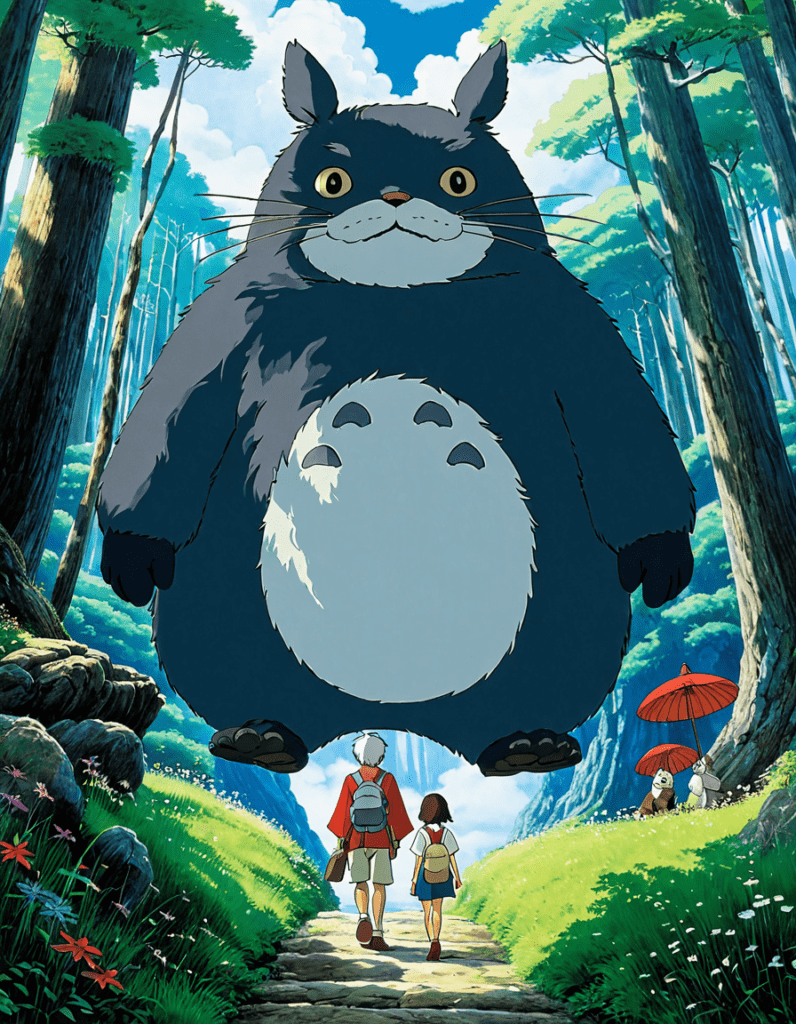
Hayao Miyazaki stands tall as one of animation’s greatest maestros, his films weaving rich tapestries of imagination, emotion, and meaning. As a co-founder of Studio Ghibli, Miyazaki has crafted a distinctive cinematic universe that crosses cultural and linguistic barriers, making his stories universally relatable. His films blossom with intricate artistry and heartfelt narratives that stir the soul, beckoning viewers to explore profound themes such as environmentalism, personal growth, and the human condition.
What sets Miyazaki apart is his ability to merge whimsical artistry with pressing real-world issues. Each film opens a portal to a fantastical world that beckons not just the young, but enthusiasts of all ages. As he navigates tales of conflict and compassion, his work cultivates a deeper understanding of the intricacies that define humanity. Through memorable characters and fascinating plots, he instills a sense of hope and wonder that continues to resonate, motivating aspiring filmmakers and lovers of cinema alike to delve deeper into themes of connection and consciousness.
In our contemporary landscape-where pressing environmental and social issues dominate discourse-Miyazaki’s films remain pivotal. They challenge us to reflect on our actions and inspire a sense of responsibility towards the world around us. As we examine the magic behind his films, it’s clear that Miyazaki has not only created an animation legacy but has also ignited conversations that illuminate our shared human experience.
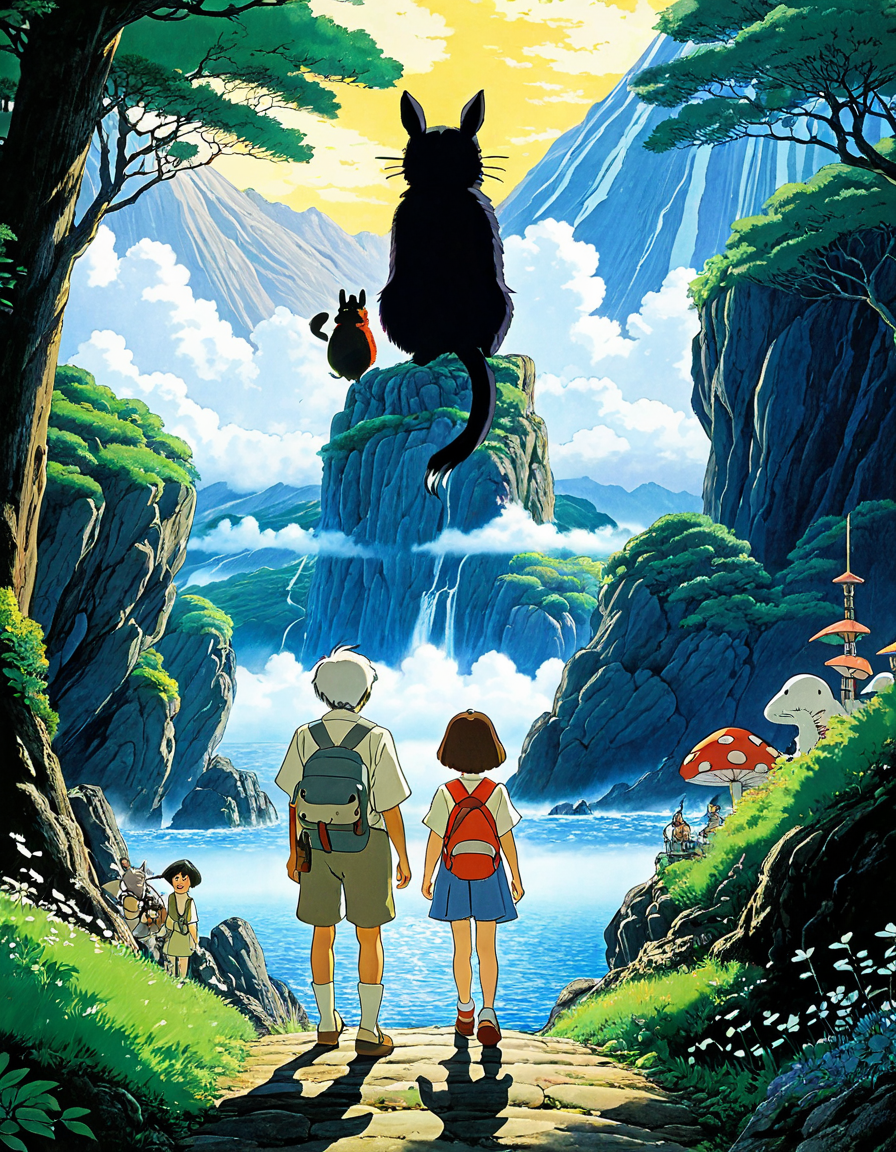
Top 5 Themes in Hayao Miyazaki’s Films
1. Environmentalism: The Heart of Princess Mononoke
In Princess Mononoke, Miyazaki articulates a powerful narrative surrounding the beauty of nature and the consequences of human actions. The character of Ashitaka traverses a conflict between humanity and the spirits of the forest, symbolizing the struggle for harmony-a theme that is more relevant than ever. His artistry brings to life the vibrant ecosystems that are threatened, prompting viewers to reflect on their role in preserving the planet.
The film’s juxtaposition of industrialization against the backdrop of untouched nature not only captivates but drives home the message of stewardship. In a time when climate change weighs heavily on our minds, Princess Mononoke Serves as a clarion call for unity between humankind and nature. It’s a reminder that we must take action before it’s too late.
Key Takeaway: Environmentalism isn’t just a backdrop; it’s the film’s lifeblood, steering audiences toward a collective consciousness regarding ecological preservation.
2. Coming of Age: Growth and Transformation in Spirited Away
Spirited Away Highlights the journey of Chihiro, a young girl swept into a mesmerizing spirit world. Throughout her adventures, she learns vital lessons about responsibility, courage, and embracing change. This film beautifully encapsulates the process of growing up, illustrating how life pushes us toward transformation.
As Chihiro confronts challenges-from dealing with spirits to overcoming fears-she unearths her identity and background. This resonates with many viewers, as they too navigate the tumultuous waves of adolescence. Miyazaki captures the essence of growth through stunning visuals and relatable characters, creating a timeless narrative that speaks to every generation.
Key Takeaway: Through Chihiro’s eyes, we see the power of resilience, making Spirited Away A profound exploration of youth’s journey towards self-discovery.
3. War and Human Conflict: A Reflection in Howl’s Moving Castle
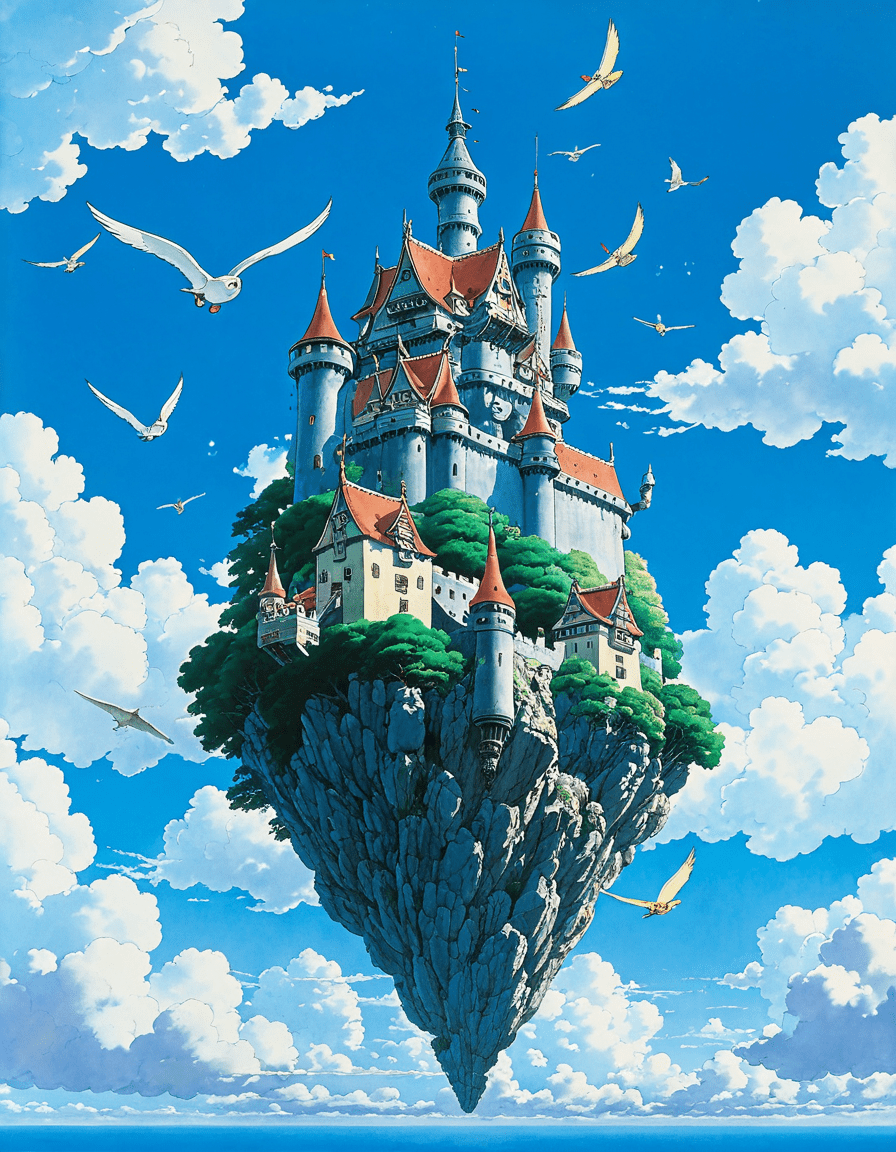
Loosely based on Diana Wynne Jones’s novel, Howl’s Moving Castle Serves as a poignant commentary on war and its ravaging effects. The narrative intertwines the fantastical elements with a critical perspective on military conflicts, reminiscent of real-world anxieties seen in the film’s portrayal of destruction.
Howl, as he grapples with his own demons, symbolizes the struggle against despair. His character serves not only as a protector but also reflects the broader consequences of war. The film articulates an anti-war message, reminding us of the personal toll conflicts take on individuals and communities. In a world riddled with strife, Miyazaki’s insights remain strongly relevant today.
Key Takeaway: Howl’s Moving Castle Acts as a mirror, reflecting the deep scars of war while urging us to seek peace and understanding.
4. The Power of Folklore and Myth: Influences from Junji Ito and Chiikawa
Miyazaki infuses his work with Japanese folklore and myth, creating narratives that resonate both culturally and universally. His stories evoke elements reminiscent of Rurouni Kenshin And other traditional tales, allowing viewers to explore cultural heritage while connecting on a personal level.
The fantastical imagery and character designs borrow from myths and legends, drawing parallels with visual storytelling styles seen in the works of genre-defining creators like Junji Ito. While Ito captures horror, Miyazaki finds wonder, showcasing how folklore can provide a rich framework for modern storytelling.
Key Takeaway: By delving into folklore, Miyazaki enriches his narratives, bridging cultural gaps and inviting audiences into a shared humanity.
5. Gender Roles and Strong Female Protagonists: A New Path in Animation
Miyazaki breaks conventions by creating strong female protagonists that challenge traditional gender roles. Characters like Nausicaä in Nausicaä of the Valley of the Wind Are not just warriors but also compassionate leaders and thinkers. This progressive portrayal celebrates empowerment and resilience in a medium often dominated by male heroes.
His films assert that strength manifests in various forms, encouraging viewers to appreciate vulnerability alongside power. By presenting dynamic female characters, Miyazaki advocates for a broader conversation around gender representation in animation and beyond.
Key Takeaway: Miyazaki’s focus on female empowerment paves the way for future storytellers to craft nuanced characters that reflect diverse experiences.
Hayao Miyazaki’s Legacy and Influence on Other Creators
Miyazaki’s reach extends far beyond traditional animation. His influence is palpable across multiple creative sectors, inspiring filmmakers, game designers, and artists alike. Renowned game designer Hideo Kojima, creator of the Metal Gear Solid Series, often cites Miyazaki’s narrative depth and character-driven storytelling as key influences on his approach.
Moreover, series like Rurouni Kenshin Echo Miyazaki’s themes of honor, conflict, and inner turmoil. The cultural conversation surrounding anime and manga has been shaped by his innovative techniques, encouraging others to weave complexity into their narratives. Directors inspired by Miyazaki’s artistry carry forth his legacy, further enriching the tapestry of animation.
Key Takeaway: Miyazaki’s storytelling informs a new generation, encouraging creators to innovate while honoring the narratives that came before.
The Contemporary Impact: Saika Kawakita and New Voices in Animation
As animation ventures into new territories, emerging creators like Saika Kawakita draw inspiration from Miyazaki’s work. Kawakita’s films reflect a deep sensitivity to both visual storytelling and emotional resonance, reminiscent of Miyazaki’s themes of environmentalism and personal growth.
This lineage of influence is crucial, fostering a community that values artistry intertwined with profound messages. Through fresh perspectives and narratives, these voices form a vibrant new landscape within animation, keeping the spirit of Miyazaki alive.
Key Takeaway: The future of animation thrives on the foundation laid by pioneers like Miyazaki, guiding new voices who aspire to balance artistic vision with meaningful content.
The Enduring Appeal: Why Hayao Miyazaki’s Films Remain Relevant
Miyazaki’s films enchant with stunning artistry, memorable characters, and themes that provoke thought in an increasingly fragmented world. In times of uncertainty, stories that inspire hope and reflection resonate deeply with audiences. Miyazaki’s legacy illuminates a path for future filmmakers, blending art with activism.
His ability to evoke empathy and encourage self-discovery is what cements his work in our cultural fabric. The magic of his films lies in their capacity to transcend time, inviting us to engage with complex themes in whimsical settings. Through his storytelling, Miyazaki reminds us that we are not just observers but active participants in our shared narrative.
In an age when we’re confronted with significant challenges, Miyazaki’s work encourages us to dream, act, and strive for a better world. His invitation to imagine holds the key to a future where art and action converge, creating pathways to understanding and healing.
The enchanting world of Hayao Miyazaki beckons us to reflect, engage, and act, instilling hope for generations to come. His mastery is a touchstone for filmmakers everywhere-be it in the realms of animation or beyond. Whether you’re seeking inspiration or simply a good story, the films of Miyazaki remind us that magic exists in every corner of life.
Hayao Miyazaki: Fascinating Facts and Fun Trivia
The Man Behind the Magic
Hayao Miyazaki, a titan in animation, began crafting his iconic films in the 1970s, but did you know he actually started his career as an animator at Toei Animation? His early work paved the way for the stunning visuals we adore today. Films like Spirited Away, often hailed as his masterpiece, won the Academy Award for Best Animated Feature in 2003. Did you know that this enchanting film grossed over $350 million worldwide? That kind of success is hard to come by! For more on animation in cinema, you might find Xvideos red Enlightening.
Alongside his animation prowess, Miyazaki’s stories often reflect environmentalism and pacifism, mirroring his own beliefs. This commitment to deep themes resonates throughout his portfolio, making films like Princess Mononoke Not just visually stunning but thought-provoking pieces. It’s fascinating how Miyazaki embeds social commentary in his narratives. Speaking of intriguing cinematic themes, Manchester by The Sea Touches on the depths of human emotion and could pique your interest as an equally compelling experience.
Inspirations and Aspirations
Miyazaki’s love for aviation is prominent in many of his works; the flying scenes in films like The Wind Rises Are nothing short of breathtaking. His personal experiences, including his childhood in a war-torn Japan, significantly shape his perspectives in storytelling. Interestingly, he once mentioned that his vast library of books fuels his imagination. He cites works by authors like Antoine de Saint-Exupéry as foundational inspirations, showing that literature and film often intersect. If you enjoyed The Wind Rises, you’d likely appreciate Flowers in The attic, which also dives into deep emotional narratives.
A quirky fact about Miyazaki is his aversion to computers-he prefers hand-drawn animation. This choice highlights his dedication to traditional techniques, similar to how The studio Champions original, handcrafted art. His relentless pursuit of authenticity in animation is much like athletes like Cory Everson, whose tenacity in bodybuilding defined their careers. Hayao Miyazaki will always be a benchmark in animation history, pushing boundaries and crafting tales that transcend generations, just as timeless classics do.
Remember to delve deeper into different art forms; exploring various genres can enrich your view of storytelling. For an engaging ride through unique narratives, check out Adria Arjona Movies And TV Shows, which showcase another facet of passionate storytelling. No matter where you start, you’ll find that every artist, including Hayao Miyazaki, brings a little magic to the table!
This article was produced with AI assistance. How Loaded Video uses AI.
Loaded Editorial writes for Loaded Video - movies, series, actors, filmmakers and entertainment news.