The Life and Times of John Wilkes Booth
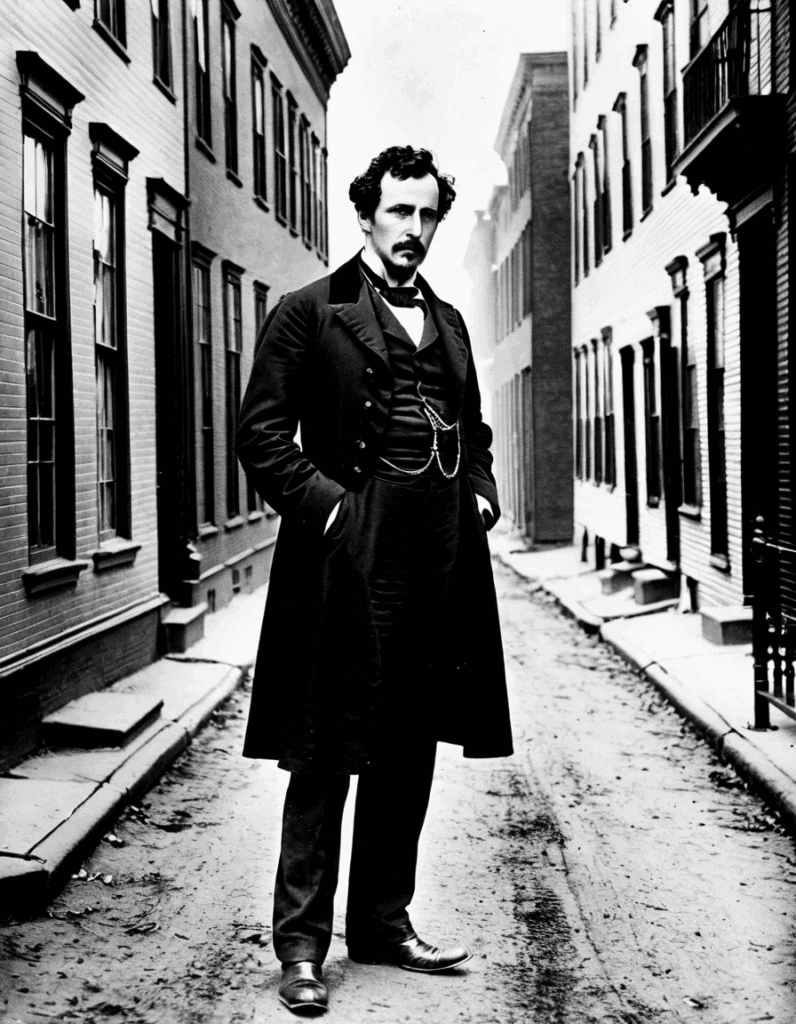
John Wilkes Booth, born on May 10, 1838, in Bel Air, Maryland, comes across today as a historical enigma. Raised in a prominent acting family, his charisma and talent on stage set the stage for his unique, yet tragic path. Unlike explorers like Christopher Columbus, who ventured into the unknown, Booth’s life unfolded into a narrative soaked with infamy, culminating in the assassination of President Abraham Lincoln on April 14, 1865. The son of the famed actor Junius Brutus Booth, John seemed destined for stardom. However, his fiery, misdirected passion led him to etch his name in the annals of American history for all the wrong reasons.
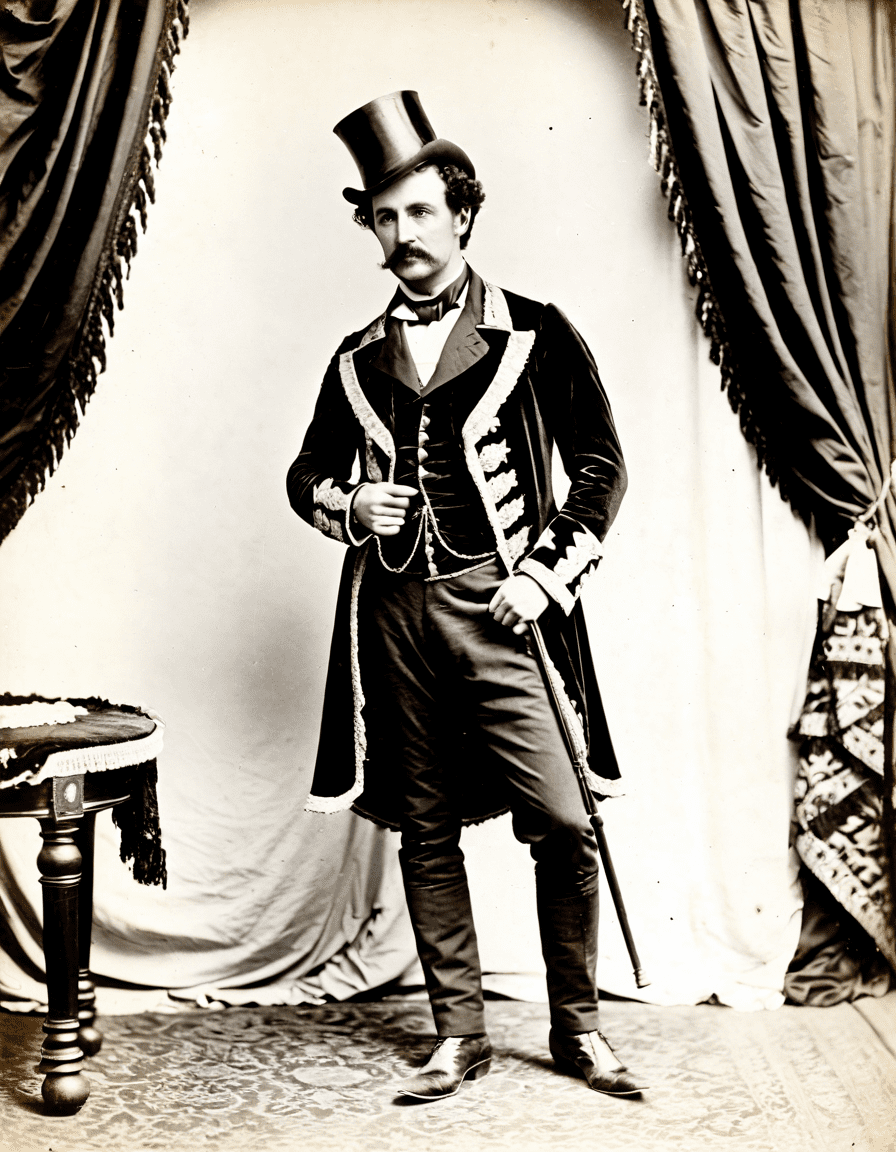
As an actor, Booth was known for his good looks and prowess, charming audiences in theaters across the country. However, behind the curtain, he harbored a deep-seated anger rooted in the political climate of his time-a bitterness intertwined with his family ties to the Confederacy. His story reminds us that outward appearances can be deceiving. Booth wasn’t just an assassin; he was a man shaped by the tumult of a nation divided.
Reasons Behind the Assassination: Political Climate and Personal Convictions
To grasp the intricacies behind Booth’s deadly decision, we must consider the political landscape of the time. Booth was a staunch supporter of the Confederacy, appalled by the Union’s victory in the Civil War. His beliefs aligned with the states’ rights argument, which echoed loudly across Southern states. This fervor can be likened to another historical figure, John Adams, who fiercely fought for independence based on his convictions. Both men, motivated by political beliefs, exhibited how ideology can transform individuals into harbingers of violence.
Moreover, Booth’s growing antipathy for Lincoln stemmed from his perception of the President as a tyrant. He wasn’t simply another political dissenter; Booth viewed himself as a guardian of Southern values, willing to go to extreme lengths to protect them. His actions underscore how deeply personal beliefs can collide with public actions, leading to catastrophic results. In Booth’s mind, he believed he was delivering a retribution, tying his tragic narrative into the broader tapestry of American history.
The Conspiracy: Booth’s Co-Plotters and the Plan
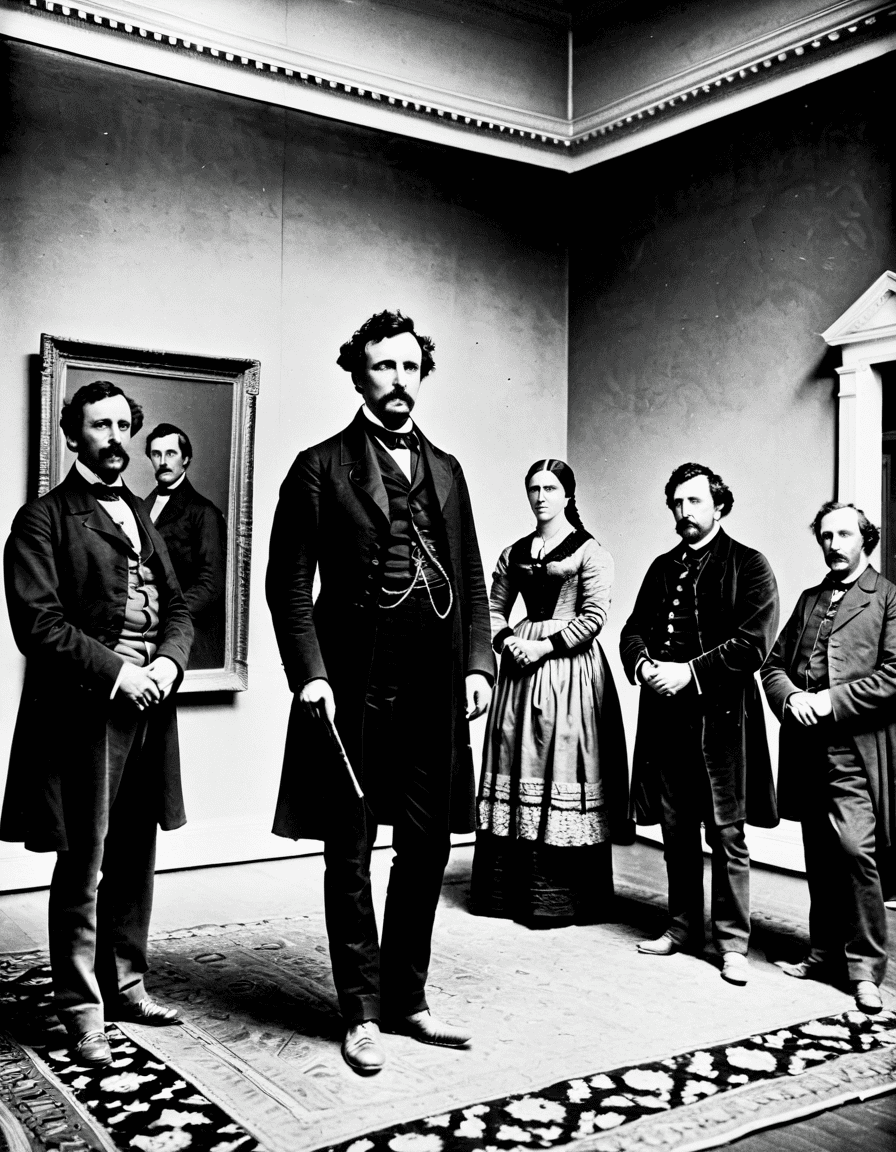
Booth acted not in isolation, but as part of a broader conspiracy that included a cast of co-conspirators, each driven by their own motivations. At the center of this web was Mary Surratt, who owned the boarding house where the assassination plans were formulated. She believed in Booth’s cause and provided essential support, illustrating how ideologies can rally individuals to deviate from moral norms.
Lewis Powell and David Herold showcased their own methods through violent pursuits aimed at prominent Union leaders, proving that Booth’s delusions were shared among fervent radical elements. Just as Nikola Tesla had fellow visionaries pushing for technological advances, Booth’s circle sought to promote a violent agenda masked as a righteous endeavor. This collective action speaks volumes about how movements-whether for innovation or violent political objectives-can gather momentum, digging deep into people’s belief systems.
The Assassin’s Escape: A Fatal Chase Through History
Following Lincoln’s assassination, Booth’s escape morphs into a gripping tale filled with drama and danger. Assisted by his co-conspirators, he fled into the dense woods of Maryland and Virginia, setting off a manhunt that captivated the nation. The thrill of his flight can be likened to the high-stakes explorations of Christopher Columbus, although instead of charting new lands, Booth sought to evade capture and preserve his life.
His escapade was fraught with peril, with every footstep steeped in tension and the impending certainty of justice looming closer. After days of evasion, Booth was eventually cornered in Virginia, leading to a fateful standoff with Union soldiers. When he was shot, it marked the dramatic end to his life-one painstaking moment spotlighting the consequences of his actions.
Legacy and Cultural Impact: The Infamy of John Wilkes Booth
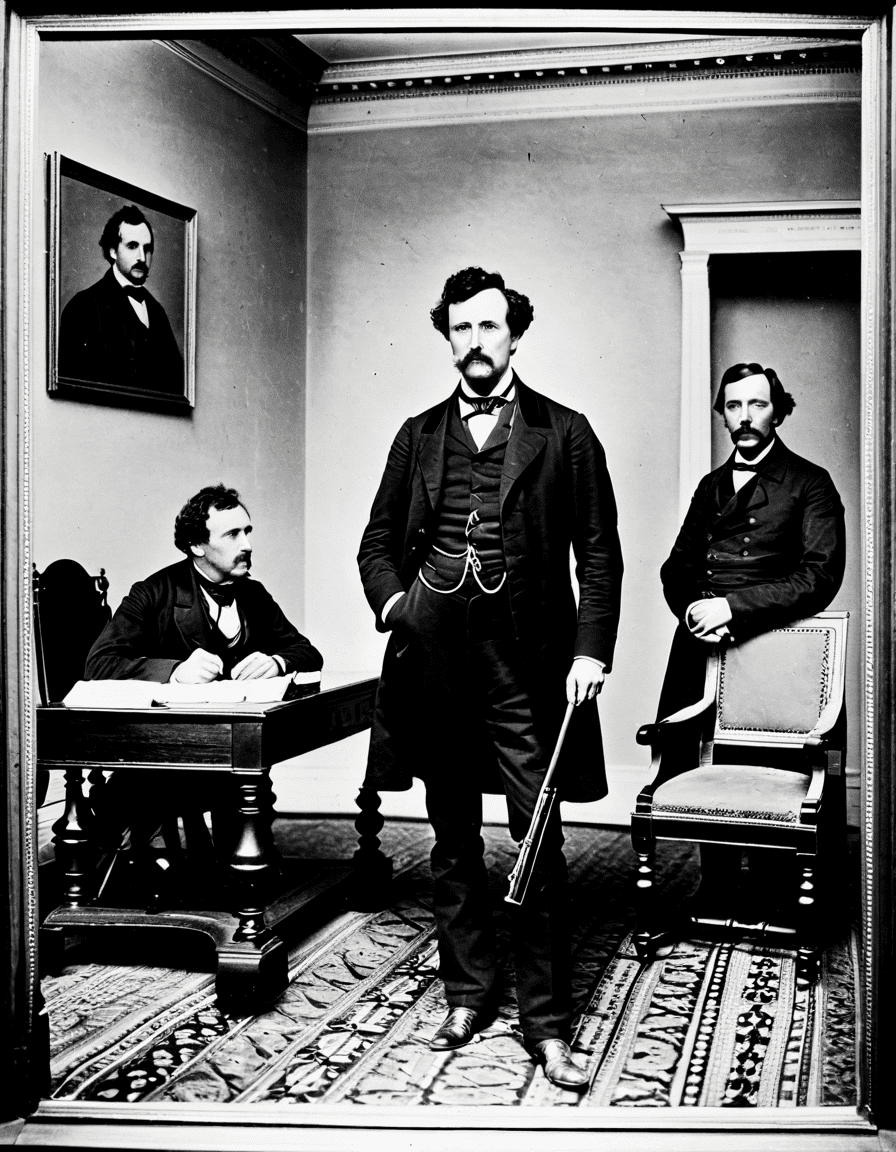
The cultural impact of John Wilkes Booth extends far beyond his heinous act. Since then, his story has evolved from that of a straightforward villain to a multifaceted figure within American folklore. Artists, playwrights, and filmmakers have interwoven Booth’s narrative with themes of patriotism, violence, and betrayal, echoing the complex legacy of historical figures like John Adams. The way Booth’s life has been portrayed illuminates ongoing debates around morality, loyalty, and historical interpretation.
Films and theater productions have brought Booth to life in various lights, exploring the depths of his motivations. These portrayals reflect America’s struggle with its identity-the balance between heroism and villainy. The ethical implications of Booth’s actions provoke ongoing discussions about freedom and the lengths to which individuals will go for their beliefs.
Reflections on Assassination in American History
John Wilkes Booth’s act of political violence continues to resonate today as we witness similar patterns throughout history. His narrative reveals a stark warning about how radical beliefs can catalyze actions with irrevocable consequences. Booth’s infamy parallels other individuals like Nikola Tesla, whose visionary pursuits often oscillated between brilliance and chaos in public perception.
As we reflect on the implications of Booth’s actions, we can draw lessons about the volatile intersection of ideology and violence. Today, assassinations and politically motivated violence draw unsettling parallels with Booth’s decision, raising questions about social responsibility and the impacts of radical ideologies. The legacy of Booth invites us to scrutinize our narratives surrounding historical figures and remove the simplistic dichotomies of hero and villain.
In conclusion, John Wilkes Booth is not just an assassin but a poignant symbol of tumultuous American history. His fateful decision altered the course of a nation and, in many ways, continues to echo in contemporary society. Reevaluating his story allows us to engage in a broader dialogue about morality, political dissent, and the very essence of American identity. As we move forward, it’s essential to understand how figures like Booth shape our views on justice, history, and the complexities of human belief.
John Wilkes Booth: The Infamous Assassin of Lincoln
A Star on the Stage and in Controversy
Did you know John Wilkes Booth was not just a notorious assassin but also a celebrated actor? Born into the prominent Booth family of actors, he captivated audiences with his talent, much like how Daniel Craig charms fans with his portrayal of iconic characters. Despite his fame, Booth’s personal beliefs and ambitions would lead him down a dark path. His support for the Confederacy during the Civil War put him in a precarious position, igniting the flame for his conspiracy against President Abraham Lincoln.
Interestingly, Booth was known for his physical prowess, a trait that gave rise to his infamous leap from the presidential box after the assassination. This dramatic getaway echoes the action-packed stunts seen in today’s films, such as when the penguin takes center stage in The Batman. It’s a bizarre coincidence that while he embodied the art of performance, he also crafted a moment in history that would haunt America forever.
His Escape and the Wild Chase
After the assassination, Booth’s escape became a thrilling chase that could rival any gripping plot twist. He fled into the night, utilizing a network of sympathizers, much like how wrestlers build a fan base leading up to events like Wwe Wrestlemania 41. The manhunt for him spurred the country’s imagination, leading to countless tales and myths growing around his fugitive status. Unfortunately for Booth, his journey ended tragically in a barn, reminiscent of a scene straight out of the Twilight Zone, capturing a surreal blend of drama and fate.
Moreover, Booth’s significant impact on American history parallels the struggles faced by public figures like Karrine Steffans, who navigated fame amidst scandal. The stark contrast between Booth’s legacy and modern celebrity culture provides a fascinating lens on how infamy shapes narratives-whether through art or audacious actions. In a way, his life story pulls back the curtain on celebrity culture’s darker aspects. Crafting a narrative in real time, Booth left a lasting imprint, making the study of his life endlessly engaging-much like the evolution of popular dances like Getting sturdy, which captivates audiences today.
This article was produced with AI assistance. How Loaded Video uses AI.
Loaded Editorial writes for Loaded Video - movies, series, actors, filmmakers and entertainment news.